
Sophie Baron
NV
Champagne Grand Réserve Brut, Sophie Baron
View details →£38.35
The SommPills Cellar
18 wines on the Champagne shelf, chosen one at a time.
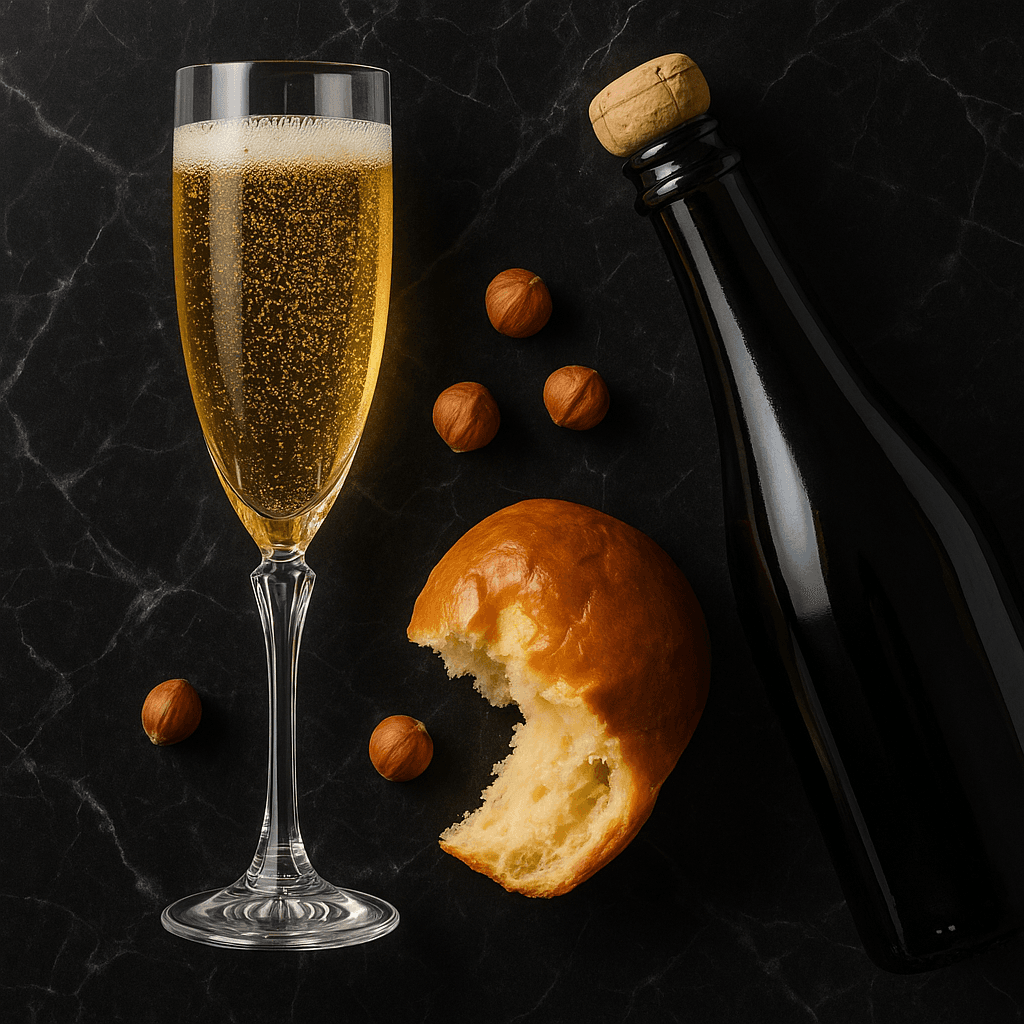
18 wines on the shelf
Sophie Baron
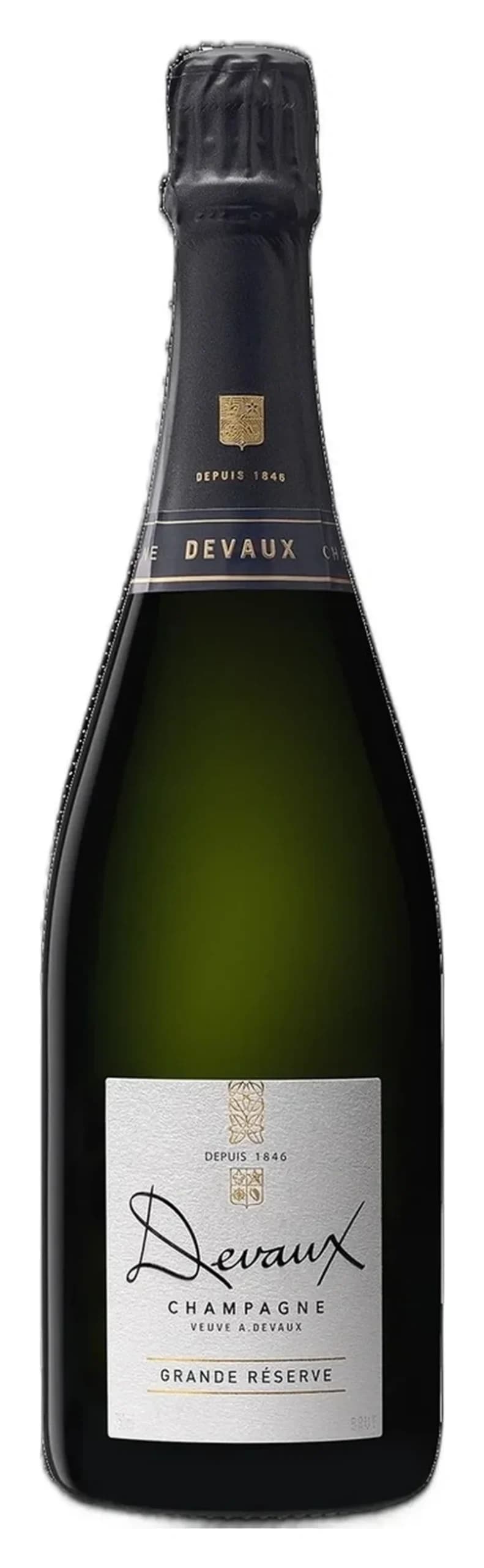
Champagne Devaux
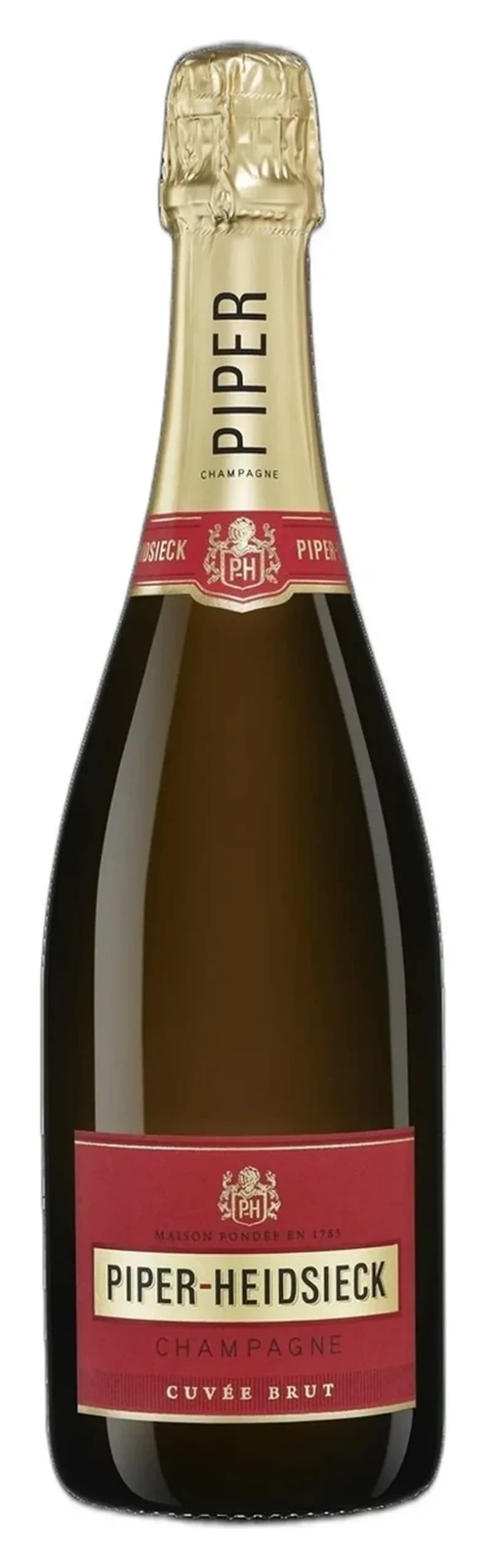
Piper-Heidsieck
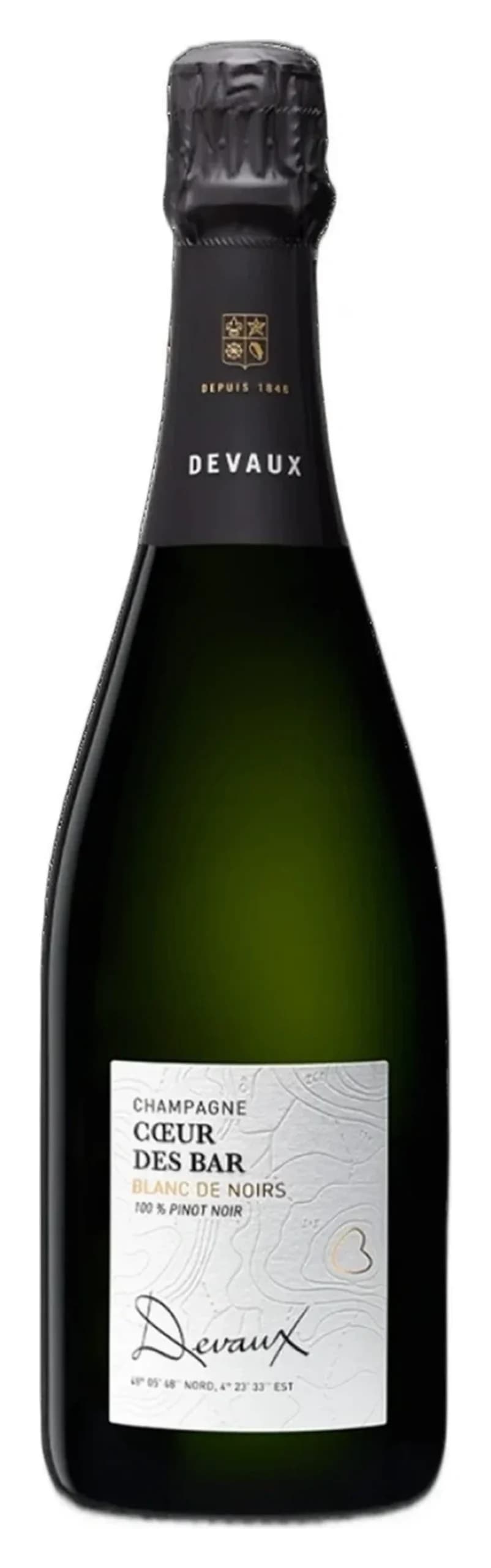
Champagne Devaux
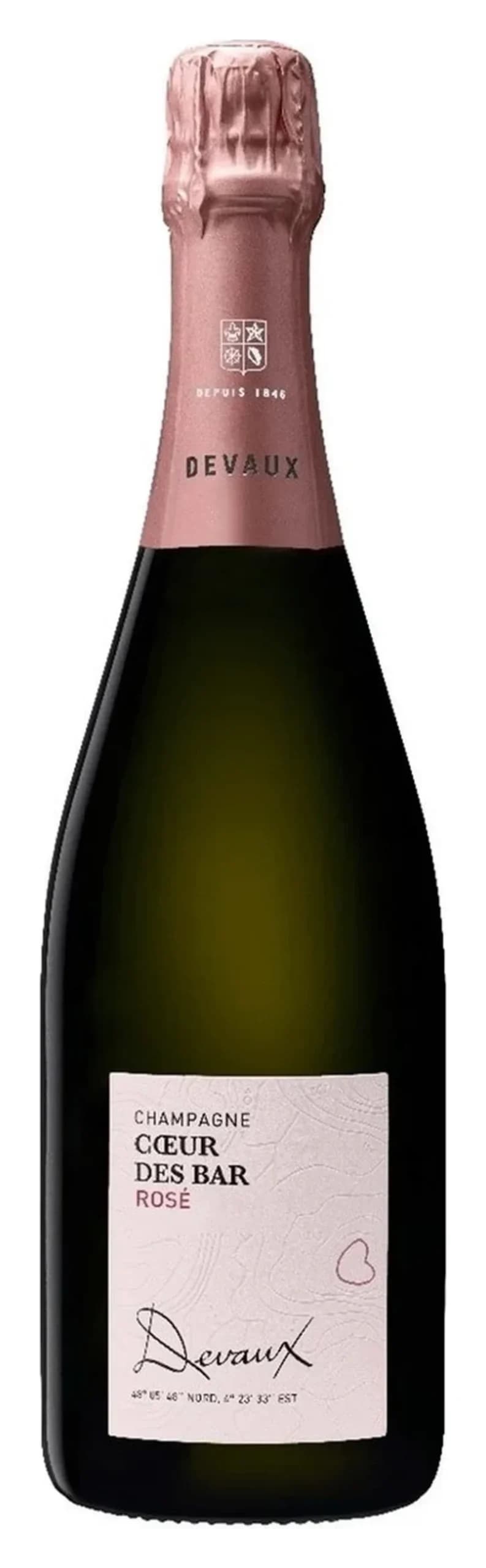
Champagne Devaux
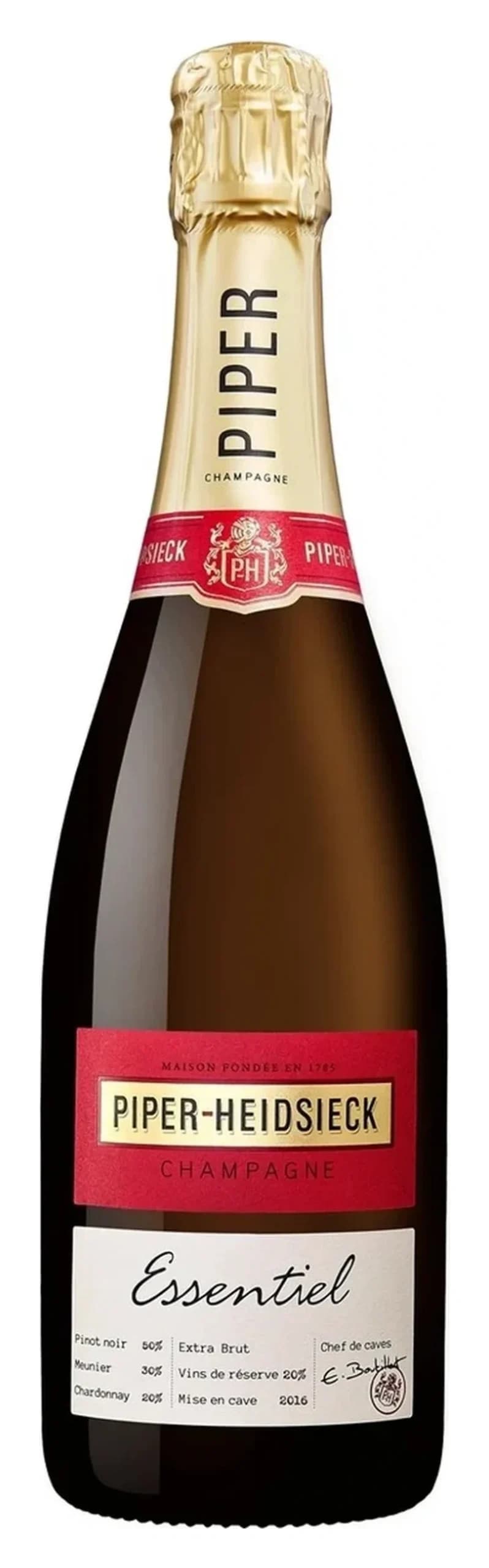
Piper-Heidsieck
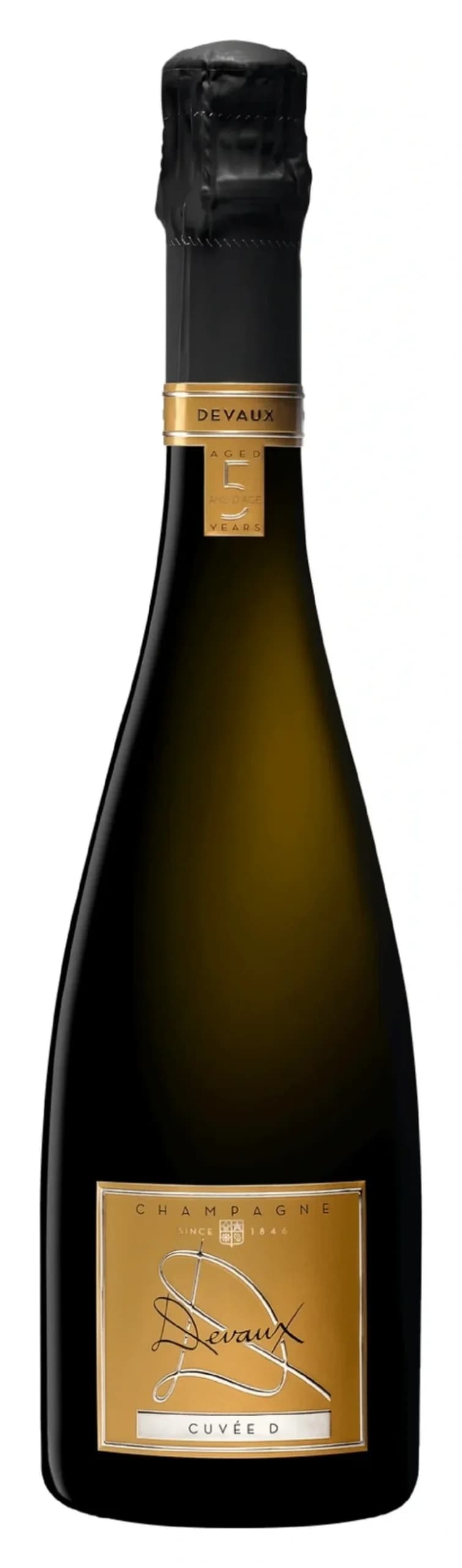
Champagne Devaux
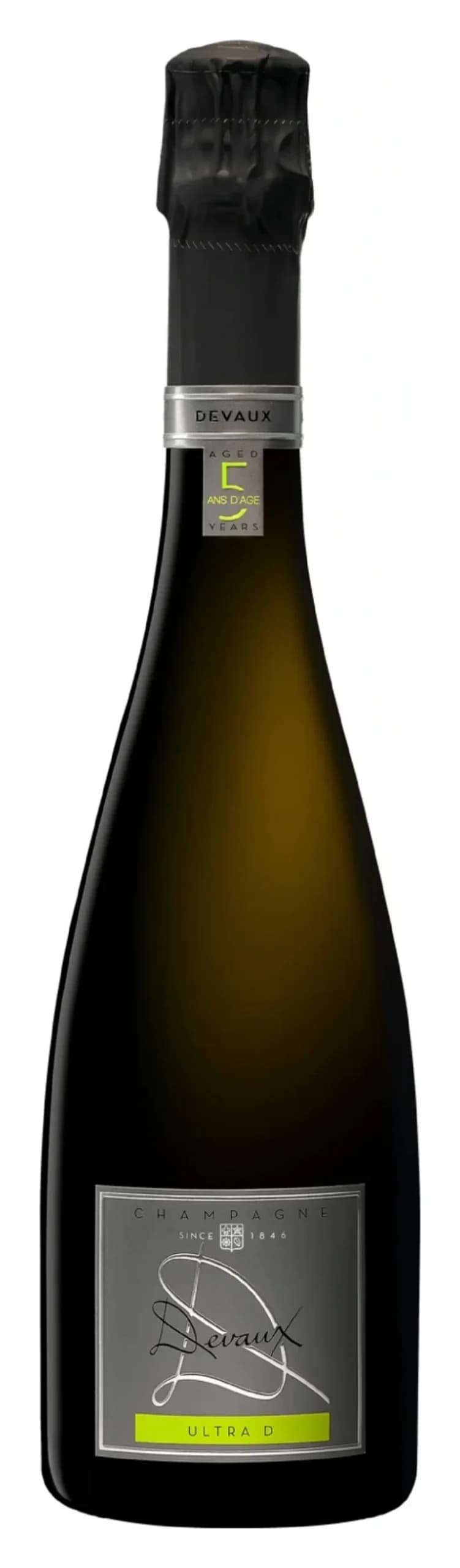
Champagne Devaux
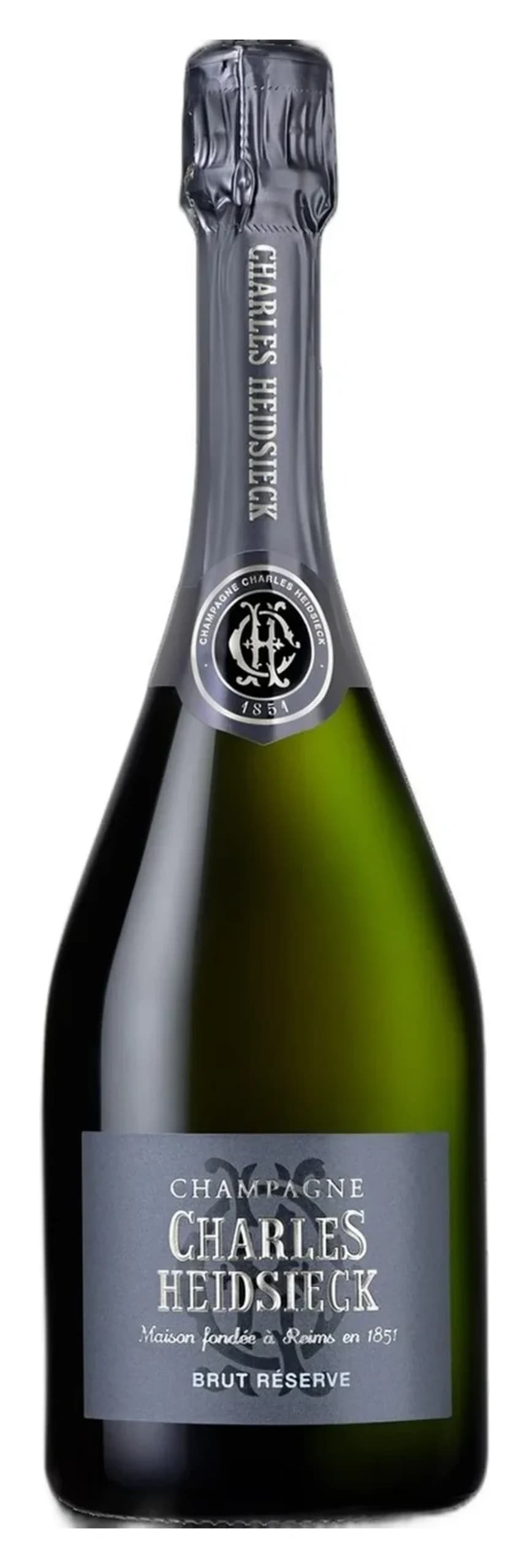
Champagne Charles Heidsieck

Piper-Heidsieck
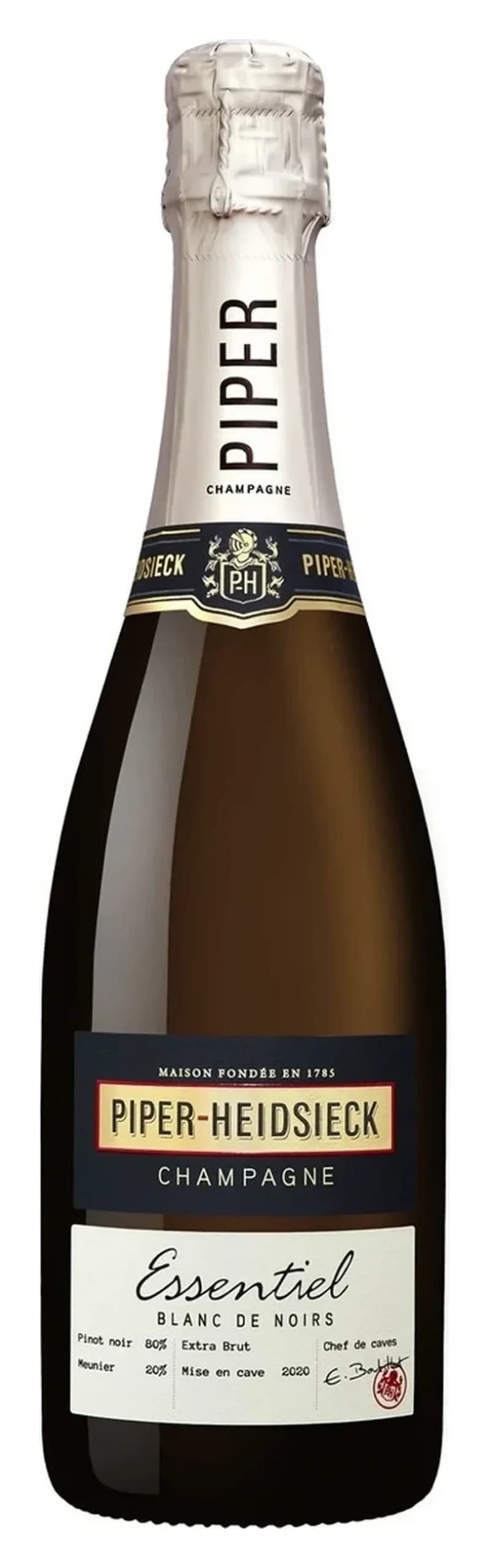
Piper-Heidsieck
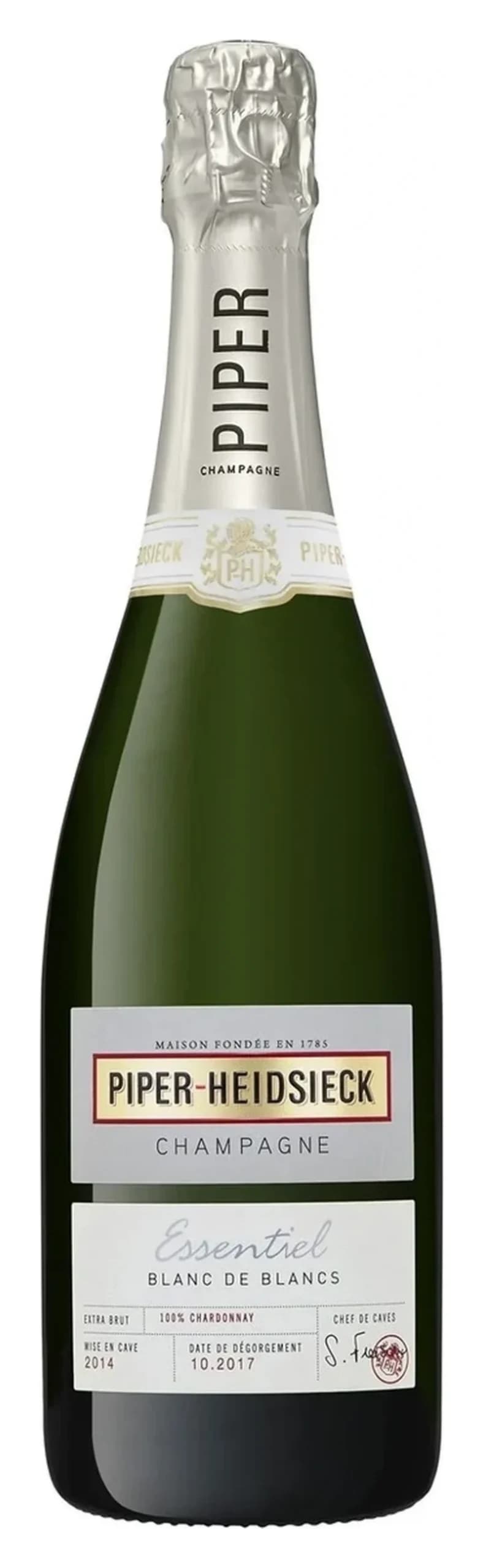
Piper-Heidsieck
Champagne is sparkling wine from the northernmost wine region of France, made using the traditional méthode champenoise with Chardonnay, Pinot Noir, and Pinot Meunier grapes. The cool climate and chalky soils create wines with fine bubbles, crisp acidity, and complex flavours of orchard fruit, toast, and brioche. Whether you're after a crisp aperitif or a special-occasion bottle, Champagne delivers consistency and character that other sparkling wines aspire to match.
Champagne drinkers want assured quality and the genuine article. You're buying a protected designation from a specific region with strict production rules—not just any fizz. A good Champagne works as an aperitif, pairs with seafood and canapés, or marks a celebration without pretension. Non-vintage blends (the house style) start around £50; vintage Champagnes and prestige cuvées reward spending more for complexity and ageing potential.
Whether you prefer the mineral-driven intensity of traditional-method Champagne or the fruit-forward profile of a grower Champagne, the rich, creamy textures created by extended ageing on the lees, or the crisp elegance of chalk-influenced terroir expressions, you'll find a bottle that suits your palate and occasion. Browse our Champagne selection →
Champagne must come from the Champagne region of northeastern France and is made using the traditional méthode champenoise, with a second fermentation in bottle that creates fine, persistent bubbles. The cool climate and chalky terroir create a characteristic mineral, crisp profile. Other regions use the same method but cannot use the name Champagne. Cava, Crémant, and Prosecco are popular alternatives from other parts of Europe.
Champagne is famously versatile. Dry and extra-dry styles pair beautifully with shellfish, smoked salmon, and soft cheeses. Richer, toastier Champagnes complement roasted poultry and cream-based dishes. It works as an aperitif on its own, and also bridges appetizers and light starters. The acidity cuts through salty and rich foods.
Most bottles of non-vintage Champagne sit between £55 and £152, with entry-level options from around £39. Mid-range bottles (£35–£60) often show more complexity and age-worthiness. Vintage Champagnes and prestige cuvées start around £50 and can exceed £150 for rare or celebrated years. Grower Champagnes (made by small producers) typically range from £55 to £152, with bottles reaching considerably higher for rare releases.
Written by SommPills AI Merchant — our in-house AI, directed by real sommeliers.