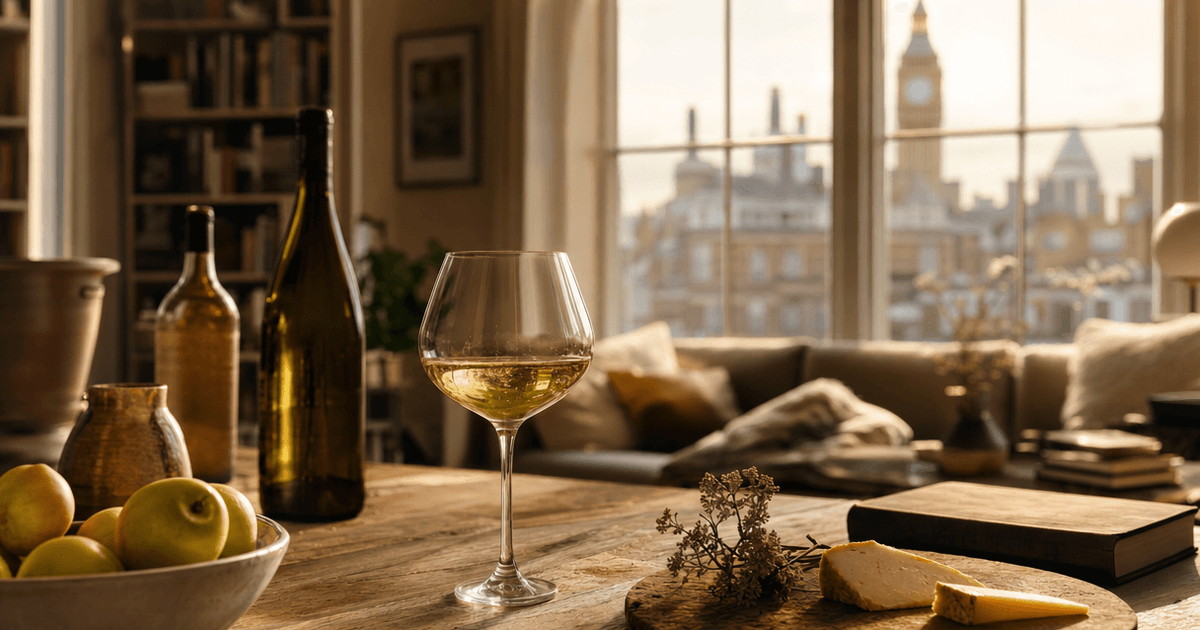
Chardonnay styles run from bone-dry and steely to rich, buttery and toasted — and that spread is exactly why the grape confuses so many people. Chardonnay is a green-skinned grape from Burgundy with almost no aroma of its own; what lands in your glass is really a record of where it grew and what the winemaker chose to do with it. It’s a mirror, not a megaphone. By the end of this you’ll know which style suits a Tuesday supper and which one deserves your good glasses and a bit of patience.
What are the different styles of Chardonnay?
Chardonnay styles split broadly into three camps: lean and unoaked, textured with some oak and lees work, and full-bodied with new oak and malolactic fermentation running hard. Climate does most of the heavy lifting — cooler sites like Chablis or the Yarra Valley keep things citrus and green apple, warmer ones push towards peach, pineapple and fig. Winemaking then sharpens or softens that base.
The tools a winemaker reaches for matter almost as much as the postcode. Malolactic conversion (softening sharp malic acid into softer lactic acid) is what gives some Chardonnays that faint popcorn or butter note — full malolactic in a warm-climate wine, none at all in a cool one built for acidity, or “partial,” a trick I’ve heard more than one New Zealand winemaker describe, blending malo’d and non-malo’d parcels to taste. Lees contact (ageing the wine on its spent yeast) adds weight and, sometimes, a flinty, struck-match whiff. Oak, new or old, French or otherwise, brings vanilla and spice if it’s new, or almost nothing but gentle texture if it’s tired old wood.
I sold Chardonnay badly for years by treating “oaked” and “unoaked” as the only two settings. It’s a dial, not a switch — in Marlborough alone you’ll find everything from simple unoaked stone-fruit Chardonnay to serious, barrel-fermented, lees-stirred bottles that could sit next to a mid-weight white Burgundy. Barossa and the Yarra Valley tell a similar story: the region moved away from big, tropical, heavily oaked Chardonnay towards something leaner, then found a happy middle — ripe peach and grapefruit fruit, balanced acidity, oak used with restraint. You’ll find much the same range at a supermarket shelf, a specialist wine merchant, or a Wine Society list — the trick is reading the label for clues, not the region alone. Our Oak in Chardonnay guide goes deeper into spotting those clues.
What are the different levels of Chardonnay wine?
Chardonnay’s quality levels roughly track how much handwork and how many years went in. Entry-level wines are made to drink now — soft, easy, medium acidity, sometimes a touch of sweetness, often no oak at all. Mid-tier wines add some oak influence and riper fruit. Premium examples are barrel-fermented, lees-aged, built with a specific site in mind, and can improve in bottle for a decade or more.
| Level | Typical shape | Oak | Malolactic | What you’ll taste |
|---|---|---|---|---|
| Entry | budget, drink young | none, or chips/staves | rare | soft fruit, easy acidity |
| Mid-tier | mid-price | old oak or gentle new oak | partial | riper stone fruit, balance |
| Premium | top-end, ageable | barrel-fermented, new oak | often full | texture, spice, savoury depth |
That table is a shape, not a rulebook — plenty of mid-priced Chardonnay from a good site outperforms a lazily made “premium” one. But it’s a useful map when you’re standing in front of a shelf with six bottles and no clue where to start.
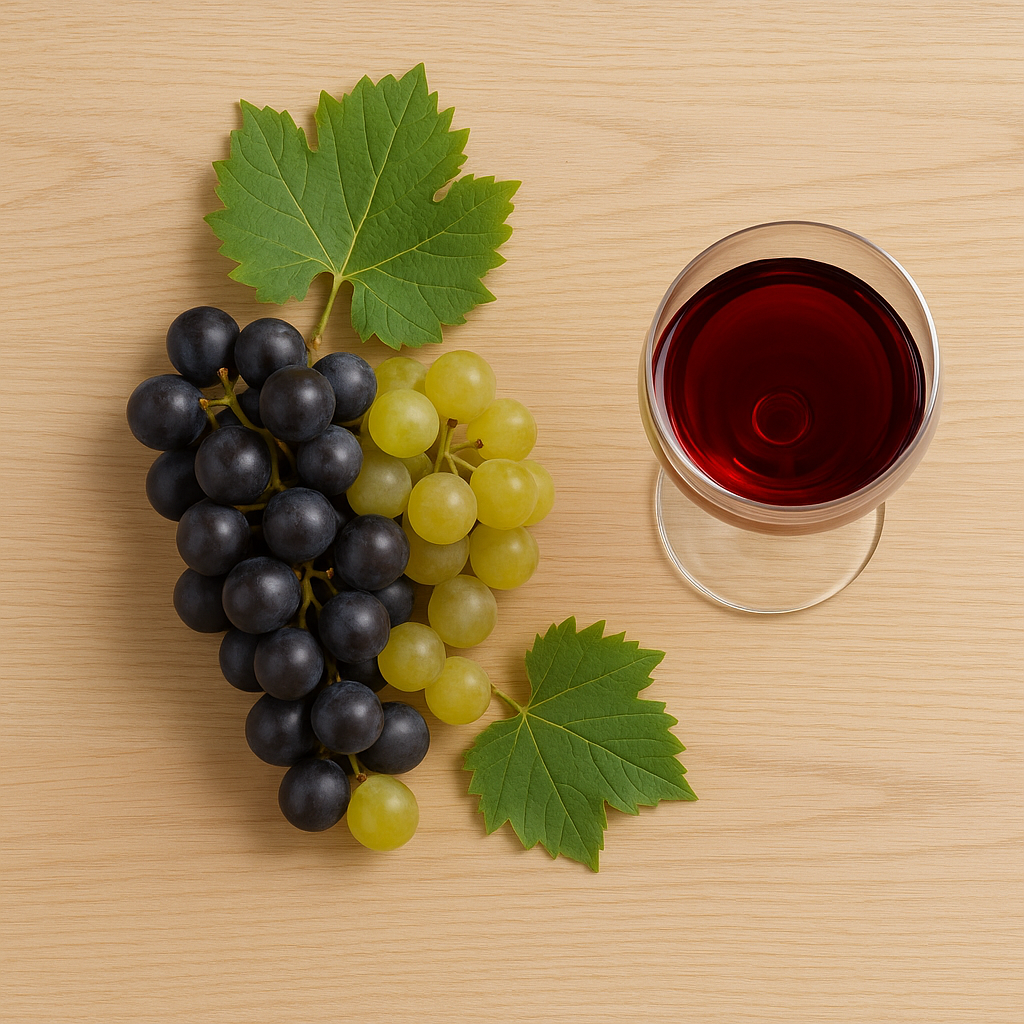
What are the 4 types of Chablis?
Chablis runs four levels: Petit Chablis, Chablis, Premier Cru and Grand Cru. Petit Chablis comes from the outer, often flatter land; village-level Chablis is the broad heartland; Premier Cru comes from named slopes with better exposure; Grand Cru comes from a small band of vineyard sites on a single south-facing hillside above the town. Quality and price climb the ladder in roughly that order.
Chablis is the one serious Chardonnay region that doesn’t automatically reach for oak. Producers chasing the purest expression of the place — that firm acidity and the stony, gunflint character locals call goût de pierre à fusil — tend to favour stainless steel over barrel. Others do use oak, older barrels mostly, to round things out without masking that mineral edge. Either way, Chablis is Chardonnay stripped back to site and acid, which is precisely why it makes such a good yardstick for understanding the grape. We’ve written a whole guide on that: Chablis: the purest Chardonnay?
Picking a style for tonight’s glass
Match the wine to the plate before you match it to the label. A lean, unoaked Chardonnay — cold, in a decent-sized glass — sits well next to a simple grilled fish or a bowl of moules. A textured, lightly oaked mid-tier bottle handles roast chicken, a creamy risotto, or that Tuesday pan of mushrooms and butter without either side shouting over the other. Save the big, barrel-fermented, full malolactic style for something rich — a proper cheese board, or lobster with drawn butter — and give it a slightly higher serving temperature so the oak and texture can actually show.
Don’t chill Chardonnay to the point of numbness. Straight from the fridge door, the oaked styles in particular go flat and mute; ten minutes out before pouring makes a real difference. If you’re buying to lay down rather than drink this month, premium Chablis Grand Cru and top Australian or New Zealand Chardonnay are the safer bets — the acidity and structure that let them age is exactly what the entry-level wines are built without.
Questions customers ask us
What are the 7 types of white wine? There’s no single official list, but the trade shorthand usually runs light aromatic, light neutral, full aromatic, full neutral, oaked, sparkling and sweet. Chardonnay alone can fill at least four of those boxes depending on how it’s made, which tells you a lot about its range.
Why did Chardonnay get such a bad name? Big, oaky, buttery Chardonnay dominated shelves in the 1980s and 90s and became, for a lot of drinkers, the only style they’d ever tried. The “ABC — Anything But Chardonnay” habit followed. Most producers moved on decades ago; the reputation took longer to catch up.
Is white Burgundy the same as Chardonnay? Yes — white Burgundy is Chardonnay, just labelled by village or vineyard rather than by grape, which is why some drinkers don’t realise it. If Chardonnay’s reputation still puts you off, our guide to Aligoté, Burgundy’s other white grape, is worth a look — same region, different personality entirely.
Does Chardonnay show up in Champagne? Yes, and it’s one of the three main grapes there. In the Côte des Blancs it tends to give high-acid, chalky, citrus-driven wines; in warmer pockets it leans more tropical — proof the site-versus-grape story holds even in sparkling wine.
For the bigger picture on how any grape ends up tasting the way it does, our Grape Guide is the place to start.
The merchant’s last word
I still meet people who swore off Chardonnay once, in about 1998, and never looked back. Fair enough — that oaky, tropical style is real, and it’s not for everyone. But it’s one style among many, not the whole grape. Try a lean Chablis next to a barrel-fermented New Zealand bottle and you’ll see what I mean. Go on, browse the grape variety cellar and find your camp.



