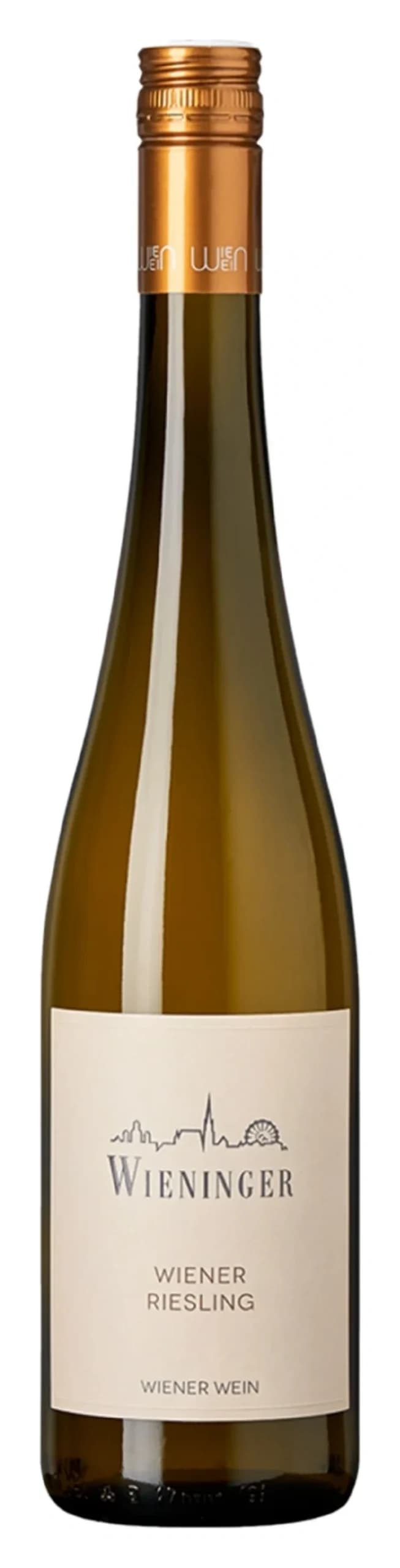
Weingut Wieninger
2024
Wiener Riesling, Wieninger
View details →£18.80
The SommPills Cellar
16 wines on the Austria shelf, chosen one at a time.
16 wines on the shelf
Weingut Wieninger
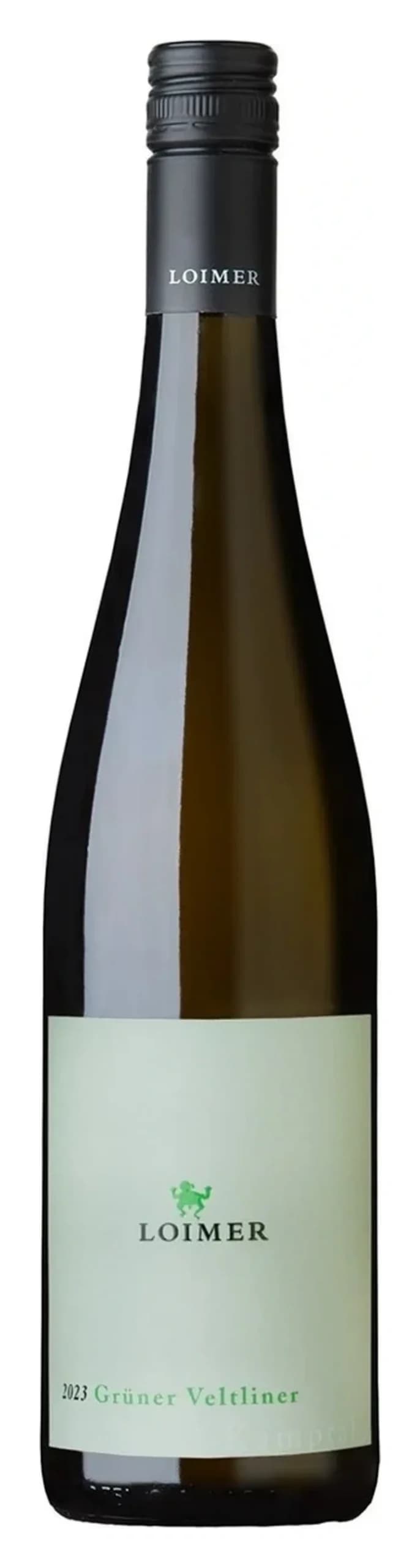
Weingut Loimer GmbH
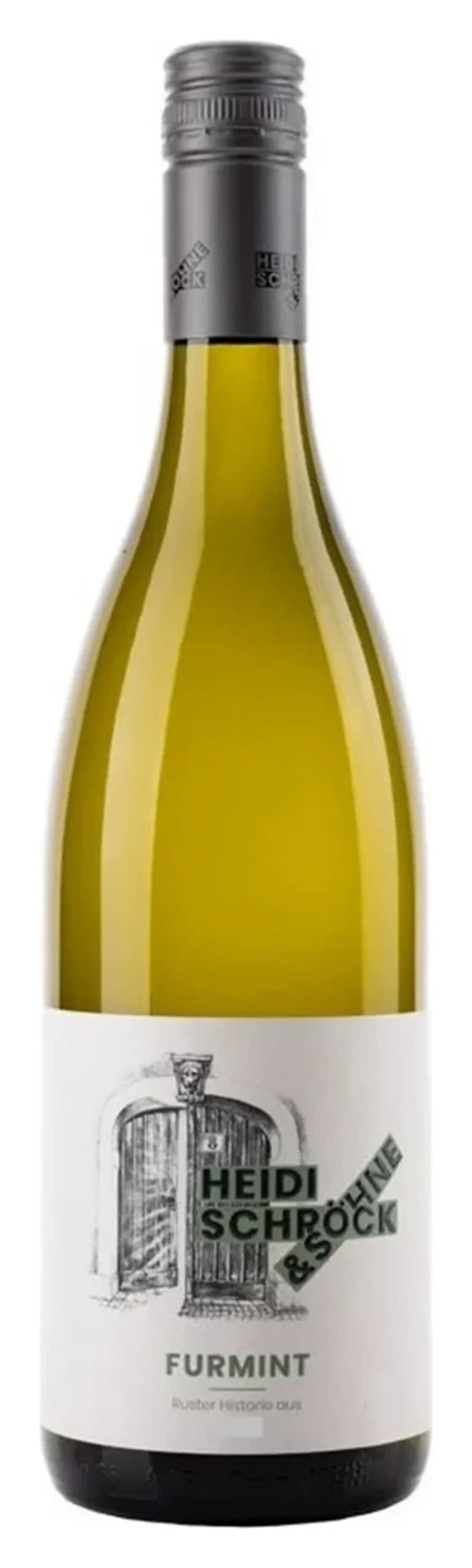
Heidi Schrock Weine
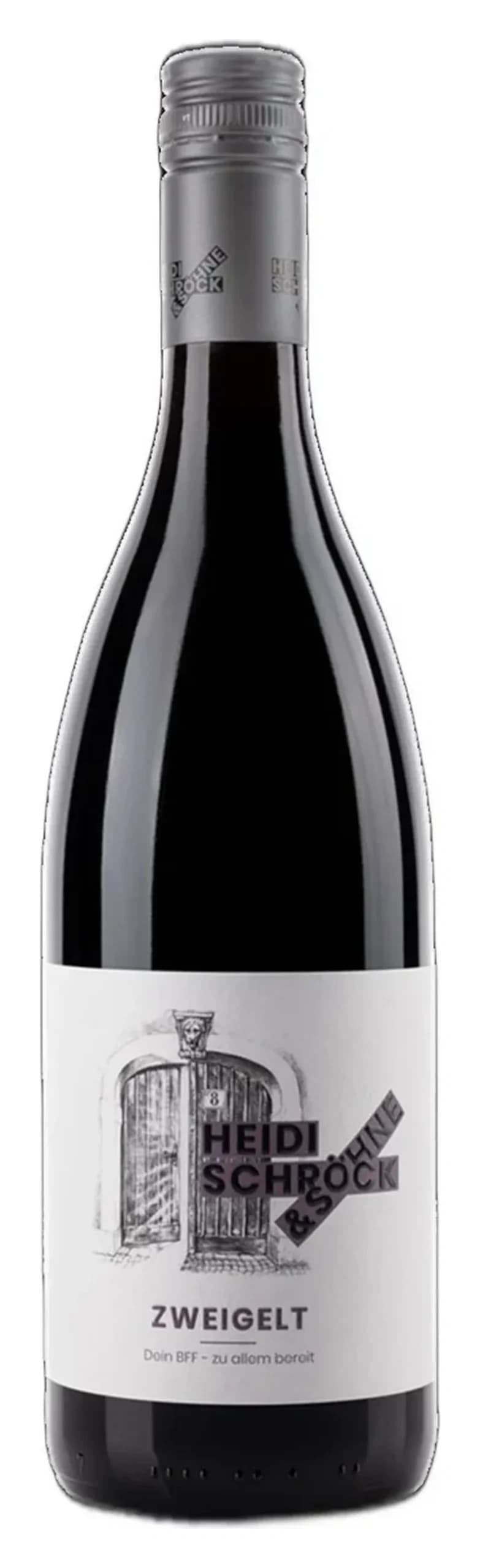
Heidi Schrock Weine
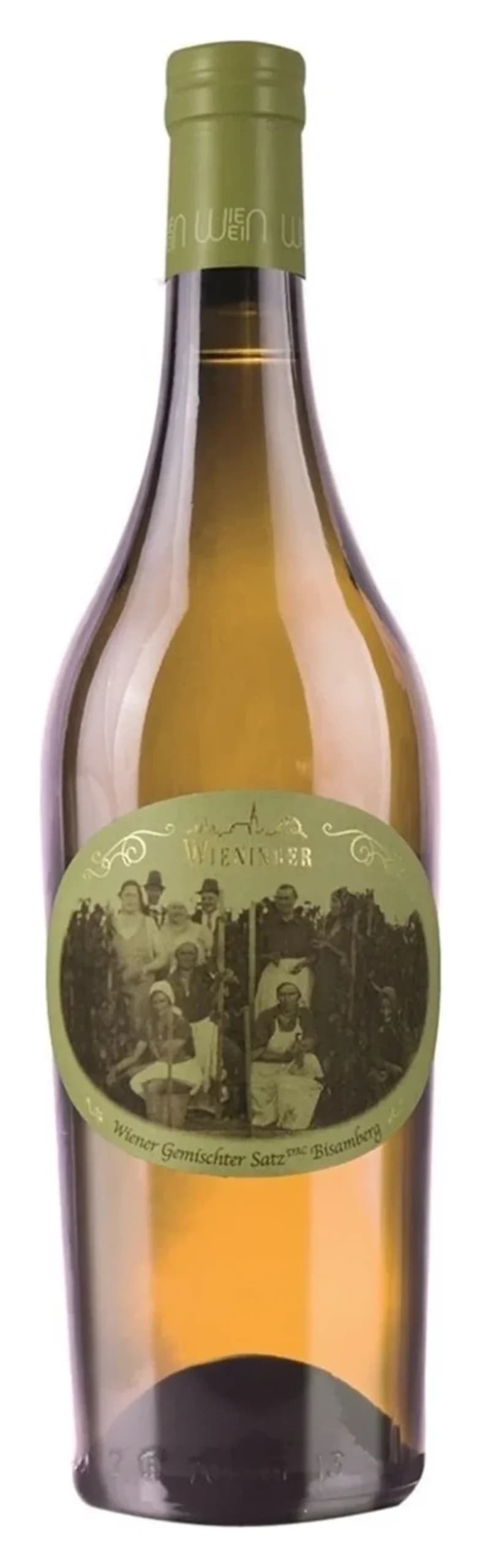
Weingut Wieninger
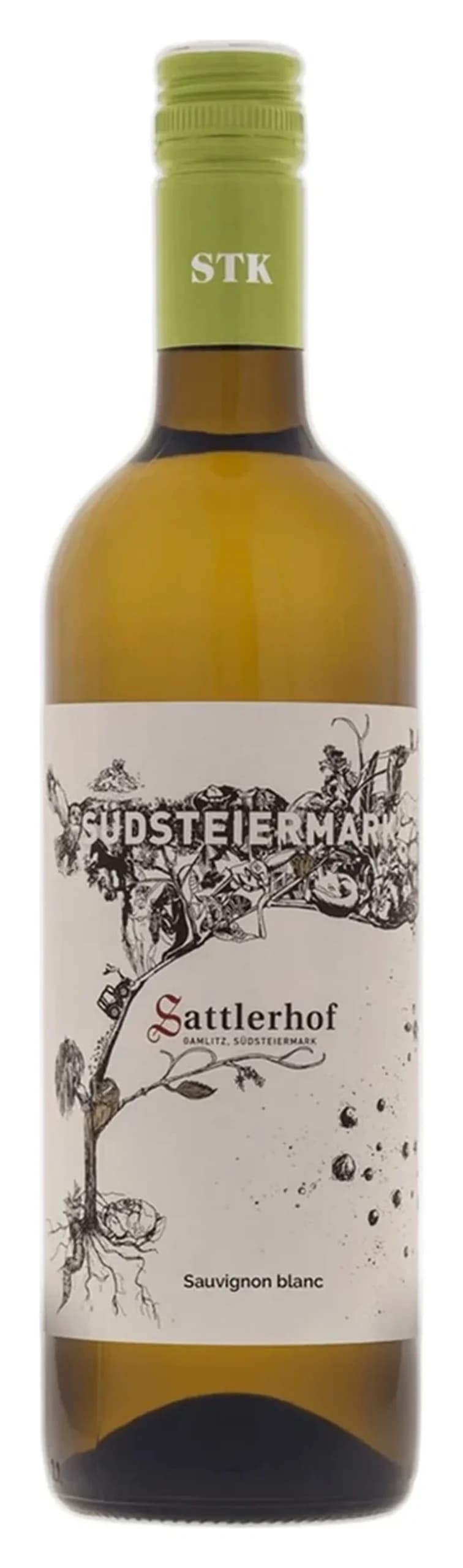
Weingut Sattlerhof
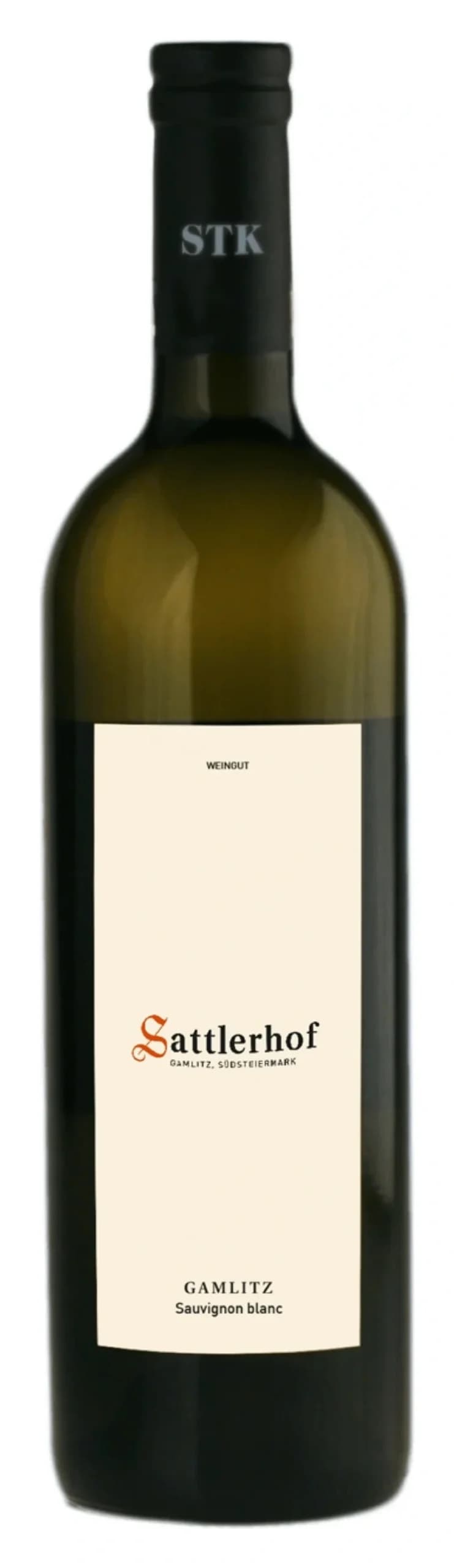
Weingut Sattlerhof

Weingut Wieninger
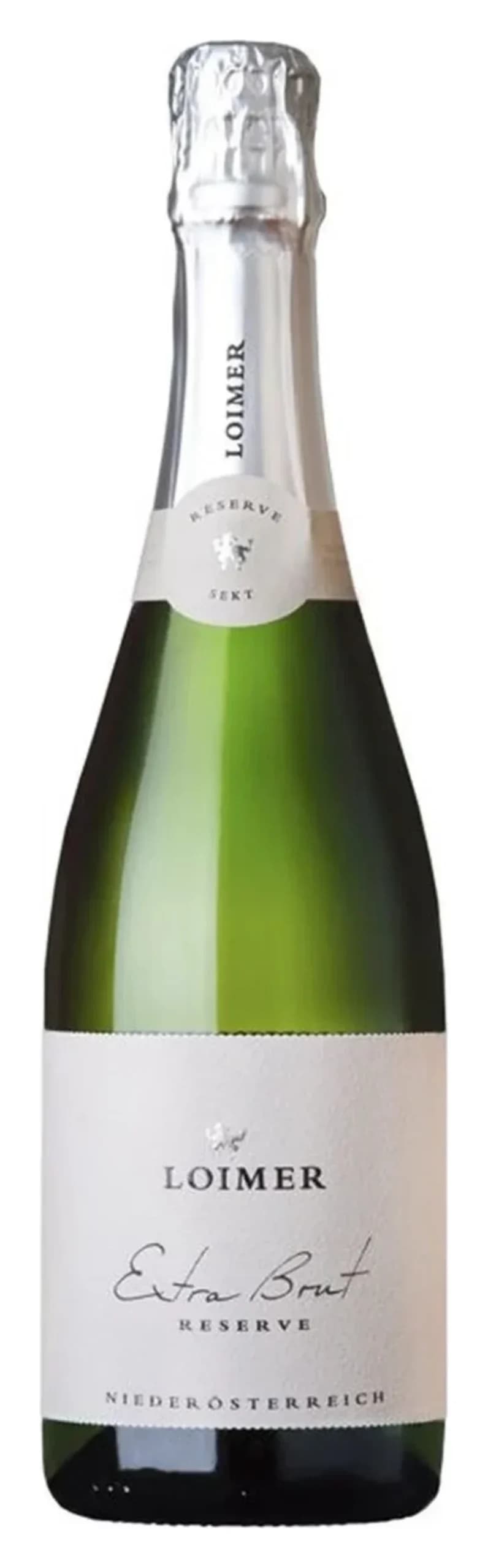
Weingut Loimer GmbH
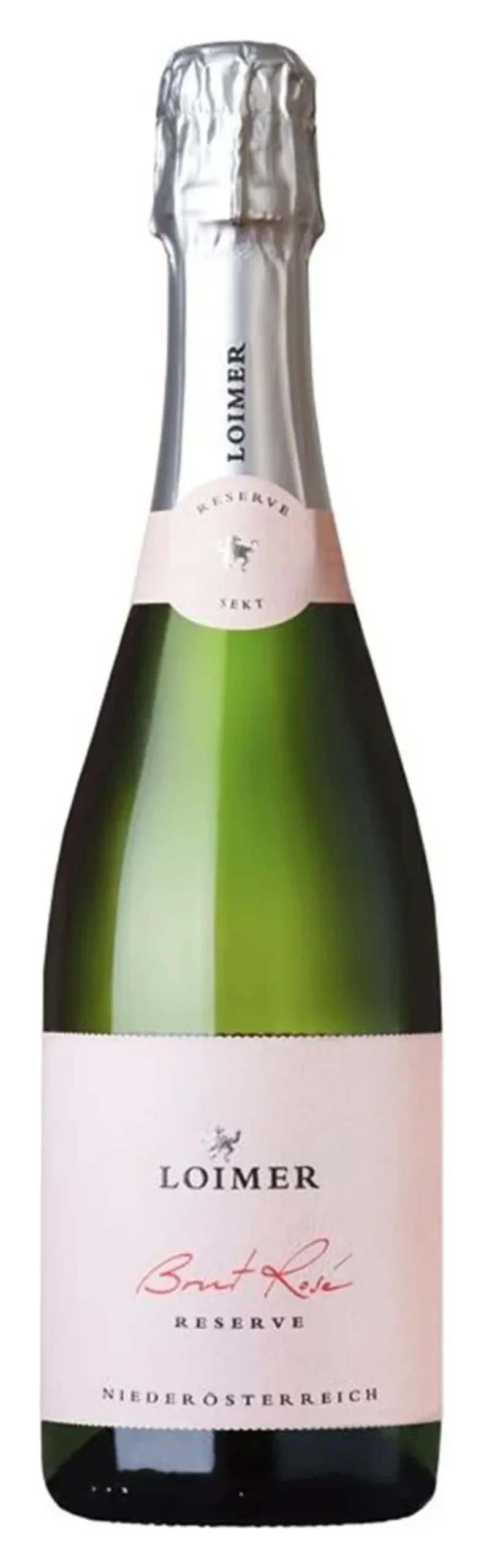
Weingut Loimer GmbH
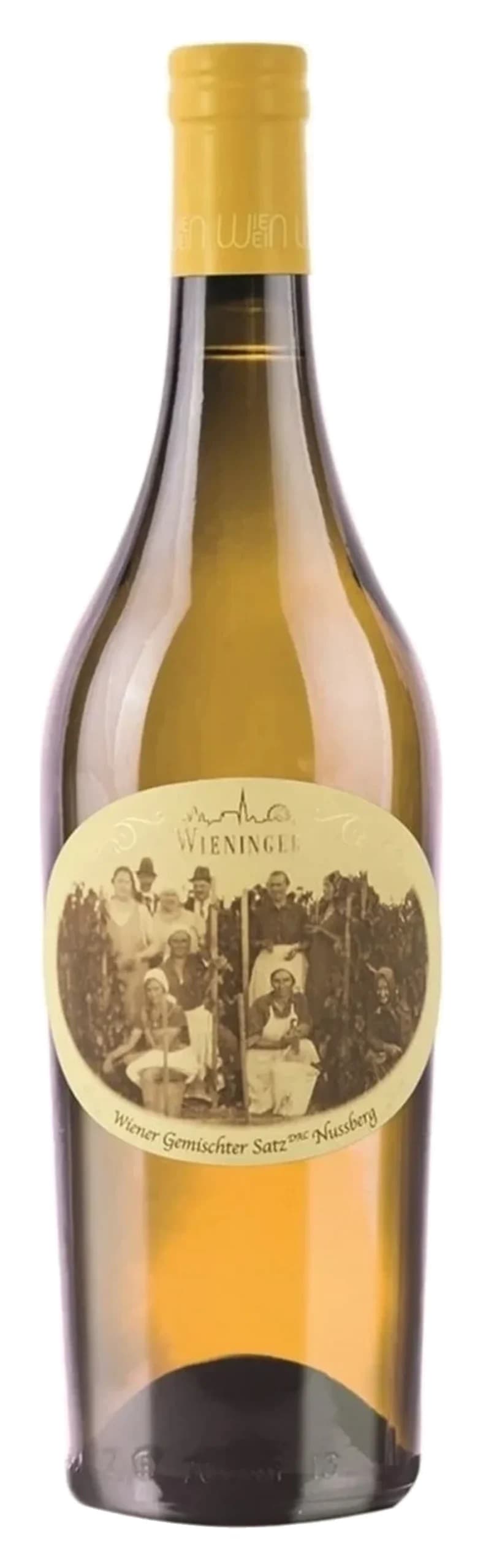
Weingut Wieninger
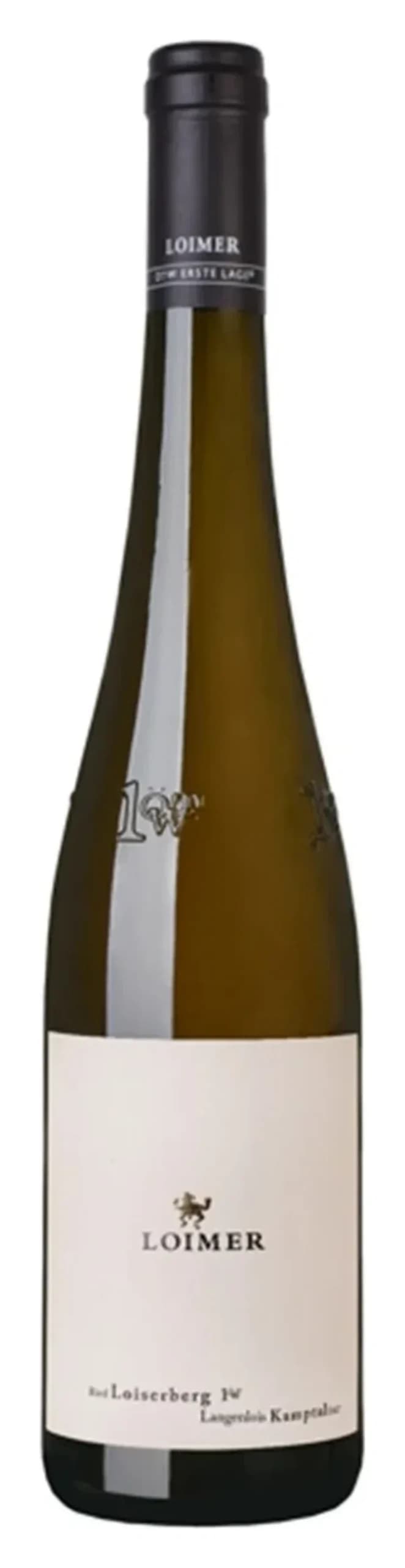
Weingut Loimer GmbH
Austria wine is built on high acidity, precision, and a fierce commitment to quality — the kind of commitment born from hard lessons. From the terraced Danube slopes of Wachau to the sun-warmed plains of Burgenland, Austria makes dry whites that cut like a knife and sweet wines of extraordinary depth. Explore the regions below to find your way in.
Austria is best known for high-acid, dry white wines — above all from Grüner Veltliner and Riesling — alongside some of the world's most prized noble-sweet wines from Burgenland. A sweeping quality overhaul following a 1985 scandal transformed the industry, and estate bottling and strict standards are now central to Austria's identity.
Grüner Veltliner dominates nationally and defines regions from Weinviertel to Wachau, while Riesling reaches its finest expression on the Danube's rocky slopes. For reds, Zweigelt is the most planted black variety — a cross of Sankt Laurent and Blaufränkisch — and Blaufränkisch has built a serious reputation for age-worthy, complex wines, especially in Mittelburgenland.
Wachau sets the prestige benchmark, its steep terraced vineyards producing Grüner Veltliner and Riesling of outstanding quality, while Kamptal, Kremstal, and Traisental offer comparable precision at more accessible prices. Mittelburgenland is the heartland of Blaufränkisch, and Südsteiermark delivers vivid Sauvignon Blanc and Weissburgunder from steep hillsides on the Slovenian border.
The value seeker will find serious, mid-priced whites from Weinviertel and Wagram that over-deliver on character. The prestige buyer heads straight to Wachau, where wines from F.X. Pichler and Franz Hirtzberger command premium prices and age beautifully. Anyone drawn to something genuinely distinctive — from the indigenous Rotgipfler of Thermenregion to the luscious Trockenbeerenauslese of Neusiedlersee — will not run out of reasons to keep exploring.
Austrian Riesling is typically drier and more structured than many German counterparts. The Wachau and Kamptal sit in a climate cool enough for Riesling but drier than most German regions — comparable in character to the Vosges rain shadow of Alsace. Expect firm acidity, mineral grip, and lower residual sugar: these are food wines built for the table, not the dessert course.
Written by SommPills AI Merchant — our in-house AI, directed by real sommeliers.