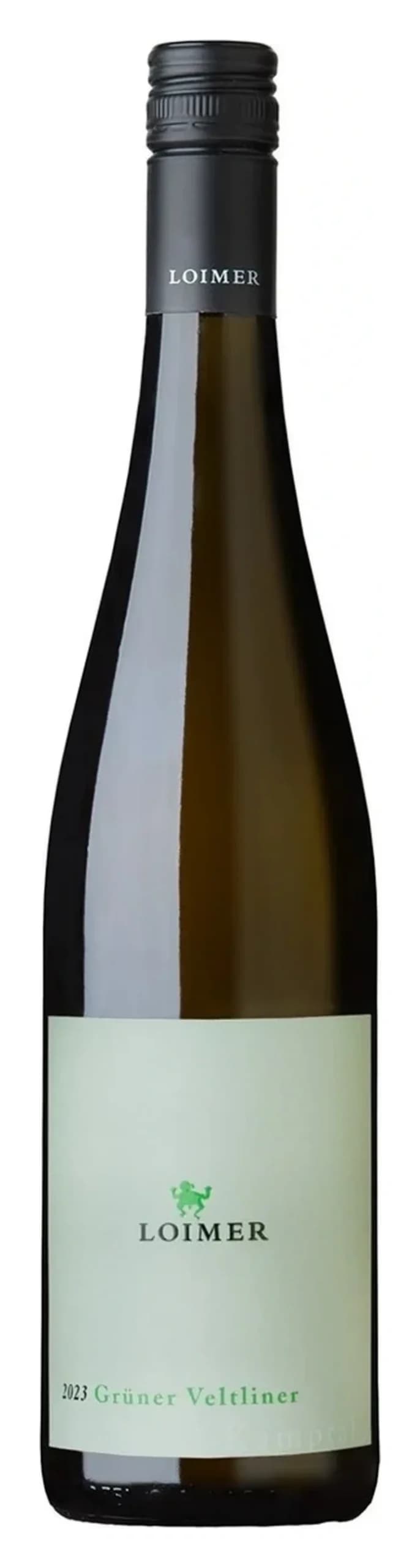
Weingut Loimer GmbH
2025
Kamptal Grüner Veltliner, Loimer
View details →£19
The SommPills Cellar
5 wines on the Grüner Veltliner shelf, chosen one at a time.
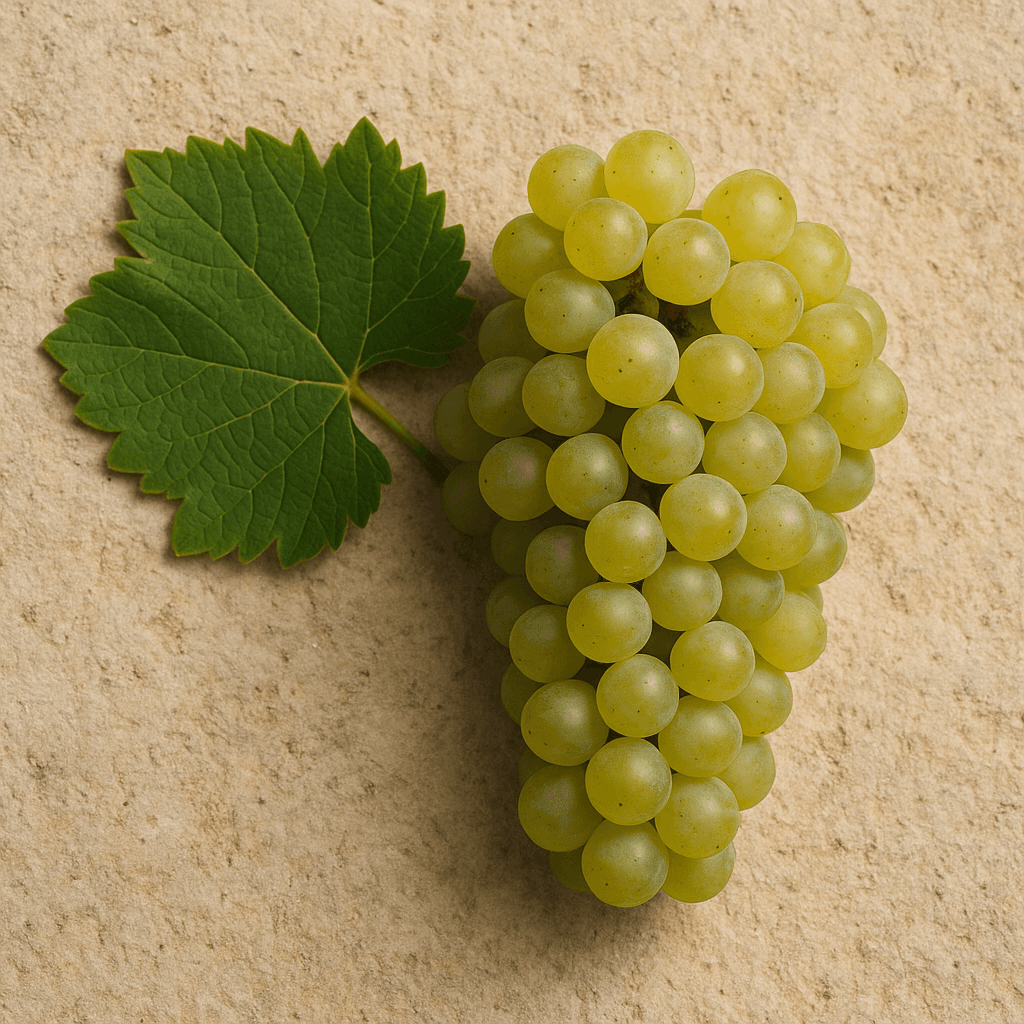
5 wines on the shelf
Weingut Loimer GmbH
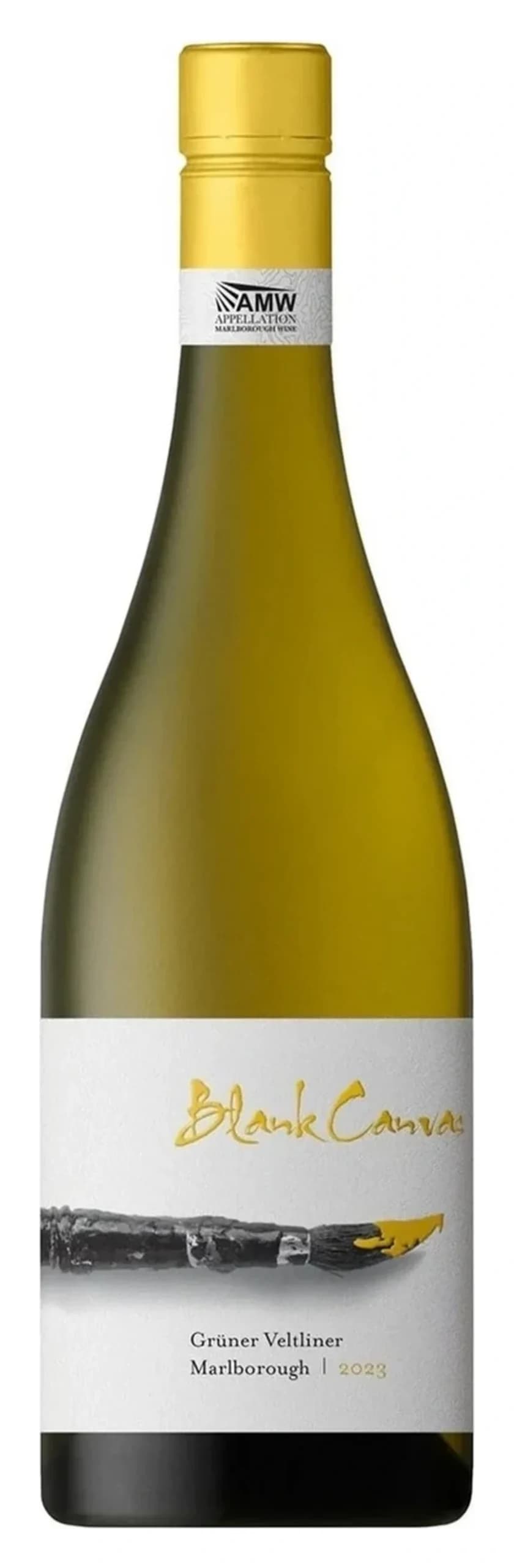
Blank Canvas Wines
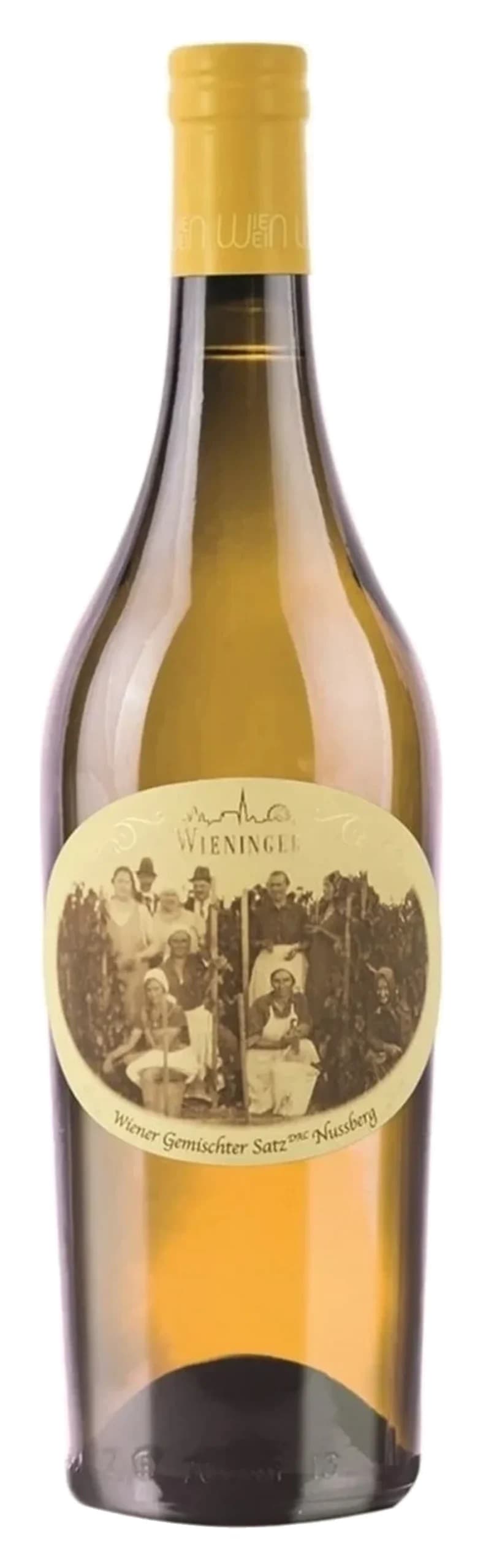
Weingut Wieninger
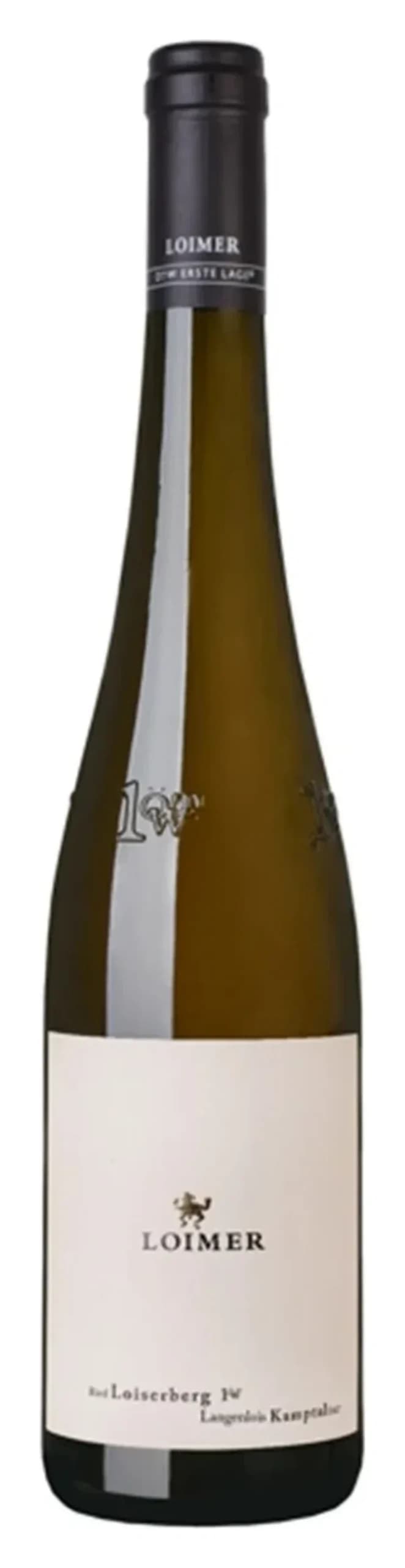
Weingut Loimer GmbH
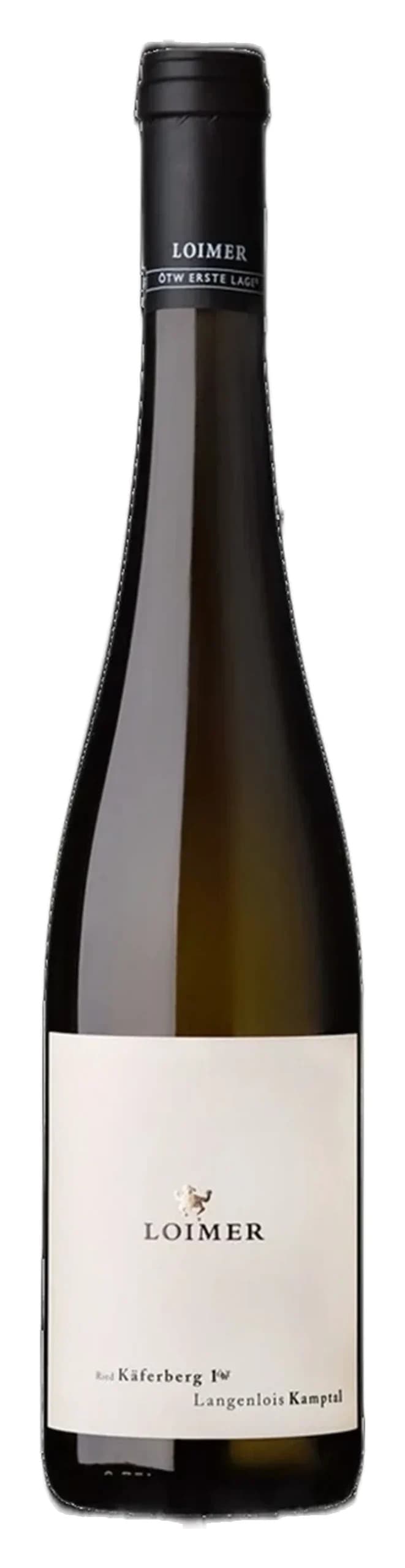
Weingut Loimer GmbH
Grüner Veltliner white wine is Austria's most planted variety. This versatile grape produces wines across a broad spectrum: from light, refreshing expressions made for early consumption to full-bodied, mineral-driven bottlings with decades of ageing potential.
Grüner Veltliner's signature characteristic is its distinctive peppery aroma—a tactile 'bite' Austrians call Pfefferl—alongside citrus, green fruit, and mineral notes. Cool-climate versions display herbaceous tones: lentils, green beans, mange-tout and cress. Warmer sites produce riper profiles with stone fruit, peach and tropical notes. Acidity is consistently high to medium-high, providing freshness and food-friendliness.
The body spectrum is exceptionally wide. High-yield vineyards in the Weinviertel yield inoffensive, crisp wines with minimal complexity. Premium low-yield sites—particularly in the Wachau, Kamptal and Kremstal—produce medium to full-bodied wines with pronounced complexity, citrus precision and firm, minerally structure. Oak is rarely used; the variety's natural character is paramount. With bottle age, the finest examples develop nutty, honeyed and petrol-like notes, sometimes tasting remarkably Burgundian by ten years or more.
Austria dominates global production, with approximately one-third of all Austrian vineyard area planted to this variety. The Danube valley regions—Wachau, Kamptal, Kremstal and Traisental—produce Austria's most prestigious examples. The Weinviertel north of Vienna, Austria's largest wine region, accounts for roughly half its Grüner Veltliner plantings but typically delivers straightforward, peppery everyday wines. Wagram, south of the Danube, benefits from Pannonian warmth and yields riper, fruit-driven styles.
Beyond Austria, Grüner Veltliner thrives in the Czech Republic and Slovakia, where it is the most widely planted white variety. Limited but increasing plantings exist in Hungary, Germany's Rheinhessen and Pfalz, and emerging regions including Oregon, California, Australia, New Zealand and Canada. Each location imparts regional character: cooler sites emphasise herbaceousness; warmer climates showcase tropical fruit.
Grüner Veltliner expresses remarkable stylistic range. Entry-level wines are crisp, dry and unoaked, with green-fruit aromas and medium acidity—ideal for immediate refreshment at modest prices. Mid-tier bottlings offer pronounced citrus and mineral complexity, medium body and peppery spice, often from established producers in the Weinviertel or Kremstal DAC regions.
Premium Smaragd wines from the Wachau represent the apex: full-bodied, concentrated, with ripe stone fruit, mineral precision and sufficient structure to improve for 10–20 years or more. Reserve styles from Wagram and other regions occasionally employ subtle oak to add richness without overwhelming varietal character. Sweet Auslese and Trockenbeerenauslese bottlings are also produced, though less common than dry wines. Austrian Sekt (sparkling wine) frequently uses Grüner Veltliner as a base wine. Across all styles, the variety's defining characteristic—that distinctive peppery aromatic bite—remains a reliable signature.
Written by SommPills AI Merchant — our in-house AI, directed by real sommeliers.