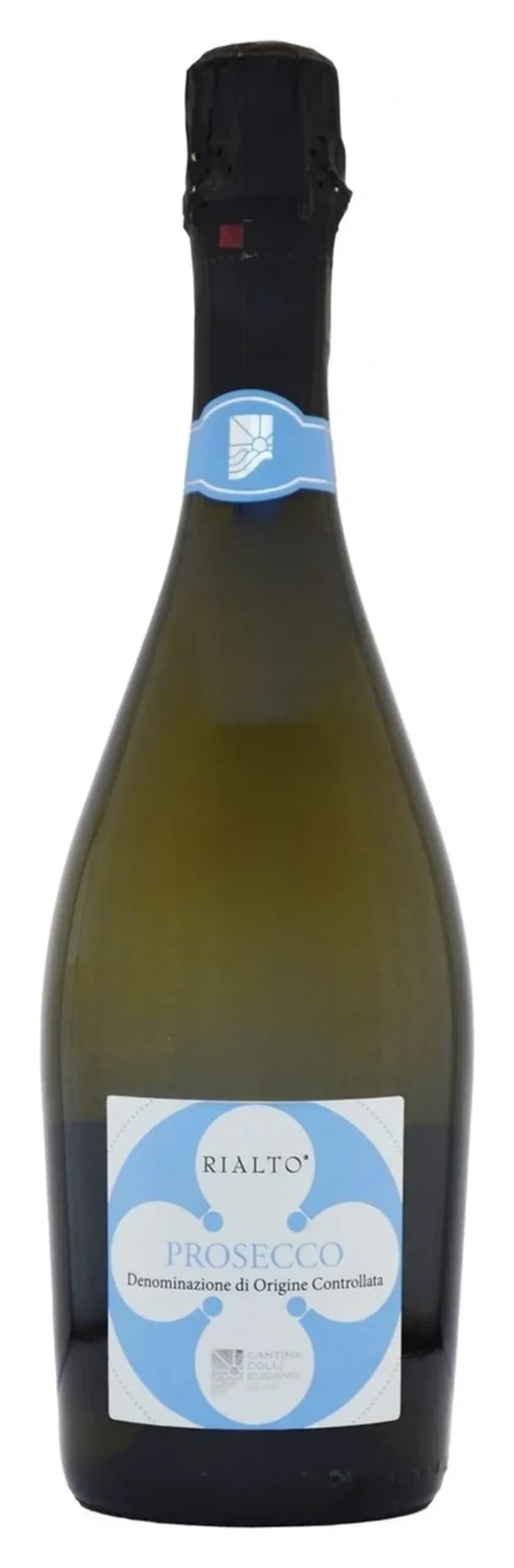
Cantina Colli Euganei
NV
Prosecco Spumante Extra Dry, Cantina Colli Euganei
View details →£16.55
The SommPills Cellar
6 wines on the Glera shelf, chosen one at a time.
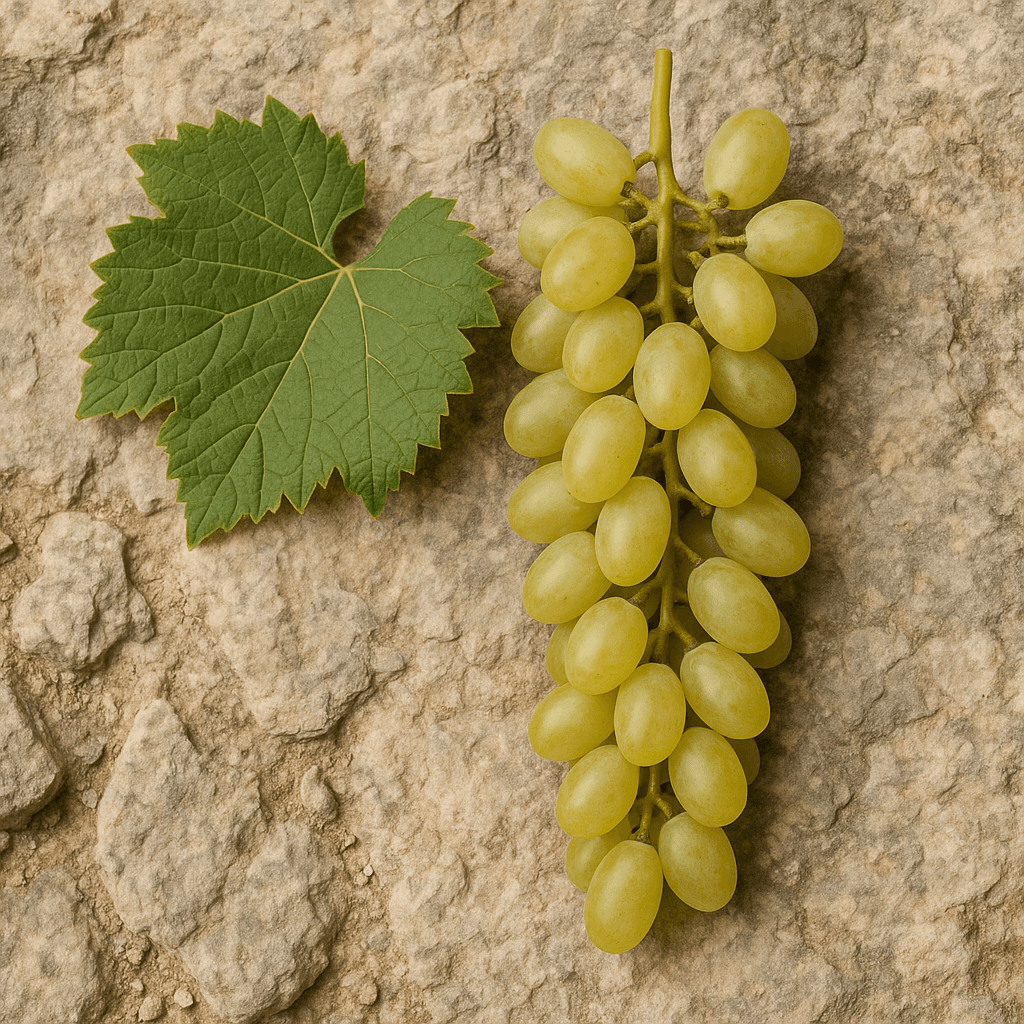
6 wines on the shelf
Cantina Colli Euganei
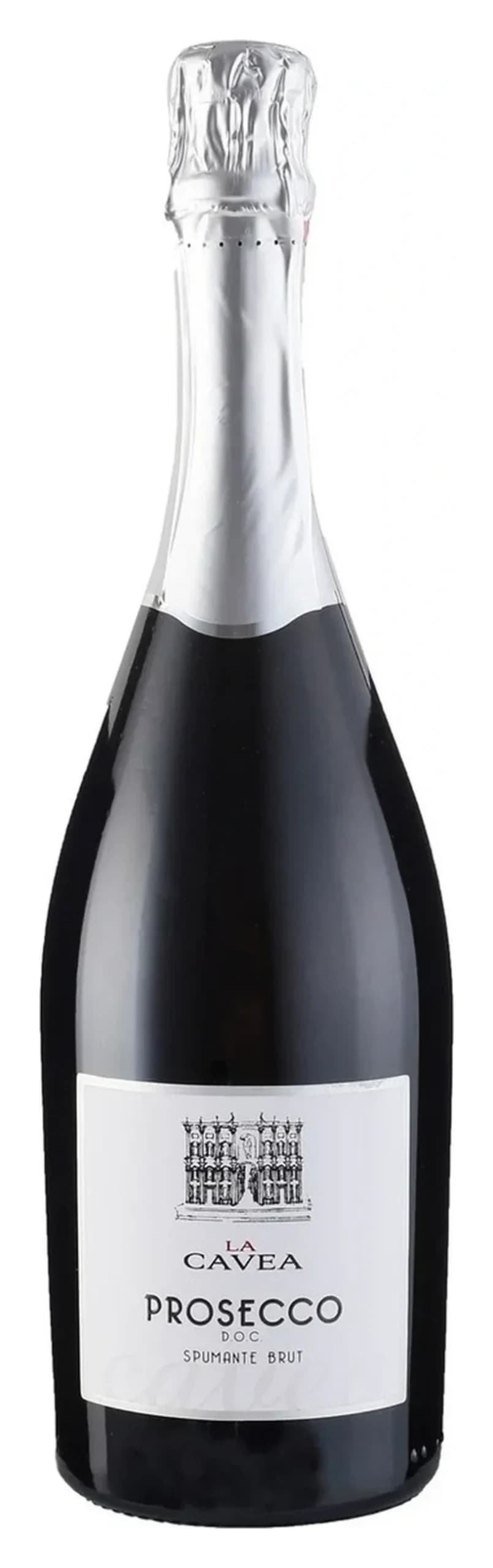
La Cavea
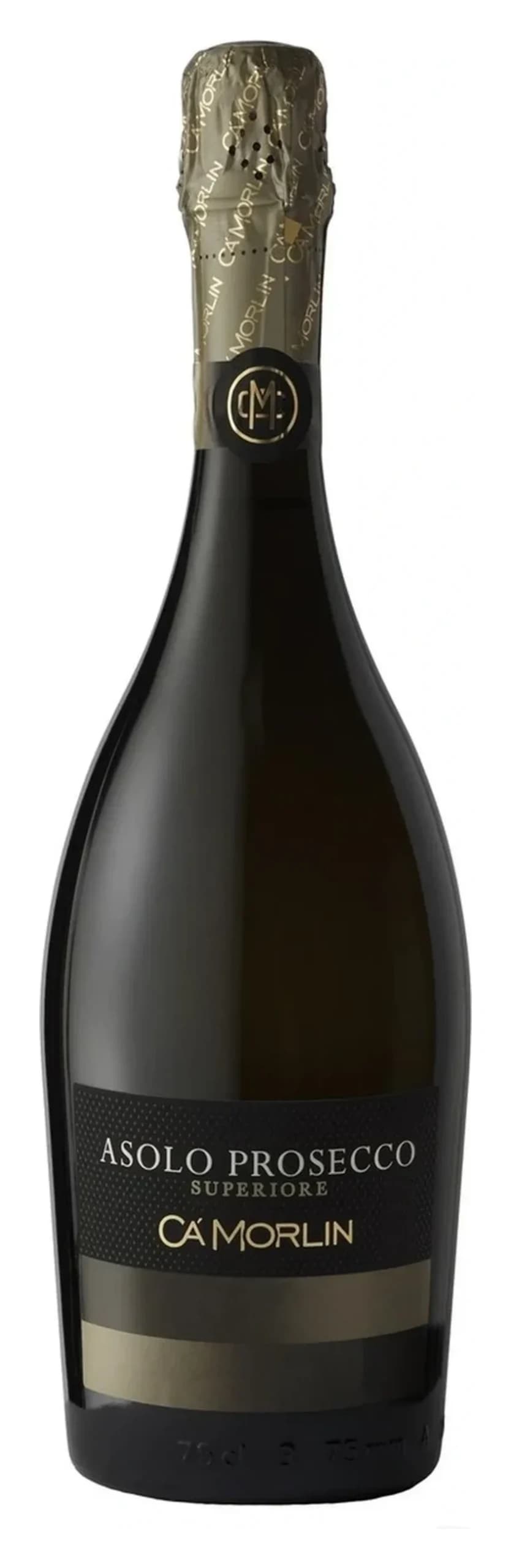
Ca' Morlin
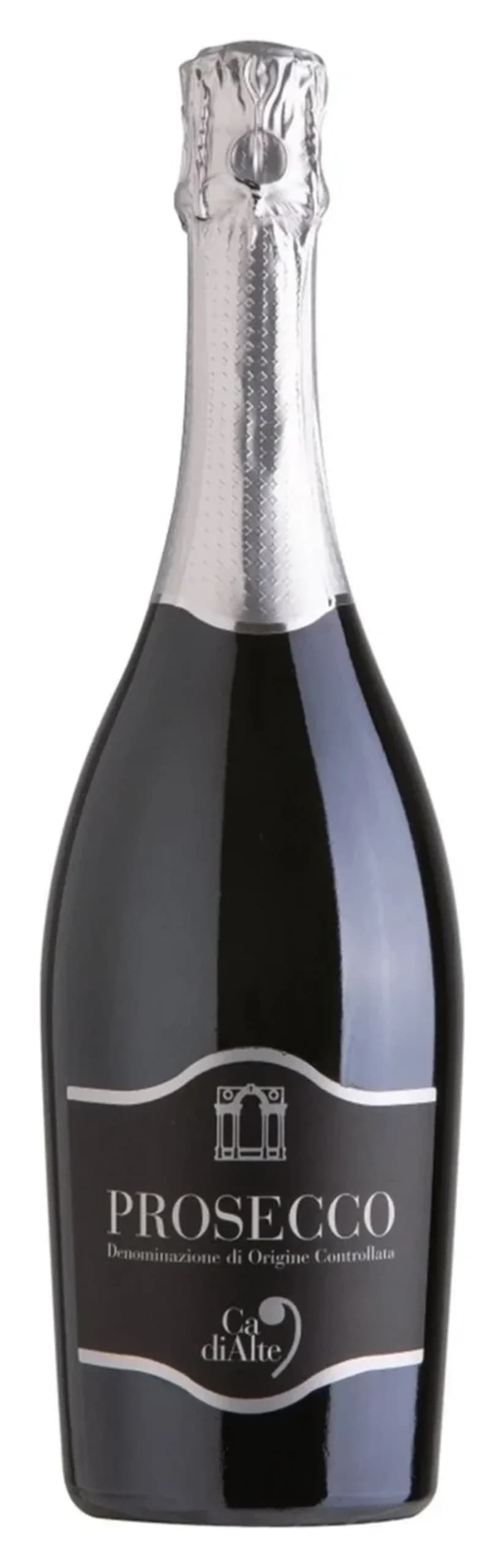
Ca' di Alte
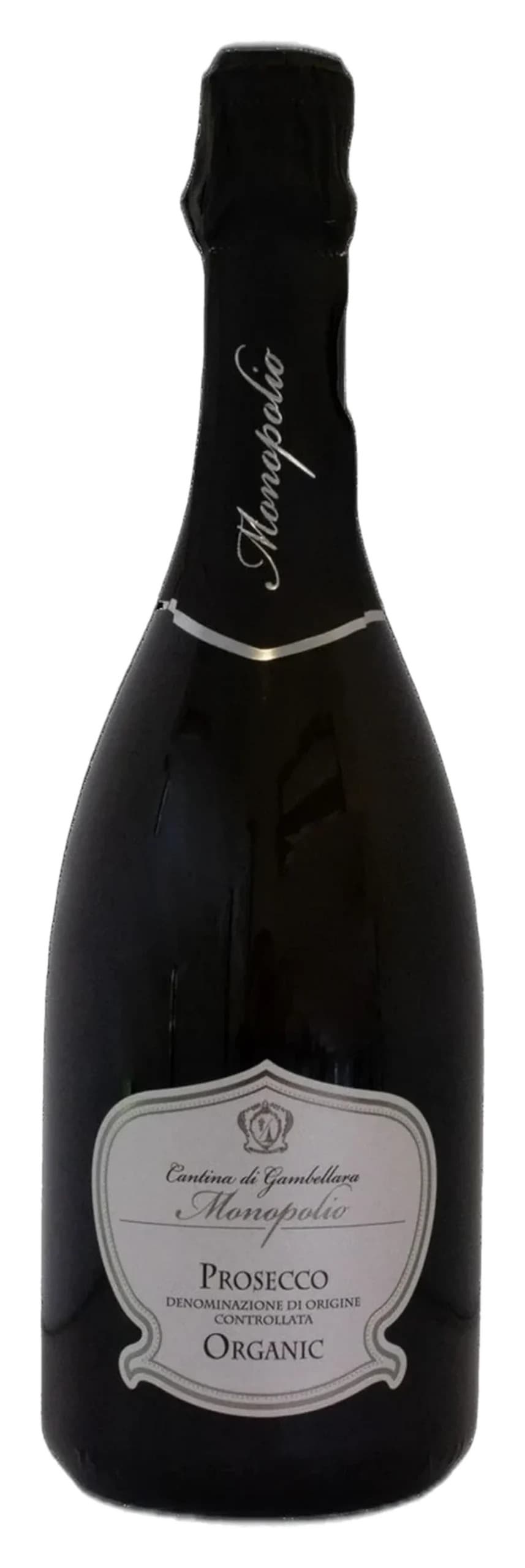
Cantina di Gambellara s.a.c.
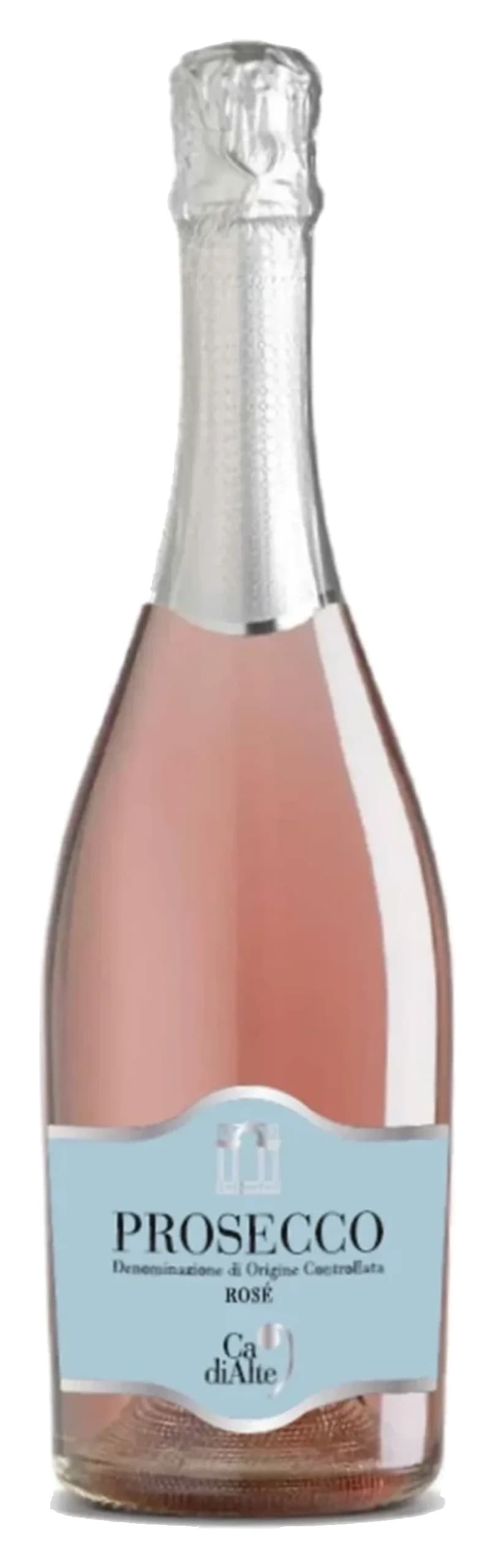
Ca' di Alte
Glera is the primary white grape variety cultivated across northeast Italy, particularly in the Veneto and Friuli regions. Originally known as Prosecco, the variety was officially renamed Glera in 2009 to secure geographical protection for the Prosecco appellation. DNA profiling has revealed Glera to be a natural offspring of the now-extinct Austrian variety Vulpea, with genetic links to Croatian Teran Bijeli and Slovenian cultivars.
Glera presents a neutral to semi-aromatic character with delicate primary aromas. Typical flavour notes include orchard fruits—particularly apple and pear—alongside hints of white peach and subtle floral undertones. The grape naturally carries moderate to medium-plus acidity, which forms the backbone of sparkling wines made from this variety. Body ranges considerably: tank-method Prosecco from the cooler hillside zones of Conegliano-Valdobbiadene displays a lighter frame with crisp, refined structure, whilst fruit from the warmer plains produces rounder, slightly riper expressions with medium body.
Acidity remains the defining characteristic across all climatic expressions. In cooler sites at higher elevation, acid profiles are pronounced and mineral-driven. Warmer, lower-altitude vineyards yield riper fruit with softer acidity, though still maintaining freshness. Because Glera is relatively neutral, winemaking choices—particularly residual sugar level and time on lees—heavily influence final palate impression.
By 2015, Glera plantings in Italy reached nearly 20,000 hectares, with the vast majority concentrated in the Veneto region. The classic heartland lies in the hills between Conegliano and Valdobbiadene, now elevated to DOCG status, where steep terraced vineyards at 50–500 metres elevation produce wines of greater intensity and definition than lowland fruit. The Asolo Prosecco DOCG zone, southeast of Treviso, follows similar topography with more restrained permitted yields. The expanded Prosecco DOC encompasses nine provinces from Belluno to Trieste, extending into flatter, more fertile soils of Friuli-Venezia Giulia. Limited plantings exist in Slovenia and Argentina, whilst Australian producers have experimented with tank-method examples, though many face naming restrictions.
Glera wines express themselves predominantly as sparkling beverages made via tank method (Charmat process), releasing primary fruit character without autolytic development. Sweetness ranges from Brut Nature (zero dosage) through Extra Dry (12–17 g/L residual sugar, the most common commercial style) to Demi-Sec. Frizzante (semi-sparkling) and spumante (fully sparkling) versions both appear widely. Since 2020, Prosecco Rosato—blending Glera with up to 15% Pinot Noir fermented as red wine—offers pink alternatives. Quality spans acceptable to very good: entry-level DOC wines are typically light, fruity, and inexpensive; DOCG Conegliano-Valdobbiadene examples display greater fruit intensity and complexity at mid-range pricing. Australian tank-method Gleras show medium acidity and medium body with delicate white peach character, produced by quality-focused small makers. Artisanal undisgorged styles (sui lieviti/col fondo), bottle-fermented and aged on lees for 90+ days, deliver dry, mineral-driven alternatives valued by adventurous drinkers.
Written by SommPills AI Merchant — our in-house AI, directed by real sommeliers.