
Vermentino wine is the grape that wants to see the sea — it does its best work within sight of a coastline, and it hands that coastline straight back to you in the glass, salt-tinged finish and all. It’s also the one I reach for myself on a warm Tuesday with a bag of prawns from the fishmonger two doors down. Vermentino is a dry, aromatic white grape grown mainly along the coasts of Sardinia, Liguria and Tuscany, with a serious foothold too in Corsica and southern France, where it’s labelled Rolle. Wines made from it are medium-bodied and almost always unoaked, built for drinking young rather than laying down for a decade. By the end of this you’ll know what’s actually in the glass, what to expect on the nose, and which region’s version suits your Friday fish supper best.
What kind of wine is Vermentino?
It’s a dry, aromatic white made from the Vermentino grape, grown mainly along Mediterranean coastlines. Sardinia holds the most plantings by some distance, followed by Tuscany, Liguria and Piedmont, with meaningful quantity too in Corsica and Provence. Most is steel-fermented and unoaked, built for drinking within a couple of years rather than laid down.
Nobody quite agrees where it came from. One theory has it arriving in Sardinia and Corsica from Spain sometime between the fourteenth and seventeenth centuries, though the vine has never actually turned up growing there itself. Others point to Greece or the Middle East. None of it is proven, and I rather like that a grape this coastal and this modest still keeps a bit of mystery about it.
What we do know is viticultural: it buds early, which makes it vulnerable to spring frost, and it’s prone to downy mildew. It ripens mid-season and, tellingly, performs best right on the coast — which is why the regional differences below read less like winemaking choices and more like different stretches of shoreline. If you enjoy understanding what’s actually in your glass by grape rather than by label, our Grape Guide: how a merchant reads a wine by its grape is worth ten minutes of your time.
What does Vermentino taste like?
Vermentino tastes bright and citrus-driven: lemon, green apple and ripe peach up front, white flowers on the nose, and a salty, almost iodine tang closing out the finish. Body sits medium, acidity runs fresh to firm, alcohol stays moderate — a wine that tastes distinctly of the coast it’s grown on. Many bottles carry a herbal lift too — wild fennel, rosemary, sometimes a whisper of almond right at the end.
Where it’s grown changes the picture more than most grapes I sell. Sardinian versions lean toward pear, apple and peach with a stony, wind-dried herbal quality — think dried lavender and sage, the sort of thing that genuinely tastes of an island scoured by sea wind. Liguria’s coastal examples, especially around the Colli di Luni, push harder on salinity, with a tighter, more citrus-driven core and that wild fennel note again. Coastal Tuscan Vermentino, grown low and close to the water for the cooling breeze, tends toward white flowers and peach with bright, uncomplicated acidity rather than bold, heavy fruit.
Winemaking keeps it honest, too. Most producers use only a short skin contact before pressing, ferment in steel rather than oak (oak tends to bury Vermentino’s more delicate aromas rather than flatter them), and increasingly work hard to limit the wine’s contact with air so those fresh, primary aromas survive to the bottle. The result, at its best, is a wine of real completeness — aroma, fruit, body and structure all present — with a faint elusive quality that keeps you going back for another sniff before you even drink it.
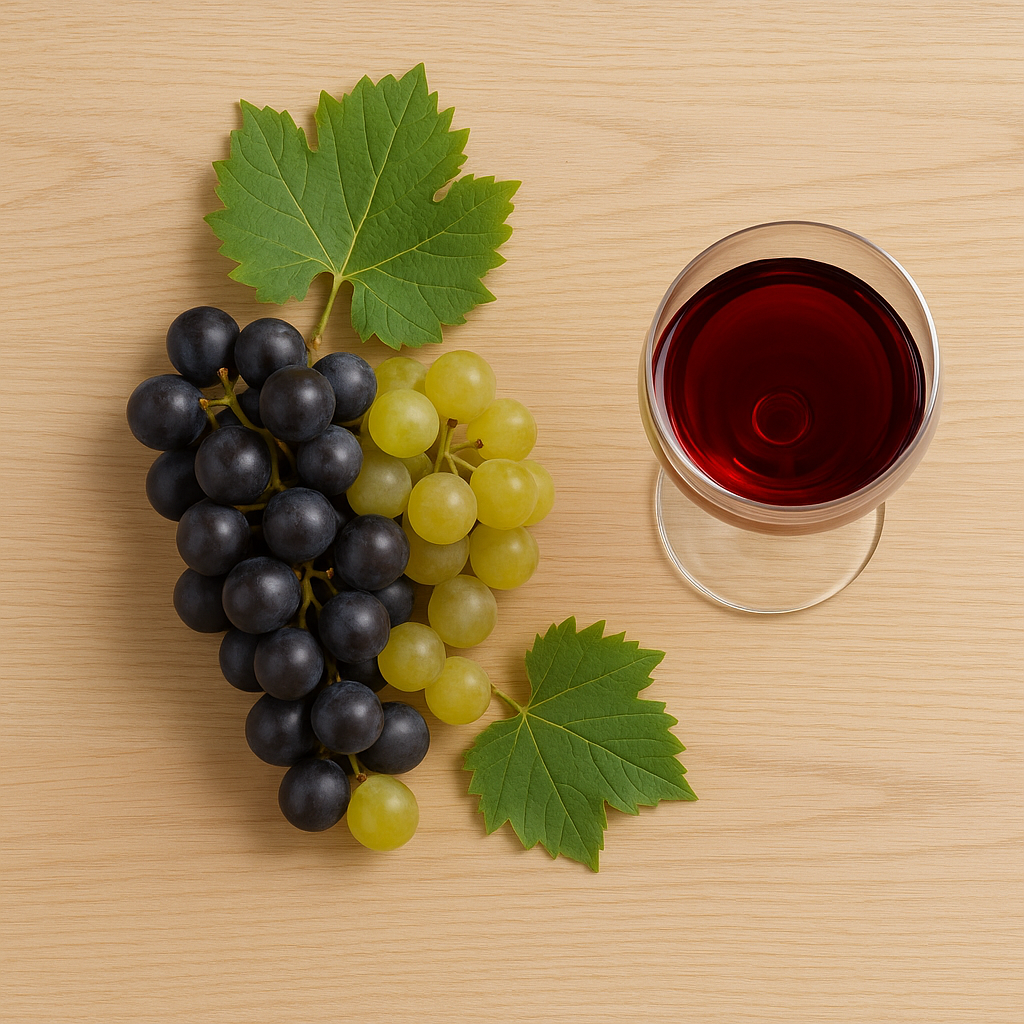
What is Vermentino similar to?
If you like Sauvignon Blanc’s zip but want more texture and a salty edge instead of green pepper, Vermentino sits right alongside it — also comparable to Albariño or a well-made Grüner Veltliner, though none of them is quite the same wine.
Its closest relative by blood is Pigato, grown just along the Ligurian coast: DNA testing shows the two are genetically identical, though in the glass Pigato tends to come out bigger, fatter and creamier, with the same saline backbone but more weight. Favorita, from Piedmont, is thought to be the same variety again under a different name — proof, if you needed it, that soil and site matter as much as what’s written on the vine tag.
For a similarly seafood-obsessed white from further along the Mediterranean coast, it’s worth trying Picpoul de Pinet: the seafood white that lip-stings — different grape, same instinct for oysters and a squeeze of lemon.
Choosing a bottle: what the label tells you
Vermentino is sold under many different names across Italy alone, so the region on the label is doing most of the talking. Here’s the shape of it:
- Vermentino di Sardegna / Vermentino di Gallura DOCG — island-wide versus the smaller, more prestigious northeast pocket; Gallura wines tend to be a touch richer.
- Colli di Luni (Liguria/Tuscany border) — saline, structured, with the better examples rewarding a year or two in the cellar.
- Coastal Tuscan IGT (Maremma) — grown low near the water for the breeze; white flowers, peach, bright acidity, delicacy over power.
- Corsica (Vermentinu) — a major share of France’s Vermentino/Rolle plantings sit here, often part of blends alongside Niellucciu and Sciaccarellu.
- Southern France as Rolle — Provence and the Languedoc, where plantings have grown steadily in recent decades.
- New World (McLaren Vale, Heathcote, Riverland in Australia; parts of California) — straightforward, low-intervention, lemony and textural rather than saline.
Much like second wines let you drink château-style claret without the grand vin price, a good New World or basic Sardinian Vermentino lets you taste the coastal Mediterranean idea without hunting down a single-vineyard Colli di Luni bottle.
Serving it right — glass, chill, and what’s on the pan
Chill it properly cold, fridge-cold rather than merely cool, and pour into a standard white wine glass rather than anything too narrow — you want the aromatics room to open. Drink it young: most Vermentino is made to be enjoyed within two or three years of the vintage, not squirrelled away.
On the table, it’s a genuine fish wine — anchovies, fried calamari, a proper fritto misto, simply grilled sea bass, shellfish of any kind. It’s also the classic partner for pasta with pesto (no coincidence, given how much Vermentino and basil share a coastline), simply roasted chicken, pizza, and roast vegetables with plenty of olive oil.
And if you’re grilling this summer alongside a bottle, don’t assume every red needs to sit at room temperature — see Can you chill red wine? The summer reds that love the fridge for the reds happy served cool right next to it.
Questions customers ask us
Is it dry or sweet? Dry, in effectively every bottle you’ll find on a shop shelf. Naturally high acidity keeps it feeling fresh rather than rich, even in riper, warmer-vintage examples.
Does it age well? Mostly no — drink it young. The exception is the more structured Colli di Luni style, which can hold for around five years if you’re patient.
Why does it taste salty? Trade opinion generally puts this down to proximity to the sea — most vineyards sit close to the coast, and that briny note on the finish is close to the grape’s signature.
Is it the same as Pigato? Genetically, yes. In the glass, no — Pigato tends to be bigger and creamier, and Ligurian producers treat them as two distinct wines.
The merchant’s last word
I sold Vermentino for years as “a nice light Italian white” and undersold it badly — it’s got more going on than that description ever let on. Pour it cold, put some grilled fish or a pesto pasta next to it, and you’ll taste exactly why the coast gets into the glass. If this has whetted your curiosity about grape variety generally, go and browse the grape variety cellar — I’ll be here if you’ve questions.



