Moscatel wine is the odd one out on a shelf that mostly sells you time. Port, sherry, Madeira — the rest of the fortified aisle trades in solera years, long decades in barrel, deliberate oxidation; Moscatel is the corner where the grape itself is the headline act. Put simply: it’s a fortified wine made mostly from Muscat of Alexandria — one of the very few varieties that genuinely tastes of the grape it came from — sweetened by stopping fermentation early with a shot of spirit, grown wherever the sun does most of the work: Setúbal in Portugal, Jerez in Spain, Rutherglen in Australia. The spirit isn’t there to transform the wine; it’s there to trap the vineyard’s sweetness before the yeasts can finish with it. By the end of this you’ll know what’s actually in the bottle when a label says Moscatel, how it differs from a sweet sherry or a Rutherglen muscat, and whether it’s worth pouring instead of pudding.
What kind of wine is Moscatel?
Moscatel is Portuguese and Spanish for Muscat — a grape family, not one single wine. Most bottles labelled Moscatel use Muscat of Alexandria, fortified partway through fermentation to lock in natural grape sugar, then finished as a fortified dessert wine somewhere between 15% and 18% abv. The name covers everything from a cheerful supermarket bottle to Portugal’s grandest Setúbal.
The confusion between Muscat, Moscato and Moscatel is fair enough — even the trade press was still untangling it this year. Muscat is the umbrella family. Moscato is the Italian name, usually meaning Muscat Blanc à Petits Grains, the grape behind Moscato d’Asti. Moscatel is the Iberian name, and in Spain and Portugal it’s mostly Muscat of Alexandria doing the work, though northern Spain keeps a little of the finer, small-berried strain going too.
The best-known home for Portuguese moscatel wine is Setúbal, on the Sado estuary just south of Lisbon, demarcated as its own region back in 1907. The top fruit grows on limestone, north-facing slopes in the Arrábida hills; more comes off the flatter ground around Palmela. Made much like a French vin doux naturel — fortified early, while the must is still fermenting — the wine is then left sitting on its own grape skins for five or six months. That’s the bit that gives Setúbal its ginger-and-orange-blossom lift and its slightly grippy texture. It isn’t the only Portuguese address either: the village of Favaios, on the Douro’s north bank, makes a name for itself with Moscatel too.
If you’ve read our piece on Gewürztraminer, you’ll know how rare truly aromatic grapes are — Muscat sits in that same small family, which is why no amount of barrel time ever quite talks it out of tasting like fruit.
Is Moscatel dry or sweet?
Almost always sweet. Fortification is timed specifically to stop fermentation while sugar levels are still high, so a properly dry Moscatel is the exception, not the rule. But “sweet” covers real ground — from a lightly fizzy Moscato d’Asti at barely 9% abv, through to a dense, raisiny Setúbal or Rutherglen Muscat with a spoon-thick middle.
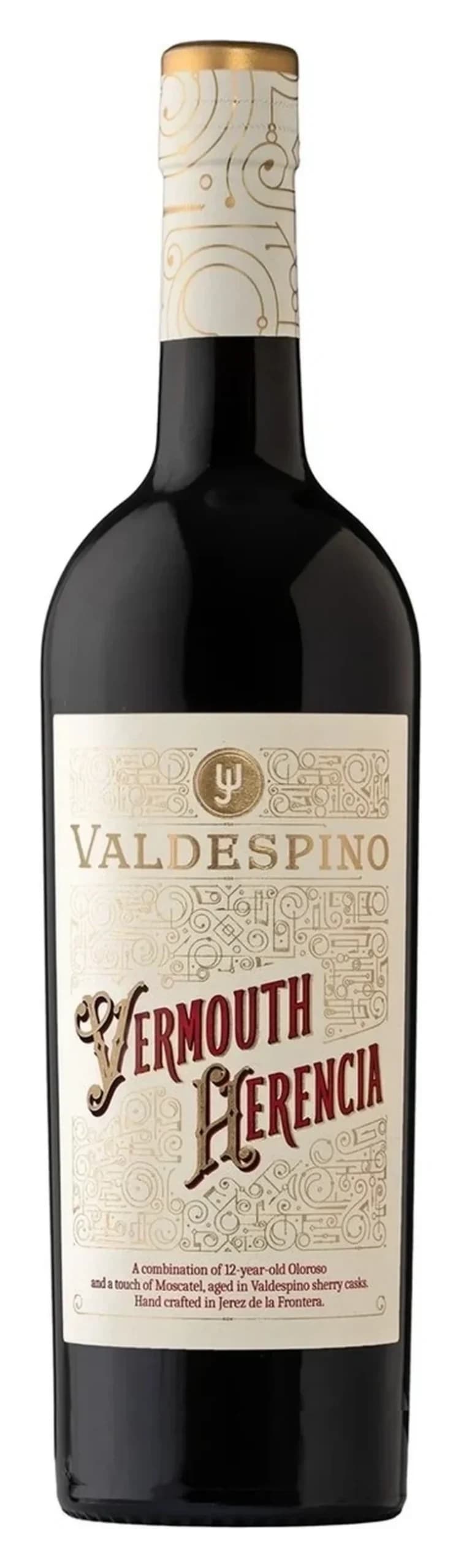
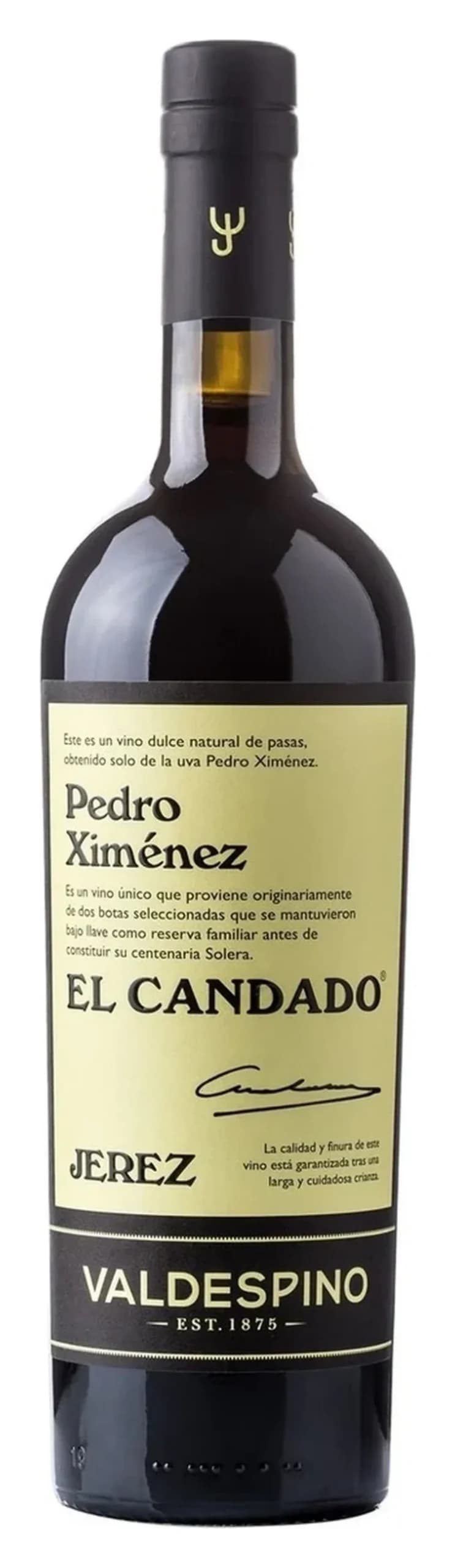
Even within the sweet camp there’s a spectrum worth knowing. Setúbal has a pink-skinned, earlier-ripening cousin called Moscatel Roxo — a small, growing planting, generally noted for being slightly drier and more complex than the standard style, and usually bottled on its own. Over in Jerez, Moscatel Sherry has to hit a minimum residual sugar of 160g/L (the region’s other sweet style, Pedro Ximénez, has to clear 212g/L) — so even Jerez’s “lighter” sweet fortified is properly sweet, just less syrupy than PX. Jerez also splits Moscatel into two textures: protected from oxygen for a fresher, more grapey style, or aged oxidatively in butts for something nuttier and more amber.
For a longer look at why sweetness doesn’t have to mean cloying, our guide on sweet wines for people who think they hate sweet wines is worth a read before you write the whole category off.
Is Moscatel the same as sherry?
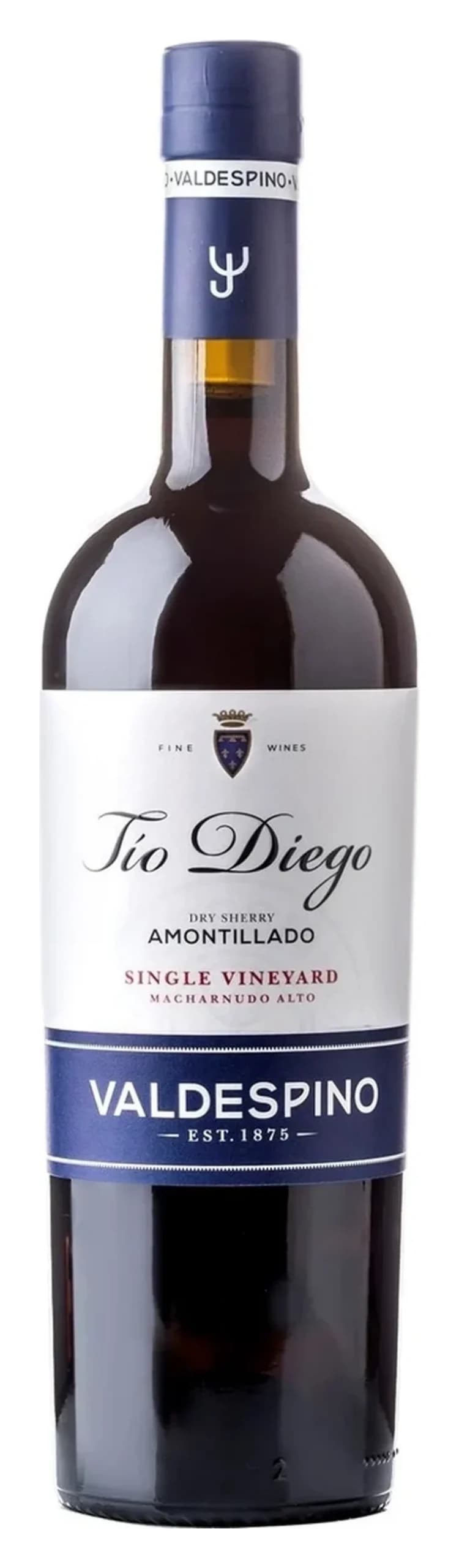
No — Moscatel isn’t another word for sherry, it’s a grape and a style that sherry occasionally borrows. Standard sherry is Palomino-based and typically dry. Moscatel Sherry is a small, specialist sweet style made from Muscat of Alexandria, grown mainly on the sandy soils around the coastal town of Chipiona near Jerez — a minor part of the region’s output compared with dry Fino or Amontillado.
Here’s the shape of the wider Moscatel-and-Muscat family, so you know what you’re reaching for:
| Style | Region | Main grape | Sweetness / strength | Character |
|---|---|---|---|---|
| Moscatel de Setúbal | Setúbal Peninsula, Portugal | Muscat of Alexandria (some Moscatel Roxo) | Sweet, ~17–18% abv | Skin-macerated, floral, ginger, raisin |
| Moscatel Sherry | Chipiona / Jerez, Spain | Muscat of Alexandria | Sweet, min. 160g/L RS | Orange blossom; oxidative or protected styles |
| Rutherglen Muscat | Rutherglen/Glenrowan, Victoria | Brown Muscat (Muscat à Petits Grains Rouges) | Sweet, full-bodied | Solera-style blending; raisin, fig, spice |
| Moscato d’Asti | Asti, Piedmont | Muscat Blanc à Petits Grains | Off-dry, ~8–9.5% abv, lightly sparkling | Not fortified; fresh, grapey, light fizz |
Rutherglen does its own thing entirely — early fortification to trap sweetness, then years of blending old and young wine in a way that resembles a cross between a sherry solera and a Madeira attic. It’s the one Moscatel that borrows the rest of the shelf’s obsession with time wholesale, and even then the grape stays the headline. For the full map of how Port, Sherry and Madeira all relate to each other, our guide to Port, Sherry, Madeira: the wines time forgot (your gain) lays out the whole family properly.
Is Moscatel a good wine?
Yes, and it’s arguably underrated. Trade coverage in 2025 pointed to Moscatel de Setúbal’s export sales roughly doubling over the past couple of decades, even while port, sherry and Madeira keep hogging the fortified spotlight. It’s rarely expensive and rarely disappointing — you get real intensity for modest money.
Setúbal in particular has a good story behind it: once a genuine royal favourite across Europe, it slid into obscurity for decades and is only now edging back into view, helped along by Lisbon’s tourism boom pulling curious drinkers across the river for the day. Wine writers keep singling out good Setúbal in value tastings against sweet fortifieds from further afield — proof it doesn’t need a famous name to punch above its price.
That value angle is a bit like our piece on second wines: how to drink a great château without the grand vin price — you’re getting real pedigree without paying for the marquee name on the label. Trade tastings this decade keep landing on the same verdict about fortified wine generally: quality and value that outstrips its reputation. Moscatel just hasn’t caught up in the public eye yet.
Getting it right in the glass
Serve young, fresh Moscatel — Setúbal, sherry Moscatel — properly chilled, almost like a dessert white. Older, darker styles, especially aged Rutherglen Muscat or a well-matured Setúbal, are better a touch warmer, closer to room temperature, so the raisin and spice can actually show themselves.
Pour small. These wines are dense and the sweetness lands fast on the palate, so a modest measure — 50ml or so — does the job properly rather than leaving you halfway through a glass you didn’t need. That’s the glass, not the bottle, and it’s the right way round for a moscatel dessert wine especially.
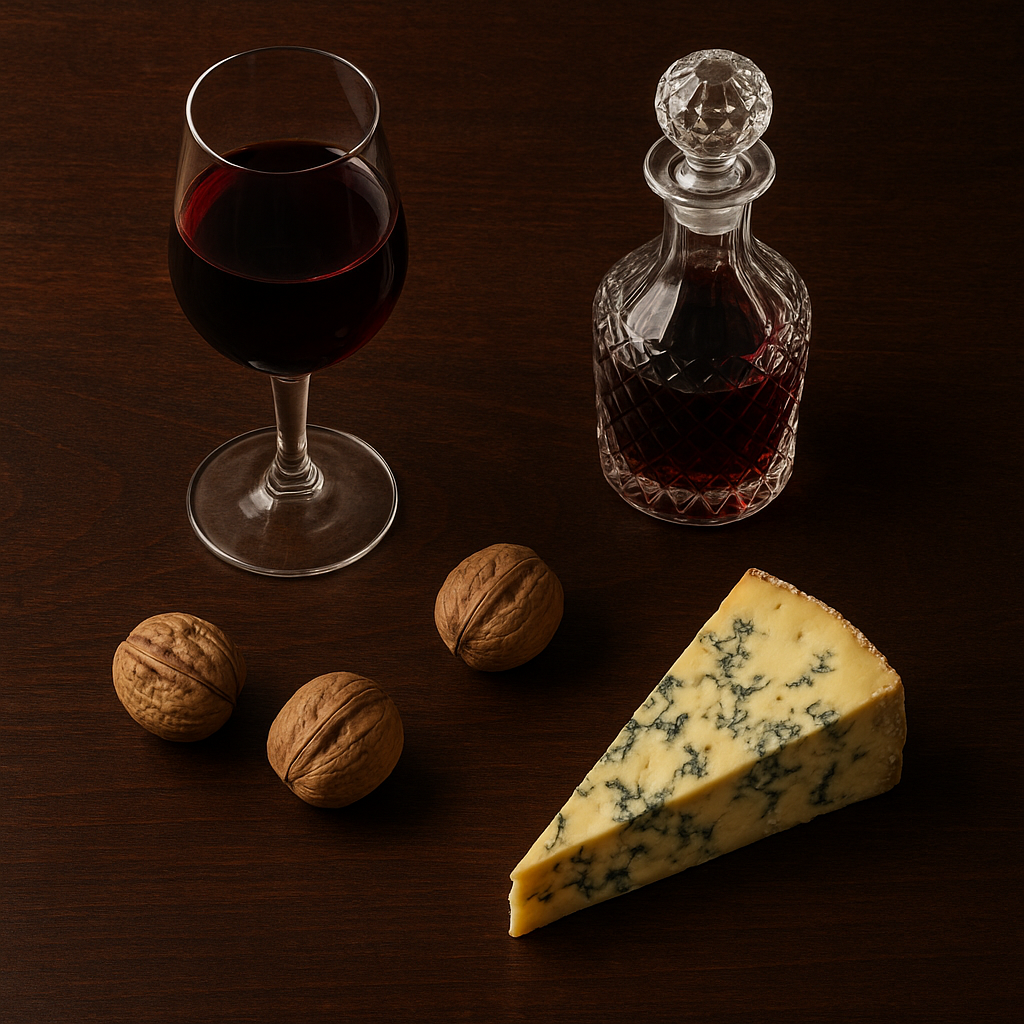
On the food side: blue cheese, dark chocolate, ginger biscuits, dried apricot, or nothing at all — just the wine and ten quiet minutes after dinner. I used to push these wines only as “pudding wine” and nothing else; it took me a while to work out they’re just as happy solo, with no plate anywhere near them.
Questions customers ask us
What’s the difference between Moscatel and Moscato? Moscato is the Italian name, usually meaning Muscat Blanc à Petits Grains — think Moscato d’Asti, low-alcohol and lightly fizzy. Moscatel is the Iberian name, usually Muscat of Alexandria, and usually fortified and considerably stronger.
Does Moscatel age well? Yes, particularly Setúbal and Rutherglen styles, which deepen over years into nutty, caramel, dried-fruit territory. Younger bottles are about fresh grape lift instead — different pleasures, not better or worse.
What does Moscatel taste like on its own? Expect orange blossom, ripe grape, ginger and raisin, sometimes a nutty or caramel edge in older examples. Even the darkest, oldest bottlings keep that unmistakable grape core.
Is Moscatel just a cheap sweet wine? Some are inexpensive and cheerful, yes, but Setúbal and top Rutherglen Muscat show real complexity and ageing potential — it’s a style with proper range, not a one-note bottle.
The merchant’s last word
I sold Moscatel for years shoved at the back of the “sweet stuff” shelf, and I got that wrong — it deserves better company than an afterthought bottle by the till. Pour it small, serve it thoughtfully, and it holds its own against sherry or port any evening you fancy something amber and grapey. Come and browse the fortified wine cellar and let’s find the bottle that suits your Tuesday.