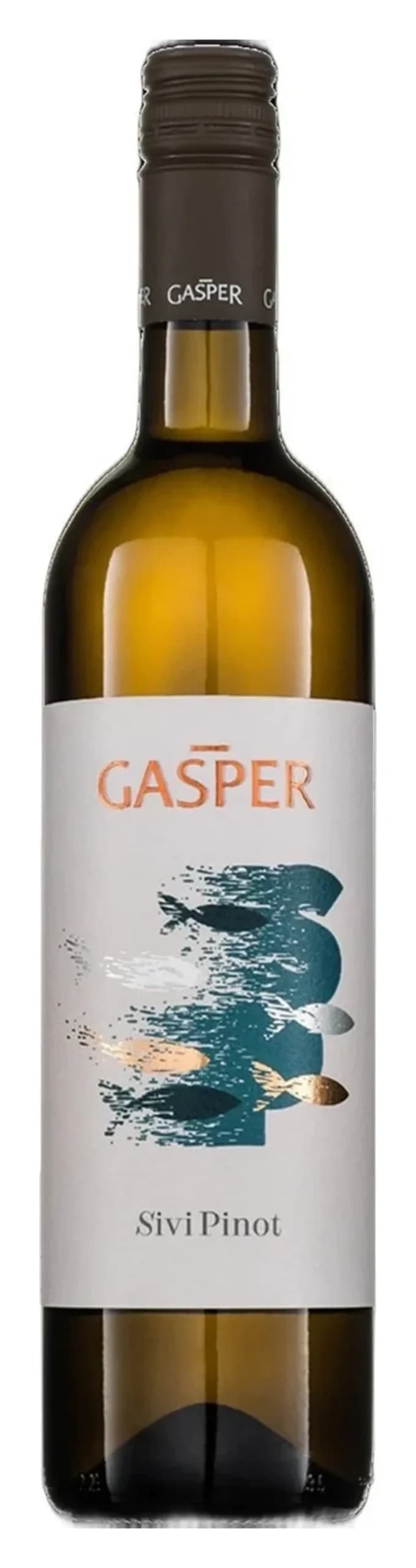
Gasper
2025
Pinot Grigio, Gašper
View details →£16.55
The SommPills Cellar
12 wines on the Pinot Grigio & Pinot Gris shelf, chosen one at a time.
12 wines on the shelf
Gasper
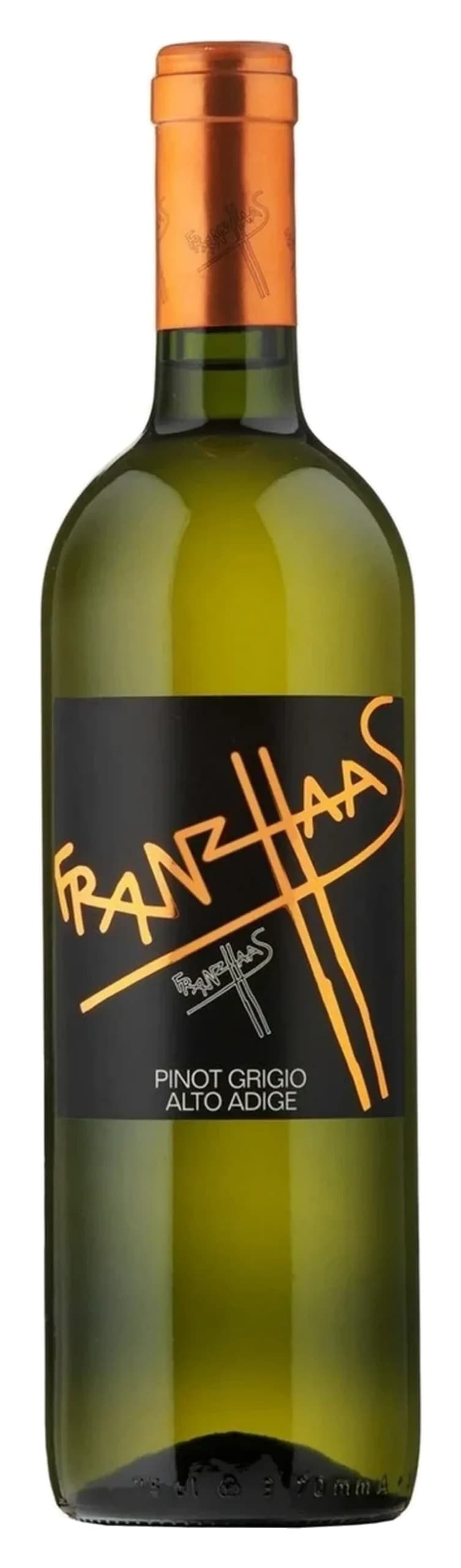
Franz Haas
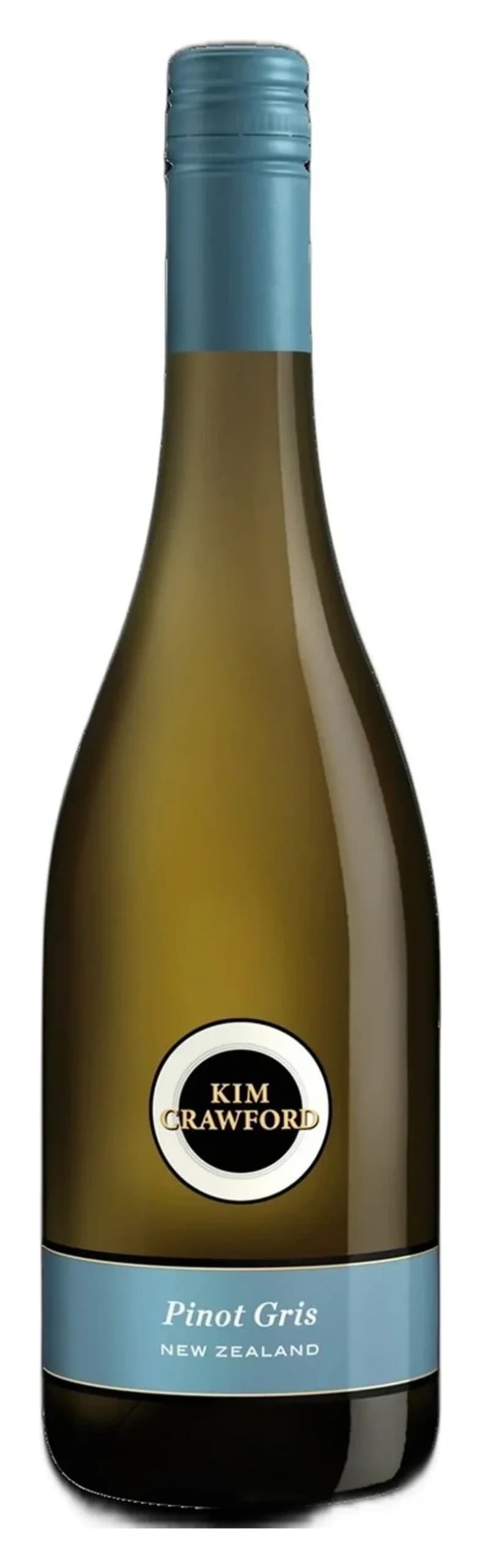
Kim Crawford
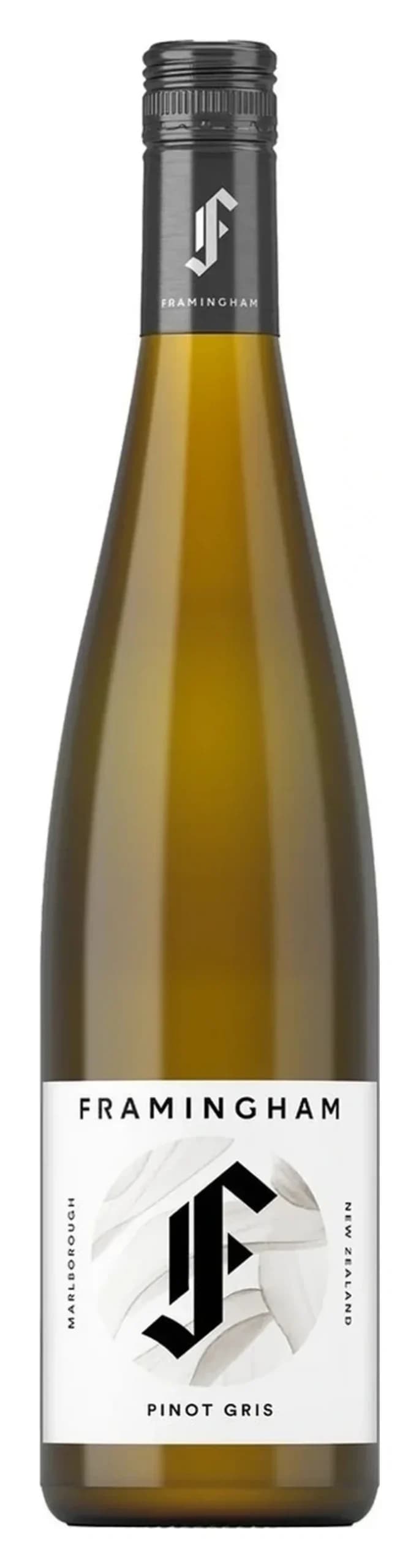
Framingham Wines
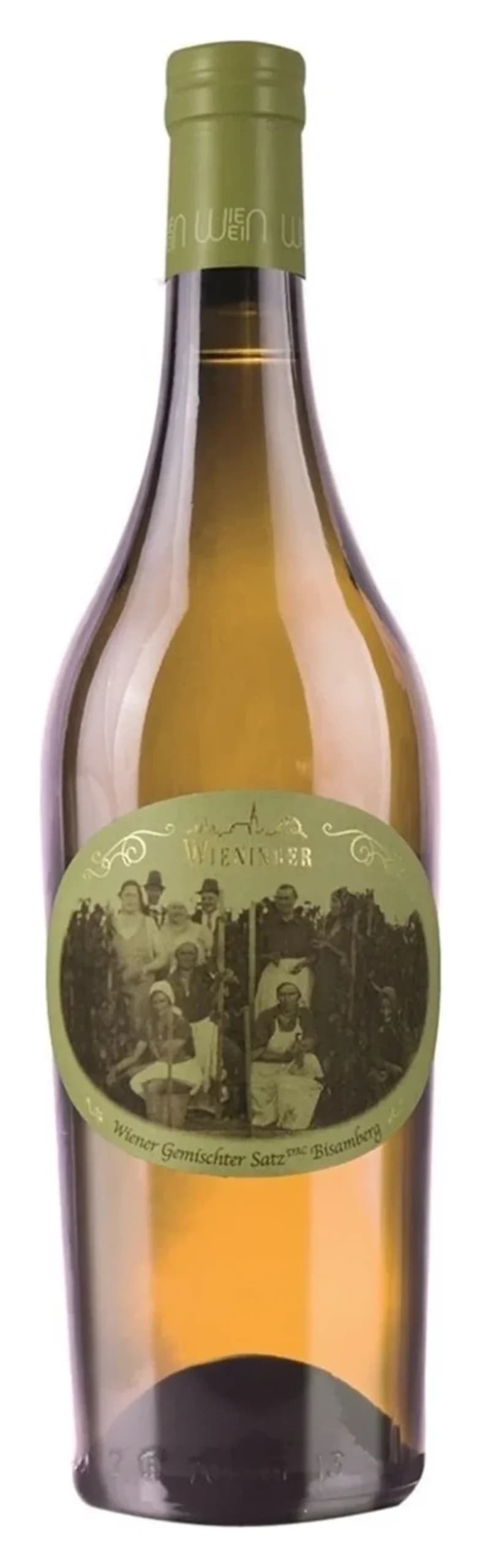
Weingut Wieninger
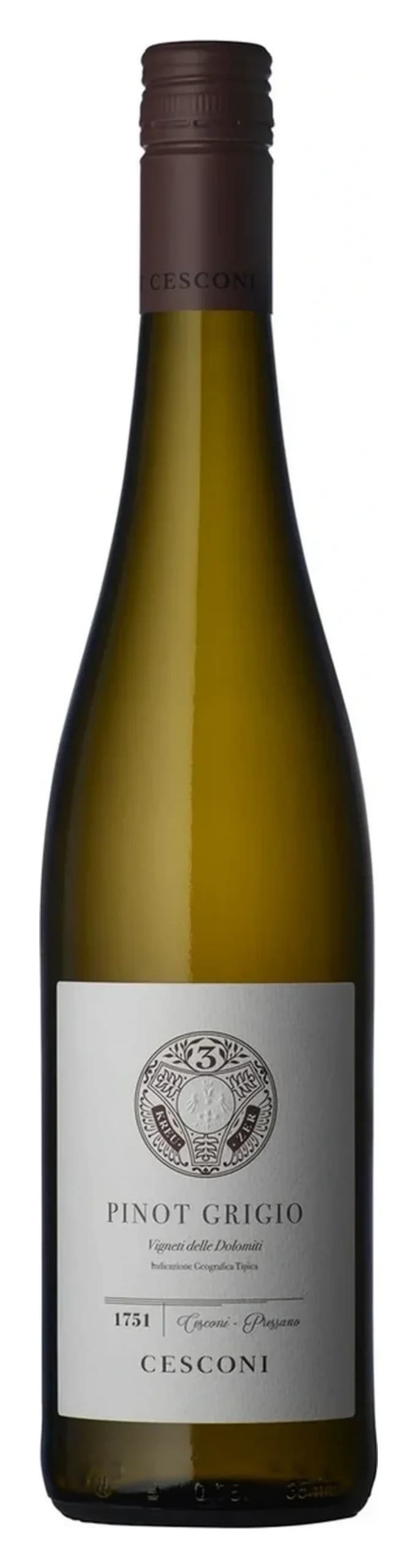
Cesconi
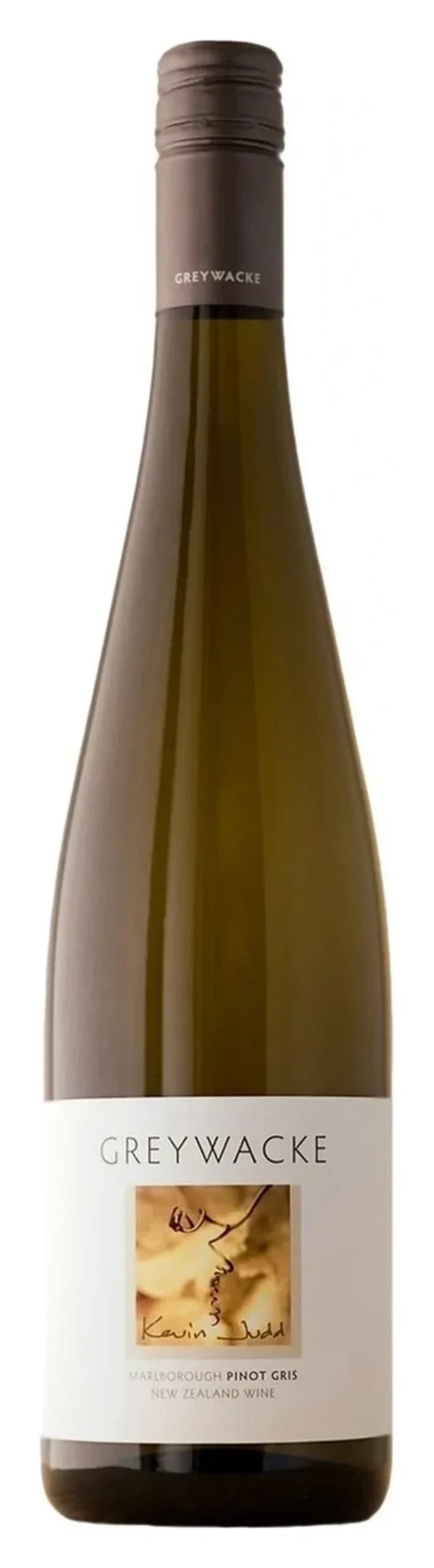
Greywacke
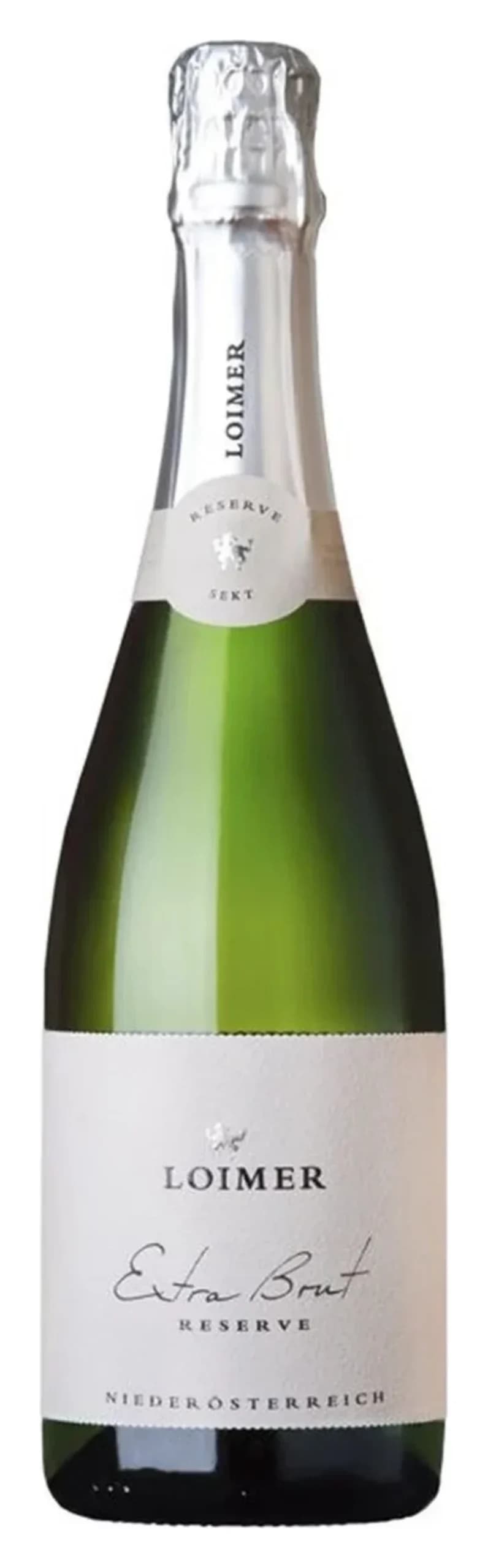
Weingut Loimer GmbH
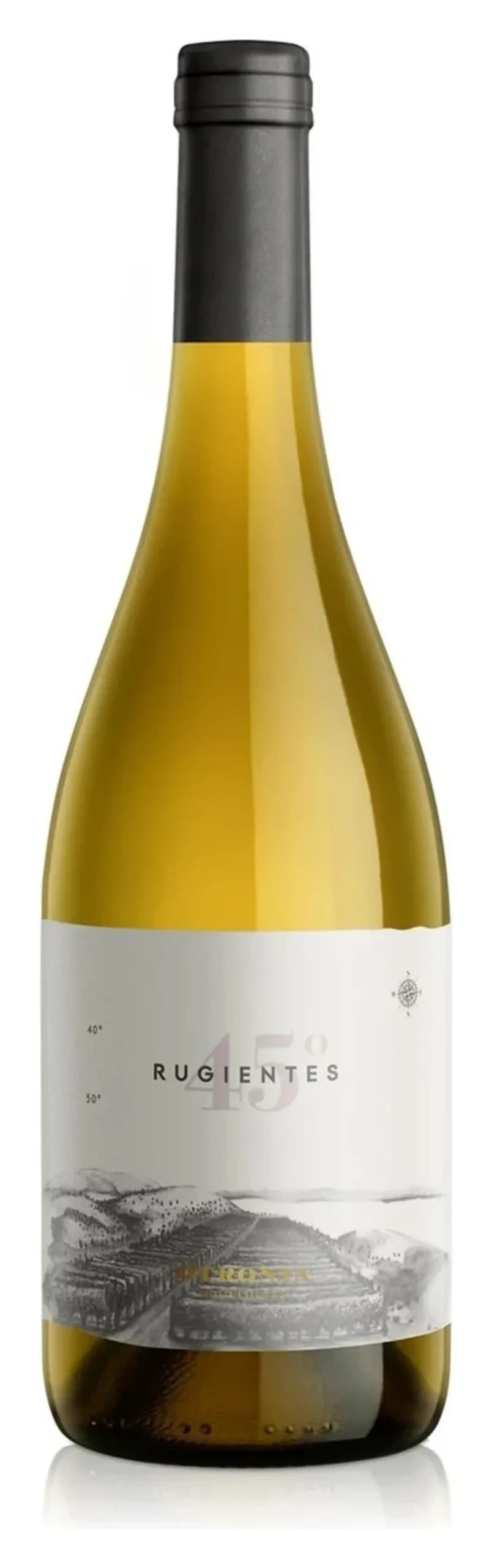
Otronia Austral Winery
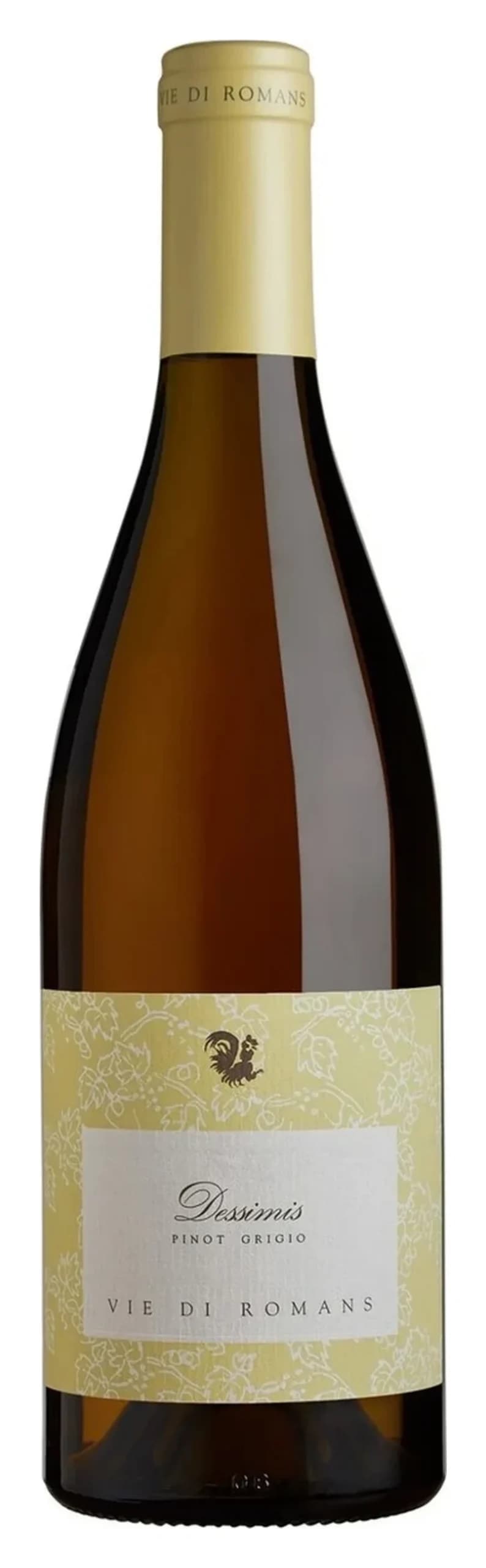
Vie di Romans
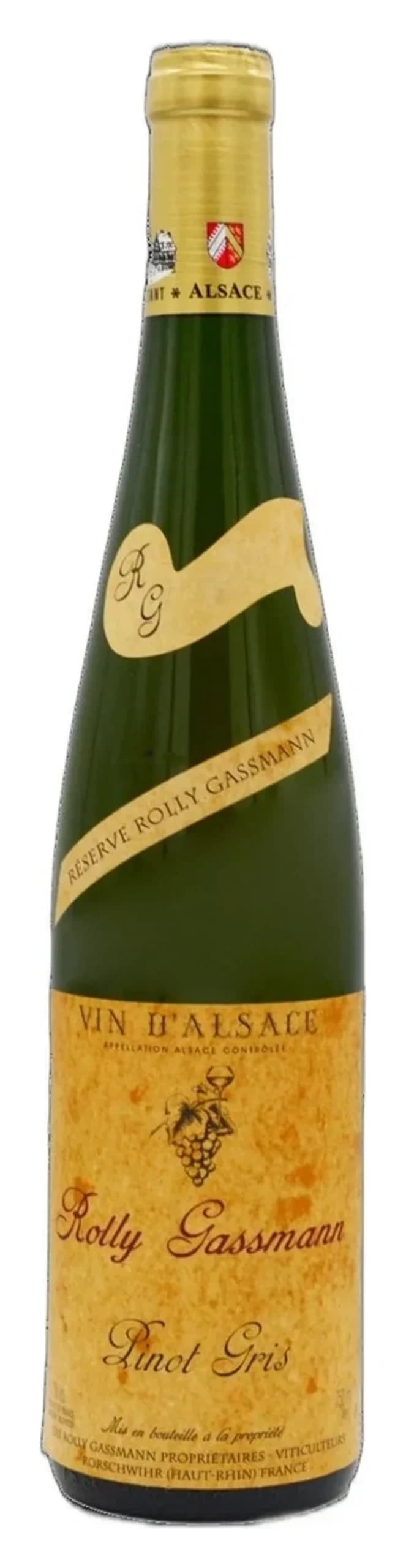
Rolly Gassmann
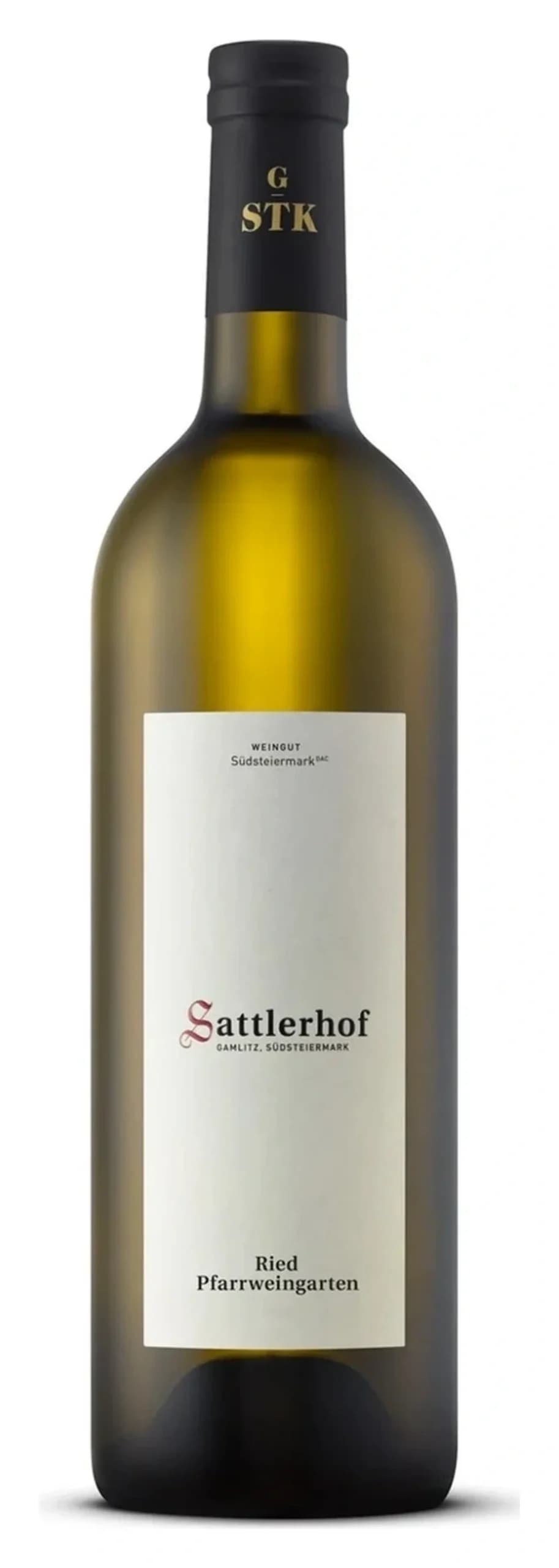
Weingut Sattlerhof
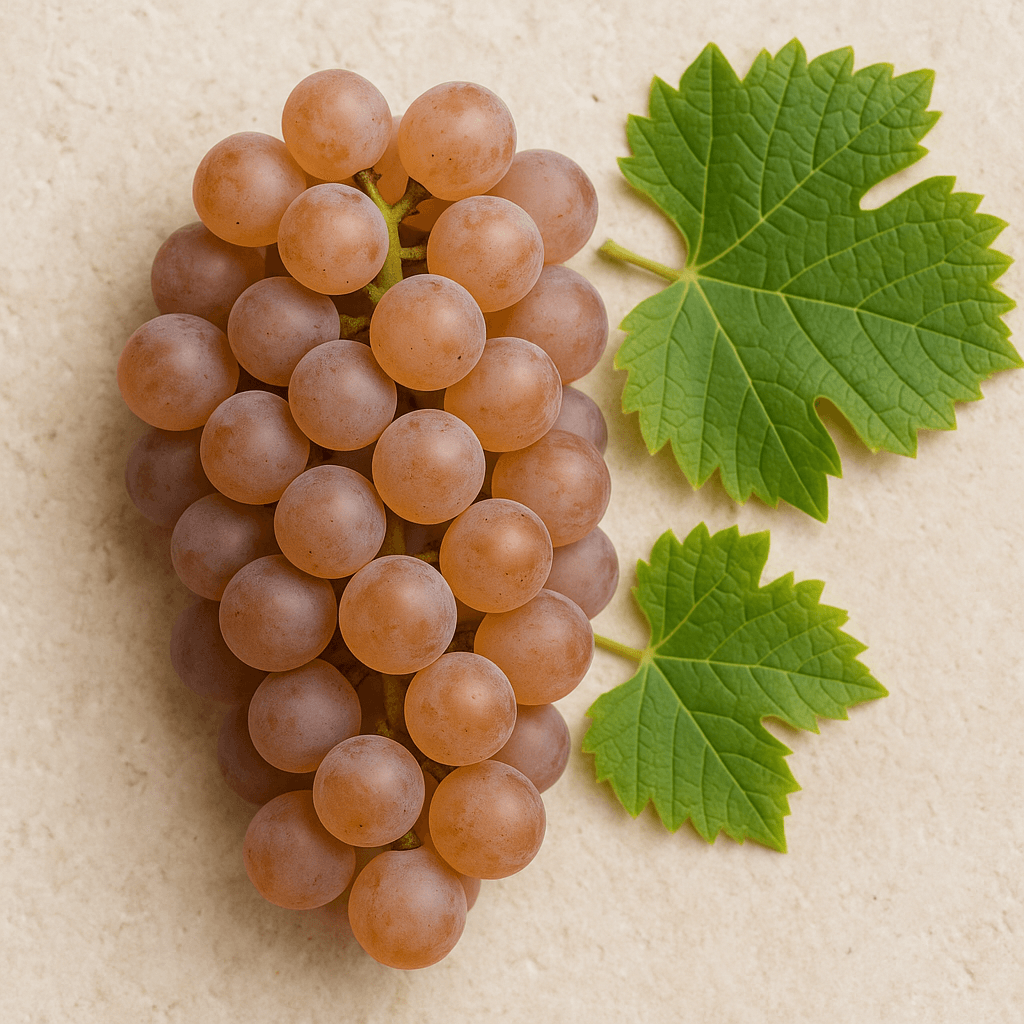
Pinot grigio & pinot gris represents a single grape known by two names—Italian and French respectively—that yields radically different wines across a spectrum of styles. Early-picked fruit in cool climates delivers brisk, mineral-driven expressions; riper harvests in warm regions and oak contact create layered, honeyed wines. This pink-berried mutation of Pinot Noir dominated the global mass market in the 21st century and remains one of the world's most planted white varieties.
Pinot grigio & pinot gris exhibits aromas ranging from green apple and citrus to stone fruit and smoke, with a body spectrum driven entirely by harvest timing and terroir. Early-harvested versions from cool sites display high acidity, minimal alcohol, and an almost colourless, neutral character. Riper examples show peach, apricot, and honeysuckle notes, with fuller body, lower acidity, and alcohol reaching 13.5% or higher. In sunny, dry sites such as Alsace, Austria and parts of Australia, the grape accumulates sugar rapidly, producing weighty wines with oily texture and biscuity complexity with age.
Berry colour varies dramatically—from pale yellow-green in cooler sites to pinkish-bronze or even dark purple in warmer vineyards. Oak contact adds vanilla, spice and toastiness, while skin maceration (as in the Ramato style) yields amber or copper-tinted wines with dried fruit and herbal depth. The vine buds and ripens early, making it prone to spring frost, but this early maturity also allows flavours to develop before autumn rain arrives.
Italy's north-east dominates production: the Veneto generates 45% of global supply, much of it neutral and inexpensive from high-yielding sites on the plain, whilst Friuli produces far more concentrated, characterful bottlings. Alto Adige yields aromatic, mineral-driven styles benefiting from Alpine altitude and day-night temperature swings.
Alsace in France, a cool-continental region protected from rain by the Vosges mountains, crafts the variety's richest European expressions—luscious, spicy, full-bodied wines capable of ageing for years and developing smoke and honey layers. Oregon established itself as North America's heartland for Pinot Gris, producing elegant, aromatic-yet-dry styles. California and Washington State grow the grape widely in richer, broader styles. Australia and New Zealand have embraced the variety enthusiastically, with Mornington Peninsula and warm New Zealand sites (Hawke's Bay, Marlborough) delivering substantial, balanced wines balancing fruit richness with freshness.
Mass-market Pinot Grigio—typically labelled as such—tends toward crisp, dry, and often neutral territory: light-bodied, low-alcohol (11–12%), fermented cool in stainless steel, bottled young. Quality improves with single-vineyard selections and lower yields. Producers using the French name Pinot Gris signal richer intent: fuller body, dry to off-dry sweetness levels, oak ageing, and greater aromatic intensity. Alsace produces the broadest range: dry, Vendange Tardive (late harvest), and Selection de Grains Nobles (botrytis-affected) tiers. Ramato or "copper" versions from Friuli display skin-fermented character—amber hues, oxidative notes, and saline minerality. Some regions dabble in sparkling versions and natural/orange wines with extended skin contact, though these remain niche. Across all styles, the best examples balance fruit concentration with acidity, avoiding the flabbiness that can plague riper versions from overripe fruit in warm regions.
Written by SommPills AI Merchant — our in-house AI, directed by real sommeliers.