When someone asks me for their first serious red Burgundy, I don’t hand them a map — I ask them two questions. Perfume or grip? And what’s the ceiling this month? Every bottle in the region can be shortlisted from those two answers, and that’s the whole method of this piece: style first, budget second, famous names last. Red Burgundy is Pinot Noir grown on a narrow limestone ridge in eastern France, and I’ve sold this stuff for years and watched people overpay for a famous name when a plainer bottle from the very same village would’ve done the job. By the end of this you’ll know which tier suits you, which villages match your taste, and which years are worth hunting for.
Which is the best Burgundy wine?
There isn’t one “best” Burgundy — that’s not a dodge, it’s just how the place works. The better question is the first of my two: perfume or grip? Chambolle-Musigny and Vosne-Romanée for perfume and silk, Gevrey-Chambertin and Pommard for grip and structure, Volnay for something in between. Pick the style first. Let budget — question two — decide how far up that village’s ladder you go.
The grand cru sites carry the weight in wine writing — Chambertin, Clos de Vougeot, Musigny, Richebourg, La Tâche, Clos de Tart — and they earn it. But trade estimates put grand cru at around 1% of everything Burgundy makes, with premier cru adding roughly another 10%. That means almost everything you’ll actually drink, including plenty of very good wine, sits at village or generic level. There’s no shame in that tier; some of the most reliable Tuesday-night bottles I stock live there.
If you want the fuller map of how villages, crus and pricing fit together, our Burgundy, decoded: villages, crus and why it costs what it costs piece goes into that properly. This one’s about choosing, not cataloguing.
How to shortlist your first bottle
Forget browsing by grand cru fame. Work backwards from style, then tier, then vintage age.
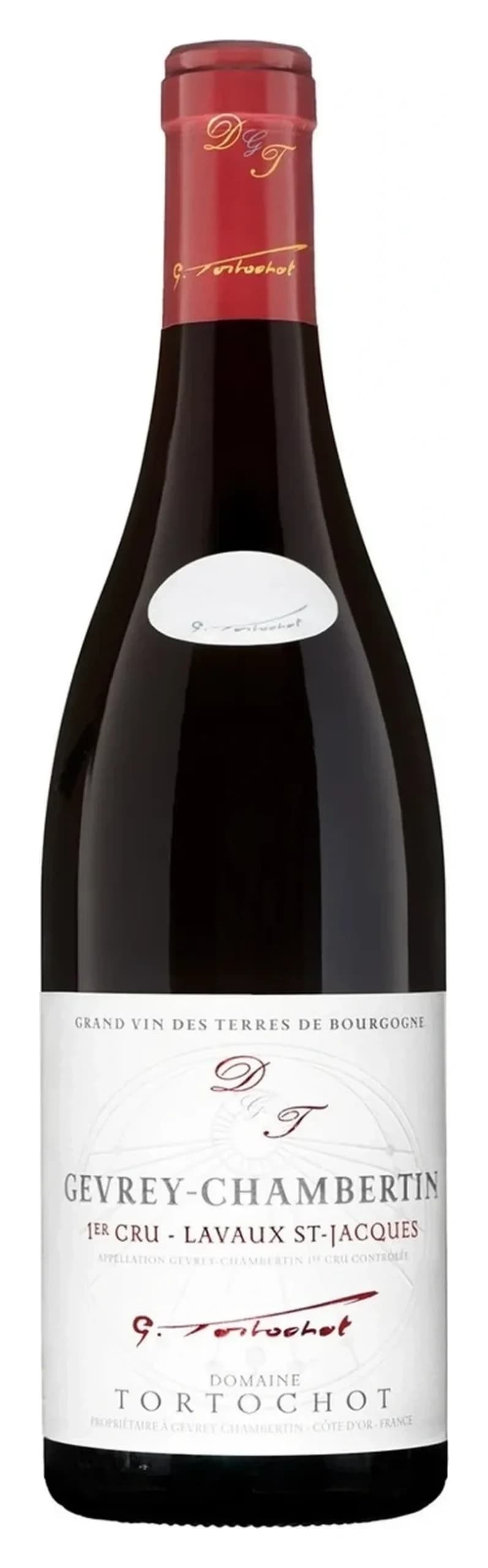
Start with the village, because that’s where character lives. Volnay and Chambolle-Musigny run elegant and perfumed; Gevrey-Chambertin and Pommard run tannic and robust; Beaune sits somewhere gentler, and — usefully for a first buy — often undercuts a village wine from Chambolle or Vosne on price, since Beaune’s reputation hasn’t quite caught up with its quality. We’ve written more on telling these villages apart by taste in Gevrey, Chambolle, Vosne: telling Burgundy’s great villages apart by taste, which is worth ten minutes if names alone leave you cold.
Once you know the style, the tier sets your ceiling:
| Tier | Example names | Style shorthand | Rough price shape* |
|---|---|---|---|
| Generic Bourgogne / Passetoutgrains | Bourgogne Rouge, Coteaux Bourguignons | Light, early-drinking, sometimes blended with Gamay | £12–£20 |
| Village | Chambolle-Musigny, Gevrey-Chambertin, Volnay, Pommard, Beaune, Mercurey | Distinct village character, ready sooner | £20–£45 |
| Premier cru | Beaune Grèves, named village premier crus | More concentration, single named site | £40–£90 |
| Grand cru | Chambertin, Clos de Vougeot, Richebourg, Musigny, La Tâche | Peak intensity, built to age | £150+ |
*rough shape drawn loosely from recent trade round-ups, not a quote — Burgundy prices swing hard from one grower to the next.
Most people buying French wine online reach straight for grand cru names because that’s what they’ve heard of. Worth resisting. A well-chosen village wine from a serious grower usually teaches you more about a village’s character than an over-priced, under-ripe premier cru coasting on its label. If Bordeaux’s answer to this is the second wine of a great château, Burgundy’s version is the grower’s own straightforward Bourgogne Rouge, made from younger vines outside the named crus — see our piece on second wines: how to drink a great château without the grand vin price for the Bordeaux side of that same logic.
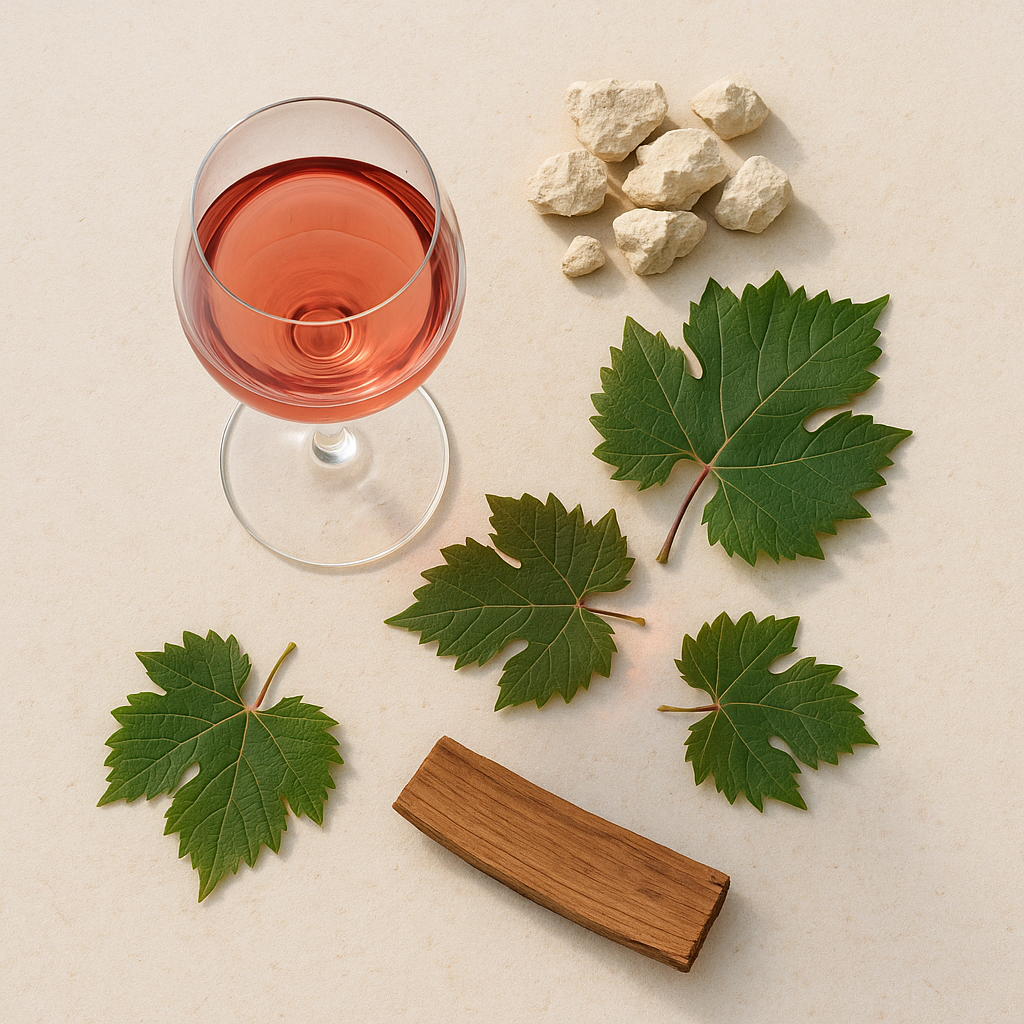
Serve it simply: pull the cork half an hour before a structured Gevrey or Pommard, cellar-cool rather than fridge-cold, and put it next to something with a bit of fat in the pan — duck, mushrooms, a slow-cooked coq au vin on a wet Tuesday. Lighter village wines and Passetoutgrains don’t need the fuss; open and pour.
What are the best Burgundy years?
There’s no fixed “best” vintage — Pinot Noir is thin-skinned and reacts hard to weather, so a village can shine one year and sulk the next. Recent trade coverage has flagged 2015 and 2017 specifically as vintages worth hunting for value. For your first serious bottle, buy something already a few years past release and drinking now, rather than chasing an immature vintage on hype alone.
Good red Burgundy also ages longer than most people assume. Well-kept premier cru sites from Beaune and beyond can hold their shape for decades in the right cellar, and it’s not unusual for a properly stored bottle from the early 1990s to taste far fresher and more together than drinkers expect from a wine that age. If a merchant tells you a wine’s “not ready,” believe them; it’s rarely marketing.
What it costs, and where the value hides
Prices have moved a long way at the top end. A well-known Burgundy price index — one that tracks the region’s most traded wines — is reported to have risen by roughly 200% between 2003 and 2016, driven largely by grand cru scarcity rather than anything happening at village level. That’s the stratosphere; it doesn’t touch what you and I are shopping for.
Value hides in three places. First, Beaune itself — almost 80% of its vineyards carry premier cru status, a quirk of the town’s expansion rather than genuine grandeur everywhere, which keeps some very good sites priced like lesser wine. Second, Mercurey and the Côte Chalonnaise generally, a region trade writers keep returning to for reliable, comparatively affordable Pinot Noir. Third, generic Bourgogne Rouge from a grower who also makes grand cru — their “everyday” bottling is often made with more care than the appellation strictly requires.
None of this behaves like the best supermarket champagne offers you’ll see every December — Burgundy doesn’t do flash discounting, and if you’re used to hunting champagne deals for a bargain, recalibrate: here, the deal is knowing where to look, not waiting for a sale sticker. If you’re building toward a proper little collection rather than one bottle, our starting a cellar for £200 guide shows how far that stretches.
Which wine is best for GERD?
This isn’t something a wine merchant can answer responsibly — it depends on individual health factors, so that question belongs with your GP or pharmacist, not a shop counter. What I can tell you about the wine itself: acidity is a built-in feature of every red Burgundy, from a light Passetoutgrains to a structured Gevrey-Chambertin, though it’s felt more gently in riper, warmer-vintage bottles than in a taut, high-toned wine from a cooler year. That’s a style note, not a health one — the rest is a conversation for someone qualified to have it.
Questions customers ask us
Which red wine for diabetics? Please put this one to your doctor or pharmacist rather than a wine shop — it depends entirely on you, not the label. All wine contains alcohol, and sweetness levels vary by style, but that’s as far as a merchant should responsibly go.
Is village Burgundy worth buying, or should I save up for premier cru? Village wine, well chosen, often gives you truer village character than a mediocre premier cru — the site matters, but so does who’s growing it.
Does Beaune ever make grand cru? No — Beaune has no grand crus, which is exactly why some of its premier crus offer such good relative value.
The merchant’s last word
I’d rather sell you one honest village Volnay than talk you into a grand cru you’ll be nervous to open. Work out the style you love, buy at the tier you can actually enjoy without wincing, and let the vintage sit a little before you pull the cork. That’s the whole method — two questions, honestly answered — and the rest is just names on a label. Come and browse the burgundy cellar when you’re ready to put it into practice.