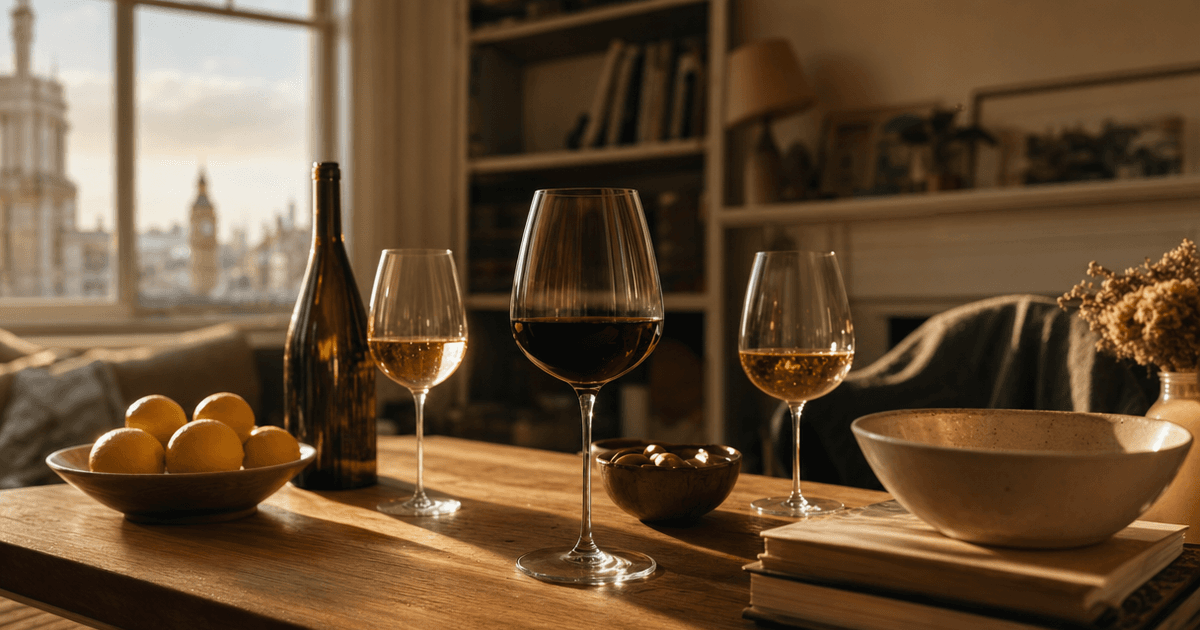
Type chardonnay california into a search bar and you’ll land in the middle of one of wine’s oldest arguments: does it taste of sunshine and butter, or can it genuinely stand up to the real thing from Burgundy? My position, after years of pouring both: it’s an argument best settled at your own table, two glasses side by side — and this piece is the tasting sheet for it. Chardonnay is a single grape variety, grown everywhere from the Côte d’Or to the Sonoma Coast, and it takes on remarkably little character of its own — it borrows the site’s instead. California Chardonnay runs from lean, citrus-driven bottles off cool coastal vineyards to rich, buttery wines built on new oak. By the end of this you’ll know why the two camps taste so different, what to look for on a label, which two bottles to set against each other — and which one suits your Tuesday roast chicken.
Is Chardonnay a California wine?
No — Chardonnay is originally Burgundian, first grown around the Mâconnais and the Côte d’Or. It arrived in California in the 1880s, brought over as cuttings by growers including Charles Wetmore, and the state has been making it ever since. California Chardonnay is American Chardonnay wearing a west-coast climate and a west-coast winemaking hand — same grape, different accent entirely.
The turning point most people know, even if they don’t know they know it, was a blind tasting in Paris in 1976 where a California bottling beat some of white Burgundy’s biggest names. It put California Chardonnay on the map properly, and growers haven’t looked back. What’s changed since is where they plant it: increasingly near the coast, or up at altitude, chasing the cooler nights that keep acidity honest. Napa, Sonoma Coast, Santa Cruz Mountains, Santa Barbara County and Sta Rita Hills all do rather different things with the grape, which is part of why “California Chardonnay” as a single idea is nearly meaningless without a map. If you want the fuller picture of how this fits into New World wine generally, our Americas guide covers the ground state by state.
Why is California Chardonnay so buttery?
Two winemaking choices, not the grape itself. Malolactic conversion turns sharp malic acid into softer, creamier lactic acid — the same chemistry that makes yoghurt taste rounder than milk. New oak barrels add vanilla, toast and that popcorn-and-butter note people either love or can’t get past. Put riper fruit from a warm California site through both processes and you get the fat, buttery style that defined the category through the 1990s. Worth pinning up: butter isn’t the grape, it’s two cellar decisions — take both away and Chardonnay goes straight back to tasting of its vineyard.
I sold a lot of that style for years and told people it was “classic California.” It wasn’t wrong, exactly — it was just one decade’s fashion dressed up as a rule. By the early ’90s producers had leaned so hard into sweet, oaky, high-alcohol Chardonnay that a backlash arrived, and for a while you could find bone-dry, unoaked bottles with barely any flavour at all — the pendulum swinging too far the other way. What’s happened since 2010 or so is more interesting: a “neo-Burgundian” shift toward fresher, leaner fruit, subtler oak, and sometimes a whiff of struck-match from careful lees handling, chasing the tension you find in real Meursault rather than the tropical richness of old. If you want the full anatomy of what oak actually does to a wine, that’s a rabbit hole worth going down separately — see our piece on oaked Chardonnay.
What is the difference between Chablis and California Chardonnay?
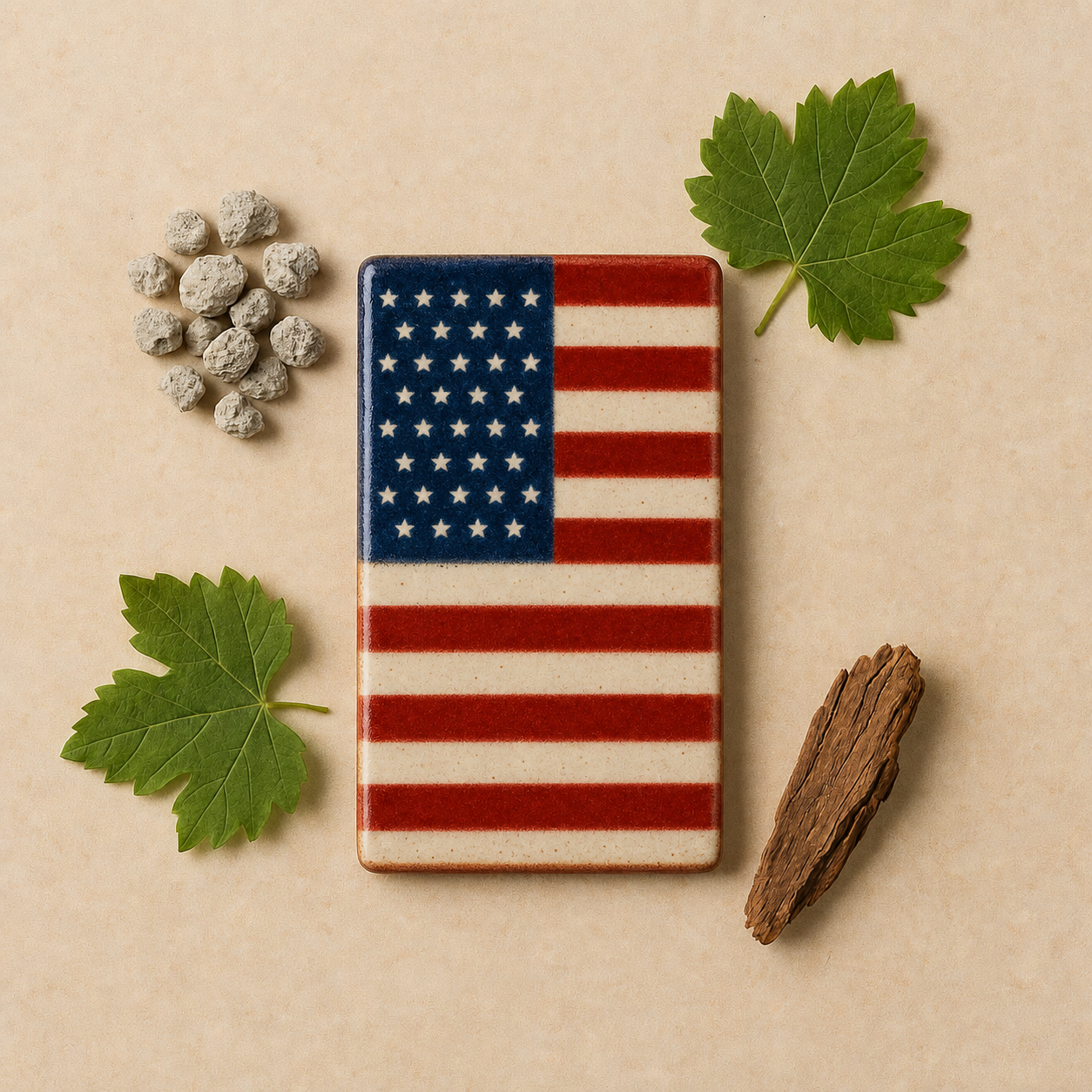
Chablis is Chardonnay grown on Kimmeridgian limestone in the coolest, northernmost pocket of Burgundy — high acid, wet-stone leanness, apple and lemon fruit, and traditionally little or no oak (some Chablis producers get quite firm about that last point). California Chardonnay covers a much wider spread, from that same crisp, citrus-led style off cooler coastal sites to rich, tropical, heavily oaked wines from warmer inland vineyards. The difference is climate and soil first, winemaking choices second.
| Style | Typical site | Fruit character | Oak & malolactic | Body & acid |
|---|---|---|---|---|
| Chablis | Cool, limestone, northern Burgundy | Green apple, lemon, wet stone | Rarely oaked, minimal malolactic | Light-medium body, high acid |
| Côte d’Or whites (e.g. Meursault) | Moderate, limestone/clay | Ripe citrus, melon, stone fruit | Often oaked, some malolactic | Medium-medium(+) body, medium(+)-high acid |
| California, cool coastal (Sonoma Coast, Santa Cruz Mountains) | Cool, coastal fog influence | Citrus, green apple, sometimes struck match | Restrained oak, variable malolactic | Medium body, high acid |
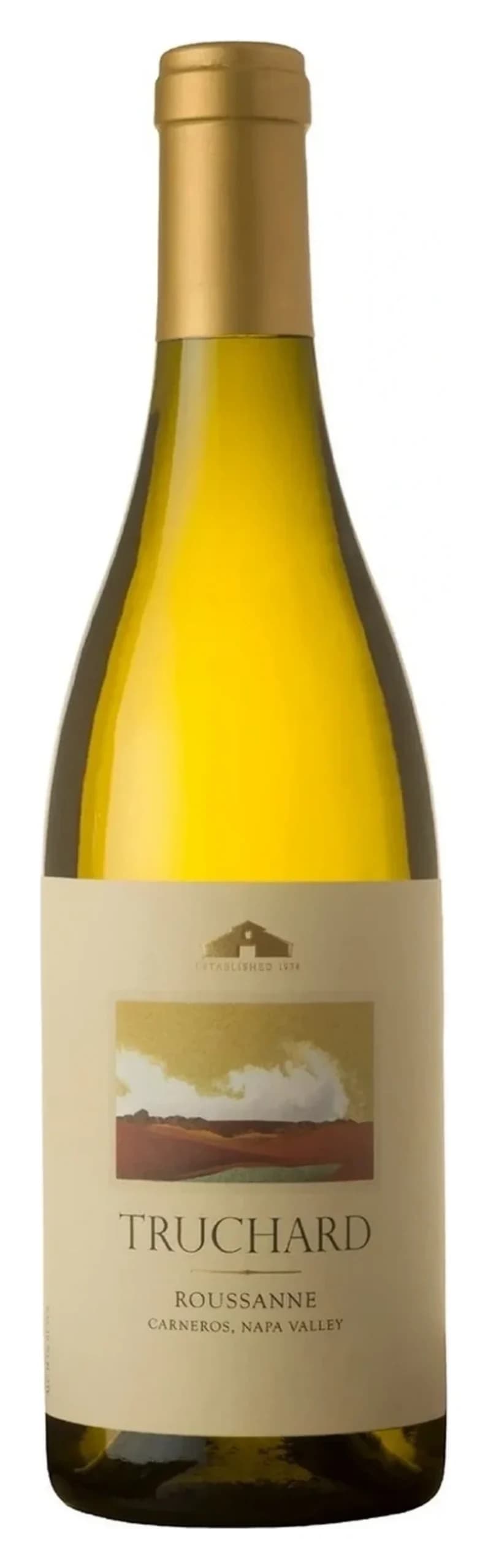
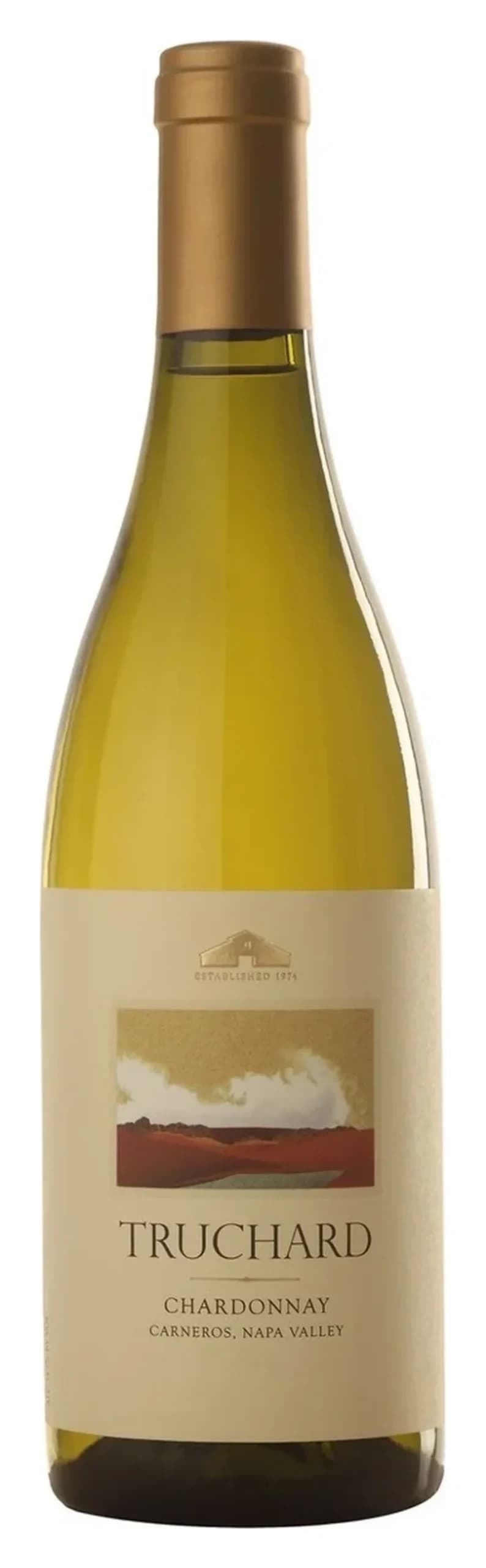
| California, warmer sites (Napa, Carneros) | Warm, inland or valley floor | Peach, pineapple, tropical fruit | New oak, full malolactic common | Full body, medium acid |
Notice the overlap — a cool-site California wine and a Côte d’Or white can sit closer together than two California bottles from different valleys. That overlap is exactly what makes the home tasting worth running: pick bottles from different rows of that table and you’re tasting geography; pick from the same row and you’re tasting the winemaker’s hand. If you’re curious about Burgundy’s quieter white grape while you’re here, Aligoté deserves a look too — we’ve written about it properly.
Choosing a bottle: what the label’s telling you
Once you know what to look for, the label does most of the work. A few things worth reading before you check the price:
- The region named — Sonoma Coast, Santa Cruz Mountains and Santa Barbara/Sta Rita Hills lean cooler and leaner; Napa Valley and Carneros lean riper and richer.
- “Unoaked” or “no oak” on the front label is a genuine style signal, not a marketing afterthought — it usually means crisper, citrus-forward fruit.
- Vintage matters more than people think; a cooler growing year even in a warm region can push a wine toward the leaner end.
- Price band — the cheapest bottles tend toward soft, easy-drinking, sometimes unoaked styles with a touch of sweetness; complexity and site character generally show up further up the shelf. As a rough steer at the till: the entry shelf mostly buys softness and sunshine, while the next band up is where cool-site tension starts to appear.
None of this is a guarantee — styles vary bottle to bottle even within one producer’s range — but it’s a far better starting point than picking on the prettiest label. Label read, bottles chosen: that’s the hard half of the tasting already done.
Getting the best from the bottle: serving and food
Buttery, oaked California Chardonnay wants richness back at it: think roast chicken, roast turkey, grilled or smoked salmon, or anything finished with a butter sauce like beurre blanc — the classic pairing, and a genuinely reliable one. Leaner styles, whether from cooler California sites or Chablis itself, are happier alongside simply cooked white fish, light chicken dishes, or dishes with a citrus or light tropical fruit element running through them.
Temperature does more heavy lifting than most people give it credit for — serve a rich, oaked Chardonnay too cold and you mute everything interesting about it; serve a lean, mineral one too warm and it turns flabby. Our serving temperature cheat-sheet has the specifics for both ends of the spectrum. Get this bit right on tasting night and the argument settles itself fairly.
Which is the best Chardonnay?
There isn’t one — “best” depends on which style you actually want that evening. Trade tastings comparing top California Chardonnay against grand names of Burgundy have repeatedly shown the top California examples holding their own blind; one well-known instance pitted a New Zealand producer’s Chardonnay against some of Burgundy’s most celebrated estates, and the New World bottle wasn’t embarrassed. That tells you quality at the top is real on both sides of the Atlantic (and the Pacific), not that one place has won the argument.
Recent trade panel coverage has been fairly consistent: California Chardonnay overall has moved toward fresher, better-balanced wines over the past decade, with some of the most interesting bottles — scoring well and priced under £30 — coming from Santa Cruz Mountains, Santa Barbara County and Sta Rita Hills rather than the more famous Napa or Sonoma names people default to. If your instinct is Burgundy-or-nothing, that’s worth testing before you decide.
And test it properly: one cool-coast California bottle, one village-level white Burgundy, similar money, both chilled then allowed to warm slowly in the glass. Taste them blind if you can bear the theatre — a sock over each bottle does the job. We ran exactly that tasting in the shop one wet Thursday, labels hidden, and the room split clean down the middle — which told everyone more than any column I could write.
Questions customers ask us
Is California Chardonnay always oaked? No — plenty of producers now make deliberately unoaked or lightly oaked versions in a fresher style, particularly from cooler coastal sites. Check the back label if you’re avoiding heavy toast and vanilla.
Does white Burgundy age better than California Chardonnay? Great examples of both can age for a decade or more; high-quality wine from either place, made from healthy fruit with balanced acidity, is built to improve in bottle. Everyday bottles from either region are usually best drunk within a few years.
Is Chardonnay always dry? The grape itself doesn’t determine sweetness — most Chardonnay, from Chablis to California, is made bone dry, though some inexpensive bottlings carry a touch of residual sugar to soften them.
What’s the difference between Meursault and Chablis? Both are white Burgundy, both Chardonnay, but Meursault sits further south in a warmer pocket of the Côte d’Or, giving riper, rounder wines than Chablis’s lean, stony style.
The merchant’s last word
Honestly, I keep bottles of both in the shop for the same reason I keep a heavy coat and a light one — you need different things on different days. A buttery California Chardonnay with a roast chicken on a cold Sunday is one of the easiest pleasures going; a taut Chablis with grilled fish in summer is another. Come and have a proper look — browse the United States cellar and I’ll help you pick the two bottles for your own honest tasting, whichever side wins at your table.