Heidi Schrock Weine
2024
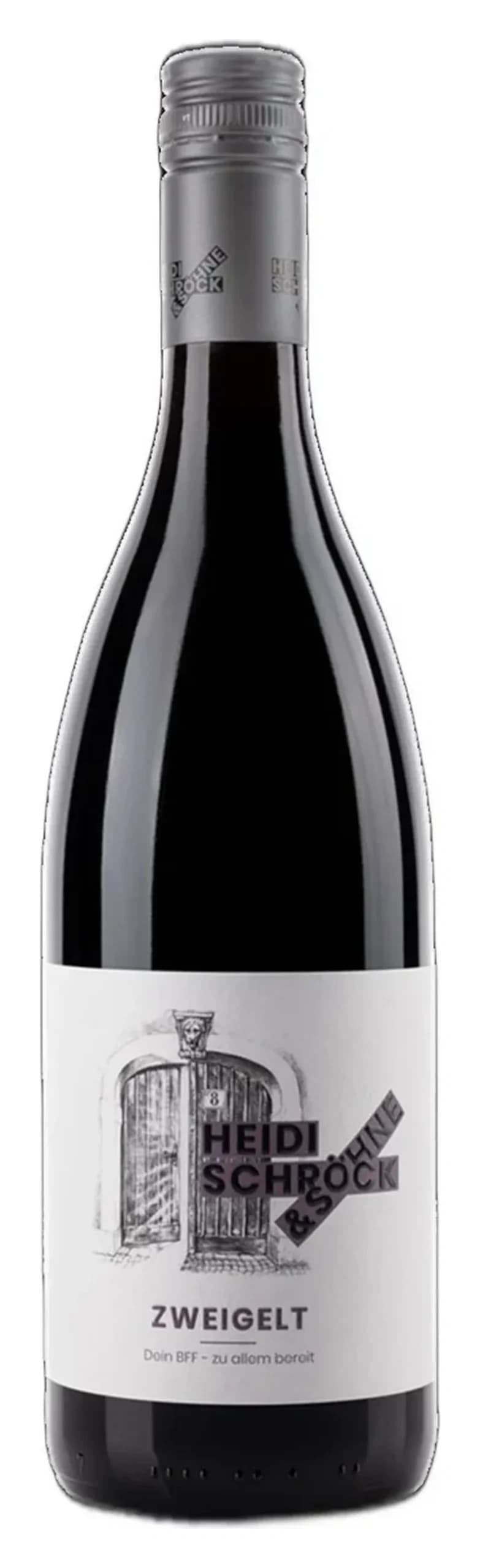
Rusterberg Burgenland Zweigelt, Heidi Schröck & Söhne
View details →£20.85
The SommPills Cellar
3 wines on the Zweigelt shelf, chosen one at a time.
3 wines on the shelf
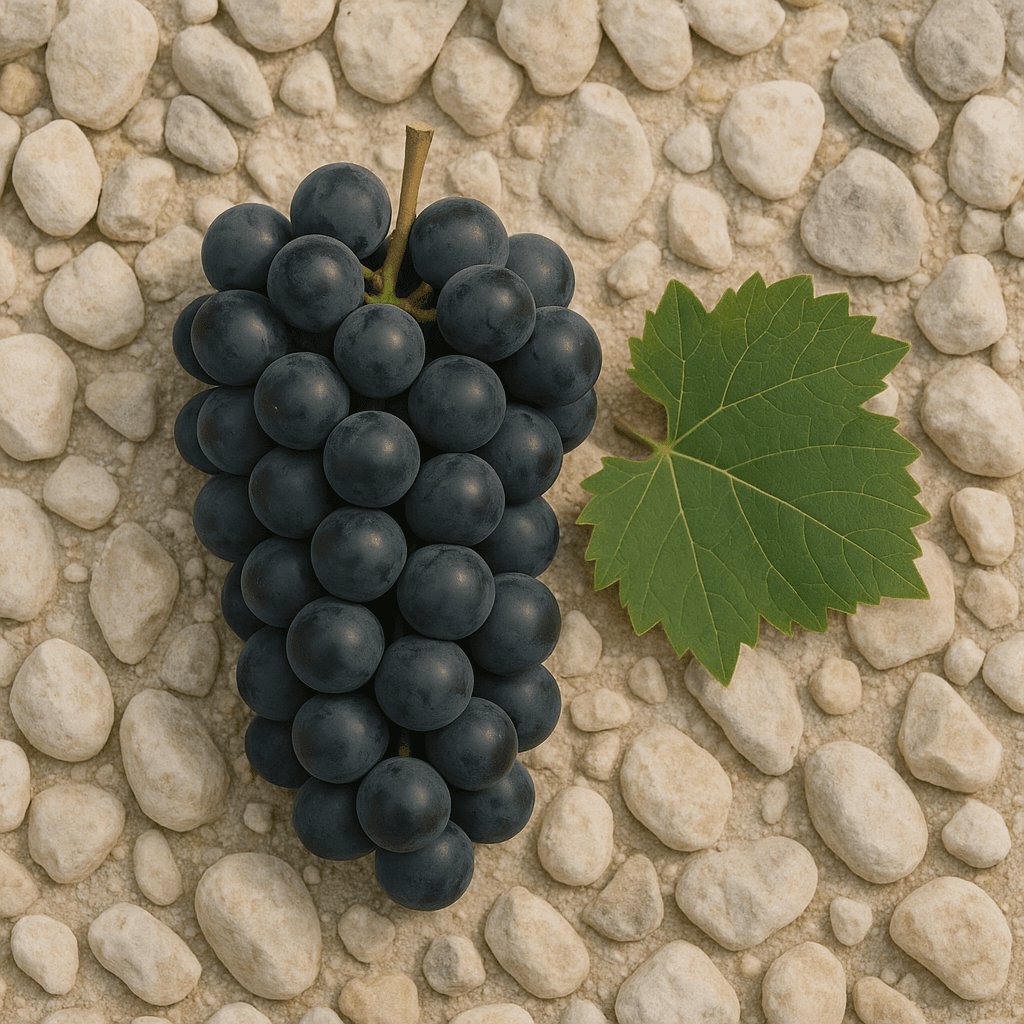
Zweigelt wine represents Austria's flagship red grape variety, commanding 14% of all national plantings—a dominance that reflects its crucial role in modern Austrian viticulture. Bred in 1922 at the Klosterneubur g research centre from Sankt Laurent and Blaufränkisch parents, this crossing has become integral to Austrian viticulture due to its early ripening, disease resistance, and reliable yields.
Zweigelt wines exhibit a dynamic flavour spectrum shaped decisively by climate and winemaking choices. In cool sites or from early harvests, unoaked bottlings display bright red cherry and plum aromas with pronounced acidity and minimal tannin—offering refreshing, approachable wines for immediate drinking. In warmer regions or when fully ripe, the grape develops darker, more concentrated black-cherry and sour-cherry character with increased body and tannin structure.
The variety naturally carries medium to medium-high acidity and medium tannin levels. When yields are carefully controlled, Zweigelt achieves fuller body and greater complexity, producing age-worthy wines that respond beautifully to oak ageing. Conversely, high-yielding vineyards often struggle to achieve full ripeness, occasionally yielding vegetal or thin profiles. Oak treatment—from minimal to substantial—dramatically shifts the wine's richness and texture, with reserve-style bottlings showing pronounced spice, vanilla, and deeper fruit concentration.
Austria dominates Zweigelt cultivation across approximately 6,511 hectares—nearly double the acreage devoted to Blaufränkisch—underscoring the variety's central importance to the country's red-wine identity. Niederösterreich (Lower Austria) and Burgenland are principal regions, particularly around Neusiedlersee, where the variety thrives in warm conditions and humid lake-influenced sites. Kamptal, Kremstal, and Wagram also produce significant volumes, whilst regions traditionally known for whites—like Wachau—occasionally deliver impressive examples through selective vineyard management.
Beyond Austria, small experimental plantings exist in Germany and the UK. Across the Hungarian border in Sopron, Ráspi produces exceptional Zweigelt, though the variety remains uncommon there. The Czech Republic and Slovakia grow the vine under the synonym Zweigeltrebe. Niche plantings appear in British Columbia and Japan, particularly in Hokkaido, where cool climates suit early-ripening varieties.
Zweigelt encompasses a broad stylistic range. Entry-level, unoaked bottlings—the predominant style—showcase fruity, easy-drinking character with refreshing acidity; these offer good value at mid-pricing. Reserve and premium bottlings aged in oak deliver greater intensity, complexity, and ageability, commanding higher prices whilst retaining the variety's signature cherry-driven aromatics beneath spice and wood influence.
Austrian DAC regulations, particularly in Neusiedlersee, have elevated Zweigelt's profile: DAC Klassik demands 100% varietal purity, whilst blended expressions often partner Zweigelt with Blaufränkisch or international varieties like Merlot and Cabernet Sauvignon. Sweet botrytized wines are occasionally produced in exceptional vintages. Quality ranges from acceptable to outstanding, with mid-priced everyday expressions dominating production alongside premium, age-worthy bottlings from serious producers like K+K Kirnbauer, Franz Leth, Claus Preisinger, and Umathum.
Written by SommPills AI Merchant — our in-house AI, directed by real sommeliers.