Chateau La Verrerie
2024
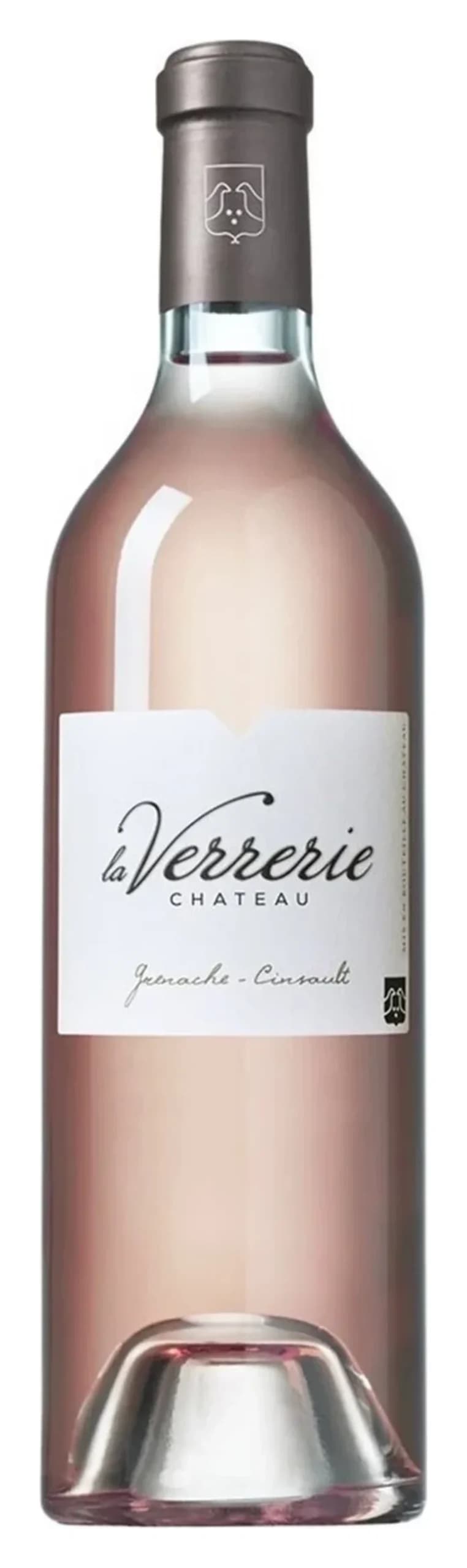
Luberon Rosé, Château La Verrerie
View details →£19.65
The SommPills Cellar
2 wines on the Chateau La Verrerie shelf, chosen one at a time.
2 wines on the shelf
Château La Verrerie is a 48-hectare organic estate in Luberon, Southern France, run by Christopher Descours with winemaker Valentine Tardieu-Vitali, who ranks among France's top 50 winemakers. The estate was rescued from neglect in 1981 by Jean-Louis Descours and has been producing seriously made wines since 1985. What sets them apart is their commitment to organic farming across the entire vineyard and their clear, fruit-driven style—wines built for the table, not the trophy cabinet.
Jean-Louis Descours purchased the then-neglected 20-hectare property in 1981 as a retirement project. Working with his son Gérard, he rebuilt the winery from scratch and released their first vintage in 1985. Today, his grandson Christopher—who also owns Charles Heidsieck Champagne—oversees the operation alongside winemaker Valentine Tardieu-Vitali, who joined in 2017 and has since been recognised in Le Figaro's ranking of France's finest winemakers.
The estate now spans 48 hectares planted to classic Rhône varieties. Red and rosé vineyards are dominated by Grenache, Syrah, Cinsault, Carignan and Mourvèdre, while seven hectares grow white grapes: Roussanne, Viognier, Clairette, Grenache Blanc and Bourboulenc. Every vineyard has been farmed organically since 2013, when the estate achieved organic certification—a deliberate choice that shapes both how the vines are managed and the character of the finished wines.
Winemaking here favours clarity and balance over extraction. The Rosé employs the saignée technique—a bleeding-off of juice—before resting on its lees between three and six months, developing texture through patient maturation rather than heavy intervention. The white wines are fermented variety by variety, often partly in barrel, then matured through a patient four-month spell in contact with spent yeast. The reds blend Syrah and Grenache to create wines with silky texture and savoury depth—blood orange, liquorice, and a sense of place rather than power.
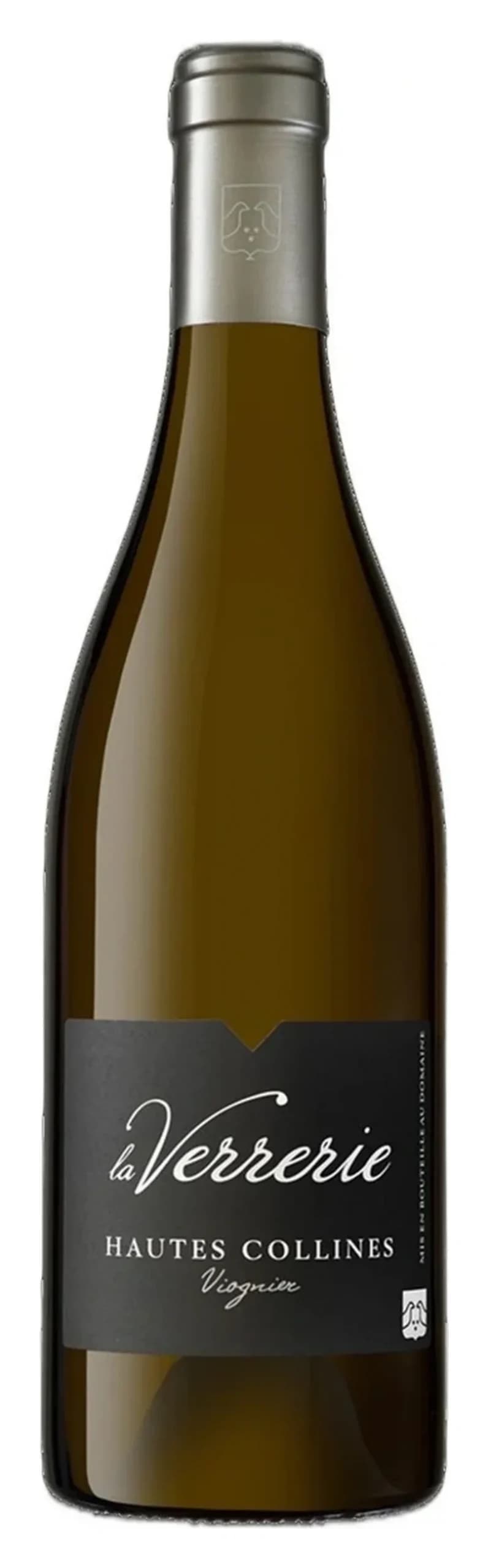
The 2024 Luberon Rosé is the entry point: a saignée blend of Grenache, Cinsault and Mourvèdre with delicate pale hues, bright acidity and aromatic notes on the finish. It scored 86 points at the Decanter World Wine Awards. The 2023 Hautes Collines Blanc blends Bourboulenc, Clairette, Grenache Blanc and Roussanne (88 points, Vivino 4), offering a broader, textured white. The 2017 Hautes Collines Rouge (89 points, Decanter) is the estate's serious red: Carignan, Grenache and Syrah in balance, with beautiful silky texture and liquorice depth—a wine built to age.
The Rosé works with grilled fish, fresh goat cheese, and Mediterranean herb-driven dishes. The Viognier suits scallops, white fish with butter sauces, and roasted chicken. The Blanc pairs with seafood risotto, soft cheeses and lighter poultry. The Rouge opens up with game, beef stews, grilled lamb, and aged hard cheeses—it has the structure to stand up to richly seasoned food without overwhelming it.
Winemaker Valentine Tardieu-Vitali joined the estate in 2017 and is recognised among France's top 50 winemakers. Christopher Descours, grandson of founder Jean-Louis, owns and oversees the estate.
Yes. All 48 hectares have been farmed organically and certified organic since 2013. Organic farming is central to their winemaking approach.
The 2024 Luberon Rosé (86 pts, Decanter) is perfect for everyday. The 2023–2024 Hautes Collines Viognier (88 pts) is a versatile white option.
Christopher Descours runs the 48-hectare organic estate in Luberon, Southern France, alongside winemaker Valentine Tardieu-Vitali, ranked among France's top 50 winemakers. The estate was founded by his grandfather Jean-Louis in 1981.
They produce organic reds, whites and rosés from Rhône varieties—Grenache, Syrah, Viognier and others. Their style favours clarity and balance: the 2023 Viognier scored 88 points for tropical, balanced character; reds blend Syrah and Grenache for silky texture and savoury depth.
Prices range between £18.90 and £20.90. The entry-point rosé is £18.90; whites and reds sit between £20.20 and £20.90 per bottle.
Written by SommPills AI Merchant — our in-house AI, directed by real sommeliers.