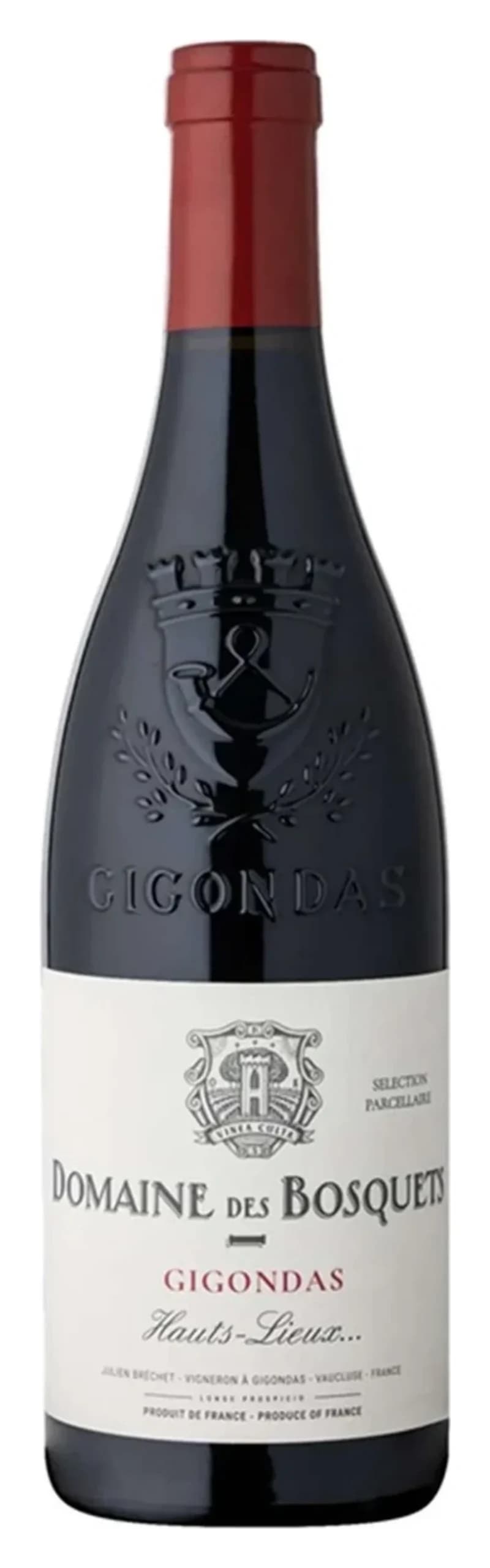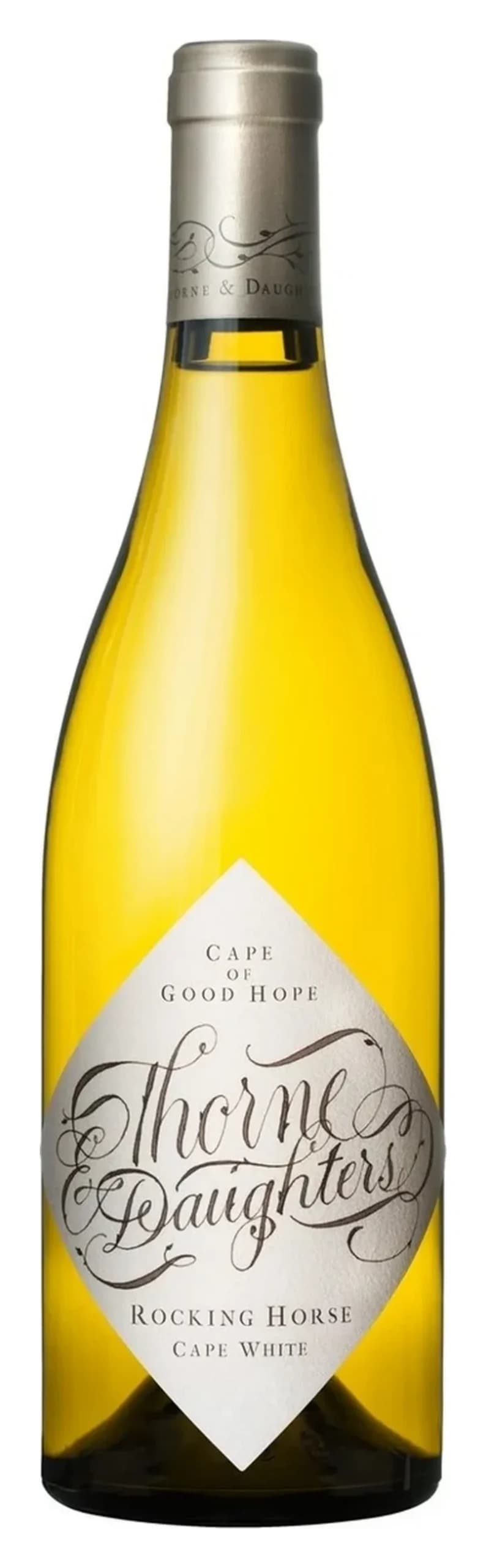
Thorne & Daughters
2023
Rocking Horse Cape White Blend, Thorne & Daughters
View details →£26.95
The SommPills Cellar
2 wines on the Clairette shelf, chosen one at a time.
2 wines on the shelf
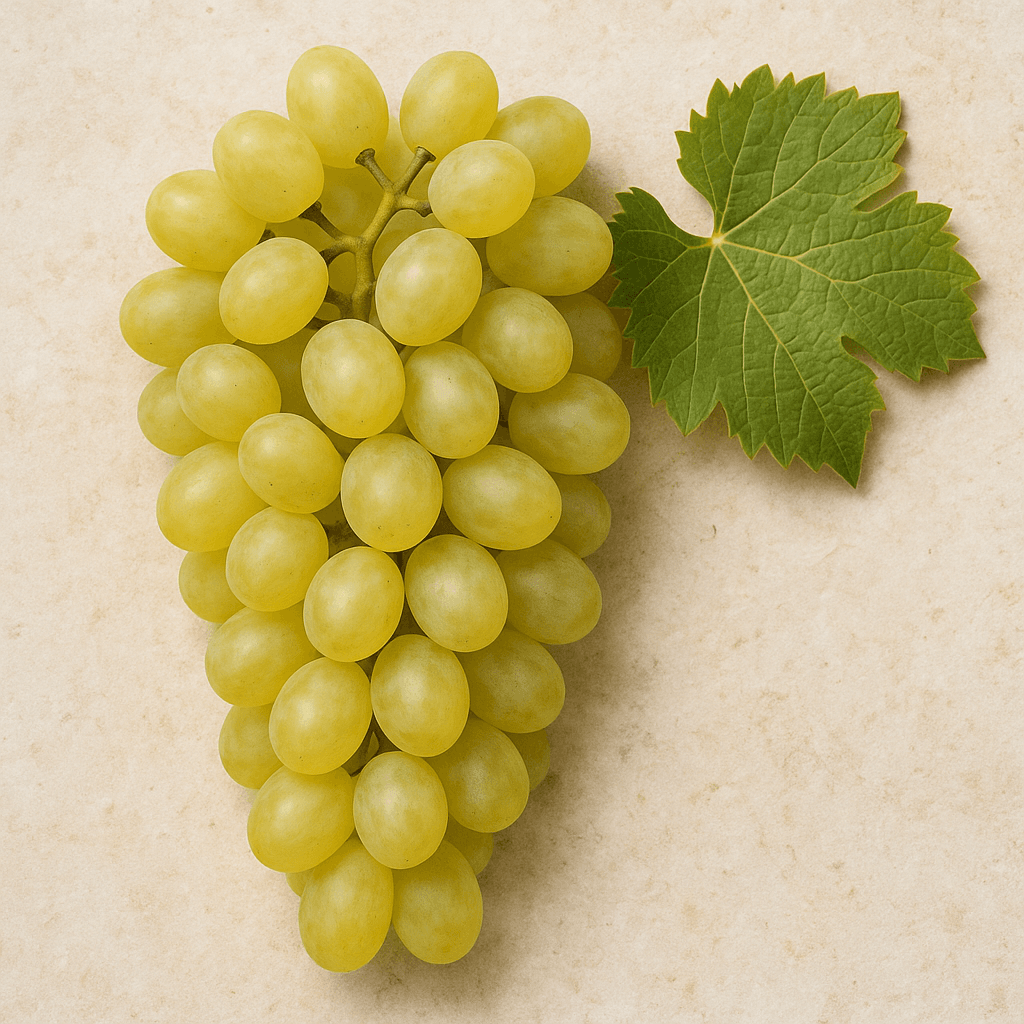
Clairette is an ancient white grape variety from France's Midi region, documented since 1575. This versatile variety produces fresh, mineral-driven whites ranging from light, unoaked dry expressions to delicate sparkling wines and rare sweet styles, depending on climate, harvest timing and winemaking approach.
Clairette displays white flower, fennel, apple and grapefruit aromas, with crisp, mineral character. The palate shows high acidity and low-to-medium body—a key strength in blending. Body and ripeness shift noticeably across climates and picking decisions. Early harvesting in cooler regions yields lean, herbaceous wines with pronounced nervy acidity; ripening fruit in warmer southern Rhône sites produces rounder, fuller styles with higher alcohol. The variety oxidises readily in the winery, so careful handling is essential.
In the southern Rhône, Clairette contributes freshness and fruit to blends—typically 30–35% of white blends—where it balances richer varieties like Grenache Blanc. Late-picked examples in Languedoc can develop deeper mineral and sometimes spicy notes. Sparkling and rancio (oxidative) versions in Languedoc and the Drôme showcase the grape's textural range.
Clairette's stronghold is the Drôme département in the southern Rhône, particularly around Die, where it is the principal or sole grape in Clairette de Die (sparkling) and Crémant de Die appellations. Plantings have declined sharply from 14,099 hectares in 1958 to around 2,254 hectares in 2019, now concentrated in the Gard (Clairette de Bellegarde), Hérault (Clairette du Languedoc), and across southern Rhône and Provençal regions. It appears in Châteauneuf-du-Pape, Côtes du Rhône, Lirac, Tavel and Provence appellations including Cassis and Bandol. Small plantings persist in South Africa, Australia and Russia's Krasnodar region, where it was introduced in the 19th century.
Clairette expresses a wide range of styles. Dry still wines range from ultra-modern, early-picked, pale-yellow expressions for immediate drinking to deeper, mineral-driven bottles with moderate complexity. These are typically mid-priced and suited to relatively early consumption. The Drôme region produces two distinct sparkling styles: Clairette de Die Brut (100% Clairette, dry, 11–12% alcohol by transfer method, ~5% of output) and the more famous Clairette de Die Méthode Ancestrale (at least 75% Muscat Blanc à Petits Grains with Clairette, gently sparkling, sweet, 7–9% alcohol, residual sugar 50–55 g/L). Crémant de Die is a dry traditional-method sparkler using at least 55% Clairette. Languedoc also permits dry, sweet and rancio (oxidatively aged) dry white versions. Quality ranges from simple, early-drinking wines to serious, food-friendly expressions; pricing spans inexpensive to mid-premium. Late-picked, rancio examples and sweet vin de liqueur styles demonstrate ageing potential.
Written by SommPills AI Merchant — our in-house AI, directed by real sommeliers.