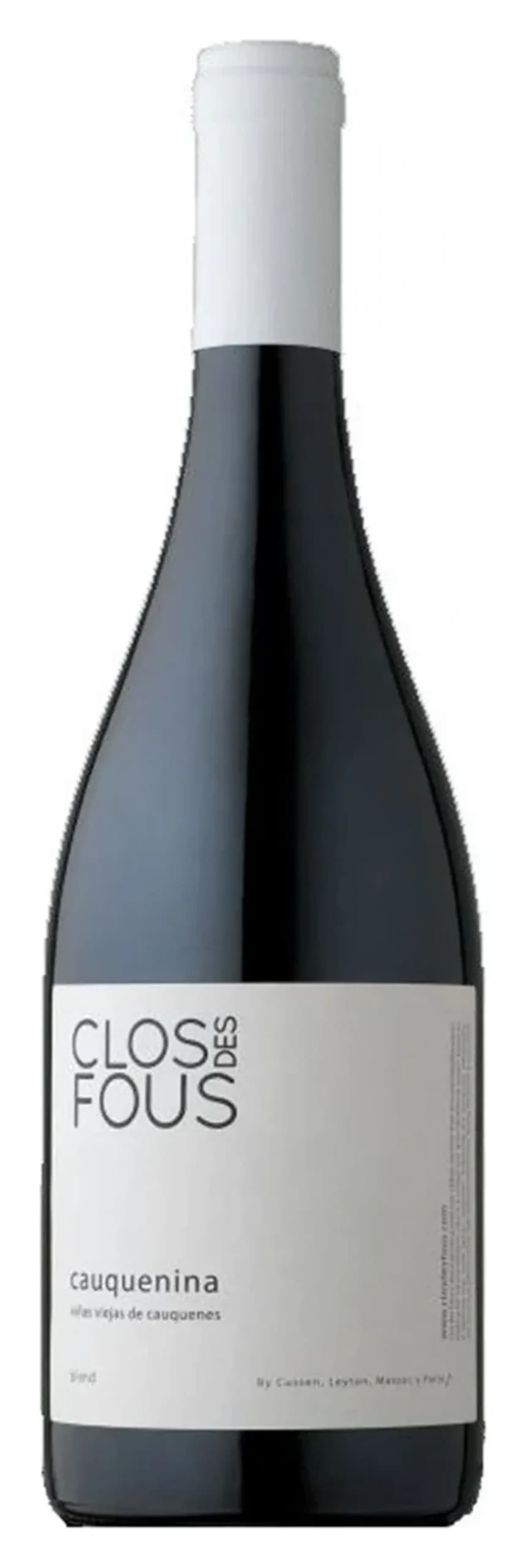
Clos des Fous
2017
Cauquenina Itata Valley, Clos des Fous
View details →£21.60
The SommPills Cellar
6 wines on the Carignan shelf, chosen one at a time.
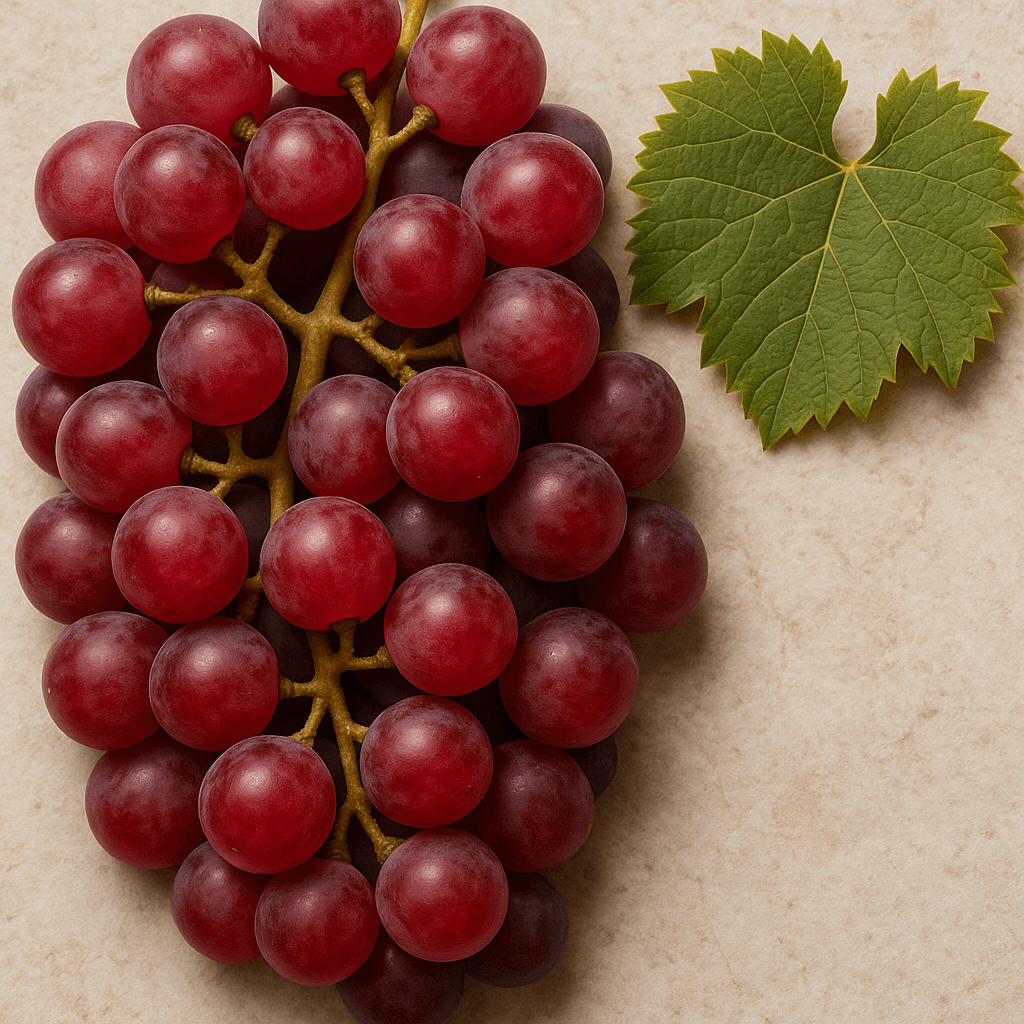
6 wines on the shelf
Clos des Fous
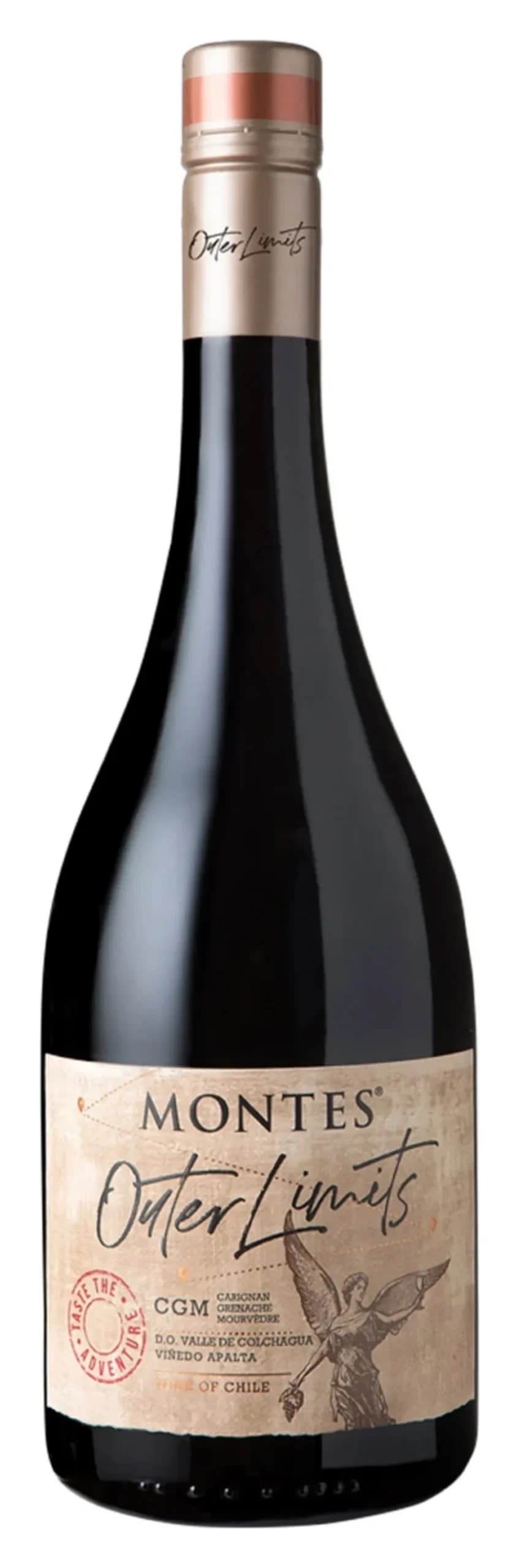
Outer Limits
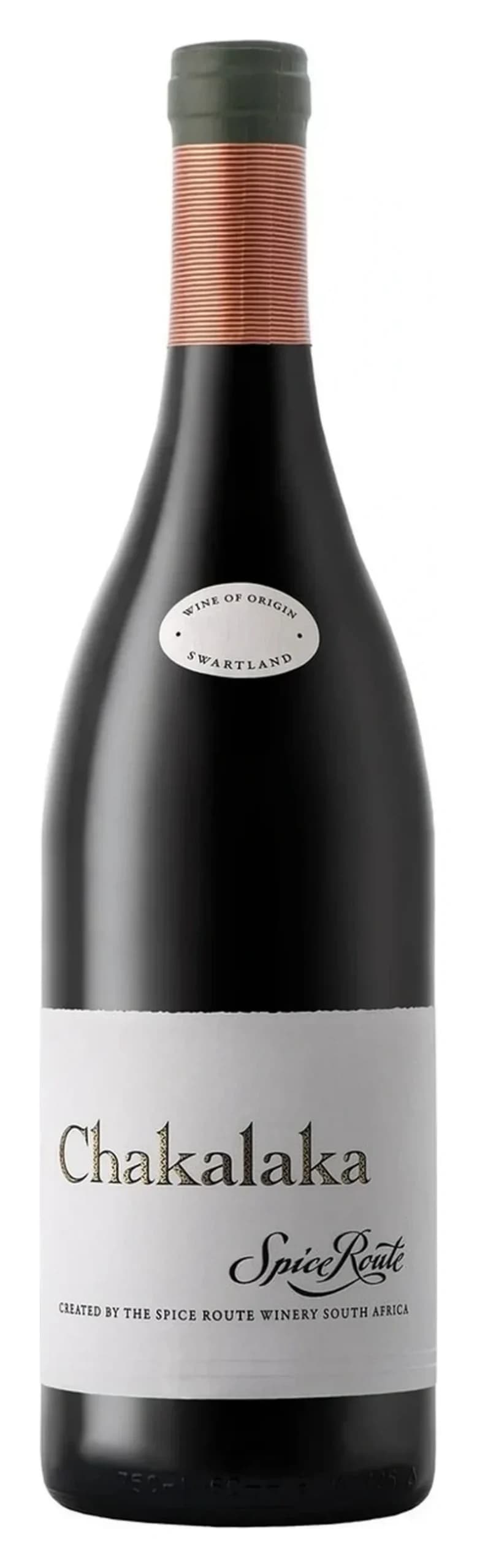
Spice Route Wines
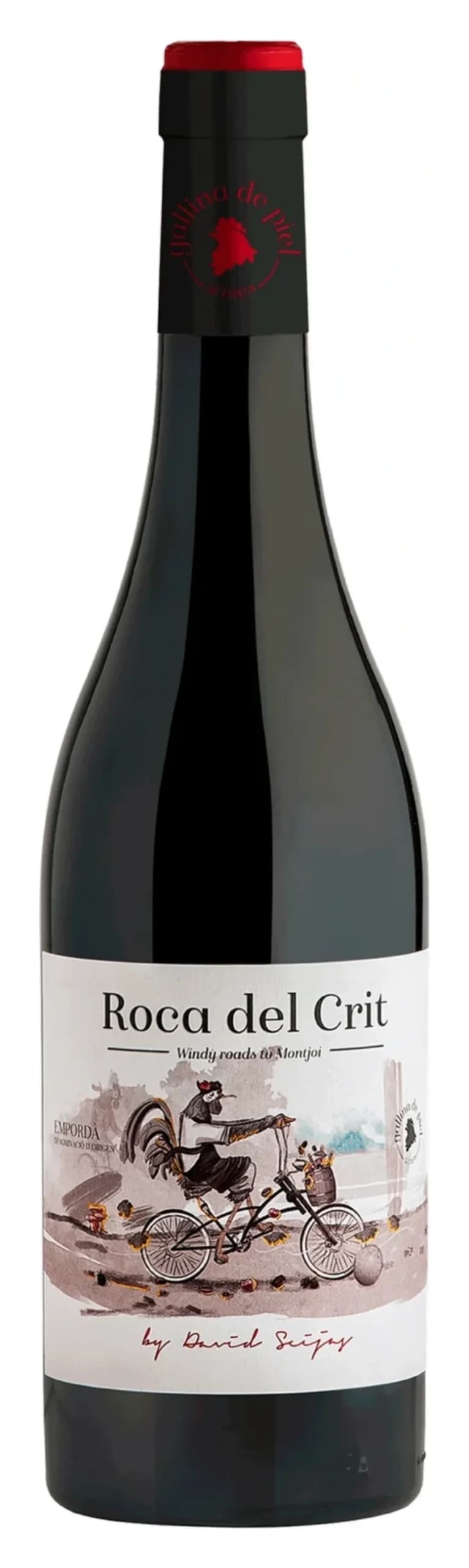
Gallina De Piel Wines
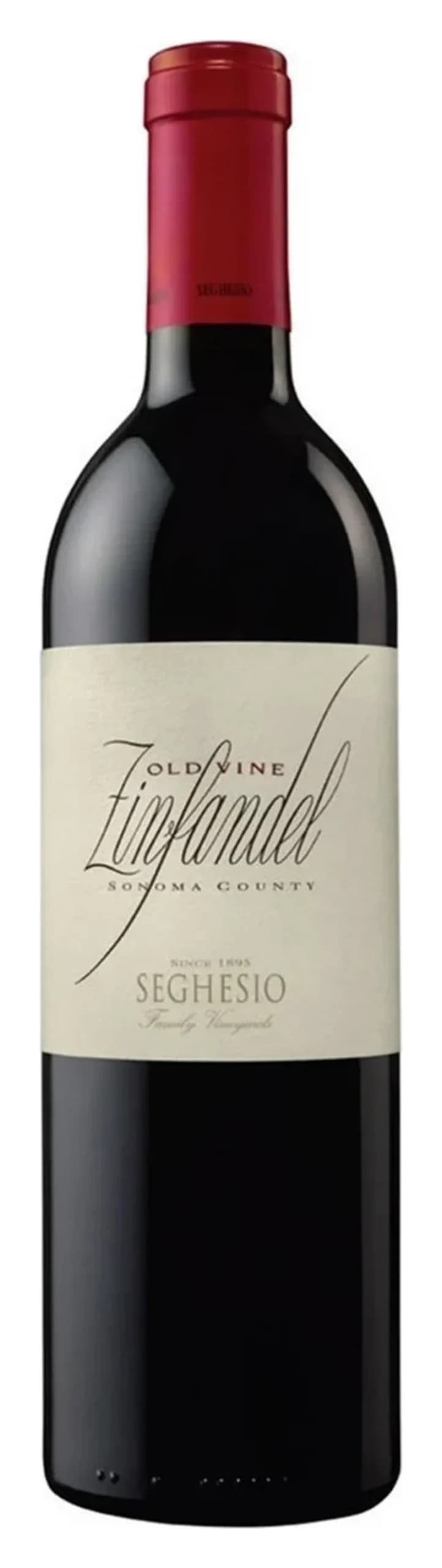
Seghesio Family Vineyards
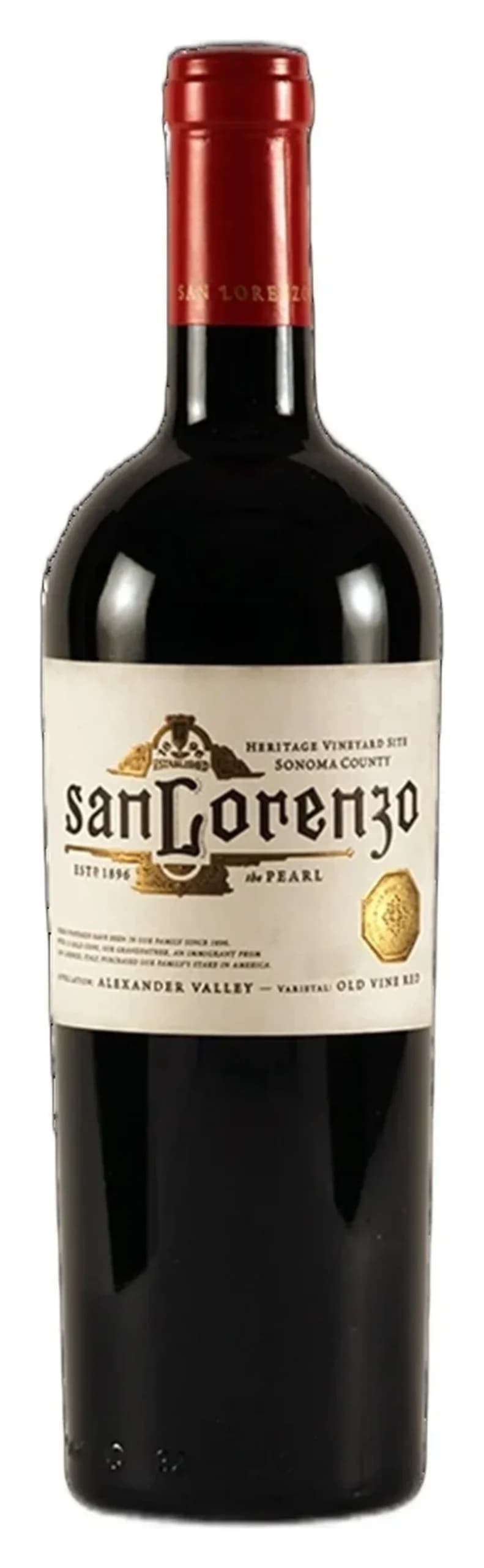
Journeyman Wines
Carignan, also called Mazuelo in Spain and Carignano in Italy, is a vigorous late-ripening black grape that thrives only in Mediterranean climates. Once France's most-planted vine, it fell from favour due to its austere character, yet superior examples from old bush vines demonstrate remarkable concentration and depth. The best carignan wine balances its naturally high acidity and tannins through careful site selection, yield management, and thoughtful winemaking.
Carignan occupies a spectrum from austere to complex, shaped fundamentally by climate, vine age, and production choices. In cooler sites or from young, high-yielding vines, it produces straightforward wines: medium ruby colour, simple blackberry and plum notes, prominent acidity and firm tannins, with occasional bitterness. These lack finesse and suit neither early drinking nor serious ageing. Colour intensity and tannin weight are consistently high regardless of site, marking the grape's natural signature.
From old bush vines in warm Mediterranean locations—particularly Priorat in Spain or Fitou in France—the transformation is dramatic. Wines develop pronounced black fruit, earthy minerality, spice and herb-tinged complexity. Full body, velvety texture and oak-like richness emerge without new wood aging, a function of severely restricted yields that concentrate phenolics and intensify flavour in every berry. Acidity remains pronounced but gains structure rather than harshness. These are wines of serious intent: concentrated, ageworthy, commanding premium prices.
Carbonic maceration, traditional in southern France, softens astringency by limiting tannin extraction, yielding brighter, more approachable fruit profiles. Blending—particularly with Grenache, Mourvèdre or Syrah—integrates Carignan's power within broader aromatic and textural frameworks. Oak adds richness but Carignan's native character resists subtle oak influence; it demands respect rather than masking.
Carignan's late ripening confines it to warm regions. In southern France, it dominates Languedoc and Roussillon, though regulations now cap its percentage in favour of Syrah and Mourvèdre. Fitou, Corbières, and Minervois showcase its potential when restricted and blended.
Spain's finest examples emerge from Priorat in Catalonia, where schist soils and old vines produce the world's most celebrated Carignan-dominant reds. It features in Rioja and other northeastern regions under the synonym Mazuelo, though at reduced significance. Italy grows it primarily on Sardinia, where Carignano del Sulcis achieves savoury depth and velvety texture.
Israel, Chile's Maule region, and California's coastal counties maintain old-vine plantings that concentrate flavour and colour intensity into wines of remarkable depth. Australia uses it occasionally in blends; South Africa produces rare varietal examples from old bush vines.
Entry-level carignan from high-yielding vineyards offers acceptable, inexpensive reds: medium-bodied, straightforward blackberry, high tannins, best consumed young. Quality improves markedly with yield reduction and old-vine selection. Premium examples from Priorat, Fitou, or exceptional Chilean producers deliver very good to outstanding intensity: concentrated dark fruit, mineral and savoury notes, structured tannins, and alcohol levels around 14–15% that add body and persistence, making these wines capable of 10–20 years' cellaring as the tannins gradually resolve into silken complexity. These command mid- to super-premium pricing. Carbonic maceration yields fresher, lighter styles intended for near-term drinking. Carignan occasionally appears in blends, contributing colour, structure and acidity where other varieties provide perfume and elegance.
Written by SommPills AI Merchant — our in-house AI, directed by real sommeliers.