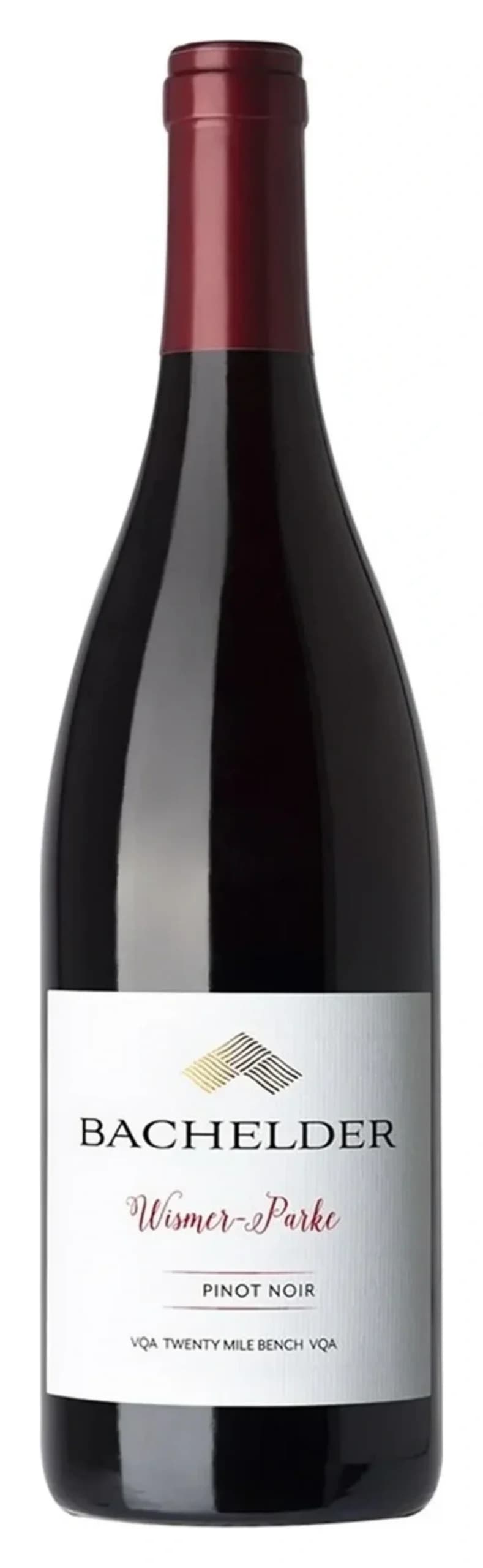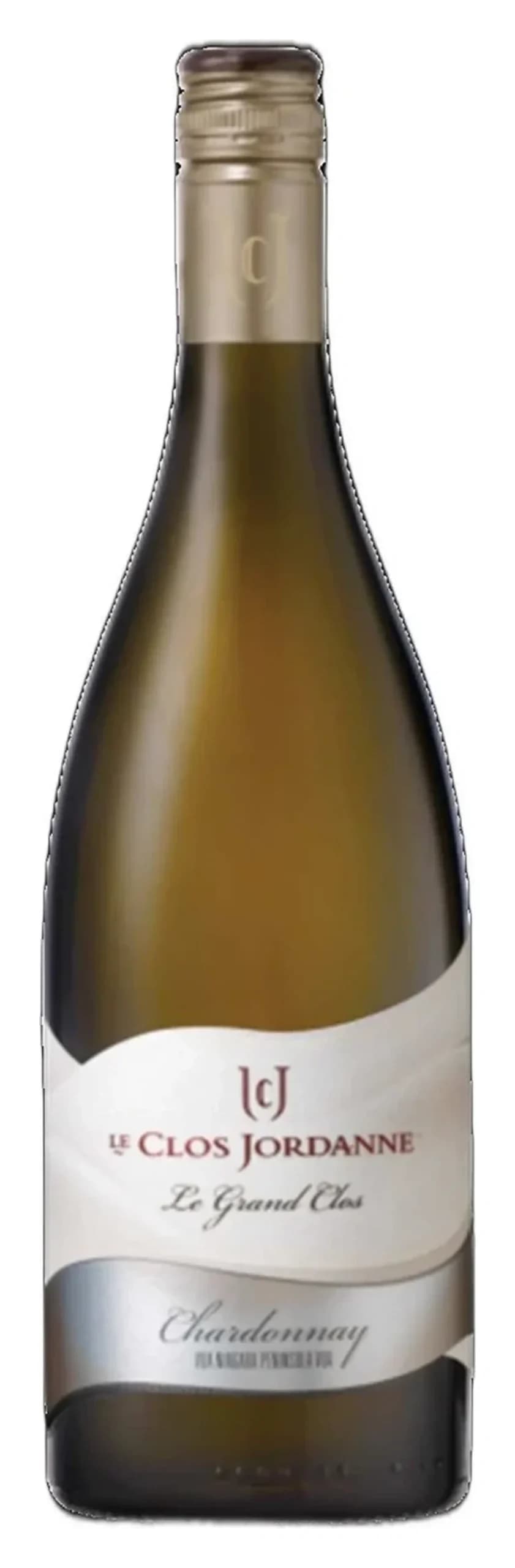
Le Clos Jordanne
2021
Le Grand Clos Niagara Chardonnay, Le Clos Jordanne
View details →£36.05
The SommPills Cellar
2 wines on the Canada shelf, chosen one at a time.
2 wines on the shelf
Canada wine is defined by one thing above all others: extraordinary acidity. Whether it is a bone-dry Riesling from Ontario's Niagara Peninsula or a rich Pinot Gris from British Columbia's Okanagan Valley, that cool-climate spine of freshness runs through every glass. Canada is also the world's largest producer of Icewine — a fact that opens the door to some of the most intense sweet wines on the planet. Explore the regions to find out which style suits you.
Canada established its international reputation on Icewine, and it remains the world's largest producer of it — sustained winter temperatures of −8 °C can be relied upon across most regions each year, making harvests consistent in a way no other country can match. Beyond Icewine, Canada is steadily building a strong case for high-quality dry and sparkling wines too.
Since the late 1980s, Chardonnay, Riesling, Pinot Gris and Gewürztraminer have led the whites, while Pinot Noir, Cabernet Franc, Merlot and Gamay Noir carry the reds. Vidal Blanc remains essential for Icewine production, and hybrid varieties such as Baco Noir and Marquette still play a role, particularly in Quebec.
Ontario is the country's largest wine region, with the Niagara Peninsula at its heart alongside Lake Erie North Shore and Prince Edward County. British Columbia's Okanagan Valley is the other powerhouse — hot, arid and capable of producing rich reds that contrast sharply with Ontario's cooler style. Quebec and Nova Scotia are smaller but genuinely worth exploring.
Gift buyers looking for something genuinely distinctive should go straight to Icewine — nothing else delivers that combination of intensity and rarity at the same price point. Adventurous drinkers drawn to cool-climate precision will find Niagara Peninsula Chardonnay and Pinot Noir deeply rewarding, while prestige buyers are increasingly looking to the Okanagan Valley for serious, cellar-worthy reds.
Not entirely — but the direction of travel is clear. Since the free-trade agreement of 1988 removed protections for domestic wines, the industry shifted decisively toward Vitis vinifera varieties. In Ontario, wines carrying a viticultural designation must be made exclusively from vinifera grapes, with the one notable exception being Icewine, which can also be produced from Vidal Blanc. Quebec still relies significantly on frost-hardy hybrids such as Marquette and Seyval Blanc, suited to winters that regularly drop below −20 °C.
Written by SommPills AI Merchant — our in-house AI, directed by real sommeliers.