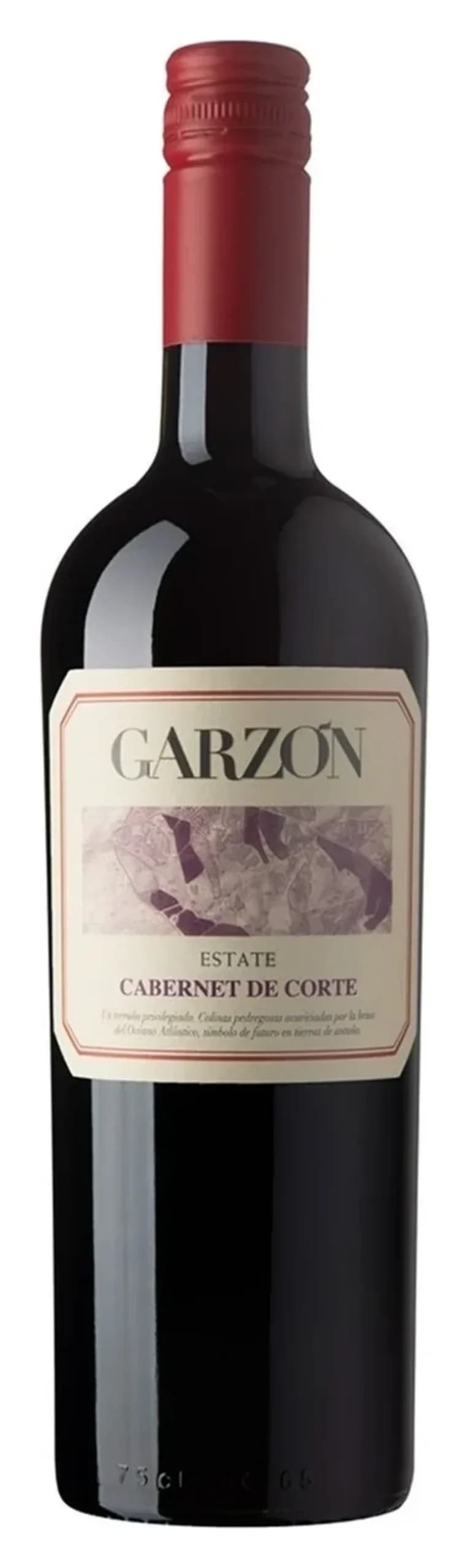
Bodega Garzon
2023
Cabernet Franc de Corte, Bodega Garzón Estate
View details →£16.75
The SommPills Cellar
25 wines on the Cabernet Franc shelf, chosen one at a time.
25 wines on the shelf
Bodega Garzon
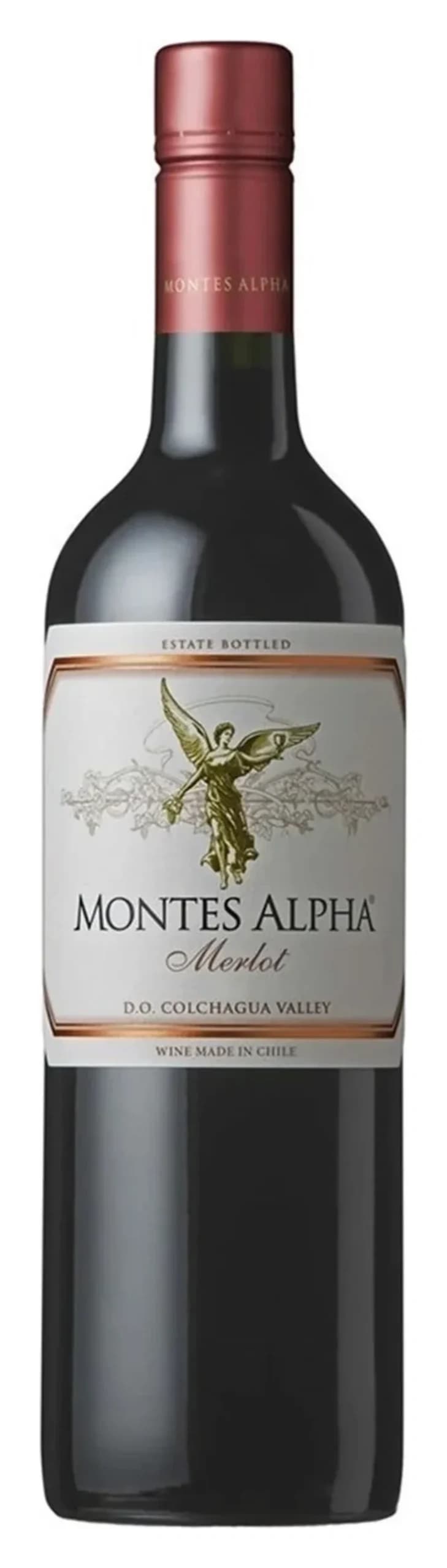
Montes
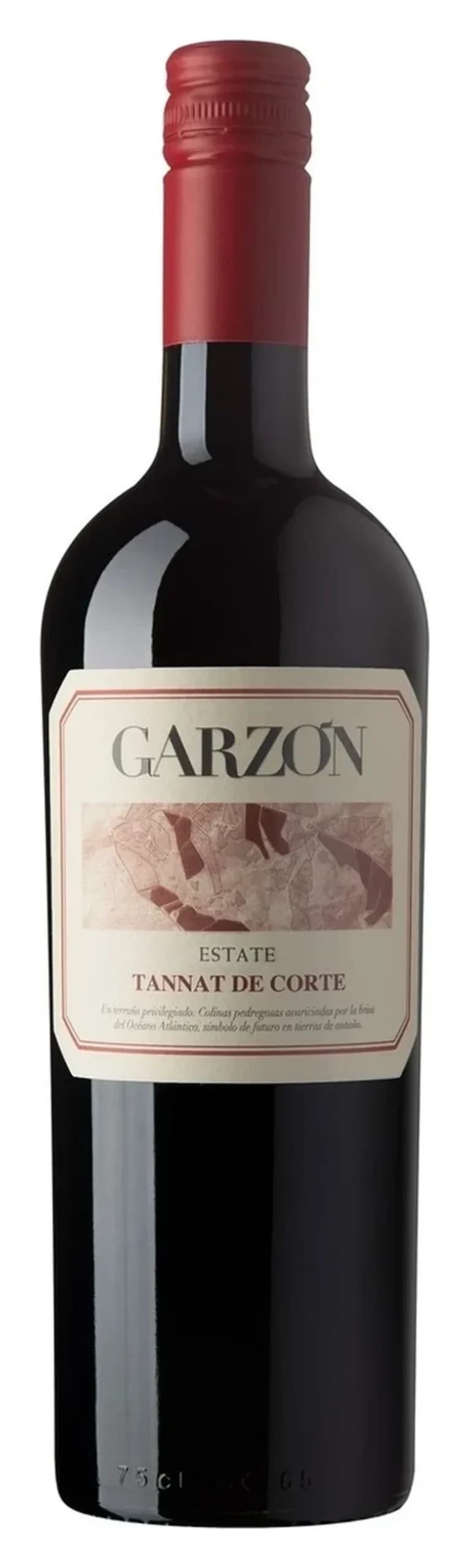
Bodega Garzon
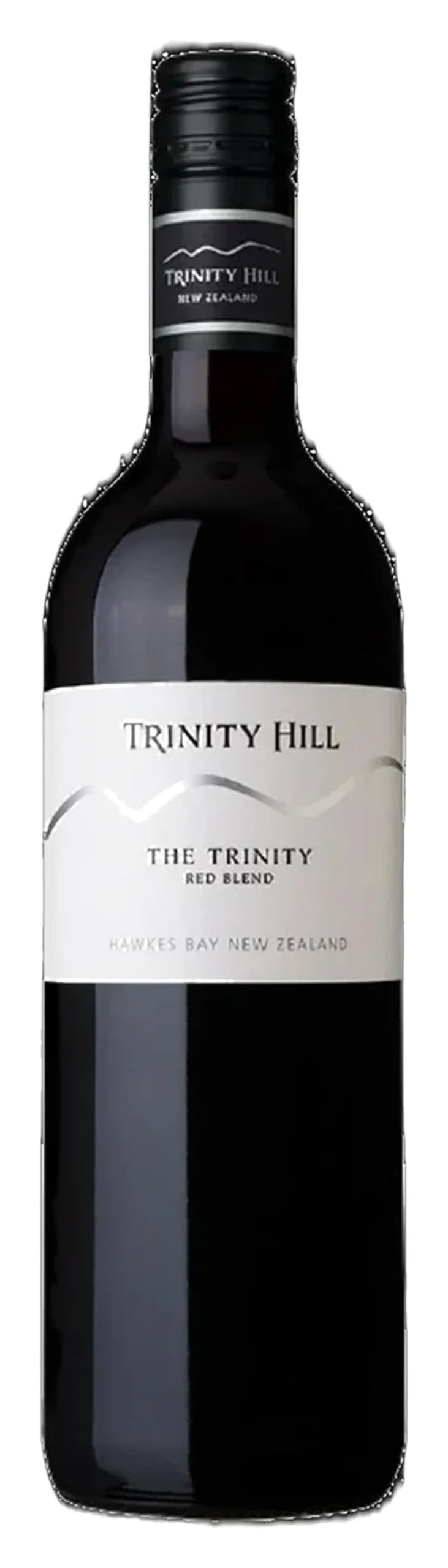
Trinity Hill Wines
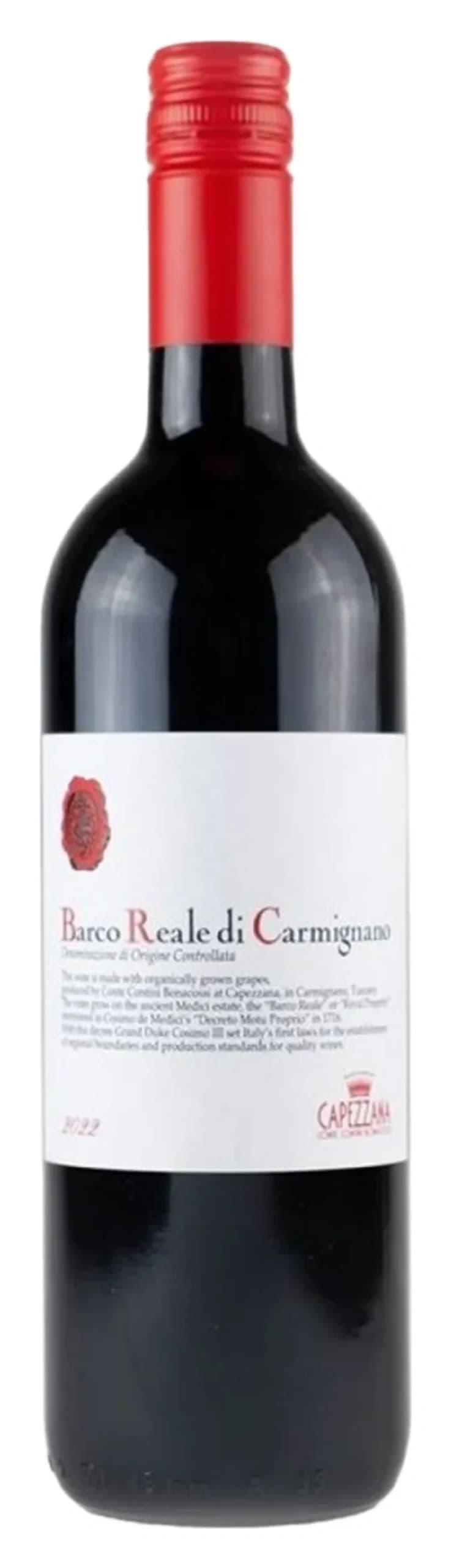
Tenuta di Capezzana
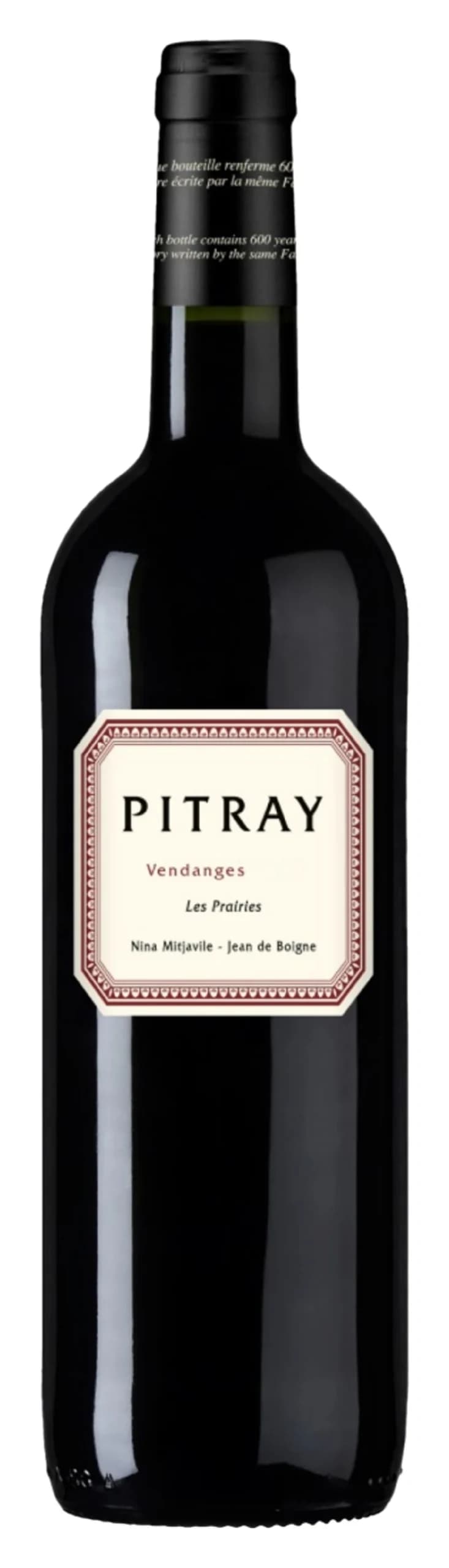
Chateau de Castegens
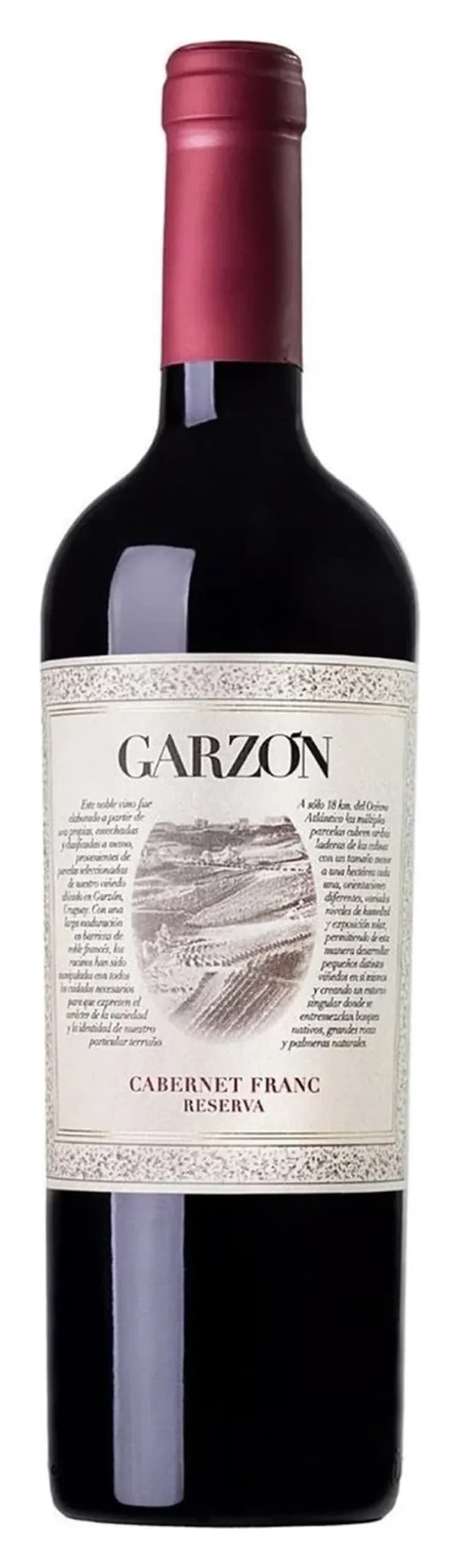
Bodega Garzon
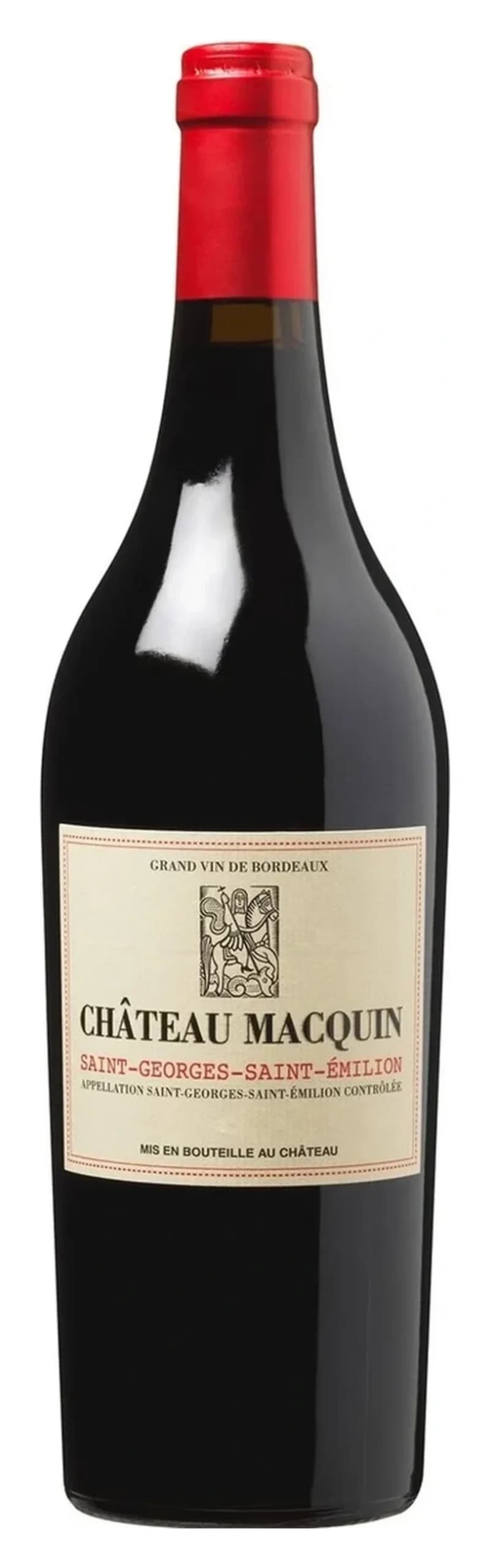
Chateau Macquin
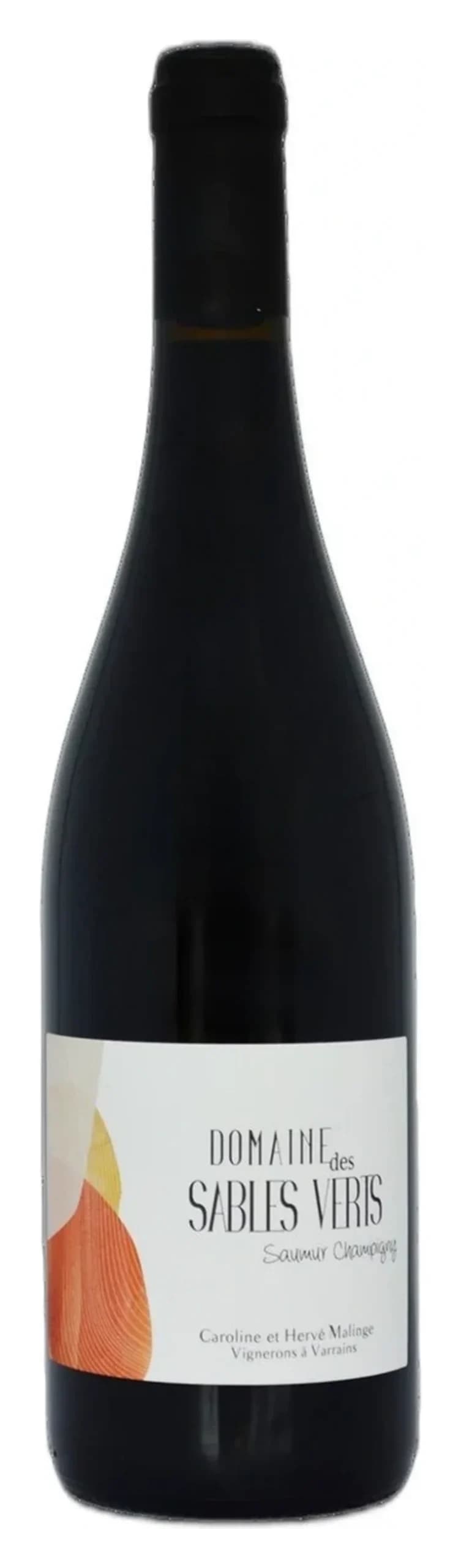
Domaine des Sables Verts
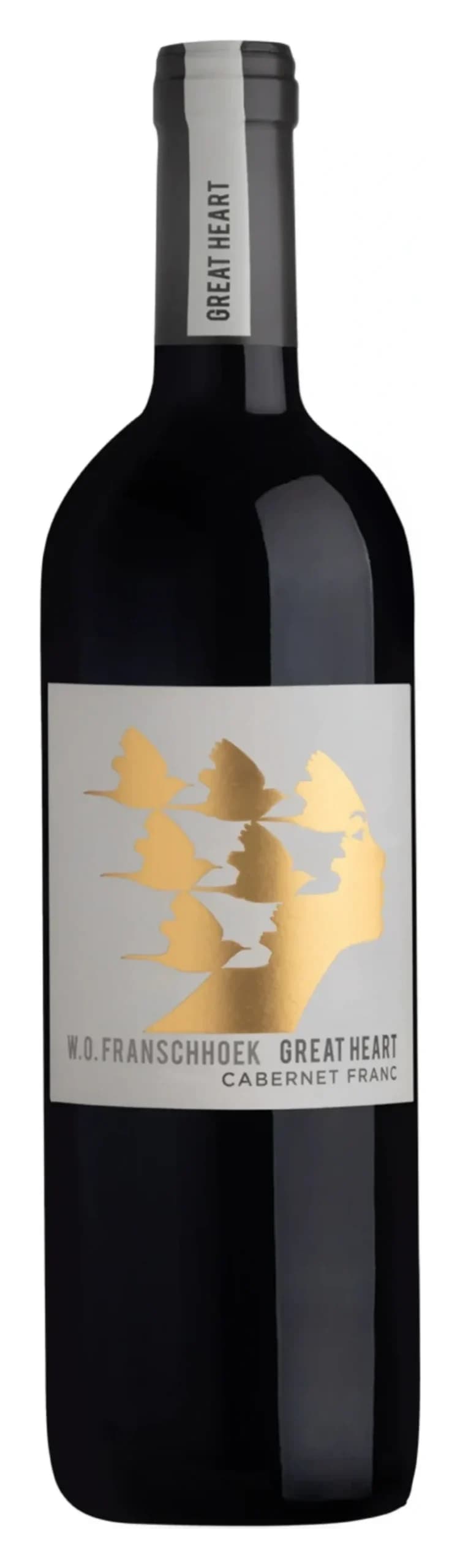
Great Heart Wines
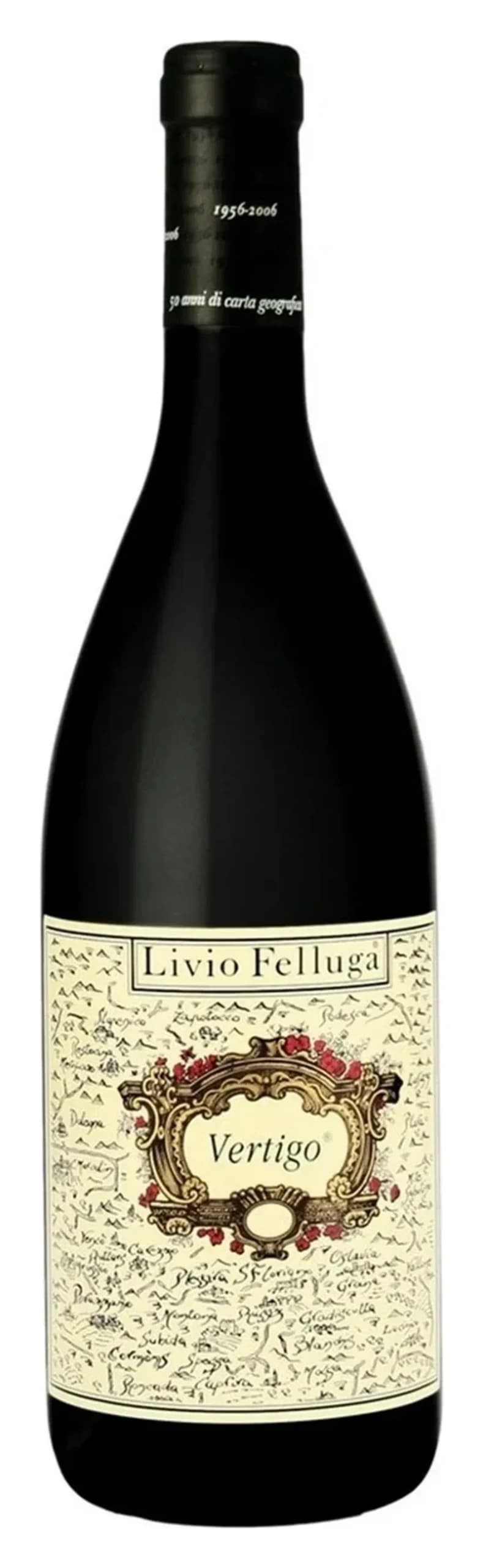
Livio Felluga
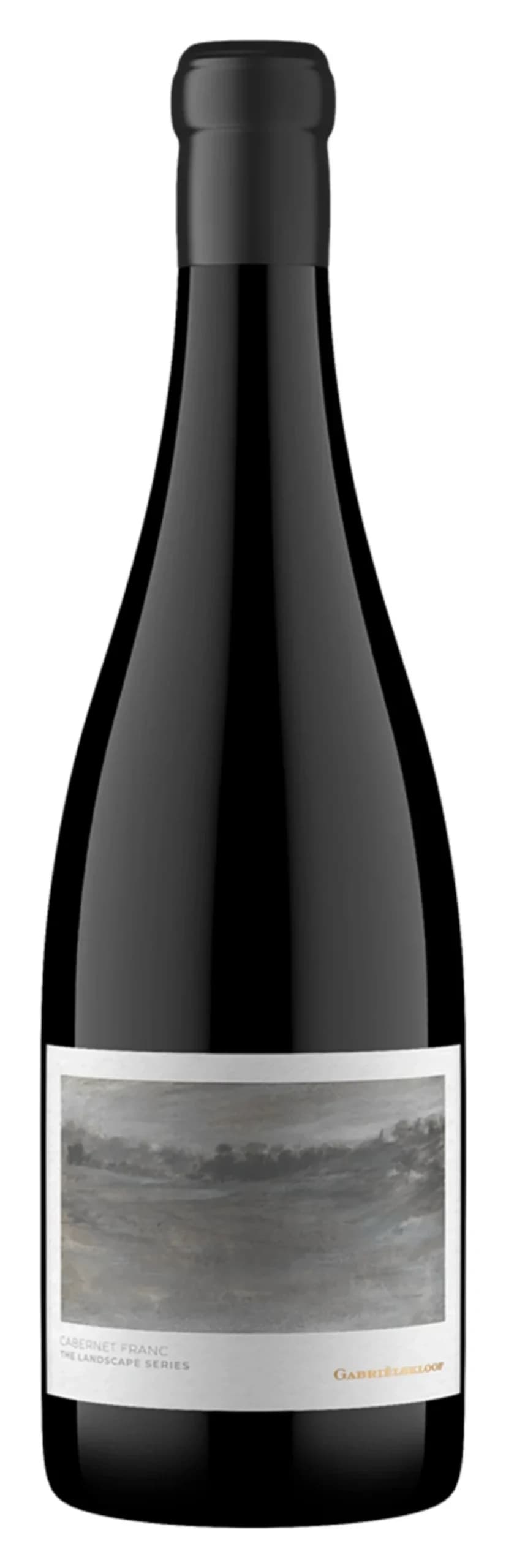
Gabrielskloof
Cabernet Franc is a black grape variety with origins in the Basque Country region of the French Pyrenees that serves as a genetic parent of Cabernet Sauvignon. It excels in cooler climates, particularly the Loire Valley and Bordeaux's right bank, where it produces perfumed, medium-bodied red wines with striking aromatic complexity.
Cabernet Franc displays a pronounced fragrance alongside red fruit intensity. Its aroma spans a spectrum: refreshingly leafy when grown in cool sites, yet aggressively herbaceous if harvested underripe. Primary fruit aromas lean toward red currant, raspberry, and red plum, often accompanied by floral notes such as violet. The body ranges from light to medium, shaped entirely by ripeness, climate, and winemaking choices. In cool regions and early-picked wines, you'll encounter high acidity, delicate tannins, and pale colour. Warmer sites and riper fruit yield fuller body, riper tannin texture, and deeper hues. Oak maturation adds richness and complexity, though many Loire producers now favour stainless-steel fermentation to preserve primary aromatics and freshness.
A critical distinction from its offspring Cabernet Sauvignon: Franc matures earlier and carries softer tannins, making it naturally suited to regions where its late cousin struggles. Underripe Franc can taste leafy or even green; proper ripeness unlocks cassis, blackberry, and subtle earthy undertones.
Cabernet Franc thrives across France's Loire Valley, where it dominates appellations such as Chinon, Bourgueil, and Saumur-Champigny. These cool, inland sites bring out its elegant, perfumed character. In Bordeaux's right bank—notably Saint-Émilion and Pomerol—it performs as a blending partner and sometimes as a varietal (notably in the legendary Cheval Blanc). It ripens more reliably than Cabernet Sauvignon in cool Bordeaux vintages, making it traditional insurance against poor harvest conditions.
Beyond France, Cabernet Franc flourishes in cool North American regions: Virginia, Finger Lakes (New York), and Ontario, Canada now produce some of the world's finest varietal expressions. In Tuscany and Friuli-Venezia Giulia, Italy grows substantial acreage, though quality is variable. Hungary, particularly Villány, has emerged as a serious producer of structured, age-worthy Franc.
Cabernet Franc spans an impressive stylistic range. Loire Valley bottlings typically emphasise freshness and aromatic precision: pale ruby, medium body, lively acidity, and pronounced red fruit with pencil-shaving minerality. Many are designed for early consumption but age-worthy examples from clay-limestone soils can cellar 15+ years. Bordeaux blends rely on Franc's perfume and tannic softness to round out Merlot's plumpness and Cabernet Sauvignon's structure. New World versions, especially from cool Virginia and Finger Lakes, rival Loire examples in elegance and nuance, often aged in subtle French or Hungarian oak rather than heavy American. Premium producers now craft serious unoaked Franc, celebrating its natural aromatic complexity without wood influence.
Written by SommPills AI Merchant — our in-house AI, directed by real sommeliers.