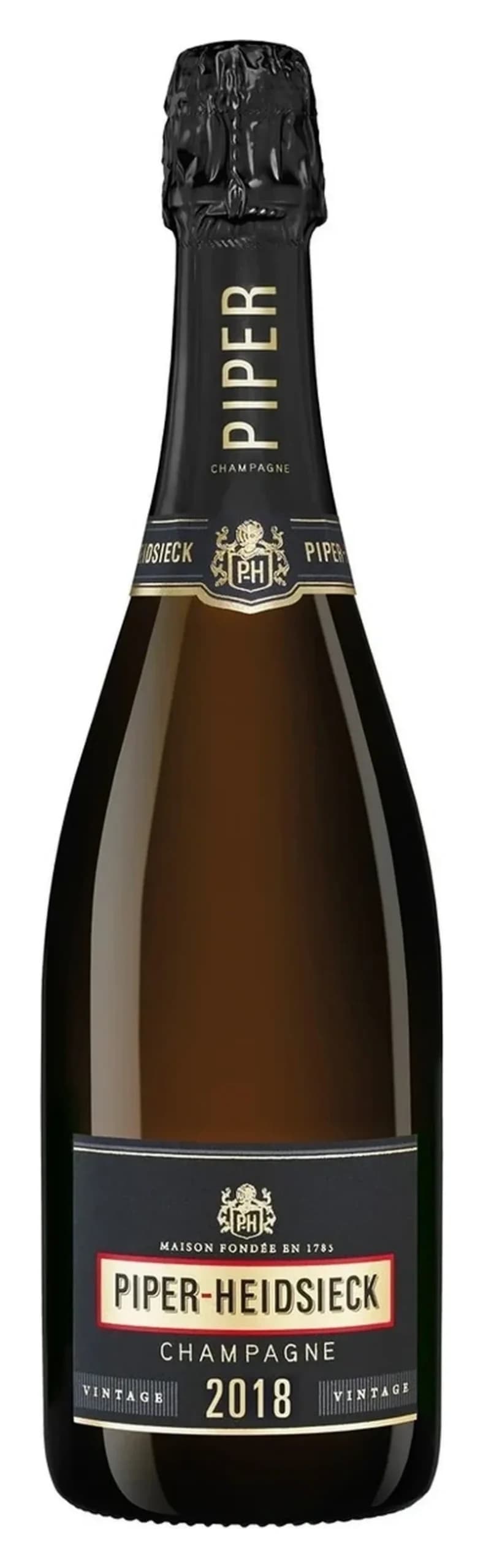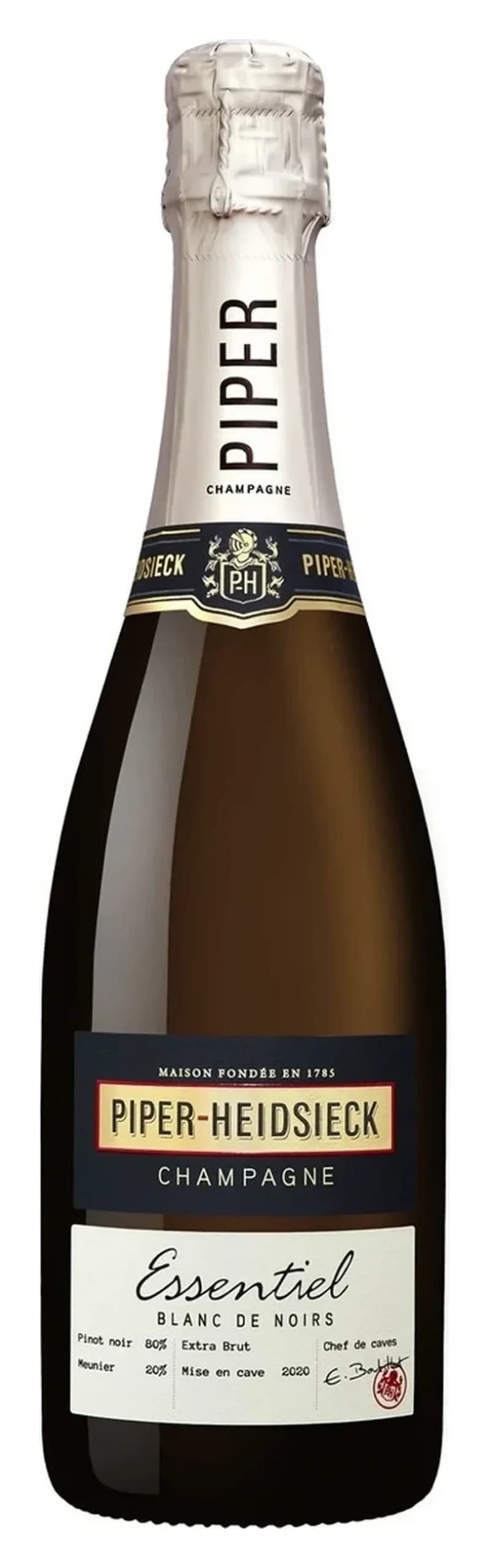
Blanc de noirs champagne is white Champagne made entirely from black grapes — Pinot Noir, Meunier, or a blend of the two. No Chardonnay anywhere near it. The skins get pressed off fast, before they can stain the juice, so what lands in your glass is pale gold rather than pink, even though that same fruit would make a perfectly good red wine if you let it sit on its skins a while longer. By the end of this you’ll know what sets a blanc de noirs apart from the everyday blend, how it stacks up against blanc de blancs, and whether it’s worth reaching for next time you’re choosing a bottle.
What is a Blanc de Noir Champagne?
A Blanc de Noir Champagne is a white sparkling wine made exclusively from red-skinned grapes — Pinot Noir, Meunier, or both, never Chardonnay. Producers press the whole bunches gently and pull the pale juice off the skins almost immediately, so colour barely gets the chance to leach in. It looks every bit as white as a blanc de blancs, but it’s built with a different kind of weight.
The technique isn’t new. Gentle whole-bunch pressing of black grapes to keep colour out was already a specialist skill in Champagne back in the late seventeenth century, long before “blanc de noirs” became a term you’d find printed on a label. Because so little skin contact happens, the wine can carry a faint gold tinge, or even a whisper of pink some vintages. That’s not a fault. It’s just how gently the press worked that particular pick.
What you’re tasting isn’t neutral, either. Pinot Noir tends to bring red-fruit weight and a fuller body to the glass. Meunier — a mutation of Pinot with a slightly floury look to its leaves, which is where the name comes from — brings a softer, more forward fruitiness that’s genuinely useful for wines meant to be drunk on the earlier side, though a handful of growers do age Meunier-led cuvées for the long haul with real success. If you want to see Pinot Noir show its red side properly rather than hide behind bubbles, Spätburgunder vs red Burgundy: can German Pinot Noir compete? is worth a read.
What is the difference between Blanc de Blancs and Blanc de Noirs?
Blanc de blancs is 100% Chardonnay — full stop (its grand cru heartland is the Côte des Blancs, villages like Le Mesnil-sur-Oger and Avize). Blanc de noirs is the opposite number: 100% black grapes, sourced more often from the Montagne de Reims, the Marne Valley or the Côte des Bar. One tends to be lean and chalky, the other fuller and rounder — same region, wildly different results depending on grape and ground, a bit like the split you’ll find between Sancerre and Marlborough Sauvignon Blanc.
| Blanc de Blancs | Blanc de Noirs | |
|---|---|---|
| Grapes | 100% Chardonnay | 100% Pinot Noir and/or Meunier |
| Classic ground | Côte des Blancs | Montagne de Reims, Vallée de la Marne, Côte des Bar |
| Typical character | Lean, austere young, citrus-driven | Fuller-bodied, red-fruited, rounder texture |
| Ageing | Often the longest-lived style in Champagne | Generally thought to develop faster |
Neither is “better” — they’re just built differently, and a lot of the everyday non-vintage blend most people drink sits somewhere between the two, using both to round each other out. If you want the fuller picture of how all these styles fit together across a producer’s range, our pillar guide to Champagne walks through the whole lot.
How to serve blanc de noirs so it earns its price
Trade pairing guidance tends to steer this style away from red meat, and away from sweet dishes if you’re pouring the dry brut version — the fuller body can read as heavy against both. Where it does shine is with richer fish, mushroom-driven dishes, or just on its own with a decent glass, not a flute (fuller wines lose their shape crammed into a narrow tube — give the aromas room). If you happen to land a doux, sweeter style, that’s the one to bring out alongside fresh fruit rather than the roast.
I used to pour blanc de noirs the same way I poured everything else — cold, in a flute, job done. Took me longer than I’d like to admit to work out that the fuller, weightier styles want a bit more air and a slightly bigger glass to actually show what they’re doing. Small thing. Makes a real difference on a Tuesday when you’re not trying to impress anyone, just want the wine to taste like what it is.
Is Blanc de Noir good?
Yes, broadly — recent trade panel tasting of blanc de noirs Champagnes found the overwhelming majority rated Highly Recommended or above, out of nearly 80 wines tasted, with a couple reaching Outstanding. Quality across the category is solid whichever price point you’re at. Whether it’s good for you comes down to preference: fuller, red-fruited fizz over the leaner, more austere Chardonnay route.
Style range within the category is genuinely wide. A Pinot Noir-heavy wine from the Montagne de Reims will read very differently to a Meunier-forward bottle from the Vallée de la Marne, and growers in villages more famous for Chardonnay — Trépail, for instance — occasionally turn out small parcels of blanc de noirs that surprise everyone, terroir winning out over what the grape “should” taste like. It’s rarer outside Champagne too. English sparkling wine producers working with Pinot Noir and Meunier off chalk in Kent and Sussex are making increasingly serious versions of the style, and in South Africa’s Methode Cap Classique scene, where Chardonnay-led fizz is the norm, blanc de noirs remains very much the minority choice. Rarity isn’t quality on its own, mind — but it does mean you’re less likely to have tried six of them already.
Questions customers ask us
What Champagne was served at William and Kate’s wedding? That’s not a detail I’ve got a solid source for, so I’m not going to guess and dress it up as fact. What I can say is that fuller-bodied styles like blanc de noirs get chosen for big celebratory tables fairly often, and it’s easy to see why once you’ve tasted one.
Can blanc de noirs be a still wine, not just Champagne? Yes — the technique of pressing black grapes gently to draw off pale juice isn’t exclusive to sparkling wine or to Champagne. It shows up in still wines elsewhere too, sometimes with a faint pink tinge depending on how much skin contact happened before pressing.
Does blanc de noirs always taste heavier than blanc de blancs? Generally yes, but “heavier” covers a lot of ground — a Meunier-led wine built for early drinking is a very different weight to an old-vine Pinot Noir cuvée from a grand cru site. Region and grower matter as much as the grape rule on the label.
The merchant’s last word
I’ll be honest — for years I sold blanc de noirs as an afterthought, the wine you reach for once someone’s already decided against blanc de blancs. That was lazy of me. It’s its own thing, built for a different Tuesday, a different table, a different mood. Give one a proper glass and a bit of attention and it’ll tell you why Champagne was built on Pinot long before Chardonnay got famous. Fancy trying one? Browse the champagne cellar.