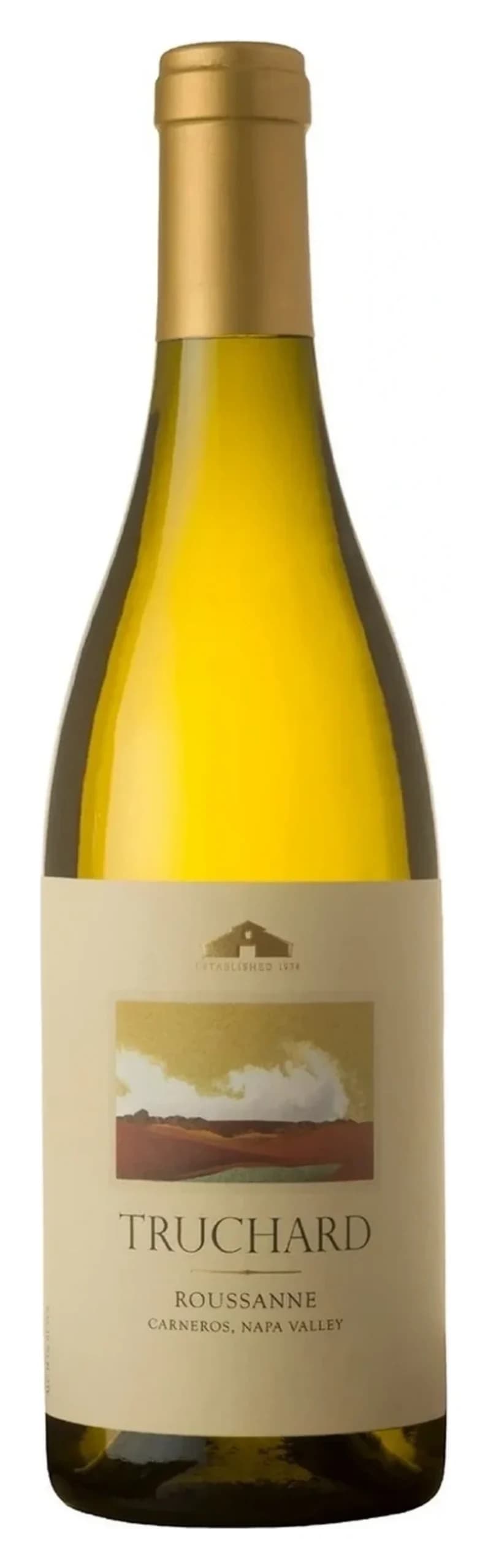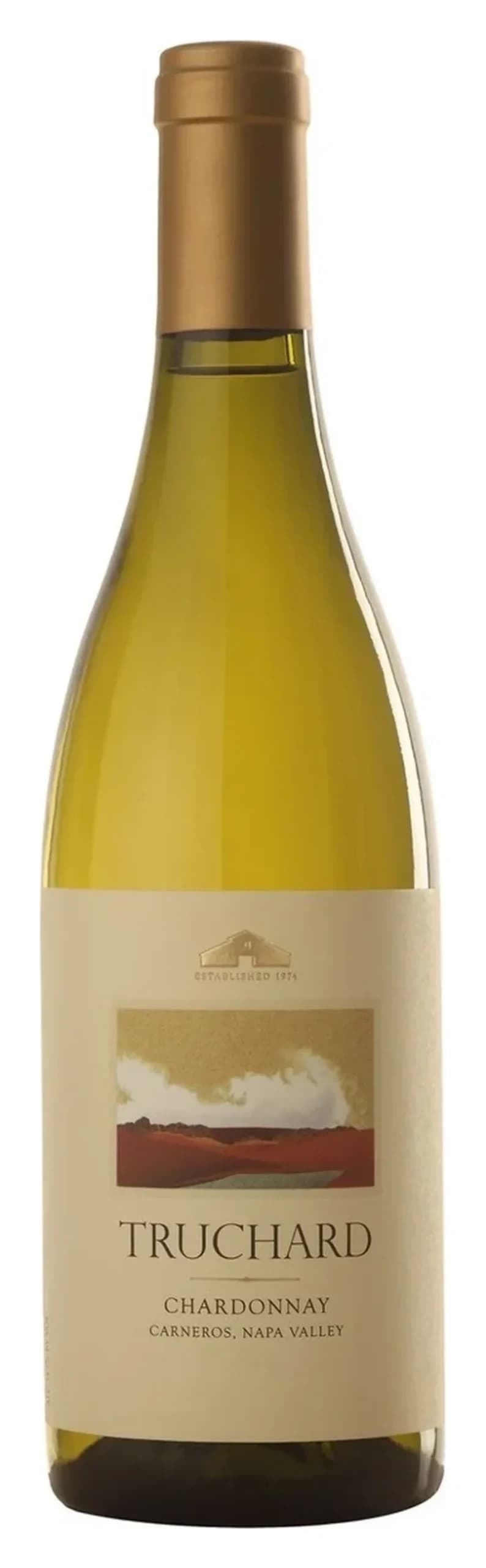
Sonoma vs Napa is the question every customer eventually asks me, usually holding two bottles and looking faintly lost. Fair enough — the two sit either side of one mountain range and get lumped together in every guidebook going. Napa Valley is a single, famous AVA east of the Mayacamas Mountains, built largely around Cabernet Sauvignon and wine tourism. Sonoma County is bigger and looser, home to around 18 separate AVAs, and was growing Zinfandel and Pinot Noir long before Napa got its name in lights. And since the question under the question is nearly always money, money is the lens we’ll use the whole way through. By the end of this you’ll know which side to point yours at — and why the map matters more than the postcode.
Are Napa Valley and Sonoma the same?
No — they’re neighbours, not the same thing, though plenty of people say “napasonoma” like it’s one word. Napa is a single county built around one main AVA. Sonoma is a bigger county holding roughly 18 AVAs. They share a border along the Mayacamas Mountains and even share one appellation, Carneros, which straddles both sides.
Napa is a small city that lends its name to Napa County and to Napa Valley itself. Its wine story, on paper, starts in the winter of 1838–9, when the early settler George Yount planted the area’s first vinifera vines on land granted to him by the Mexican government. Sonoma got there first, actually — Russian colonists were growing vines around Fort Ross from 1812, with Spanish missionaries arriving in the 1820s. I used to assume Napa was the elder of the two. It isn’t.
Pull up any napa valley vs sonoma valley map and you’ll see the two valleys running roughly parallel, one ridge apart. Sonoma Valley AVA — itself just one of Sonoma’s 18 — sits in the county’s south-east, bordered east by the Mayacamas and west by the Sonoma Mountain range, which shelters it from the Pacific. Its southern end, opening onto San Pablo Bay, is the coolest part; its smaller sub-appellations include Sonoma Mountain and Bennett Valley to the north and Carneros to the south. Napa Valley vs Sonoma, on paper, is really “one valley” vs “eighteen” — and that’s the arithmetic under every price difference that follows: one famous name concentrates demand, eighteen scattered ones dilute it.
How far apart are Napa Valley and Sonoma?
Not far at all. One mountain range, the Mayacamas, separates the two valley floors, running roughly 80km from the Mendocino border down to San Pablo Bay. Both towns sit under two hours from San Francisco. You could taste in Sonoma Valley over breakfast and be up at Rutherford by lunch, traffic allowing.
That Mayacamas range is doing more work than most visitors realise. It divides Mendocino and Lake counties to the north, then runs south for over 80km, forming the spine between Napa and Sonoma all the way down to the bay. Where the range finally runs out of hill, at the southern tip, sits Carneros — the one AVA genuinely shared by both counties. Grapes grown on the Sonoma side can be labelled Sonoma County; grown on the Napa side, Napa Valley; blended across the line, the wine can only be called Carneros. It’s a tidy bit of wine law that solves what would otherwise be an endless argument.
On the ground, Napa’s valley floor is threaded by two roads running north to south — Highway 29 on the west side, past most of the well-known names, and the quieter Silverado Trail to the east. Sonoma has no single spine like that; its 18 AVAs scatter across a much wider, hillier county. The mountain, note, charges nobody a penny — the price difference between the two sides is built by reputation, not geology.
If you want the fuller picture of how California sits inside the New World, our pillar piece on The Americas, from California to Patagonia: a merchant’s guide to New World wine is worth a look before you go shopping.
Sonoma vs Napa: how to pick your grape
Napa’s reputation rests on Cabernet Sauvignon, and there’s a geographic reason for it. The Mayacamas’ eastern flank carries mountain AVAs — Diamond Mountain District, Spring Mountain, Mount Veeder — while the valley floor beneath them, around Oakville, Rutherford and Yountville, sits on volcanic, well-draining soil that Cabernet clearly likes. It’s a genuinely small patch of land by California’s standards, trade estimates put Napa’s planted area at around 4% of the state’s total vineyard — which helps explain why the label carries such weight.
Sonoma plays a wider hand. Historically, Zinfandel was its most important grape, and old vines still stand in Dry Creek Valley. Today Pinot Noir and Chardonnay lead, especially through Russian River Valley and the cooler, foggier Sonoma Coast. But Cabernet does well here too, in warmer inland pockets like Knights Valley and Sonoma Mountain, and it took me longer than it should have to start recommending Sonoma Cabernet with a straight face. The Mayacamas doesn’t only favour Napa — Sonoma just took longer to get the credit.
| Area | Known for | Character |
|---|---|---|
| Napa valley floor (Oakville, Rutherford, Yountville) | Cabernet Sauvignon | Polished, built for visitors |
| Napa mountain AVAs (Spring Mountain, Diamond Mountain, Mount Veeder) | Structured Cabernet | Steeper, smaller lots |
| Sonoma Valley & Carneros | Chardonnay, Pinot Noir | Cooler, bay-influenced |
| Russian River Valley / Sonoma Coast | Pinot Noir, Chardonnay | Foggy, coastal |
| Dry Creek Valley | Old-vine Zinfandel | Rustic, warmer |
| Knights Valley / Sonoma Mountain | Cabernet Sauvignon | Warm, less crowded |
Three steers I give across the counter, in order: pay the Napa premium only when Cabernet is the whole point of the evening; for Cabernet character without the tag, hunt out Knights Valley or Sonoma Mountain on the label; and for Pinot Noir or Chardonnay, Sonoma isn’t the compromise — it’s the first choice. If Cabernet’s your target, our separate piece on Napa Valley Cabernet: what you’re actually paying for goes further into why that particular label costs what it does.
Which is cheaper, Napa or Sonoma?
On the ground, Napa is the pricier trip. The county built its whole trade around hospitality — hotels, tasting fees, farm-to-table restaurants — and prices reflect that. Sonoma tends to feel more relaxed and lighter on the wallet, leaning on smaller, family-run estates and casual tastings. In the bottle, it’s less clear-cut: Napa Cabernet carries a premium for its name, but plenty of Sonoma Pinot Noir and Chardonnay sit at comparable prices once the fruit is good enough.
Trade figures from a few years back are telling: one year-long profile of Napa tourism found the county pulling in over $1.6 billion from roughly 3.3 million visitors, with 72% of that spend going on hotels alone — averaging close to $400 a day per guest — and retail the next biggest slice. Not much of it, oddly, was spent on wine itself. More recent trade coverage counts around 120 hotels and 150 restaurants clustered into Napa, against Sonoma’s smaller, younger-winemaker scene. That’s the difference in a weekend away, before either bottle gets opened.
For your shelf rather than your suitcase, the rule is simpler: the Napa name costs extra in Cabernet, and almost everything else is priced on what’s actually in the glass. Buy accordingly and you can’t go far wrong.
Getting the best from either side of the range
Style should decide how you treat the bottle, not the postcode on the label. A mountain-fruit Napa Cabernet — from Spring Mountain or Mount Veeder — is built with real structure and rewards a decent decant and a big glass; give it air before dinner, not after the first course.
A Sonoma Coast Chardonnay deserves a slightly different conversation. Sonoma’s Hanzell Vineyard was among the first in California to push French oak barrels for ageing, changing the shape of the region’s Chardonnay for good — if oak character is a mystery to you, our piece on oak in Chardonnay: what ‘oaked’ really tastes like untangles what you’re actually smelling in the glass.
For Sonoma’s cooler-climate Pinot Noir — Russian River Valley, the Sonoma Coast — serve it a touch cooler than you would a big Cabernet, closer to a good glass of red Burgundy. If that style appeals, it’s worth reading Spätburgunder vs red Burgundy: can German Pinot Noir compete? to see how the same grape behaves an ocean away. Serve either side of the mountain properly and you’ll get more back than an extra ten pounds of label money ever buys.
Questions customers ask us
Is Napa different from Sonoma? Yes — Napa is one county built mainly around a single AVA and Cabernet Sauvignon, while Sonoma is a larger, older county spanning around 18 AVAs and a much wider range of grapes.
Can a wine be labelled Napa and Sonoma at once? No, unless it’s grown in Carneros and blended from both sides, in which case it’s labelled simply “Carneros” rather than either county name.
Which region has more wineries? By most historical tallies Sonoma already counted 250 wineries by the 1920s; Napa’s modern boom largely followed from the 1960s onward. Sonoma’s history and count both run deeper and wider.
The merchant’s last word
I’ve sold both sides of that mountain for years, and I still reach for Sonoma more often on a Tuesday and Napa more often when I’m showing off. Neither is right — they’re just built for different evenings. Have a think about what’s actually in your glass tonight, then come and browse the United States cellar and let’s find the bottle that matches it.