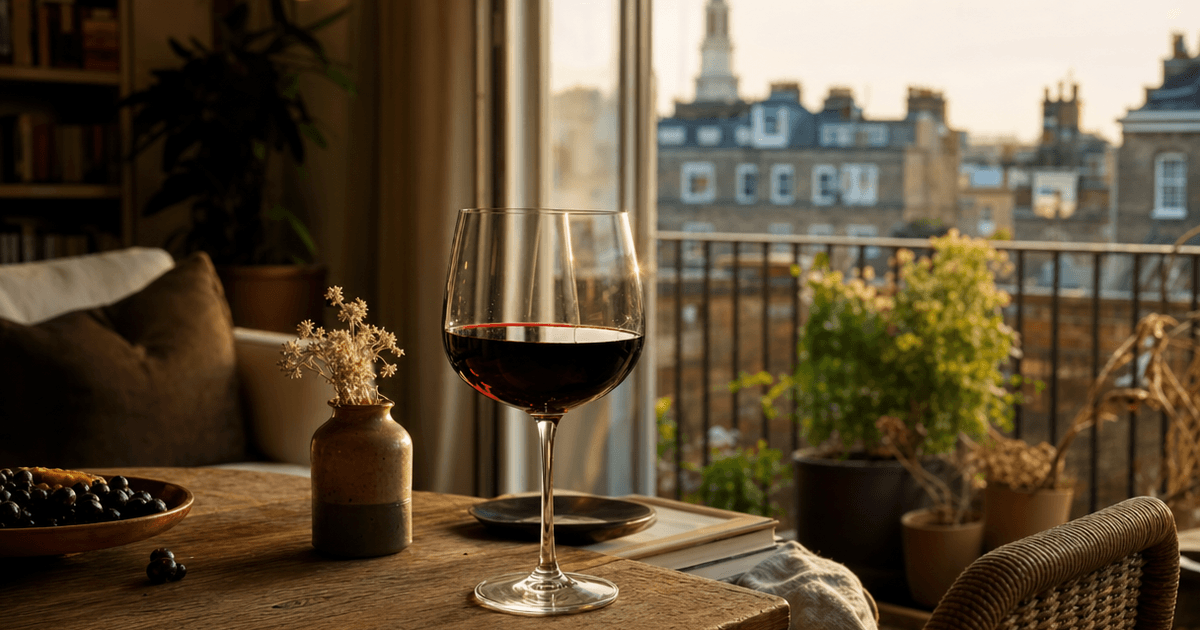
Mendoza, Argentina Malbec is the wine that took a grape nobody much wanted in Bordeaux and turned it into a country’s whole identity. Malbec is a black grape that makes hard, thin, tannic wine in its native south-west France — and rounder, plusher, altogether friendlier wine on the other side of the Atlantic. (In France it’s mostly grown around Cahors, where it still goes by Côt or Auxerrois.) There’s a twist buried in that success story, and we’ll get to it: the country that made this grape famous barely drinks it at home.
By the end of this you’ll know why Mendoza suits this grape so well, which parts of it to look for on a label, and whether the whole Malbec story is worth your money or just very good marketing.
How a Bordeaux reject found its calling in Mendoza
Cuttings of Malbec reached Argentina in the 1850s — before phylloxera tore through Europe’s vineyards. That timing matters: Argentina built its Malbec from clean, diverse stock, while France had to graft its way back from near-zero. The upshot, confirmed by clonal research, is that Argentine Malbec typically has smaller berries and bunches, and softer tannins, than what survived in France.
Then there’s the site itself. Mendoza gets around twelve inches of rain a year against Bordeaux’s thirty, and what little falls comes mostly in summer rather than winter — which keeps rot away and lets the fruit ripen clean. Add in something like 320 sunny days a year and a big swing between hot days and cold nights, and you get two things at once: more aromatic lift (that violet note people talk about) and tannins that soften rather than grip. Mendoza Malbec, in one line, is what happens when a hard French grape gets all that sun by day and a cold Andean night to sleep in. Malbec now makes up around 22% of Argentina’s entire vineyard, having grown almost fivefold since the mid-1990s, and roughly four-fifths of it sits in Mendoza. The practical upshot for your basket: the softness isn’t winemaking trickery, it’s in the plant and the place — which is why even modest bottles feel rounder than modest Bordeaux ever manages. If you want the fuller story of what changed when the grape crossed the Atlantic, I’ve written more on Malbec’s two homes: what changed when Cahors moved to Mendoza.
Is Malbec from Mendoza good?
Yes, generally — and not by accident. The climate does most of the heavy lifting: low disease pressure, reliable ripening, and that diurnal swing building colour, aroma and softer structure all at once. Close to five hundred wineries in Argentina now make Malbec, and a large share of them export, so there’s real competition pushing quality upward rather than just volume. It’s the shelf I restock most often on a Friday and the one with the fewest disappointed returns — that’s not romance, that’s the climate doing its job.
One well-known British wine critic put it plainly a few years back: Argentina, he reckoned, has few rivals anywhere in the New World for ripe flavour, reliability and value for money in its reds — and Malbec is the reason why. That’s not a claim I’d argue with. Where it gets interesting is the range. Malbec here stretches from cheap, fruity, drink-it-Tuesday bottles right through to structured, age-worthy wines that can sit in a cellar for a decade. It’s also blended — with Cabernet Sauvignon and Merlot in Bordeaux-style reds, with Bonarda or Syrah, and increasingly used to make fresh, fruity pink wine too. So “good” depends enormously on which end of that spectrum you’ve picked up — and the buying rule that follows is simple: decide what tonight actually is, Tuesday fruit or cellar structure, before you spend, because both ends wear the same word on the label.
What is the best Malbec from Argentina?
There isn’t one best — there’s a shape, and once you know it, choosing gets much easier. Altitude and site do the differentiating: the same grape at 1,500 metres in the Uco Valley tastes noticeably different from the same grape grown on the plains.
| Region | Altitude / notes | Typical style |
|---|---|---|
| Luján de Cuyo (incl. Las Compuertas, Agrelo) | High within Mendoza; Argentina’s first-ever appellation | Full-bodied, firm tannins, medium-plus acidity, genuine ageing potential |
| Uco Valley | Up to and over 1,500m in its upper reaches | More aromatic, elegant, cooler-climate lift |
| Salta (further north) | High-altitude, more remote | Distinctive, intensely aromatic examples |
| Patagonia (south) | Cooler, marginal climate | Leaner, more restrained styles |
Luján de Cuyo also carries a rule worth knowing: wines labelled under its DOC must age a minimum of 24 months, at least 12 of those in oak — though in practice only a handful of producers bother with the paperwork. It’s a useful clue that a bottle is aiming at something serious rather than everyday. My short version across the counter: Luján de Cuyo when you want structure and a bottle worth keeping; Uco Valley when you want perfume and freshness; the plains bottlings when the plan is pizza.
One more thing worth knowing before you spend: several of Mendoza’s bigger, more serious producers also make simpler, cheaper Malbecs under the same roof — not unlike the way Bordeaux châteaux release second wines. That gives you a way into their winemaking style without paying premium prices; I go into that logic properly in Second wines: how to drink a great château without the grand vin price.
Getting the most out of the bottle
Argentine Malbec doesn’t need fussing over. The everyday, fruit-forward style — plum, blackberry, soft edges — wants a steak on the grill, a pan of empanadas, or honestly just a Tuesday that needs cheering up; a light chill (ten minutes in the fridge) does it no harm at all in warm weather. The structured, oak-aged, high-altitude wines want something with more weight behind it — slow-cooked lamb, hard cheese, dishes with real char on them.
I sold this wrong for years, always reaching for the same steak-and-Malbec line whenever a customer asked, without pointing out how differently the cheap and the serious bottles behave at the table. Tell me the dinner and I’ll tell you the tier — that’s the honest version of the advice. If you want the fuller logic behind matching food to wine rather than just this one grape, it’s in Food and wine pairing: a merchant’s complete guide to getting it right.
Is Mendoza, Argentina worth it?
For the wine, yes — it’s where roughly 80% of the country’s Malbec is grown, across altitudes from around 500 metres up past 1,500. For a visit, plenty of people agree too: recent trade coverage put Mendoza’s wine-tourism circuit at close to 170 wineries, with visitor numbers jumping sharply through the early 2010s.
There’s a cost-shape worth knowing before you spend. Export prices on Argentine Malbec range enormously, from bargain-bin to genuinely expensive, and around 60% of everything Argentina exports by volume is single-varietal Malbec, with export value averaging several hundred million dollars a year. Curiously, ordinary Argentines mostly aren’t drinking any of this — domestic tables lean on older-style criolla wines, while Malbec does its work abroad. Here’s the line I promised you at the top, and it’s worth quoting at your next dinner party: Argentina’s defining wine export is a wine Argentines themselves barely drink.
It’s also worth knowing the industry itself is a little nervous about being a one-grape story — an annual Malbec World Day exists partly to keep interest alive, and producers are quietly diversifying in case fashions shift. None of that makes the wine less good today. It just means Mendoza’s Malbec success is younger and more fragile than the shelf space suggests — and, if anything, a reason to enjoy the value while the whole world’s attention keeps prices honest. For the wider picture of where Argentina sits against its New World neighbours, see The Americas, from California to Patagonia: a merchant’s guide to New World wine.
Questions customers ask us
Is Argentinian Malbec a good wine? At the better end, genuinely yes — deep colour, soft tannins, ripe fruit, and real ageing potential from the high-altitude sites. At the cheap end it can be simple and jammy, which is fine for a Tuesday but not the same wine.
Is Malbec the same in Chile as in Argentina? No — Chilean Malbec, grown in dry, granitic soils, tends to be sharper and more herbal, leaning towards thyme and cassis rather than pure fruit. It’s often used in blends rather than bottled alone.
Does Argentine Malbec taste like French Malbec? Not really. French Malbec from Cahors is harder and more austere; Argentina’s version is rounder and riper, largely thanks to climate and clean old vine stock.
Is Malbec good value? As a category, yes — you can find drinkable examples very cheaply, and the mid-priced tier over-delivers compared with equivalent Bordeaux reds. The premium, old-vine, high-altitude bottles cost more, but for good reason.
The merchant’s last word
I’ve watched Malbec go from a grape nobody could pronounce to the thing half my regulars ask for by name, and I still think most people are only meeting the cheap end of it. The good stuff — high altitude, old vines, a bit of patience in the cellar — is a different wine entirely. Come and browse the United States cellar and I’ll point you to it.