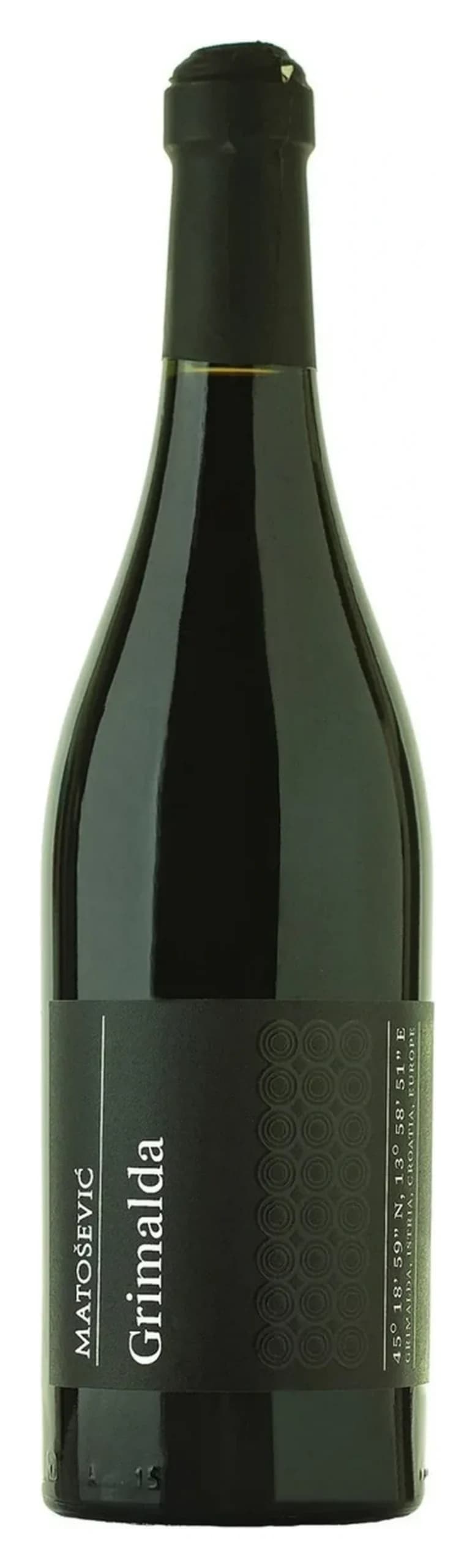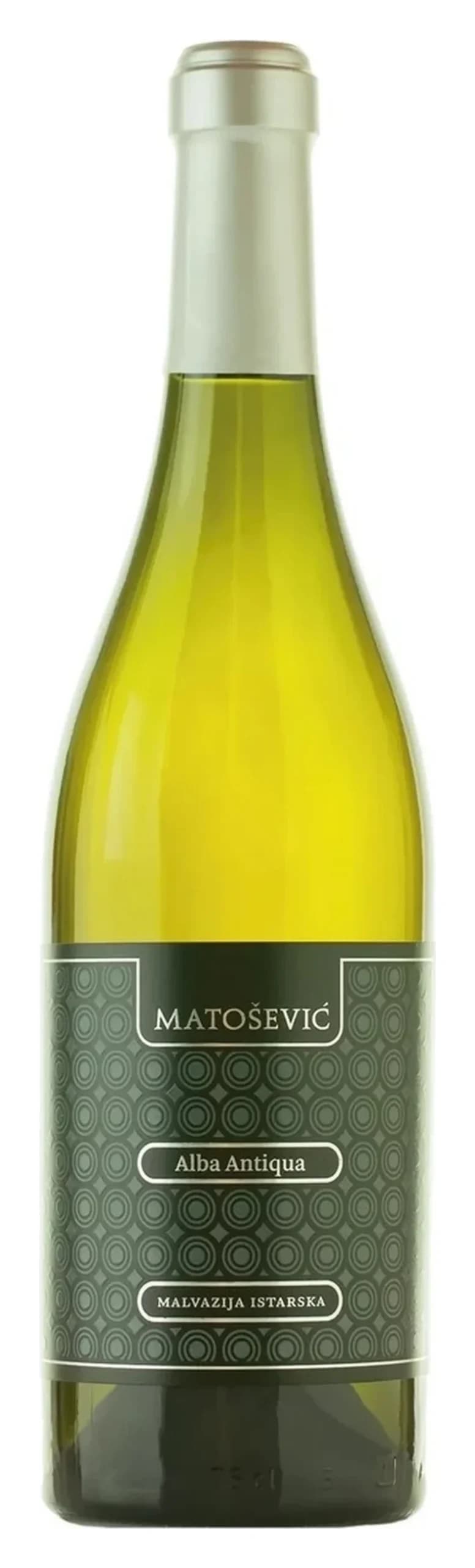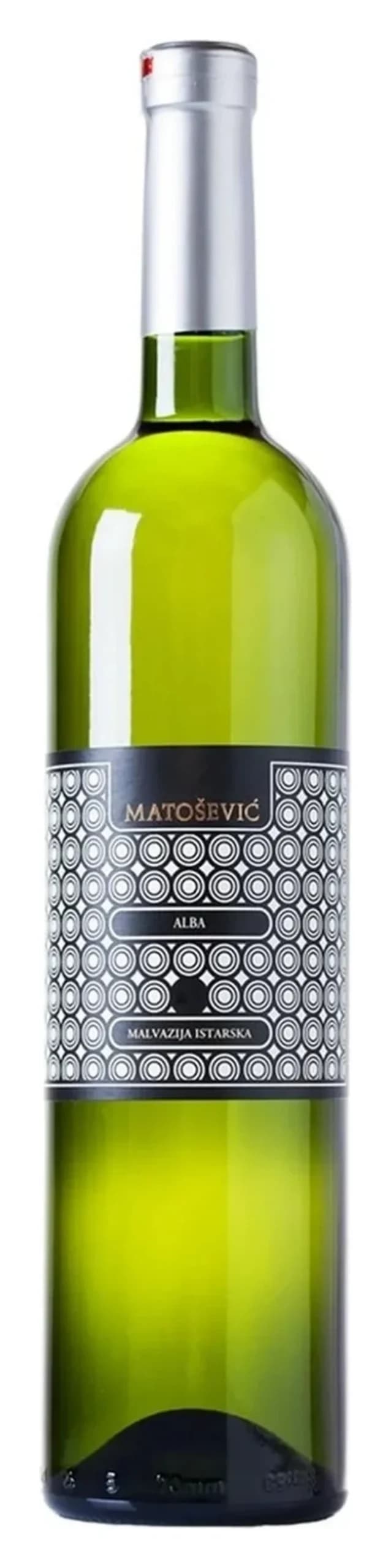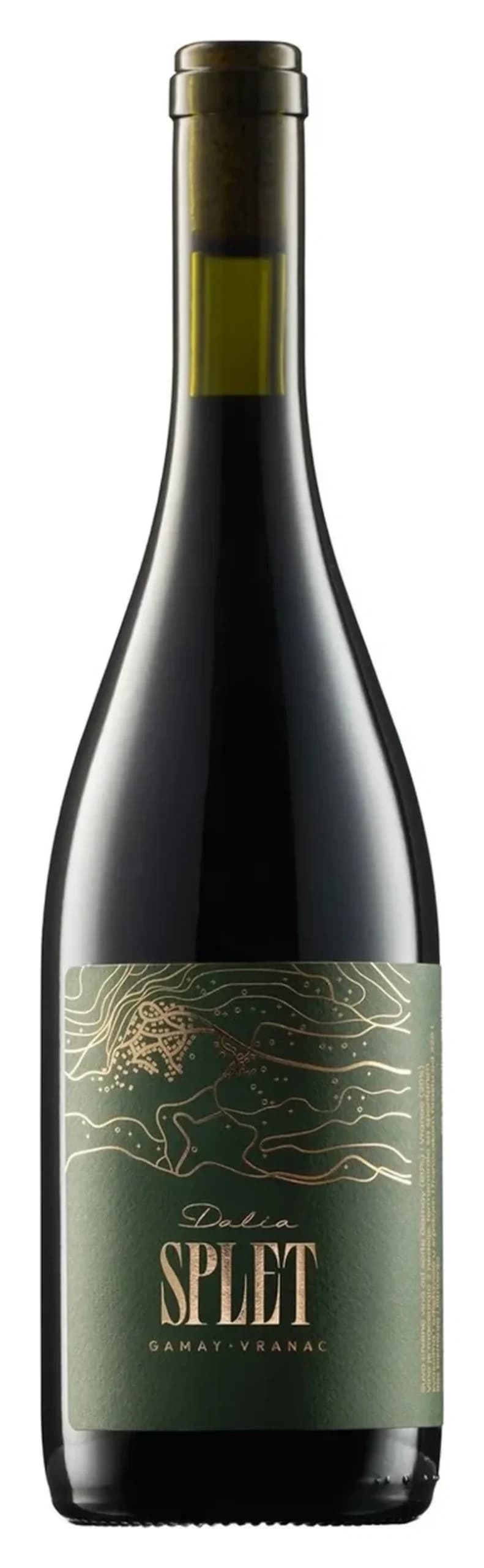
Croatian wine has been quietly good for a lot longer than most people in the UK trade give it credit for. It splits, roughly, into two different countries in a glass: dense, tannic reds built on Plavac Mali down the Dalmatian coast, and lean, saline whites like Pošip and Grk grown on islands such as Korčula. Add in something like 200 grape varieties in total (around 40 of them identified as native to the country) and you’ve got a region that’s still mostly unmapped by British drinkers.
By the end of this you’ll know which bottle to reach for depending on what’s on the plate, why a bottle of Dingač costs what it does, and whether the reputation is deserved.
What wine is Croatia famous for?
Plavac Mali is the answer, if you only remember one name. It’s a black grape that produces dense, high-tannin, high-alcohol reds all along the Dalmatian coast and out onto the islands, and it’s the grape behind Dingač — the steep, stony appellation on the Pelješac peninsula that became Croatia’s first protected wine region back in 1964. (Bush vines, brutal slopes, the kind of site that makes you wonder why anyone bothered planting it in the first place — then you taste the wine and you understand.)
For years Plavac Mali was assumed to be some cousin of Zinfandel. DNA profiling at UC Davis sorted the story out properly: it’s a natural cross between Zinfandel (known locally as Tribidrag, or Crljenak Kaštelanski) and an obscure old Dalmatian red called Dobričić. So it’s not Zinfandel’s twin, it’s Zinfandel’s child, if you want to think of it that way. If that kind of grape detective work interests you, I’ve gone further into the Zinfandel side of the family in What is Zinfandel, and why does California claim it?.
On the white side, Pošip is the name most likely to turn up on a UK wine list. It comes from the island of Korčula, makes full-bodied, sometimes barrel-aged dry whites, and it’s the wine most producers reach for when they want to show what Dalmatia can do beyond red.
Understanding Croatia’s wine map
Here’s the bit that trips people up: Croatia isn’t one wine country, it’s two, stitched together along nearly 1,900km of Adriatic coastline plus well over 1,200 islands.
Coastal Croatia — Istria in the north-west, Kvarner, then Dalmatia running south to Dubrovnik — has a Mediterranean climate meeting cold air rolling down off the Alps. This is Plavac Mali country, and also home to Istria’s aromatic white Malvazija Istarska and its savoury red Teran, which share more with north-east Italy and Slovenia across the border than with anything happening two hours south.
Continental Croatia is a different animal entirely: the hills north of Zagreb and the plains of Slavonia toward the Hungarian basin, cooler, more Austro-Hungarian in climate and grape choice alike. Graševina (the same grape as Welschriesling) dominates here, alongside Sauvignon Blanc, Silvaner and Traminer — lighter, everyday whites rather than the concentrated reds coming off Dalmatian bush vines.
Worth knowing this split exists before you buy a bottle, because a “Croatian wine region” answer depends entirely on which half of the country you mean. If wine geography like this appeals to you, the wider picture — islands, volcanic outcrops, forgotten appellations — is what I go through in Beyond the classics: the wine map’s best-kept secrets.
Are Croatian wines any good?
Yes — and the improvement over the last thirty-odd years has been real, not marketing. Since independence in the 1990s, private wineries have steadily replaced the old collective cooperatives, most of which collapsed, and quality has consolidated hard around a handful of serious varieties rather than bulk production.
Recent trade coverage has Dalmatian and Istrian wines scoring among the highest of any region at competitions like the Decanter World Wine Awards. Some of that is Plavac Mali from Pelješac and the islands of Brač, Hvar, Korčula and Vis. Some of it is rarer stuff: Grk, a white grown almost exclusively around Lumbarda on Korčula, with erratic yields (its flowers are effectively female) but a herby, mineral character and a distinctive bitter finish that coastal seafood restaurants have built menus around. Vugava, a Vis island speciality, and the traditional Dubrovnik white Malvazija Dubrovačka round out a list of names most British drinkers have never had reason to learn.
The honest trade view is that Croatia remains something of an Adriatic secret — quality that’s outpaced its reputation, mostly because the industry is rebuilding island by island, producer by producer, rather than through one big marketing push.
What is the best wine to drink in Croatia?
Honestly, it depends what’s in front of you. Grilled fish or shellfish along the coast wants Pošip or Grk — both have the acidity and salinity to cut through olive oil and char. Grilled lamb, or anything slow-cooked and rich, wants Plavac Mali, ideally with a few years on it so the tannins have settled. Up in continental Croatia, Graševina does the job for lighter, everyday drinking — poultry, simple pasta, nothing that needs a big red standing over it.
Here’s a rough shape to work from:
| Grape | Region | Style | Pour it with |
|---|---|---|---|
| Plavac Mali | Dalmatian coast, Pelješac, the islands | Dense, tannic, high-alcohol red | Grilled lamb, aged hard cheese |
| Pošip | Korčula | Full-bodied dry white, sometimes oaked | Grilled fish, shellfish |
| Grk | Korčula (Lumbarda) | Herby, mineral white, bitter finish | Oysters, raw seafood |
| Malvazija Istarska | Istria | Aromatic, mineral-driven white | Truffle dishes, soft cheese |
| Graševina | Slavonia, continental Croatia | Light, crisp white | Poultry, everyday drinking |
| Debit | Around Skradin, Dalmatia | Fresh, floral white | Light pasta, an aperitif |
Serve the whites properly cold, the way they do it locally — the coastal heat means nobody’s precious about a slightly chilled red either, and Plavac Mali can take it.
Why Croatian wine still feels like a find
Part of the appeal, if I’m honest, is that prices haven’t caught up with the quality yet. You’re not paying for fifty years of established reputation the way you would with a big Bordeaux or Burgundy name — you’re paying for what’s actually in the glass, from a region still being rediscovered by its own producers as much as by drinkers abroad.
It’s a similar dynamic to what happens with a good second wine out of Bordeaux — same skill, same site, without the price tag the top label carries. If that idea appeals, I’ve written about it properly in Second wines: how to drink a great château without the grand vin price. Croatia’s islands have their own version of that logic too, in the same way the Canary Islands taste like nowhere else — isolation and difficult terrain, protecting old vines and old varieties that would’ve been grubbed up anywhere easier to farm.
Questions customers ask us
What is the national drink of Croatia? Strictly, that’s rakija, a fruit spirit rather than a wine — but wine sits at the centre of Croatian hospitality in a way rakija doesn’t, poured with almost every meal along the coast. If you’re after the drink that defines the table, wine in Croatia does more of the daily work than the spirit does.
Is Croatian wine easy to find in the UK? It’s improving but still limited — Croatian wine UK listings tend to be specialist merchants and a handful of restaurants rather than supermarket shelves. Worth asking your merchant directly if you don’t see it out.
Does Croatian wine age well? The best Plavac Mali, especially from Dingač, is built for it — high tannin, colour and alcohol give it real ageing potential. Most whites, Pošip included, are better drunk within a few years of the vintage.
What’s the difference between Plavac Mali and Zinfandel? They’re related, not identical — Plavac Mali is Zinfandel’s offspring, crossed naturally with the old Dalmatian grape Dobričić, so it shares family traits without being the same variety.
The merchant’s last word
I sold Croatian wine as a novelty for years before I actually tasted my way through a case of Dingač properly and realised I’d had it backwards — this isn’t a curiosity, it’s a serious region that happens to still be affordable. Start with a Pošip if you want an easy way in, or a Plavac Mali if you like your reds with some grip. Either way, go and browse the Croatia cellar and see what’s in.