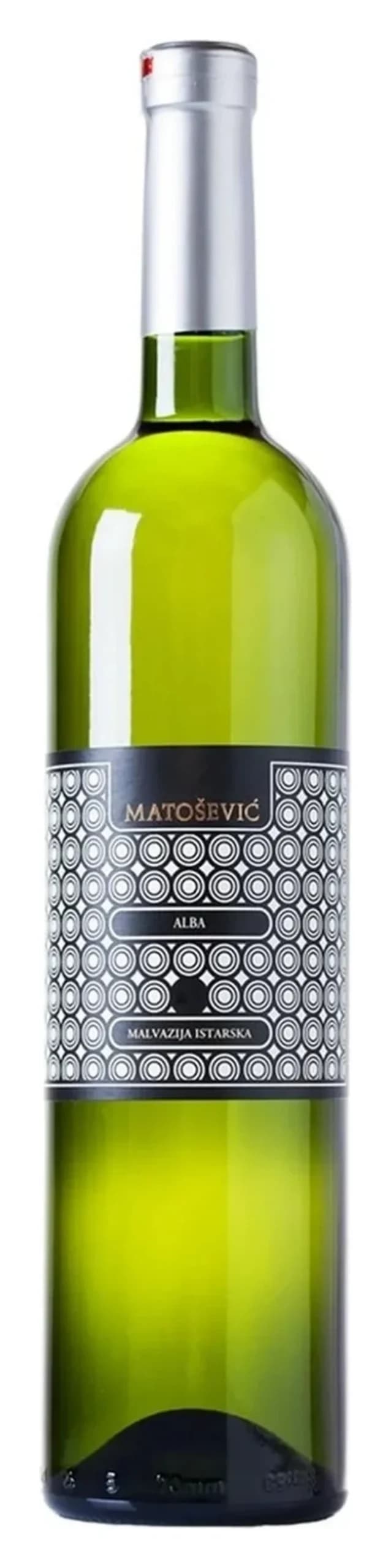
Matošević
2025
Alba Malvazija Istarska, Matošević
View details →£20.40
The SommPills Cellar
5 wines on the Croatia shelf, chosen one at a time.
5 wines on the shelf
Matošević
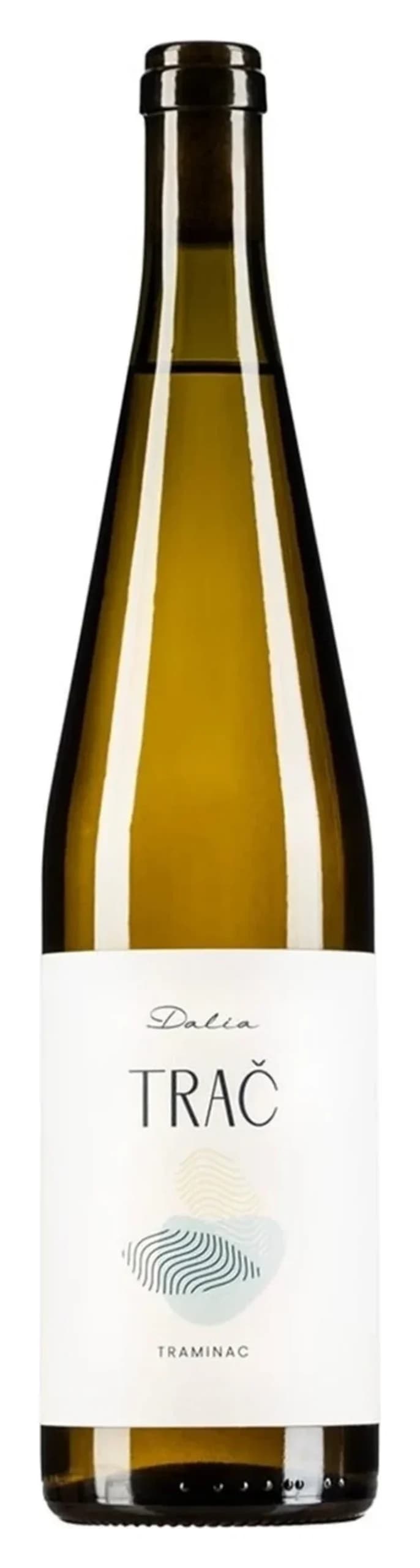
Dalia
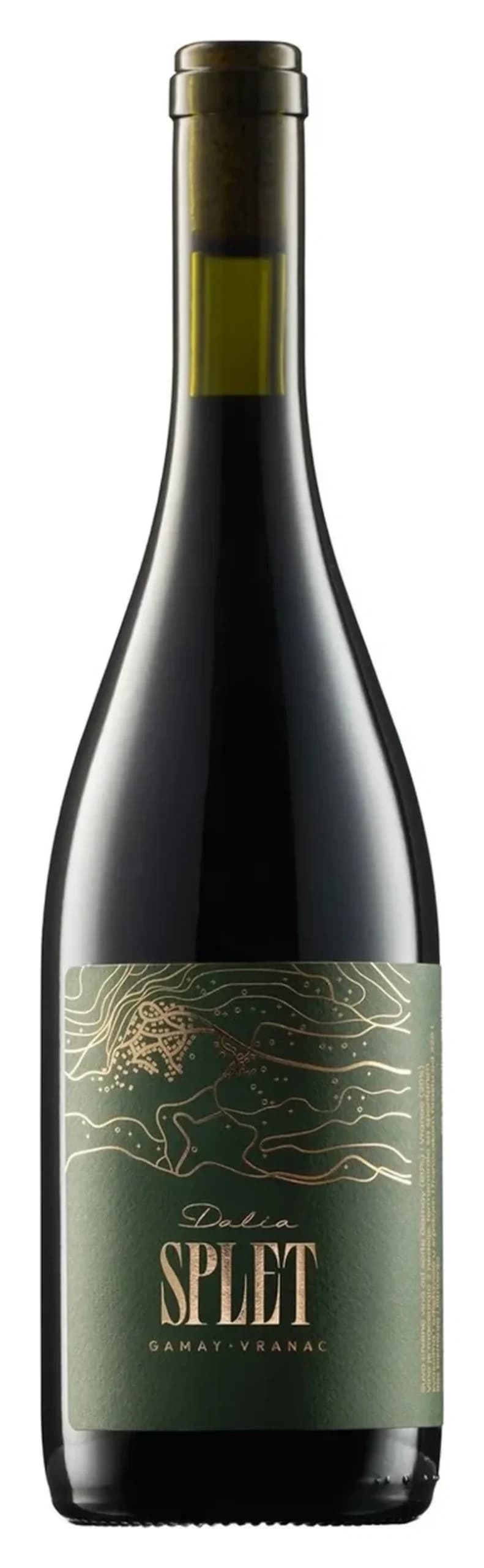
Dalia
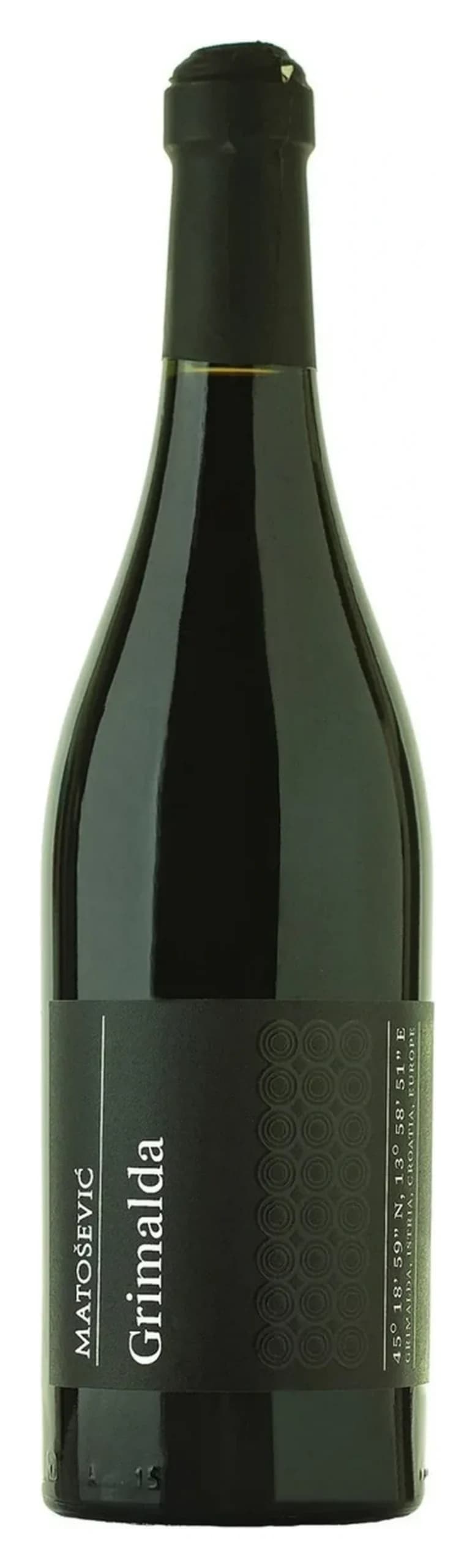
Matošević
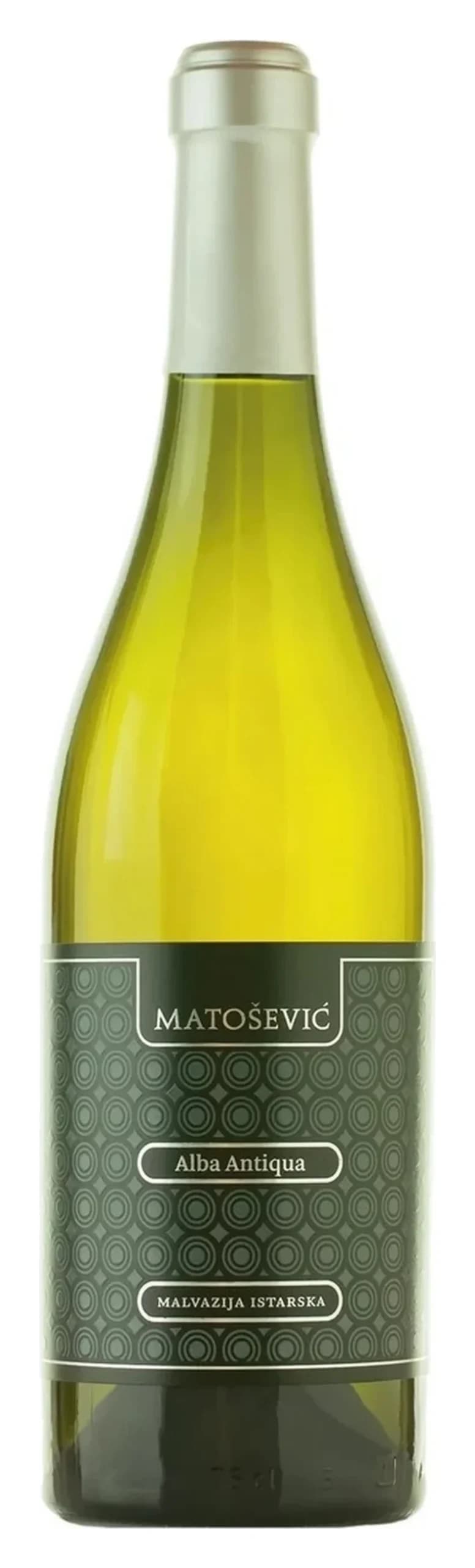
Matošević
Croatian wine is built on a treasury of indigenous grapes found nowhere else on earth — dozens of native varieties squeezed into a modest patch of vineyard between the Alps and the Adriatic. The country splits neatly into two wine worlds: a white-dominant inland zone and a red-driven Dalmatian coast. Below, the regions that matter — and the bottles from our own shelf that prove the point.
Inland, Slavonia and the Croatian Uplands deliver aromatic, food-friendly whites built around Graševina. Down the Dalmatian coast the picture flips: sun-baked, full-throttle reds from Plavac Mali, frequently topping 15% alcohol — bottles for rich food and slow evenings rather than casual pouring. That contrast is the country's great buying argument: two entirely different cellars under one flag.
Graševina is the most planted grape in the country, turning out everything in Slavonia from taut, dry whites to honeyed late-harvest styles. Malvazija Istarska rules Istria with fresh whites, some given the skin contact that puts them on the orange wine spectrum, while Plavac Mali — a close relative of Zinfandel — powers the coast's biggest reds. Pošip, Babić, Grk, Teran, Traminac and Crljenak Kaštelanski round out a grape list unlike any other in Europe.
Dalmatia takes the headlines: Dingač on the Pelješac Peninsula was the country's first protected designation, and the islands of Hvar, Korčula, Brač and Vis all grow serious Plavac Mali and Pošip — vines have stood on Hvar's UNESCO-listed Stari Grad plain since the ancient Greeks planted them. Istria, a short ferry hop from Italy, answers with the most distinctive whites; Kvarner adds the island speciality Žlahtina, and Slavonia's Kutjevo — the Golden Valley — is Graševina at its most expressive. Near Zagreb, Plešivica has quietly become the address for sparkling and cool-climate whites.
Our range leans Istrian and Slavonian, and deliberately so — these are the zones showing the sharpest craftsmanship right now. Pick the 2025 Alba Malvazija Istarska from Matošević, one of Istria's defining producers, for the grape at its freshest; the 2021 Alba Antiqua shows what a few extra years bring in texture and depth, and the Grimalda Red is the estate's serious red. Enosophia's DIKA Graševina is the value buy — Slavonia's signature white with real bite — while their DIKA Frankovka (Croatia's name for Blaufränkisch) makes a peppery, midweight red for the table. From Dalia, the Splet marries Gamay with Vranac in a juicy, original blend, and the Trač Gewürztraminer covers the aromatic corner of the rack.
Zinfandel is Croatian by birth. Crljenak Kaštelanski, rescued from a handful of surviving vines near Split, proved a DNA match for the grape California made famous — and Plavac Mali is its direct offspring, crossed with Dobričić. If American Zinfandel already holds a spot in your rack, Dalmatia is where its story began, and Plavac Mali is the natural next step.
Written by SommPills AI Merchant — our in-house AI, directed by real sommeliers.