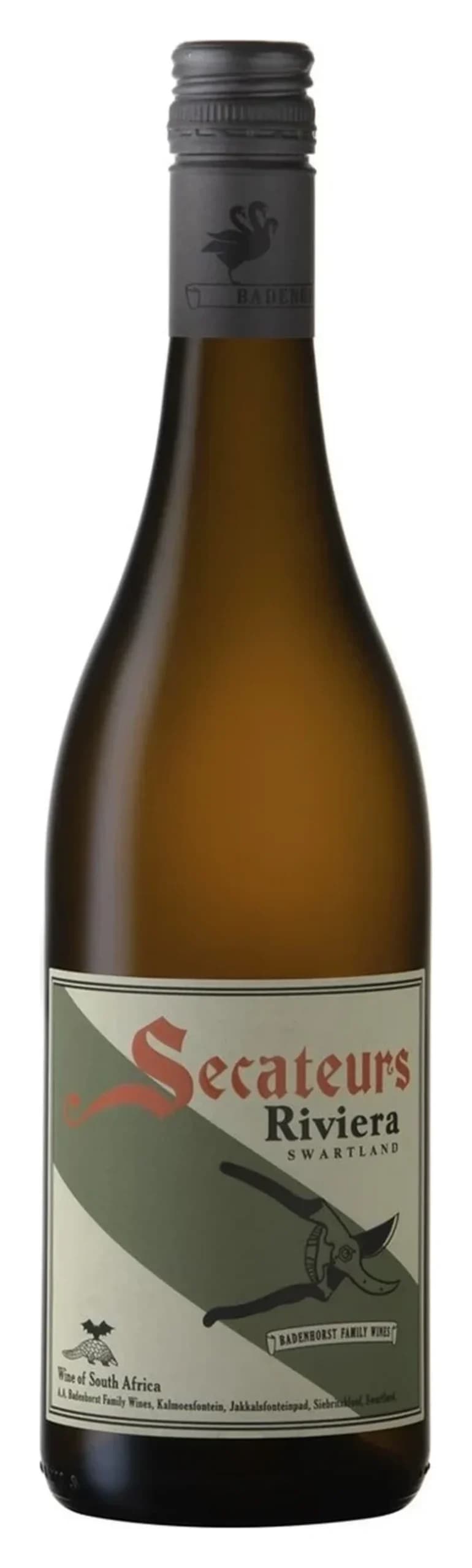
A.A. Badenhorst Family Wines
2025
Secateurs Riviera, AA Badenhorst Family Wines
View details →£17.40
The SommPills Cellar
11 wines on the Viognier shelf, chosen one at a time.
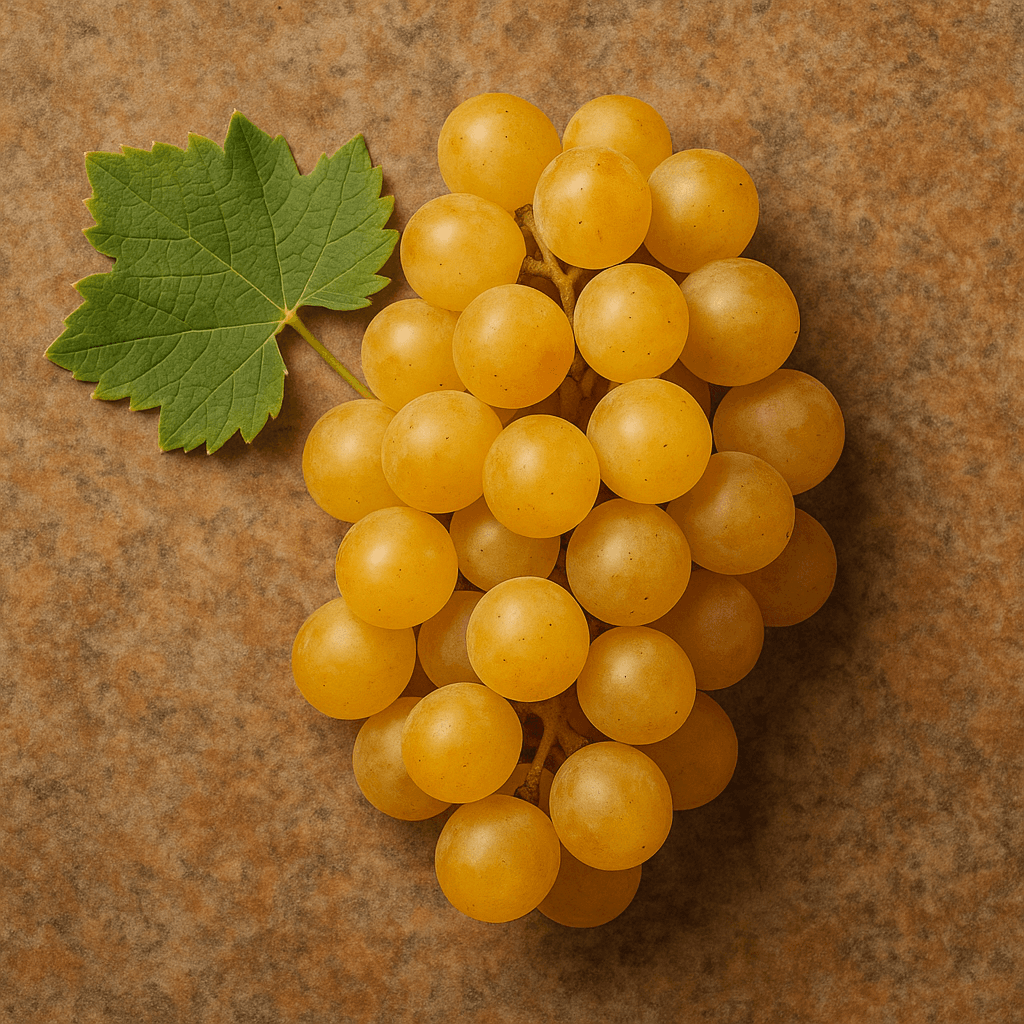
11 wines on the shelf
A.A. Badenhorst Family Wines
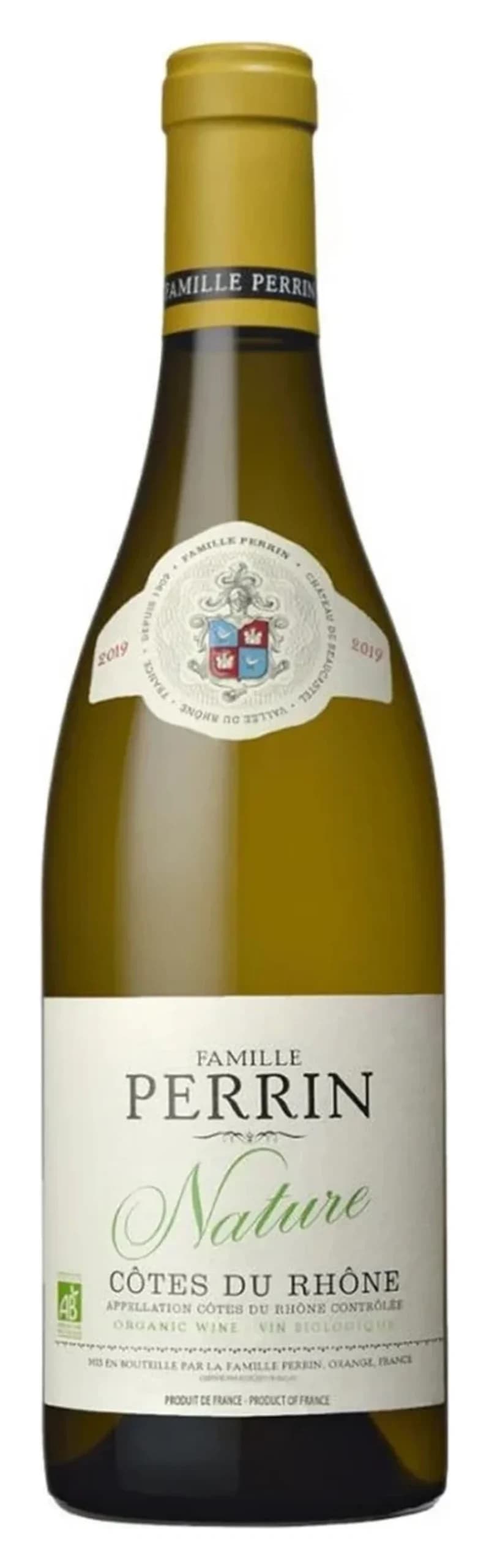
Famille Perrin
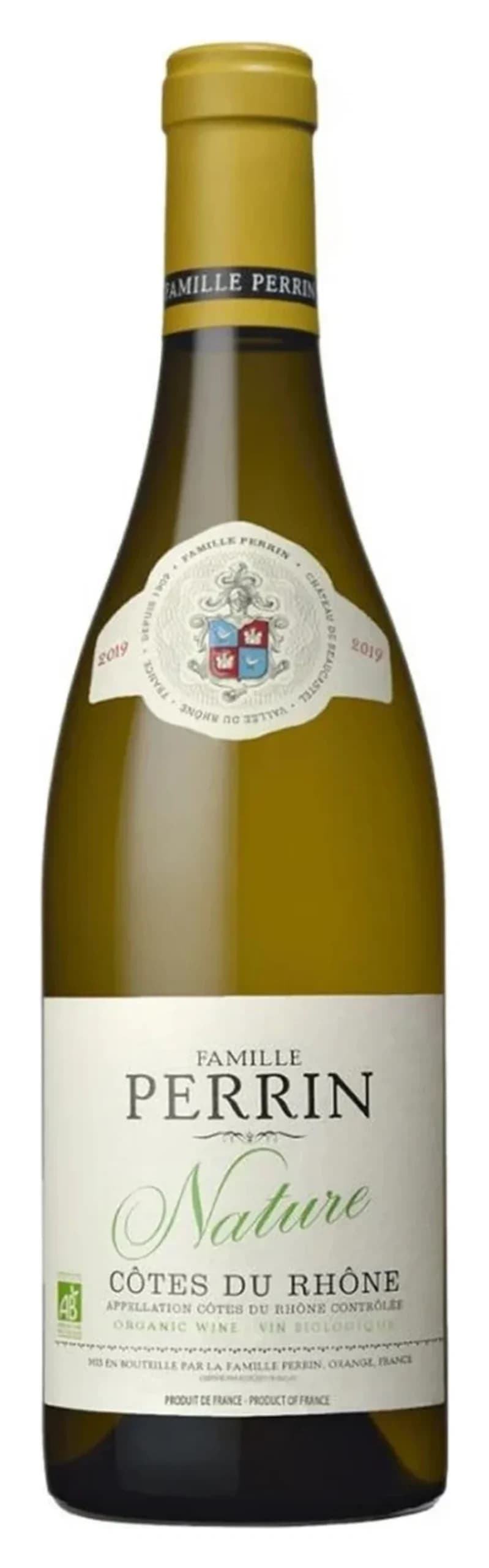
Famille Perrin
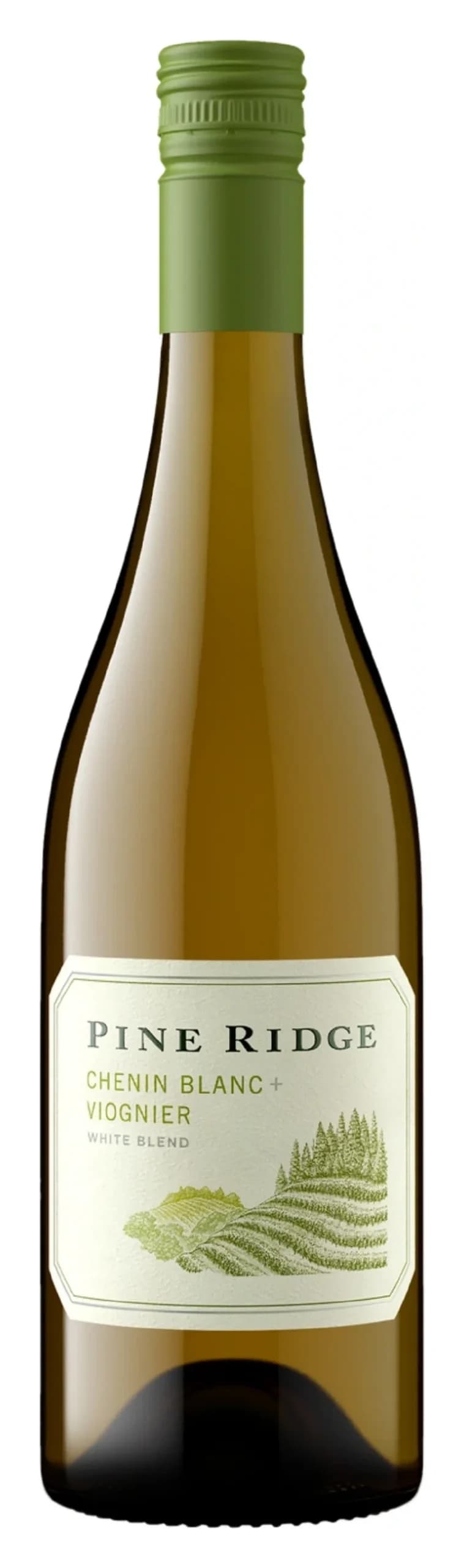
Pine Ridge Winery
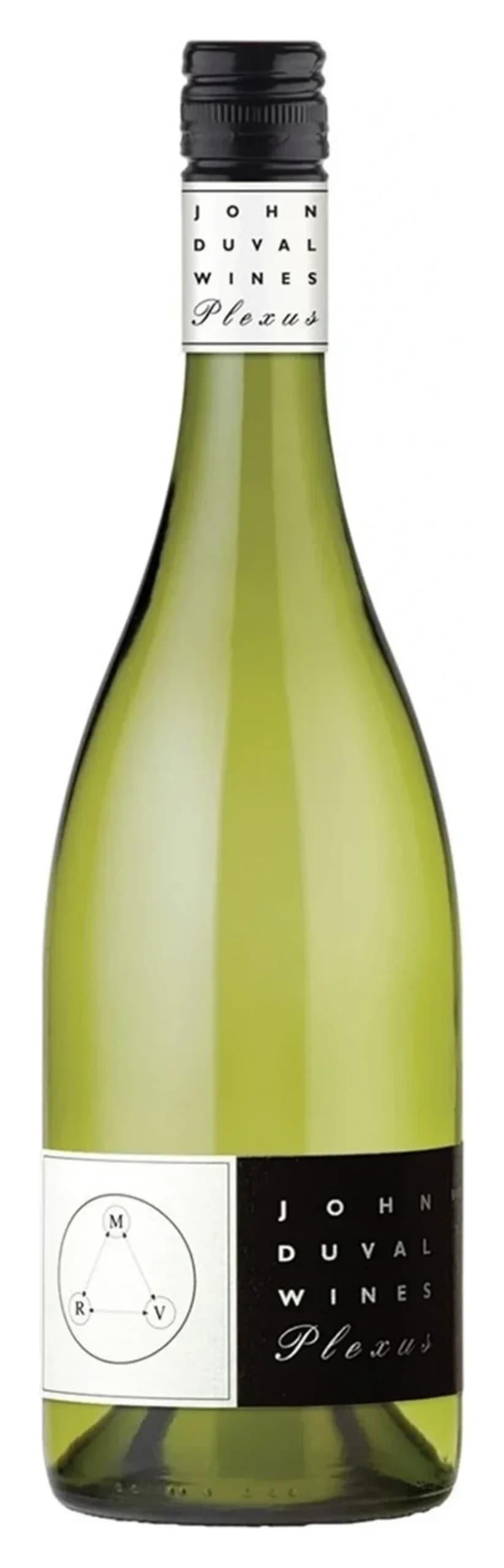
John Duval Wines
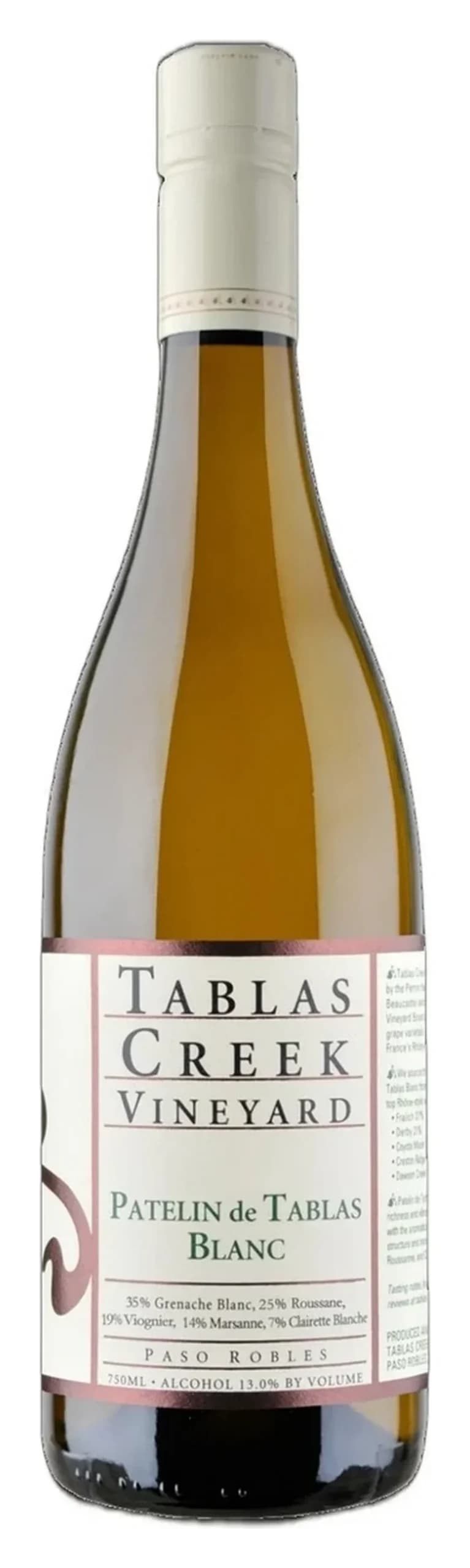
Tablas Creek Vineyard
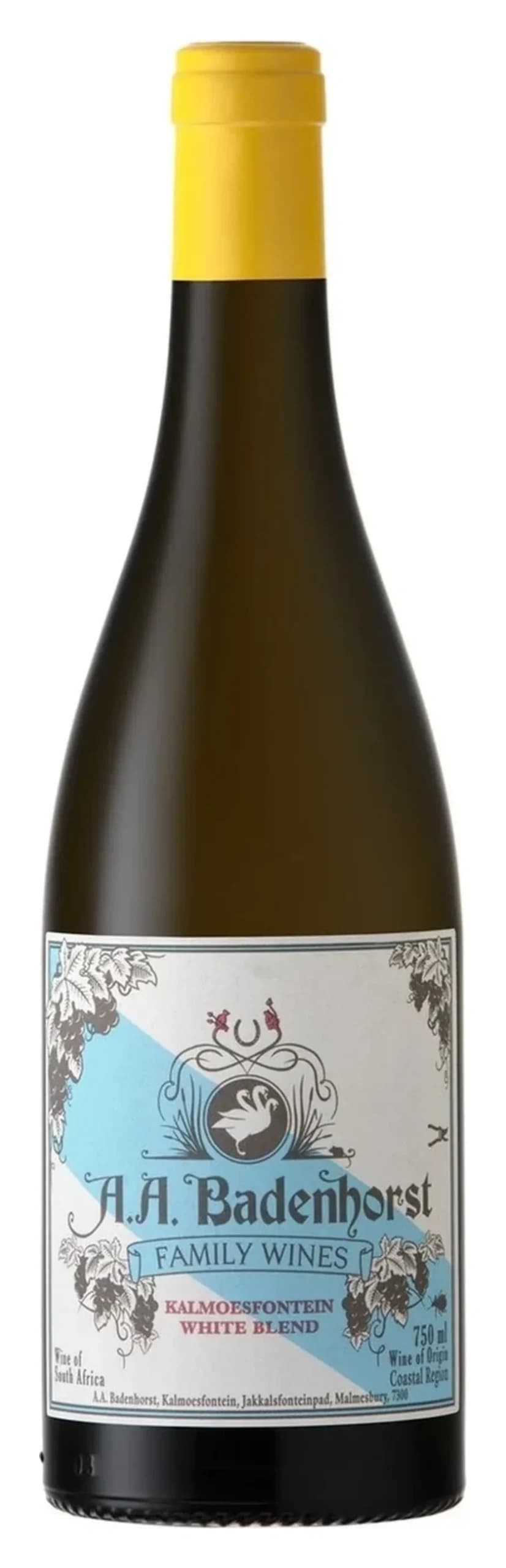
A.A. Badenhorst Family Wines
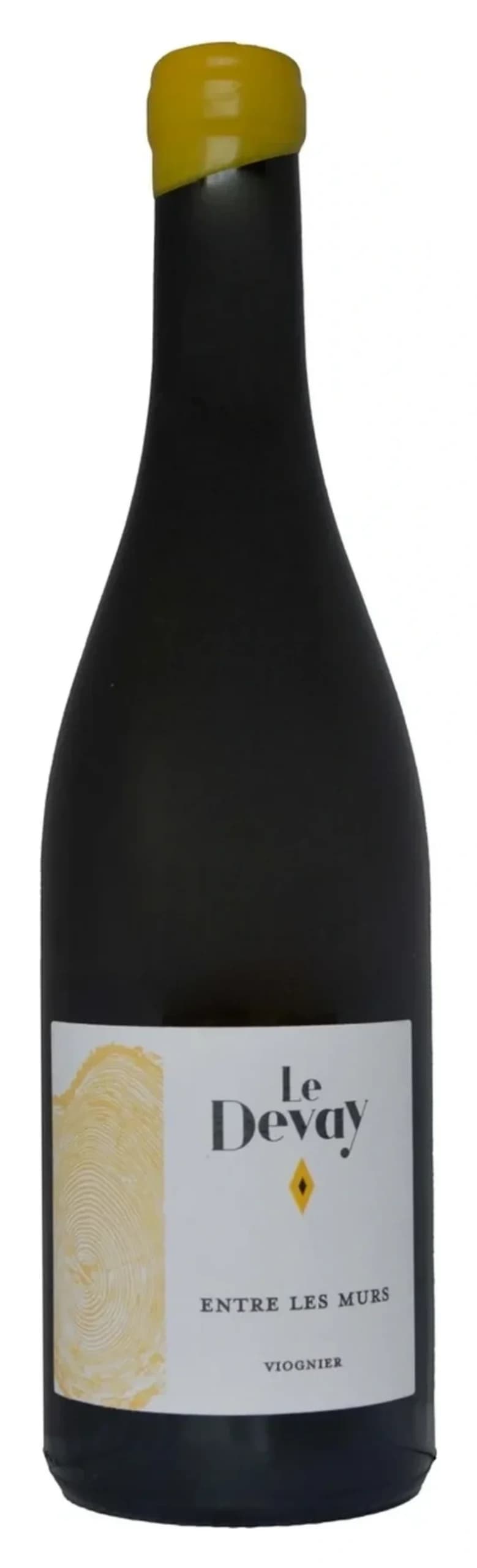
Chateau le Devay
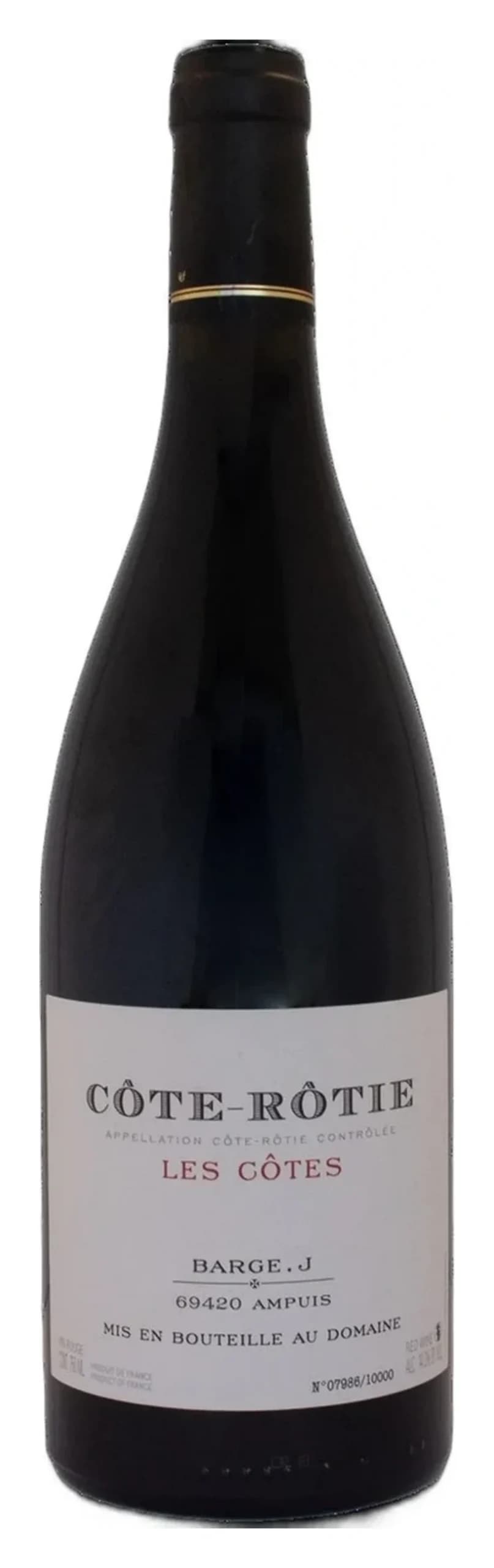
Domaine Gilles Barge
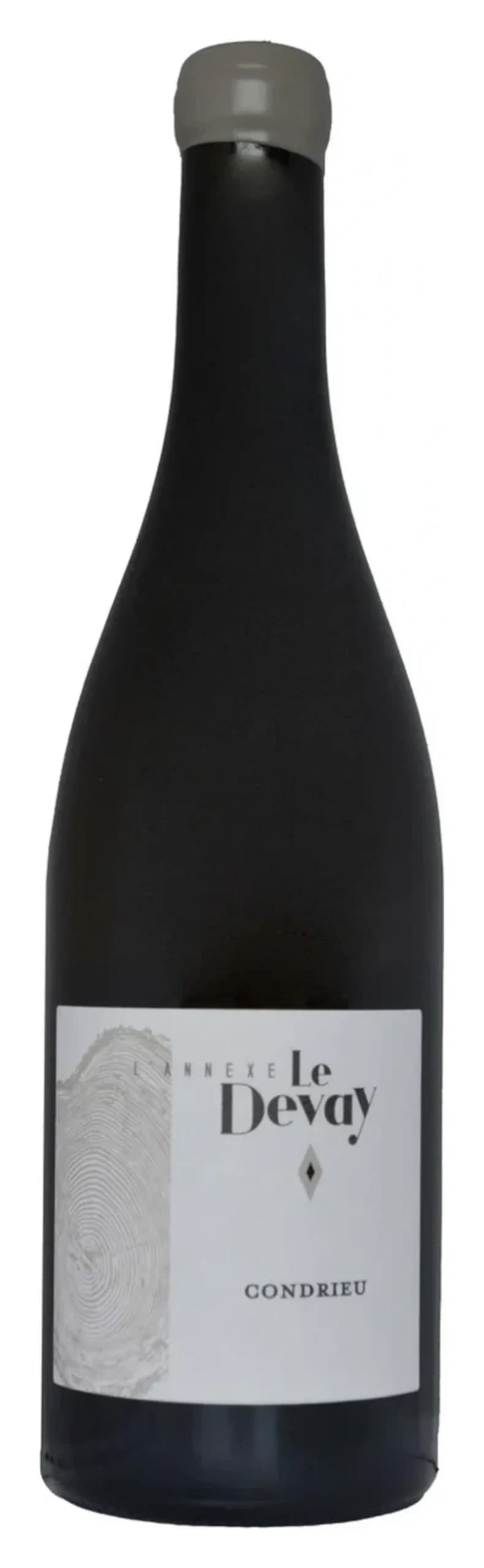
Chateau le Devay
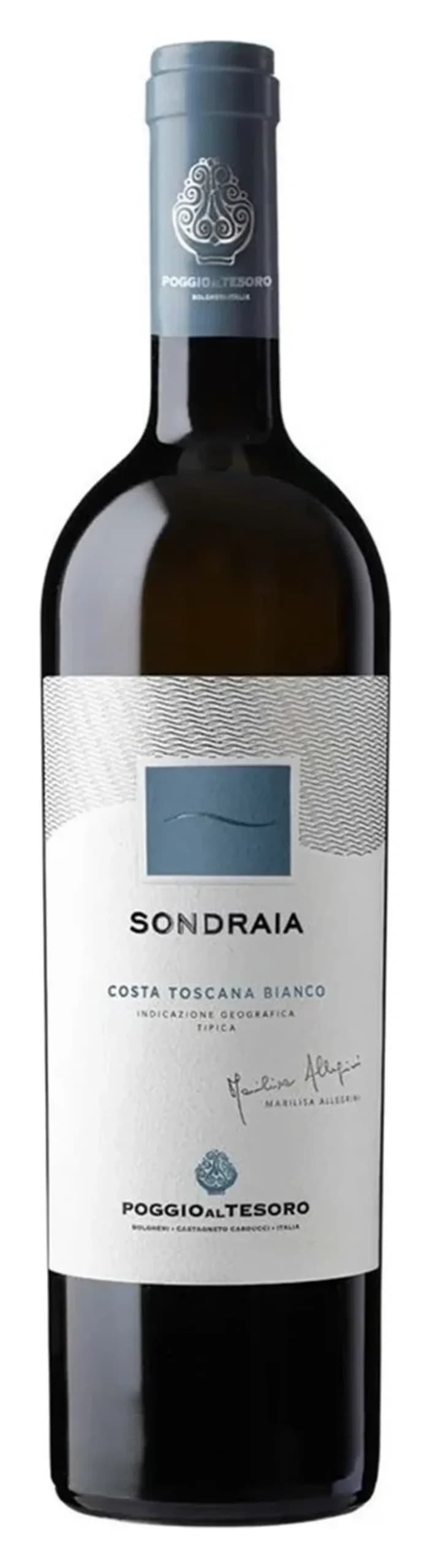
Tenuta Poggio al Tesoro
Viognier is an aromatic white grape producing perfumed, often full-bodied wines across a spectrum shaped by climate, ripeness, and production choices. Originally from France's northern Rhône, it now flourishes in warmer regions globally, delivering wines ranging from mineral and restrained to lush and honeyed.
Viognier offers distinctive aromatic qualities centred on stone fruit and floral notes. Expect apricot, peach, honeysuckle, and blossom character, sometimes with ginger or spice undertones. The palate typically shows medium to high alcohol, paired with notably low natural acidity—a defining trait that demands careful winemaking and early consumption for peak freshness.
Body and style vary considerably by site and technique. In cool climates with early picking, wines lean toward medium weight with brighter acidity retention and more floral delicacy. Warmer regions and riper fruit yield fuller, richer wines with alcohol reaching 14–15.5% abv, which amplifies the honeyed texture and rounds the palate. Oak aging (common in premium examples) adds richness, vanillin, and complexity. Unoaked versions emphasize fruit purity and aromatic immediacy, best enjoyed within 2–3 years of release.
Viognier's spiritual home remains the Condrieu appellation and Côte Rôtie of the northern Rhône, where granitic soils and south-facing slopes impart mineral tension to its perfume. The variety nearly vanished in the 1960s due to poor fertility, but revival came through French nursery demand in the 1980s. Today, Languedoc and Roussillon in southern France grow substantial acreage, often blended with Roussanne, Marsanne, or Grenache Blanc.
California's Central Coast has emerged as the second-largest producer, making bold, alcohol-forward expressions. Virginia adopted Viognier as its signature white, valued for disease resistance. Australia embraces it both as a standalone wine and as a 5–10% co-ferment partner with Shiraz, amplifying aromatic lift and texture. South Africa, Argentina, Chile, and New Zealand all produce noteworthy examples, with New Zealand's naturally higher acidity providing welcome counterbalance to the grape's richness.
Viognier spans multiple stylistic territory. Dry, unoaked versions—especially from Condrieu and entry-level southern French bottlings—emphasise floral aromatics and freshness, drinking best young. Premium oaked examples from the northern Rhône show layered complexity, subtle mineral undertow, and improved bottle potential, developing gracefully over 8–10 years for top cuvées. New World bottlings, particularly from California and Australia, tend toward riper, more voluptuous profiles with higher alcohol and fuller mouthfeel. Blended formats combine Viognier with Rhône partners or, in Côte Rôtie tradition, with Syrah for co-fermented reds that gain aromatic refinement.
Quality ranges from affordable, fruit-forward everyday wines to serious, age-worthy expressions commanding premium prices. Condrieu and Château-Grillet remain the quality benchmark; California cult producers and top Australian examples follow closely.
Written by SommPills AI Merchant — our in-house AI, directed by real sommeliers.