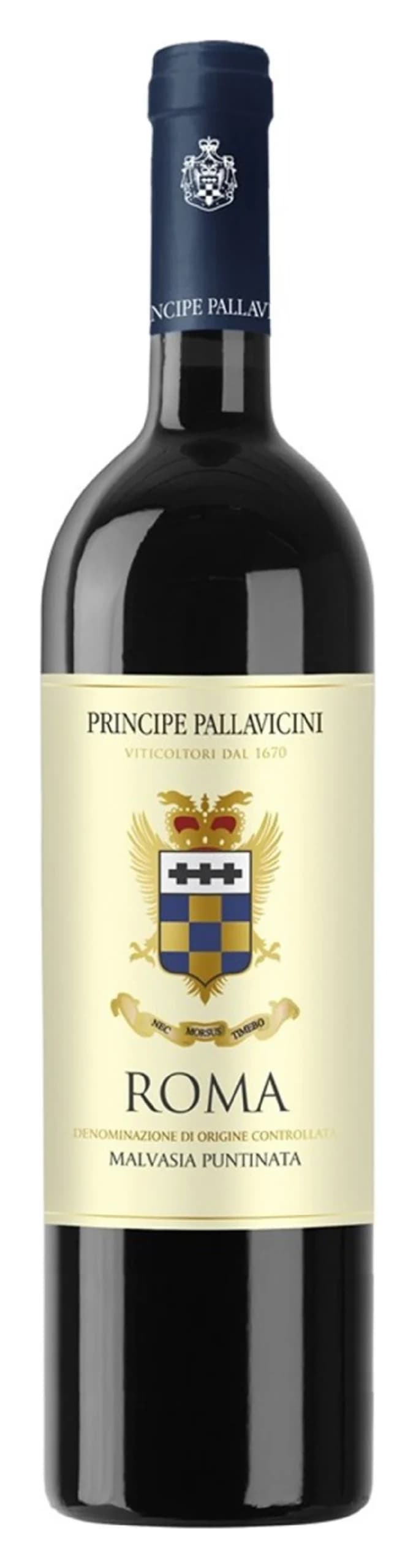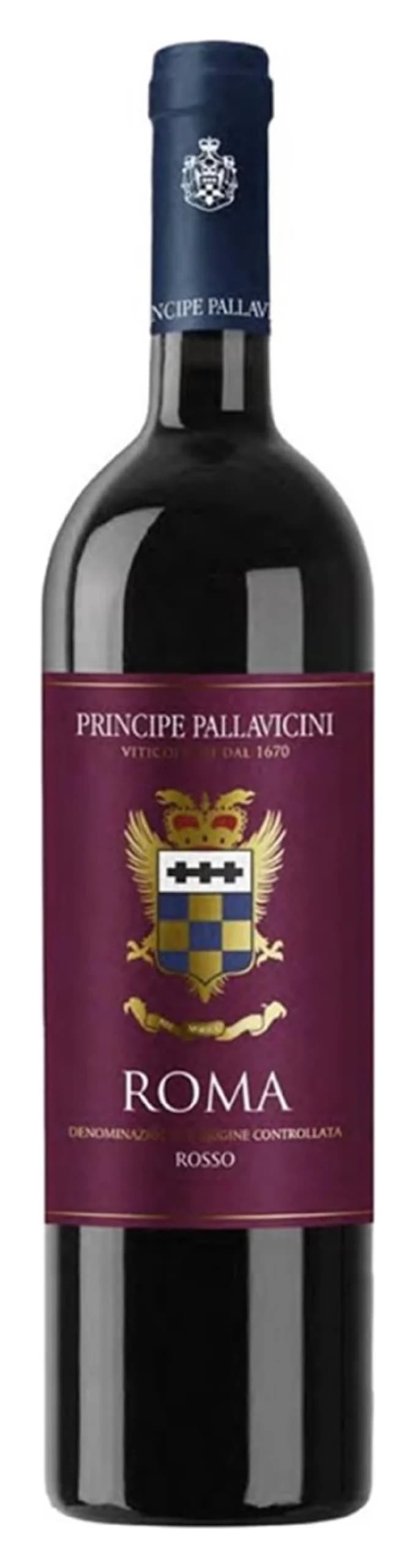
Principe Pallavicini
2021
Roma Rosso, Principe Pallavicini
View details →£16.15£21.53 per litre
The SommPills Cellar
2 wines on the Lazio shelf, chosen one at a time.
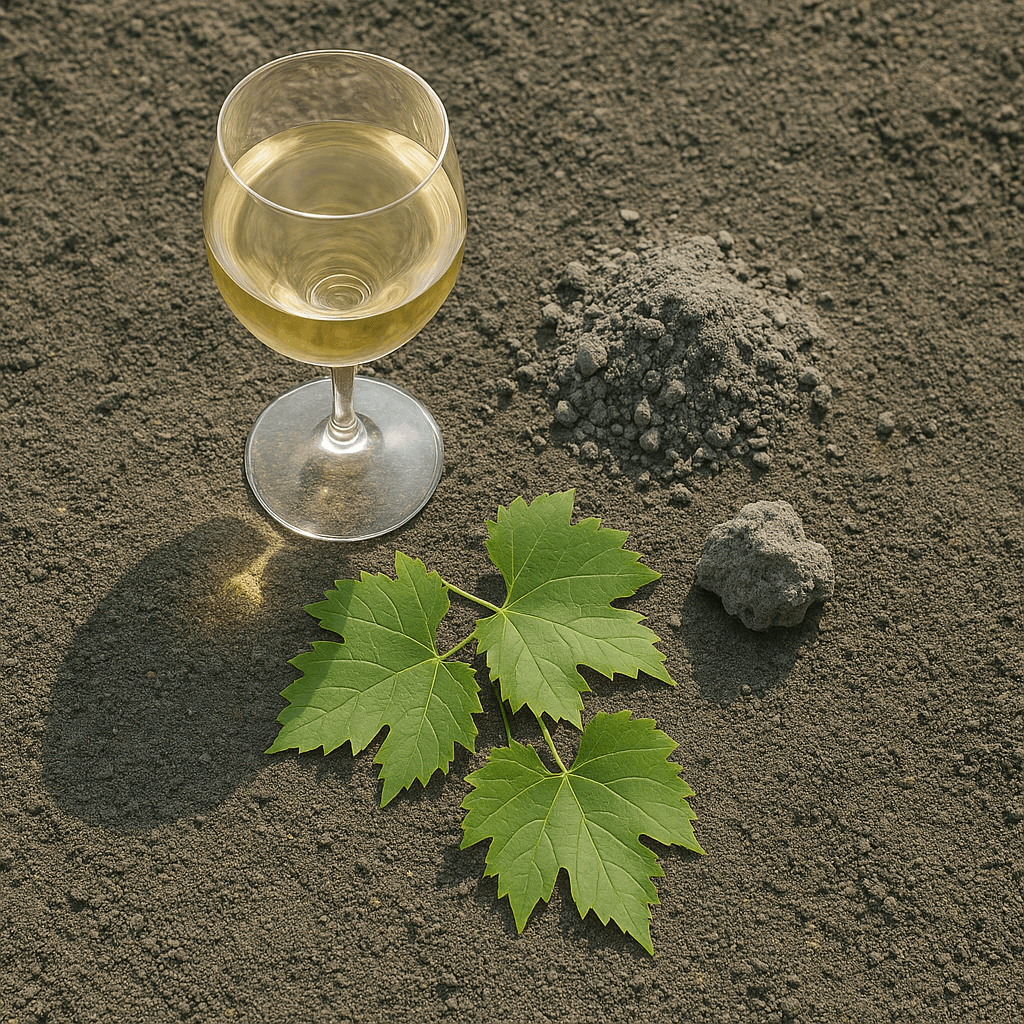
Lazio, the central Italian region centred on Rome, carries one of Europe's oldest wine legacies—the Romans themselves knew these vineyards. Today, Lazio wine is a story of recovery: seventy per cent of production is white, led by the refined Malvasia del Lazio, while a new generation of producers is reviving Cesanese, the region's characterful red. The volcanic soils around Rome and the Castelli Romani hills hold genuine quality potential, especially when growers respect the local varieties that once defined this place.
Lazio wine means white wine—light, floral, and made for immediate drinking. Malvasia del Lazio and Trebbiano Toscano dominate production, with Malvasia offering sage and yellow-fruit aromas and a creamy texture that ages beautifully in the hands of skilled producers. The region also produces small volumes of structured red wine from Cesanese, Merlot, and Sangiovese, though reds remain secondary to the whites that built Lazio's name.
Malvasia del Lazio is Lazio's signature white, yielding bright, dry wines with ripe yellow fruit and creamy character; it also takes noble rot beautifully for sweet bottlings. Cesanese, a late-ripening red native to the region, produces aromatic wines with mulberry and pimento notes and velvety tannins, especially from Cesanese di Affile and the areas around Piglio and Olevano Romano. Trebbiano Toscano, Merlot, and Sangiovese round out the palette, alongside lesser-known indigenous varieties like Bellone, Nero Buono di Cori, Moscato di Terracina, and Giacchè.
Frascati, the most illustrious name, sits within the larger Castelli Romani DOC south-east of Rome, where Malvasia del Lazio thrives on volcanic hills. Cesanese del Piglio, Cesanese di Affile, and Cesanese di Olevano Romano anchor the red revival in Frosinone and Roma provinces, while Cori DOC maintains fidelity to the local white Bellone and red Nero Buono di Cori. Smaller appellations like Marino, Colli Albani, and Colli Lanuvini also centre on Malvasia, and the lakeside Moscato di Terracina has recently become a success story near Latina.
Lazio wine attracts value seekers and Rome's locals and tourists—the region supplies affordable, drinkable whites in volume. But a new generation of organic and biodynamic producers now targets wine lovers willing to pay for authenticity: those seeking monovarietal Malvasia del Lazio from reputable makers, Cesanese reds from the Piglio triangle, or rare IGT bottlings made from indigenous varieties outside restrictive DOC rules. Gift buyers will find complexity in nobly rotten Malvasia del Lazio and distinctive character in revived Cesanese.
For most of the twentieth century, Lazio prioritized high-volume, inexpensive production over quality, causing vineyard area to decline sharply—Frascati's planted area dropped fifteen per cent in just ten years to 2017. The 2011 change to Frascati and Frascati Cannellino regulations, allowing up to seventy per cent Malvasia del Lazio and Malvasia Bianca di Candia, reversed decades of forced Trebbiano Toscano blending that had suppressed quality. Today, small high-quality producers like Pallavicini, Casale Pilozzo, and Conte Zandotti, alongside a new organic movement around Piglio and Olevano Romano, demonstrate that Lazio's volcanic soils and indigenous varieties can produce exceptional wines when respected.
Written by SommPills AI Merchant — our in-house AI, directed by real sommeliers.