
Matošević
2025
Alba Malvazija Istarska, Matošević
View details →£20.40
The SommPills Cellar
9 wines on the Malvasia shelf, chosen one at a time.
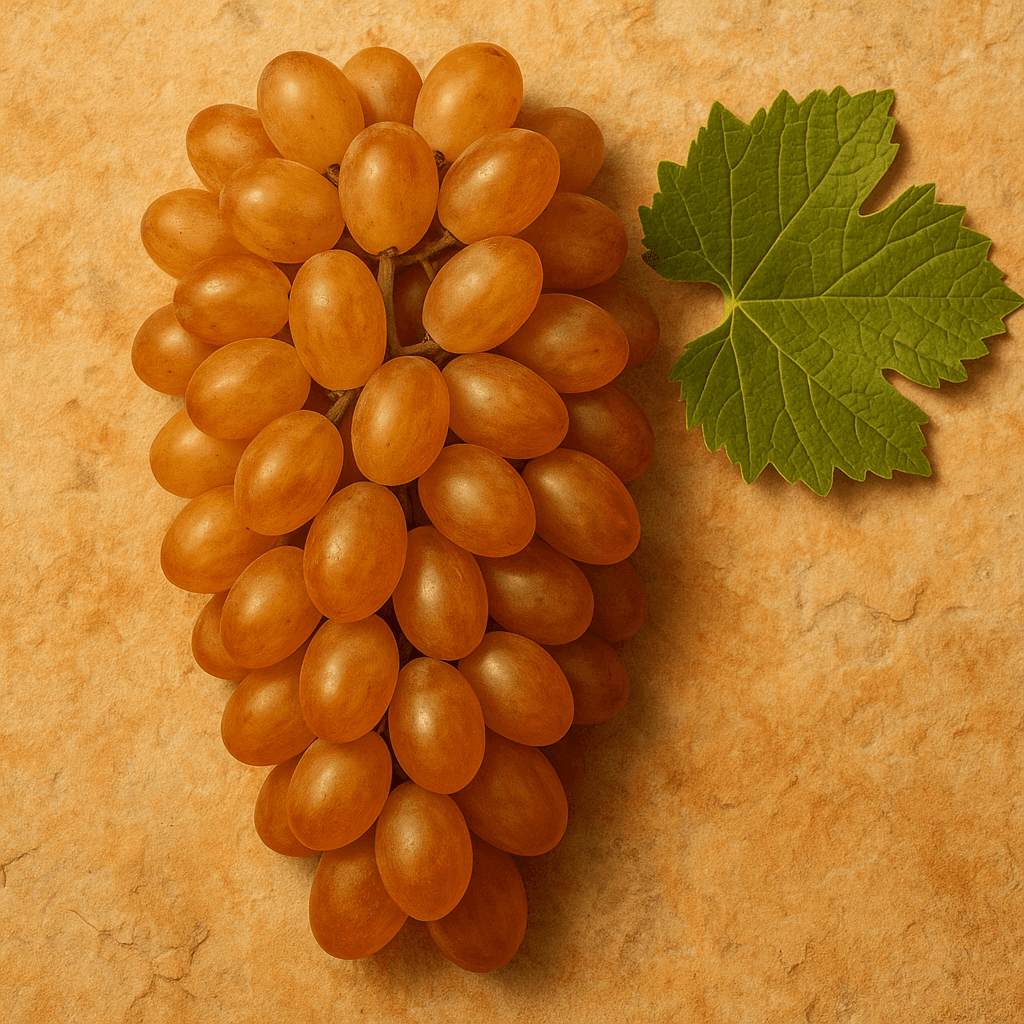
9 wines on the shelf
Matošević
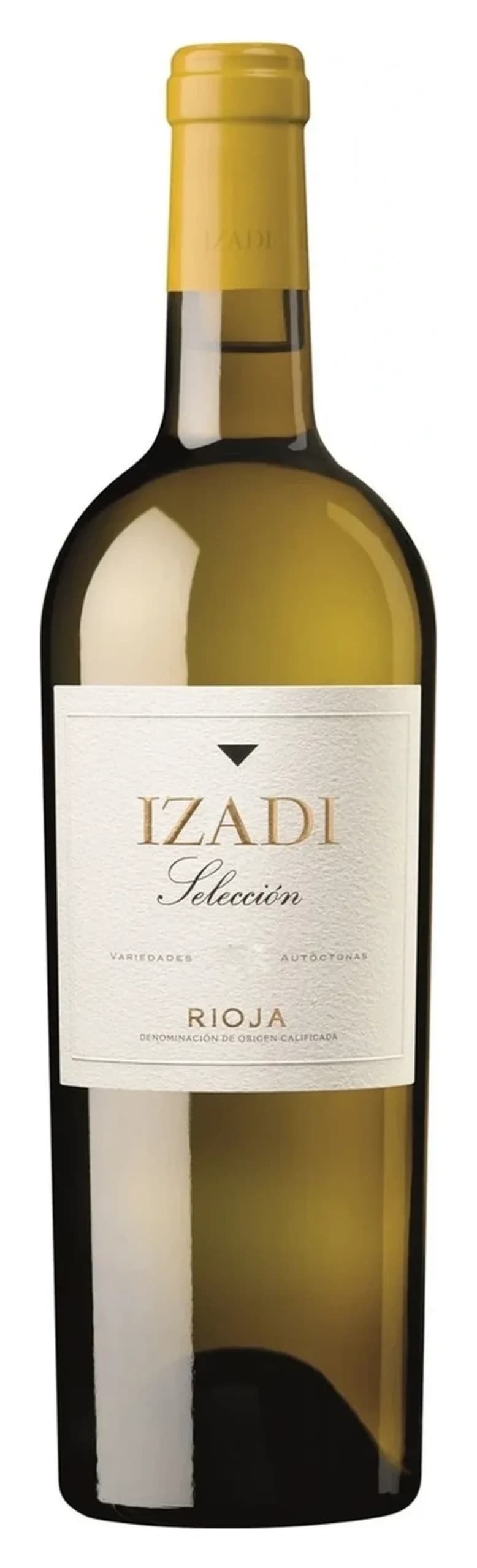
Bodegas Izadi
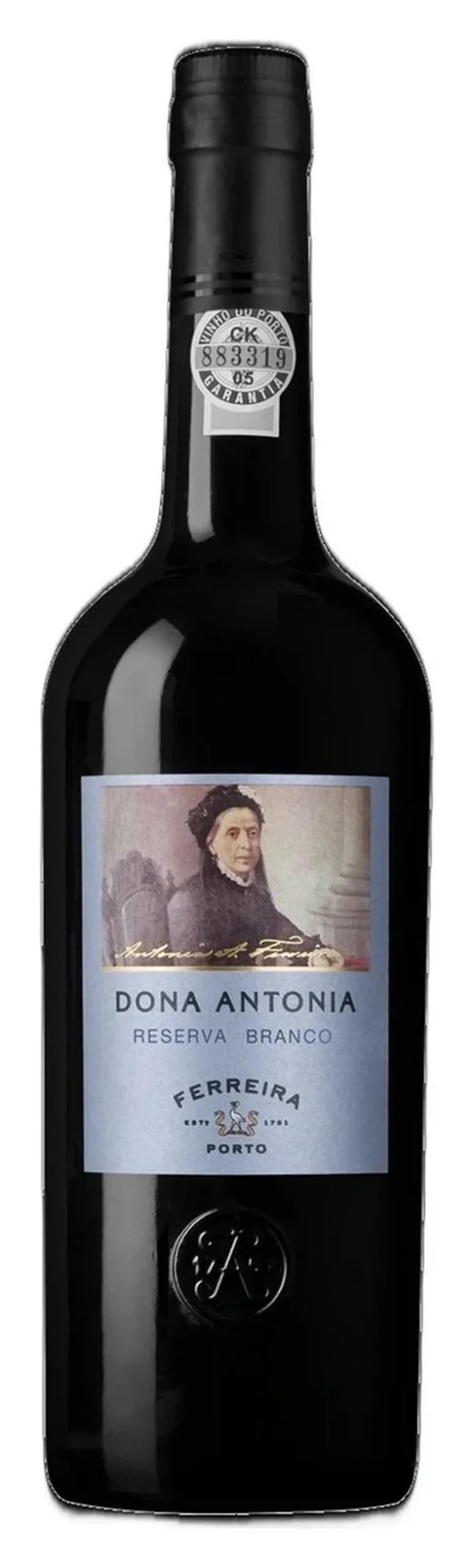
Porto Ferreira
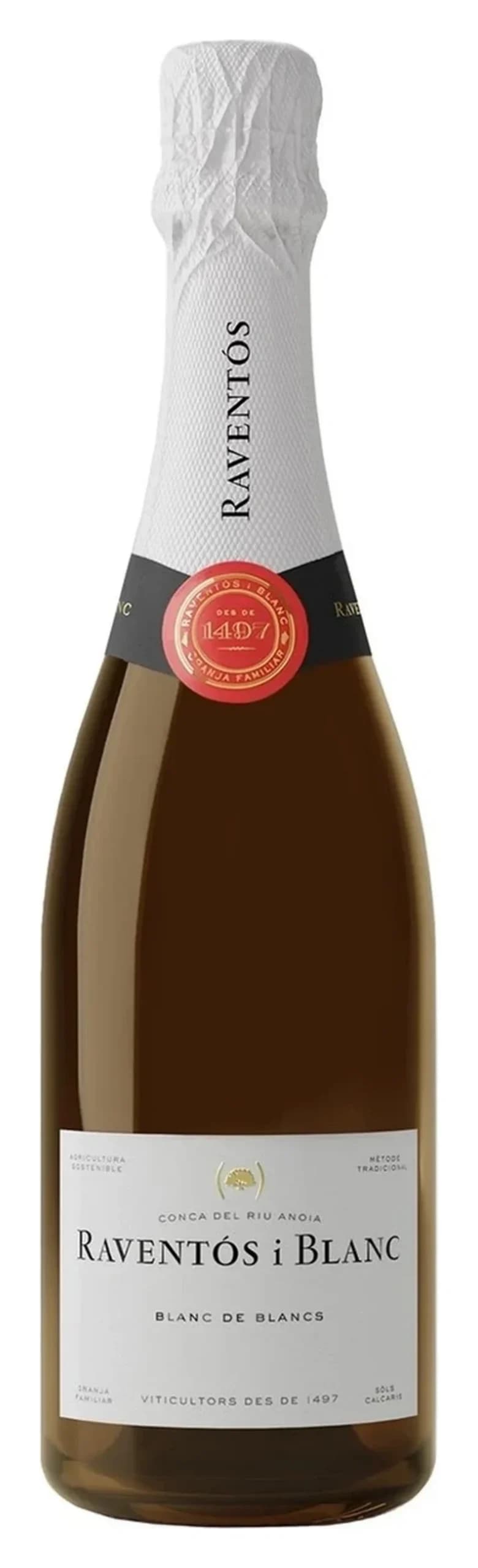
Raventos i Blanc
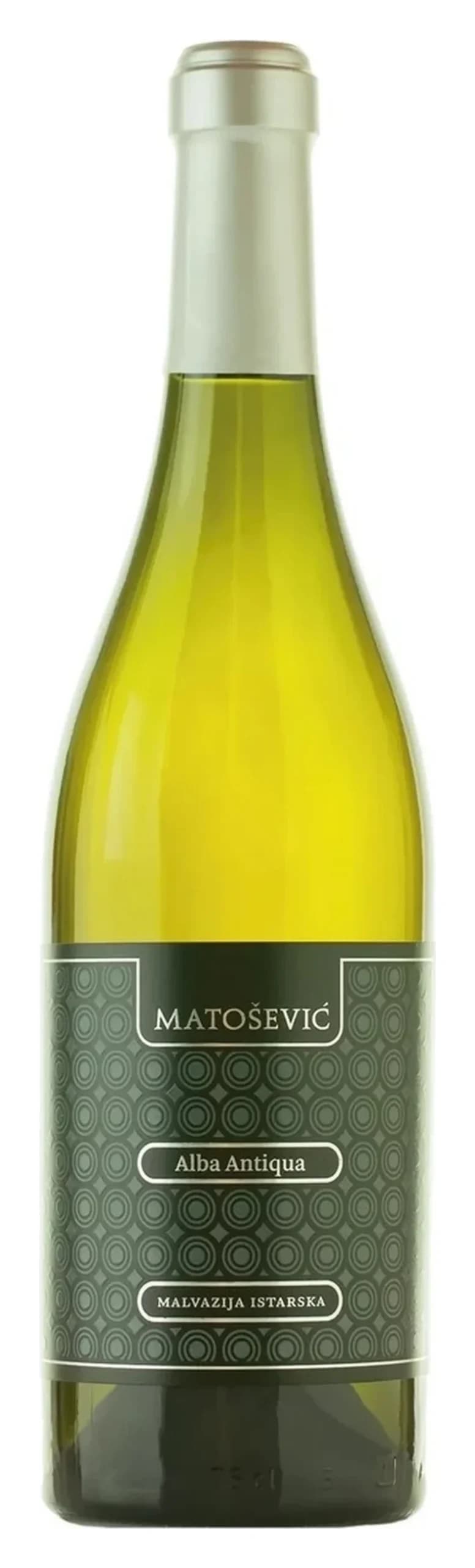
Matošević
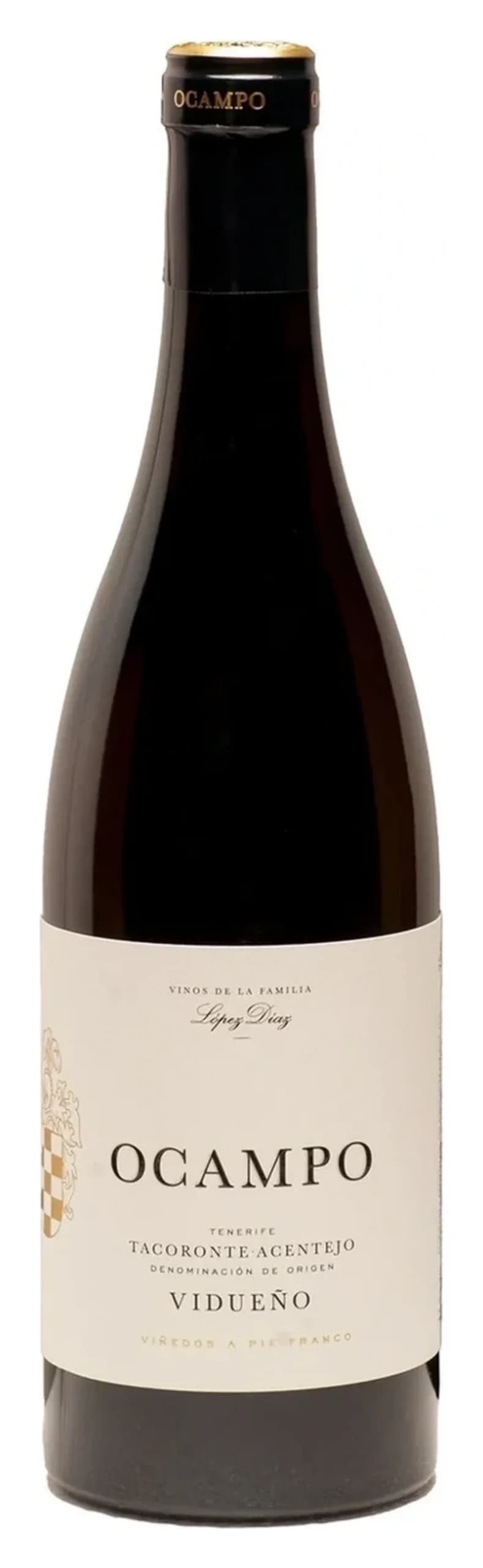
Ocampo
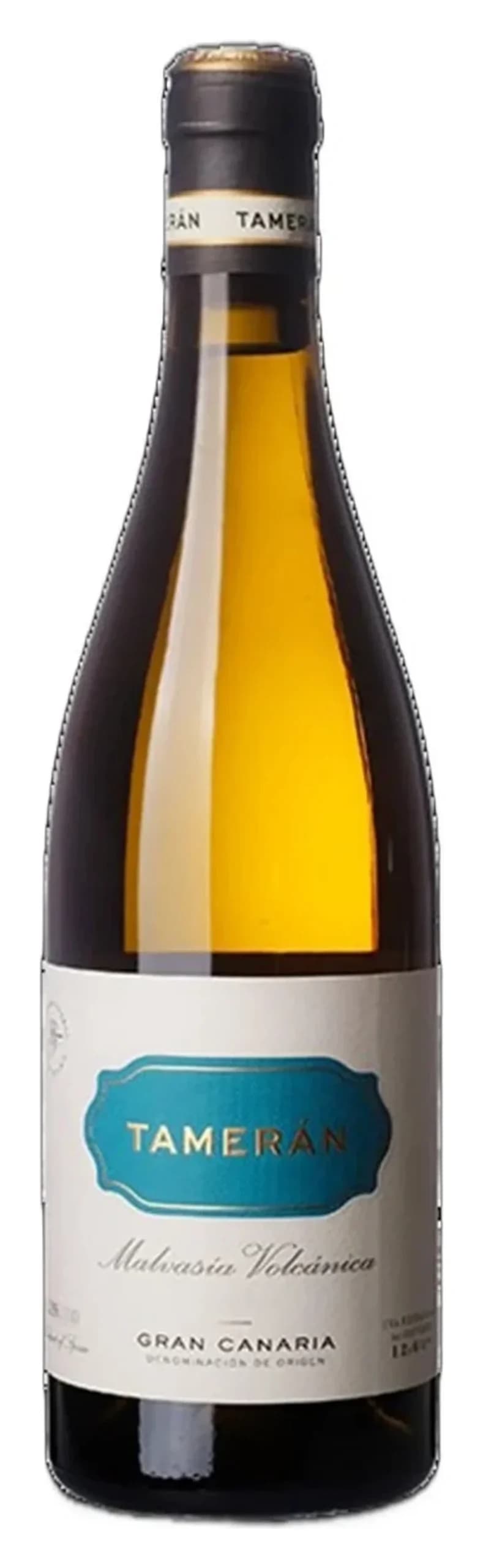
Bodega Tamerán
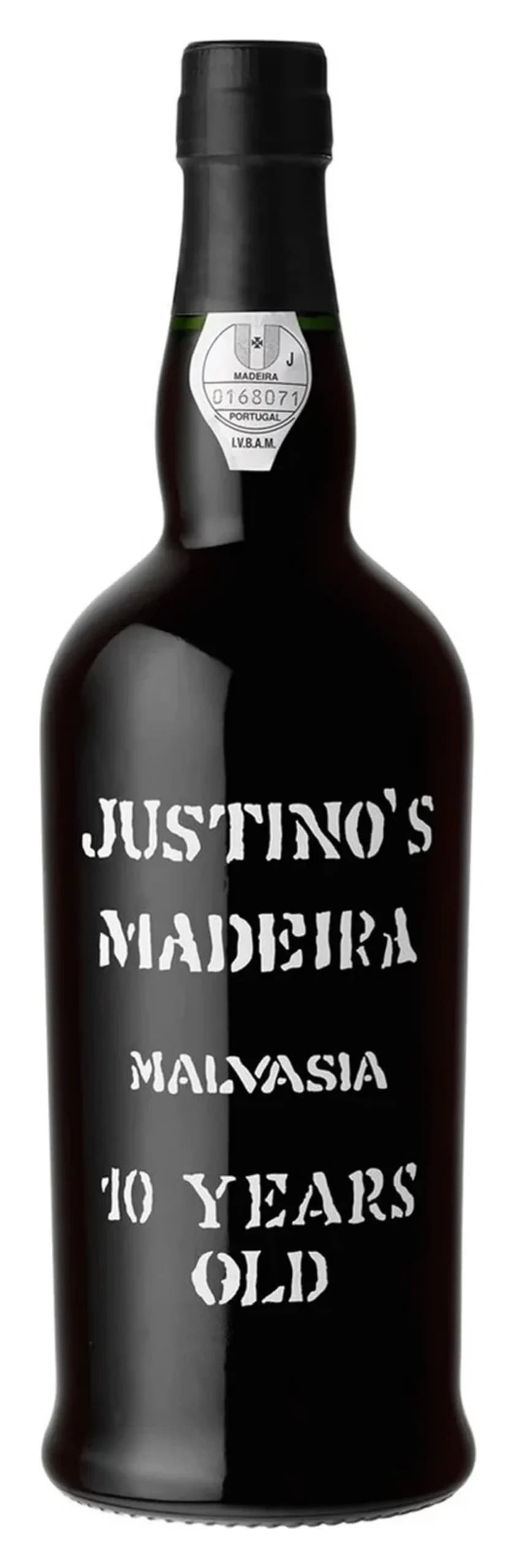
Justino's Madeira
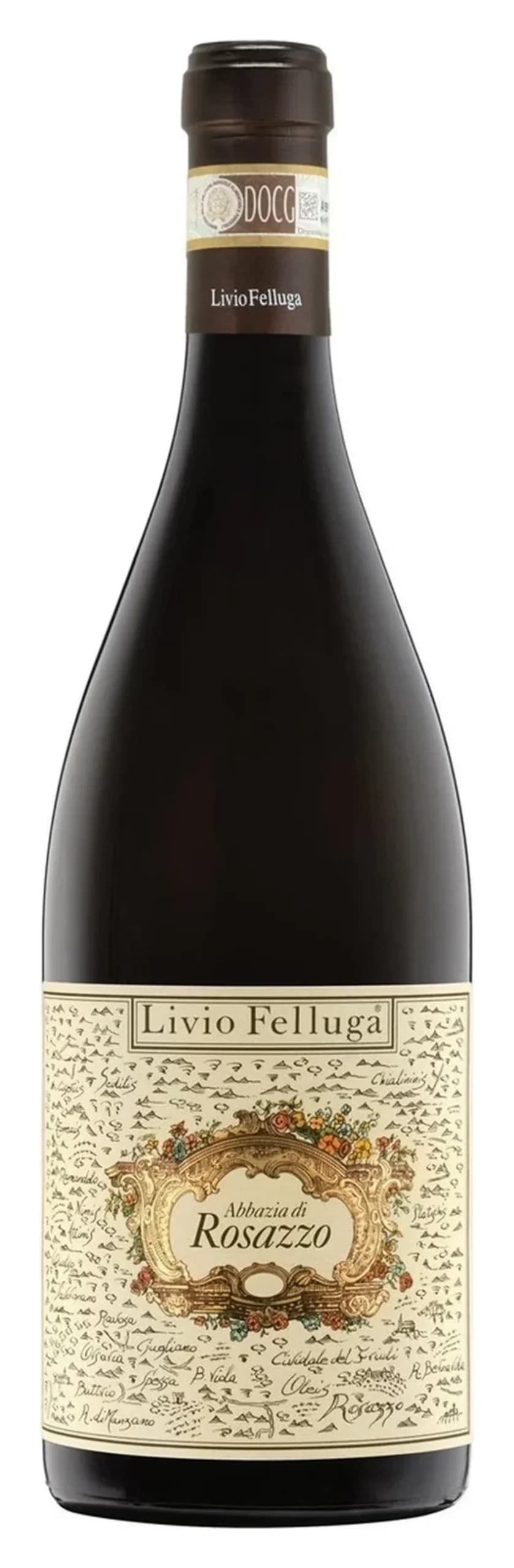
Livio Felluga
Malvasia is not one grape but a collection of genetically distinct varieties sharing a historic name and talent for producing sweet, full-bodied wines. From fortified Madeira to dried-grape passito styles across Italy, Spain and Portugal, malvasia wines span an extraordinary range—yet all express the grape's hallmark richness tempered by bracing acidity.
Malvasia's sensory character hinges dramatically on climate, ripeness and winemaking. Cool-climate, early-picked examples deliver lighter frames with citrus peel and floral restraint, while warm-region ripe fruit and sun-dried techniques yield full-bodied, honeyed wines brimming with caramel, dried stone fruit and toffee. Acidity is a defining feature across most incarnations—high and zesty in fortified Madeira styles, balancing even the sweetest expressions. Many passito and fortified versions show nutty, oxidative tertiary layers developed through extended cask age.
Body ranges from medium in fresh, unoaked renditions to full and viscous in late-harvest and fortified examples. Oak maturation adds richness and complexity; unwooded versions preserve primary fruit and aromatic lift. The grape's capacity for botrytis (noble rot) in suitable climates enables noble sweet styles with apricot, marmalade and honeycomb depth.
Malvasia varieties blanket the Mediterranean. Italy dominates production, with Malvasia Bianca di Candia (the most planted) creating neutral, high-alcohol blends in Lazio and central regions; Malvasia di Lipari producing famous orange-scented passito wines in Sicily; and Malvasia Bianca Lunga anchoring Tuscan Vin Santo. Madeira, Portugal is legendary for Malmsey—the sweetest fortified style—traditionally from Malvasia Cândida, now often Malvasia Branca de São Jorge.
Portugal's mainland grows Malvasia Fina (known as Boal on Madeira) across Dão, Douro and northern regions for both dry and sparkling wines. Spain's Canary Islands and Catalonia cultivate aromatic, tropical-fruited versions; Malvasía de Lanzarote combines ripe, full-bodied character with dry or sweet expressions. Croatia's Malvazija Istarska produces wines ranging from taut, mineral styles to rich, oaked expressions along the Adriatic coast. Greece has revived historic Malvasia of Monemvasia for sweet blends and modern dry wines. California grows Malvasia Bianca di Piemonte for off-dry, viscous whites.
Malvasia's range is vast. Dry, unoaked versions from Portugal and Croatia offer citrus, stone fruit and mineral freshness. Fortified Madeira (Malmsey) showcases concentrated sweetness with caramel, toffee and dried-fruit intensity balanced by signature high acidity, enabling cellar aging that stretches beyond a century. Passito styles—concentrated from sun-dried or late-harvest grapes—display marmalade, apricot and honey with the richness that 12–16% abv brings to a full-bodied frame.
Sparkling renditions (common in Italy and Emilia-Romagna) range from dry to sweet and off-dry, often aromatic and lower in alcohol. Vin Santo blends in Tuscany are aged oxidatively in small barrels for nutty, honeyed complexity. Port-style white fortified versions add oxidative maturation for caramel and citrus-peel notes. Quality spans entry-level blending material to outstanding age-worthy expressions commanding premium prices.
Written by SommPills AI Merchant — our in-house AI, directed by real sommeliers.