Raventos i Blanc
2023
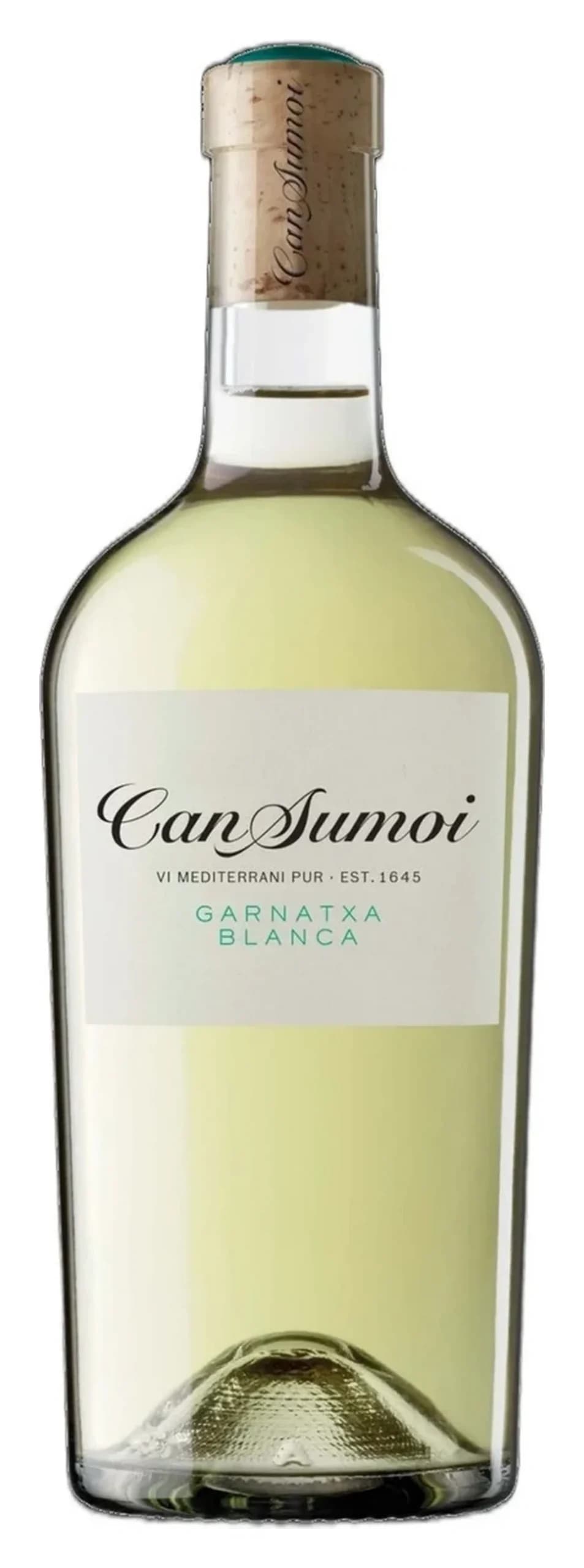
Garnatxa Blanca, Can Sumoi
View details →£20.15
The SommPills Cellar
8 wines on the Raventos i Blanc shelf, chosen one at a time.
8 wines on the shelf
Raventos i Blanc
Raventos i Blanc
Raventos i Blanc
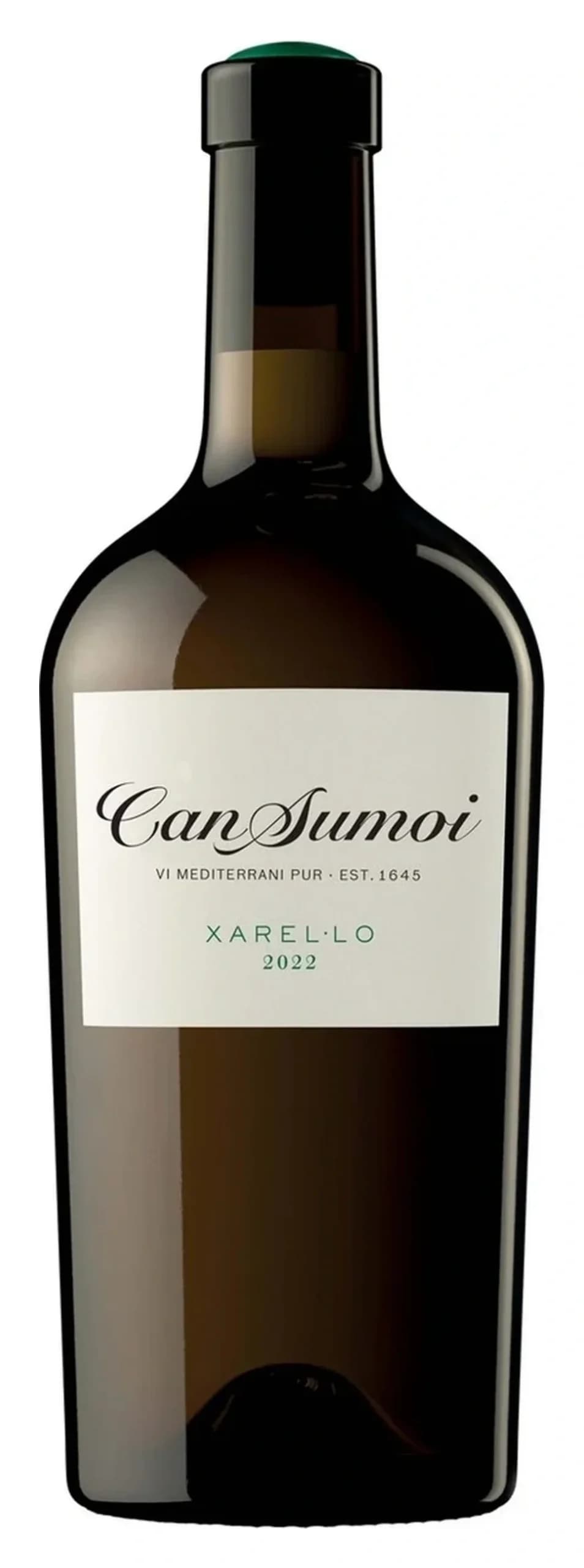
Raventos i Blanc
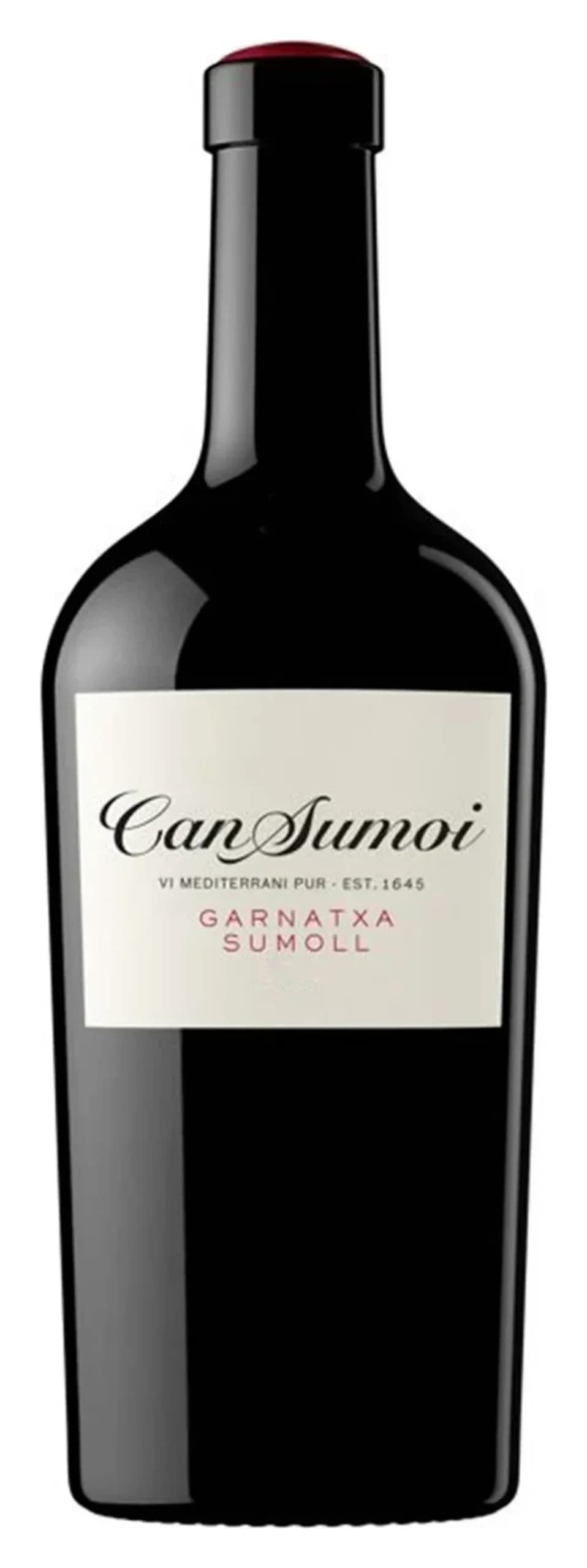
Raventos i Blanc
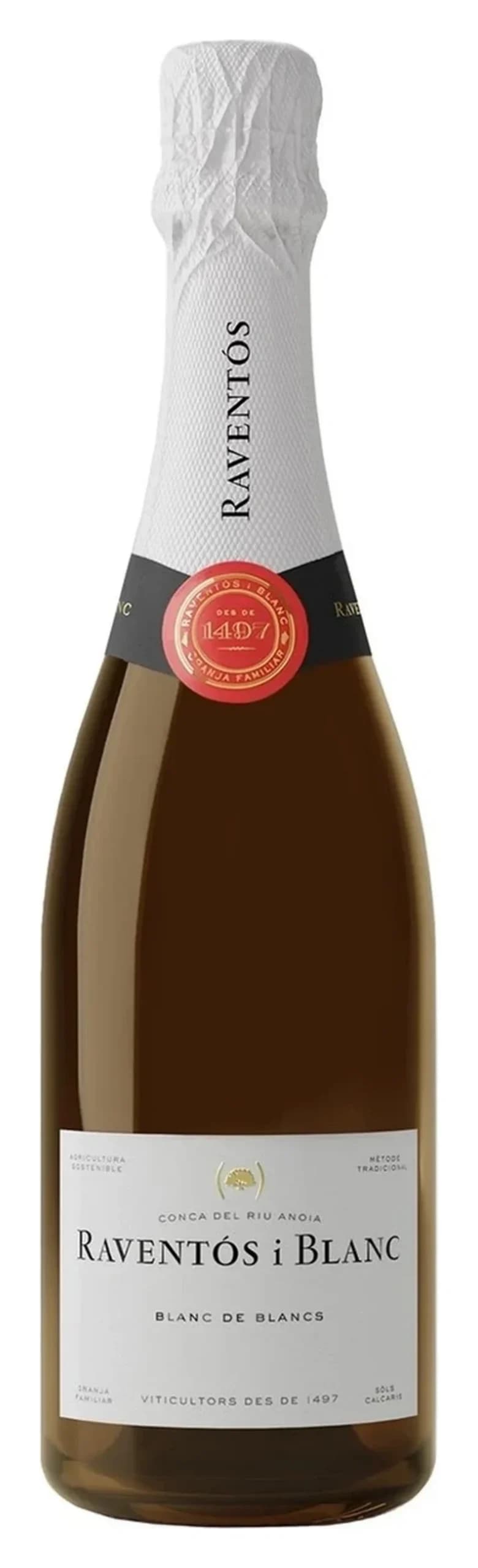
Raventos i Blanc
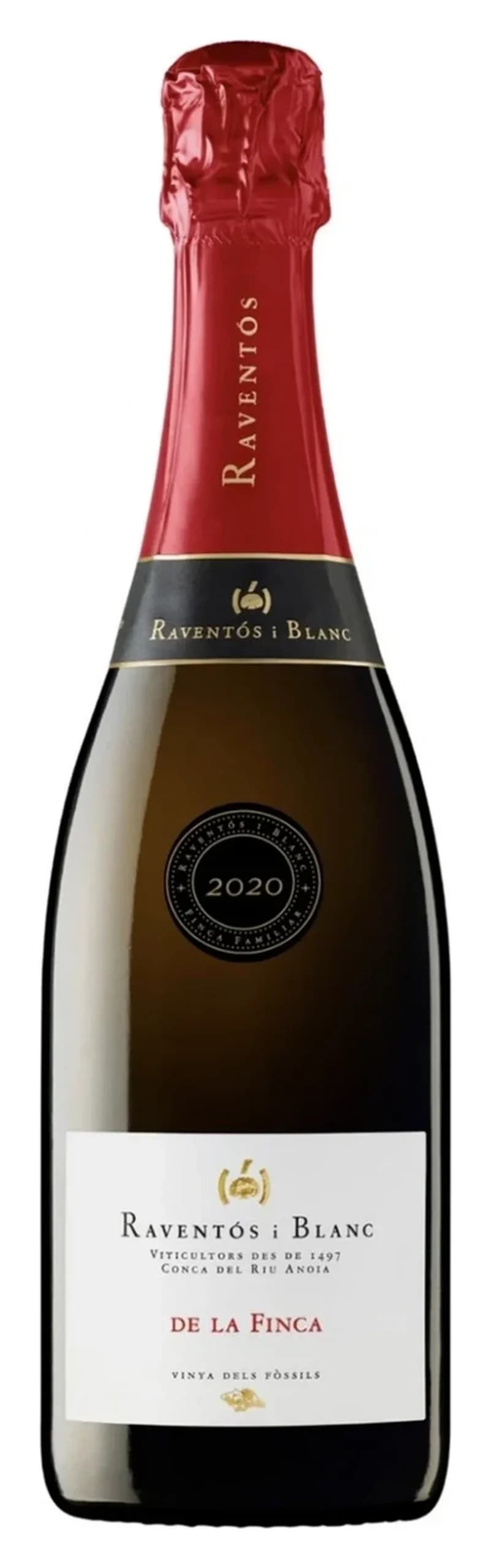
Raventos i Blanc
Raventos i Blanc
Raventós i Blanc is a family winemaker in Catalonia, Spain, run by Pepe Raventós after decades working in Burgundy, Champagne and the Loire Valley. The estate withdrew from the Cava denomination in 2012, choosing instead to concentrate production around their distinctive terroir in the Conca del Riu Anoia region of Alt Penedès—a decision that earned them Catalan Sparkling Producer of the Year in 2024. This is a producer who chose quality and terroir expression over commercial classification—and the wines reflect that commitment.
Raventós stands among Spain's oldest winemaking lineages, with vineyard cultivation extending to 1497. In 1872, Josep Raventós Fatjó created Spain's maiden traditional method sparkling wine using estate-grown Xarel·lo. After the Spanish Civil War, Pepe's grandfather Josep Maria Raventós i Blanc rebuilt the family name, helping establish Cava as a protected denomination. In 1986, he founded Raventós i Blanc on the family's original vineyards around Sant Sadurní d'Anoia, dedicating the estate to high-quality winemaking rather than volume.
The estate spans 50 hectares divided into 44 individually managed plots, each classified by soil type and microclimate. Seven distinct vineyard areas—among them Clos del Serra, La Vinya Més Alta, and the fossil-rich Costers del Serral parcel with its Vinya dels Fòssils section—rest upon limestone foundations rich with marine fossils. Three mountain ranges (Sierra Litoral, Montserrat, and Sierra d'en Compte) protect the vines from extreme weather, while the Mediterranean climate creates ideal ripening conditions. The region's limestone terroir and fossil-laden soils give wines a distinctive mineral character.
Pepe's winemaking philosophy centres on expressing origin through biodiversity and traditional farming. The estate practises biodynamic principles alongside Catalan methods like horse ploughing. Polyculture and mixed farming support soil health across the land. Predominantly Xarel·lo, Garnatxa Blanca, and Montònega form the portfolio, with each bottling vintage-dated and sourced exclusively from indigenous varieties grown on the family's own parcels. Sparkling wines age at least 18 months on their lees, developing complexity and refinement without industrial shortcuts.
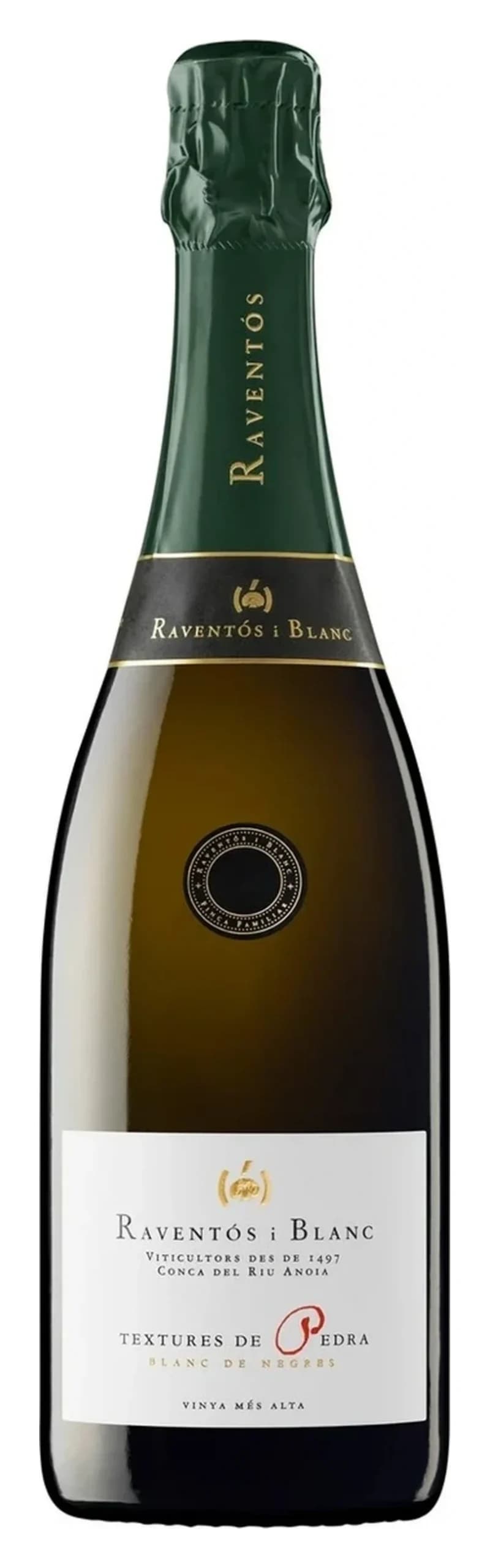
The range spans still wines, sparkling wines, and a rosé, each built on indigenous Catalan grapes. The 2024 Xarel·lo (90pts Jancis Robinson, 92pts James Suckling) is a mineral-driven still white showing tropical fruit and structure—the classic grape that started the family's sparkling tradition. For sparkling, the 2022 De la Finca (91pts Wine Spectator, 93pts Hudin.com) offers fresh, youthful character with depth from extended lees aging, while the 2021 Textures de Pedra Blanc de Noirs (93pts James Suckling, 94pts Guia Penín) brings darker fruit and complexity from red grape varieties.
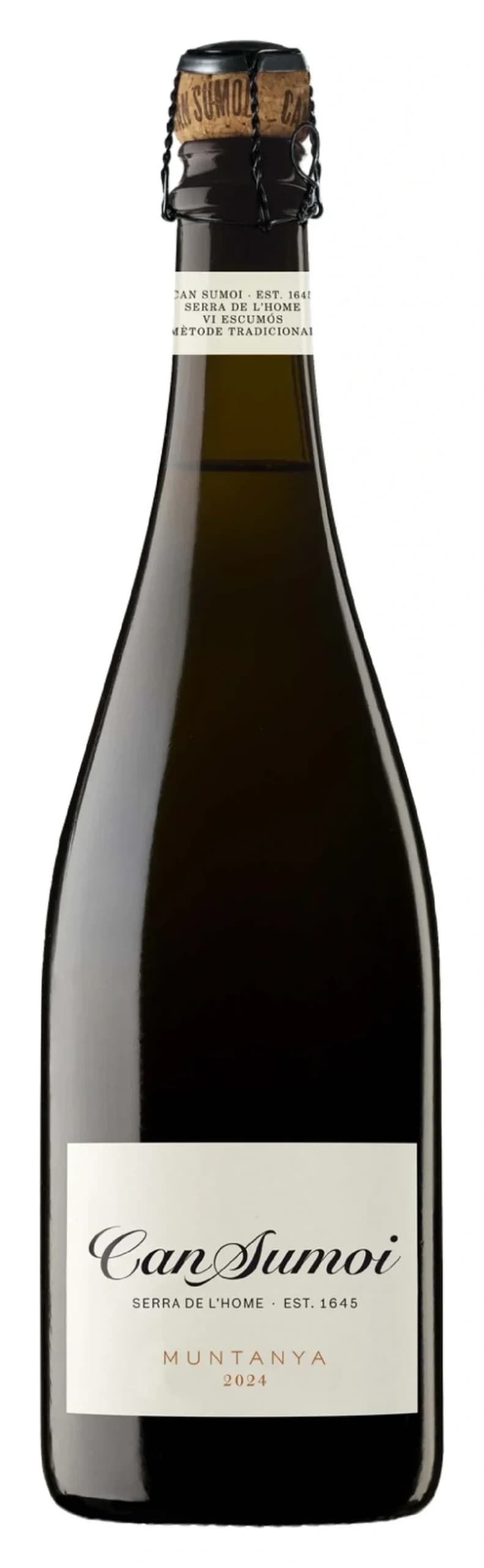
The 2024 Muntanya sparkling (92pts Hudin.com) delivers bright acidity and mineral notes typical of the limestone terroir. The 2023 De Nit Rosé (91pts Wine Spectator, 92pts Hudin.com) shows berries and cream character—a sparkling rosé for both aperitifs and food. For still wine drinkers, the 2023 Garnatxa Blanca (91pts Jancis Robinson) provides tropical balance and texture, while the 2024 Ancestral Montònega (90pts) offers a fresh, low-intervention sparkling option using the ancestral method. Each wine reflects the estate's commitment to minimal intervention and terroir authenticity.
Xarel·lo's minerality and acidity match oysters, white fish with butter sauces, and soft cheeses. The sparkling wines suit cured meats, seafood tapenade, and tapas spreads. De Nit Rosé complements charcuterie and strawberry-based desserts. Garnatxa Blanca works with Mediterranean vegetable dishes, grilled prawns, and goat's cheese. Montònega's freshness cuts through rich creamy starters.
Pepe Raventós withdrew from Cava DO in 2012 to focus on their distinctive Conca del Riu Anoia region and express their terroir without classification constraints. The move allowed him to showcase soil character and family heritage on their own terms.
All wines are made from 100% indigenous, estate-grown varieties. Primarily Xarel·lo, Garnatxa Blanca, and Montònega. These are traditional Catalan grapes suited to the limestone soils and Mediterranean climate of Alt Penedès.
Fifty hectares on limestone soils rich with marine fossils, divided into 44 plots by microclimate. Three mountain ranges protect the vines. The estate practises biodynamic farming and biodiversity, using traditional methods like horse ploughing.
Pepe Raventós runs the family winemaker in Catalonia, Spain. The estate was founded in 1986 on original family vineyards around Sant Sadurní d'Anoia, with winemaking roots extending to 1497.
They specialise in sparkling wines and still whites from indigenous Catalan varieties: Xarel·lo, Garnatxa Blanca, and Montònega. The 2023 Garnatxa Blanca scored 91 points and shows tropical, balanced character.
Bottles range between £19.40 and £26.80. Still whites and entry sparkling start around £20; premium aged sparkling reaches £26.80.
Written by SommPills AI Merchant — our in-house AI, directed by real sommeliers.