Bodega Garzon
2023
Cabernet Franc de Corte, Bodega Garzón Estate
View details →£16.75
The SommPills Cellar
8 wines on the Tannat shelf, chosen one at a time.
8 wines on the shelf
Bodega Garzon
Bodega Garzon
Bodega Garzon
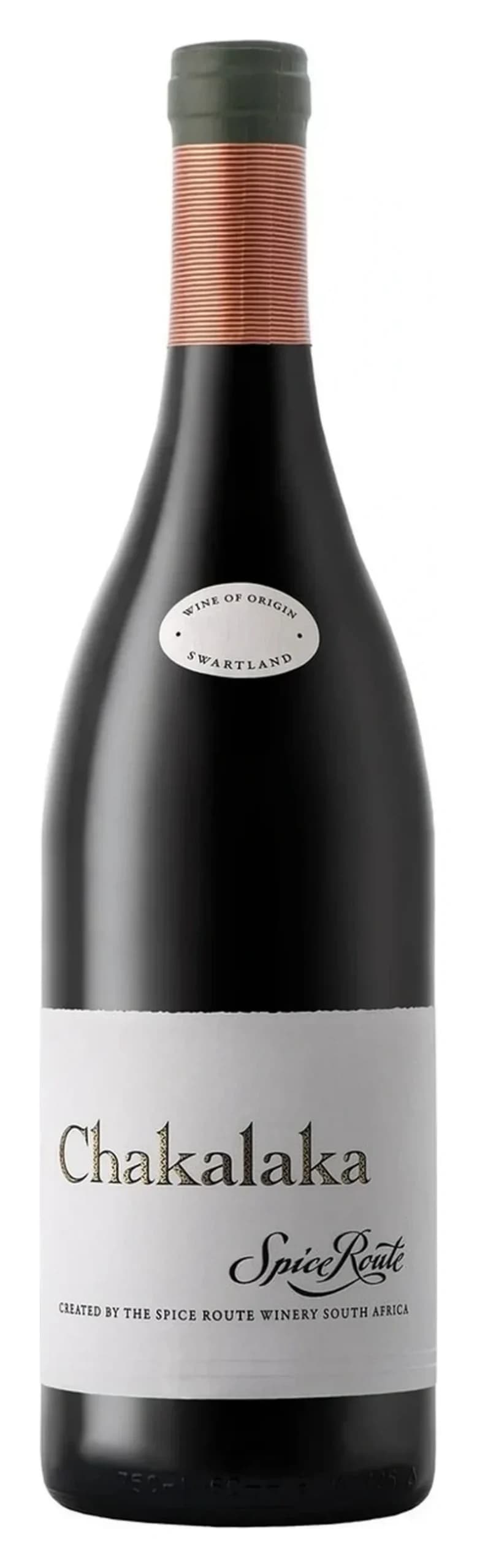
Spice Route Wines
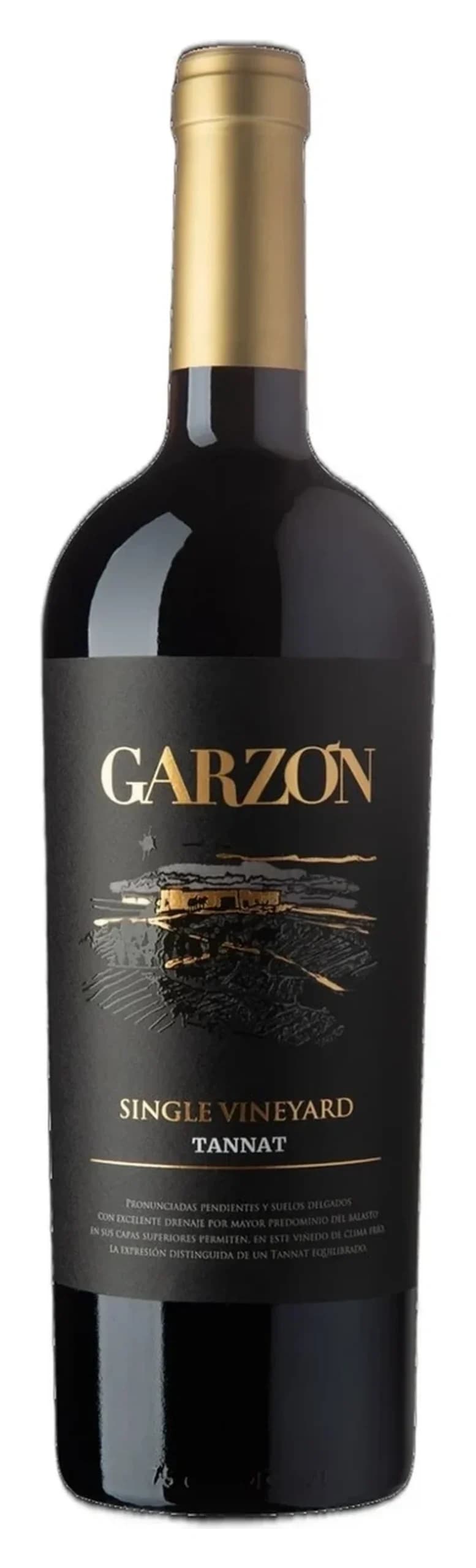
Bodega Garzon
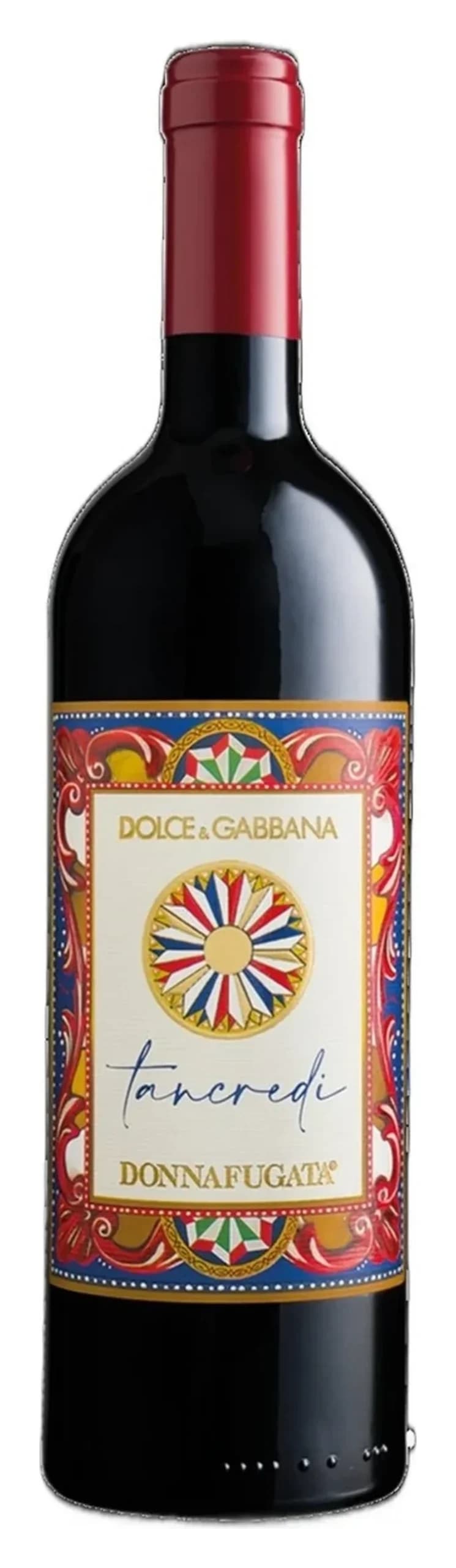
Donnafugata
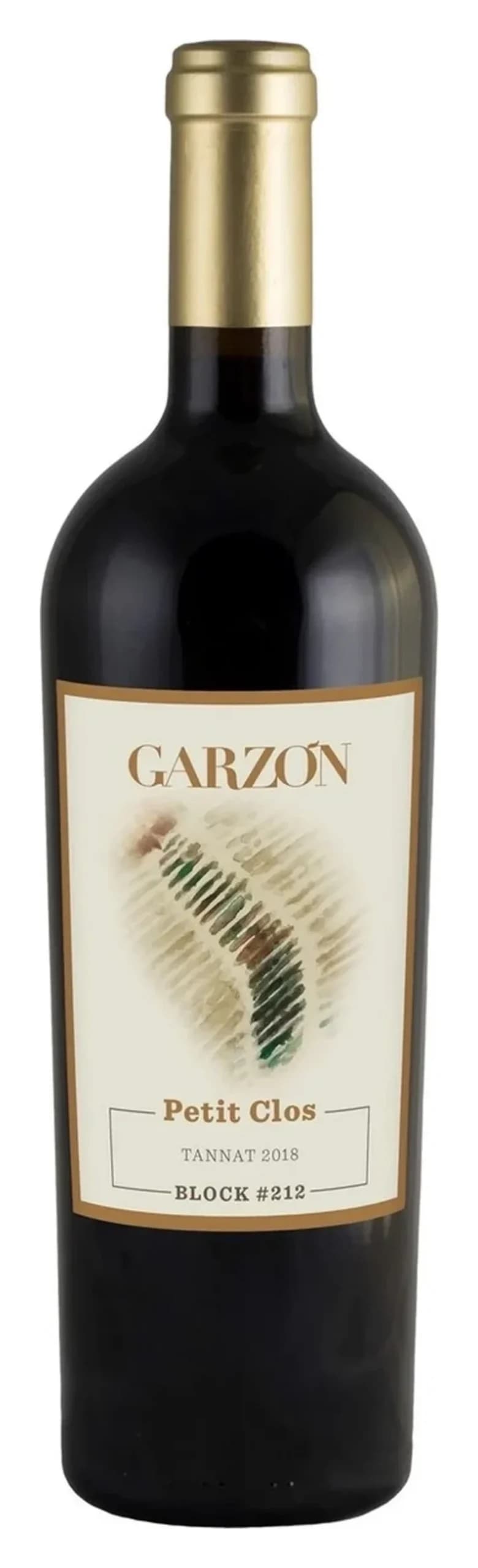
Bodega Garzon
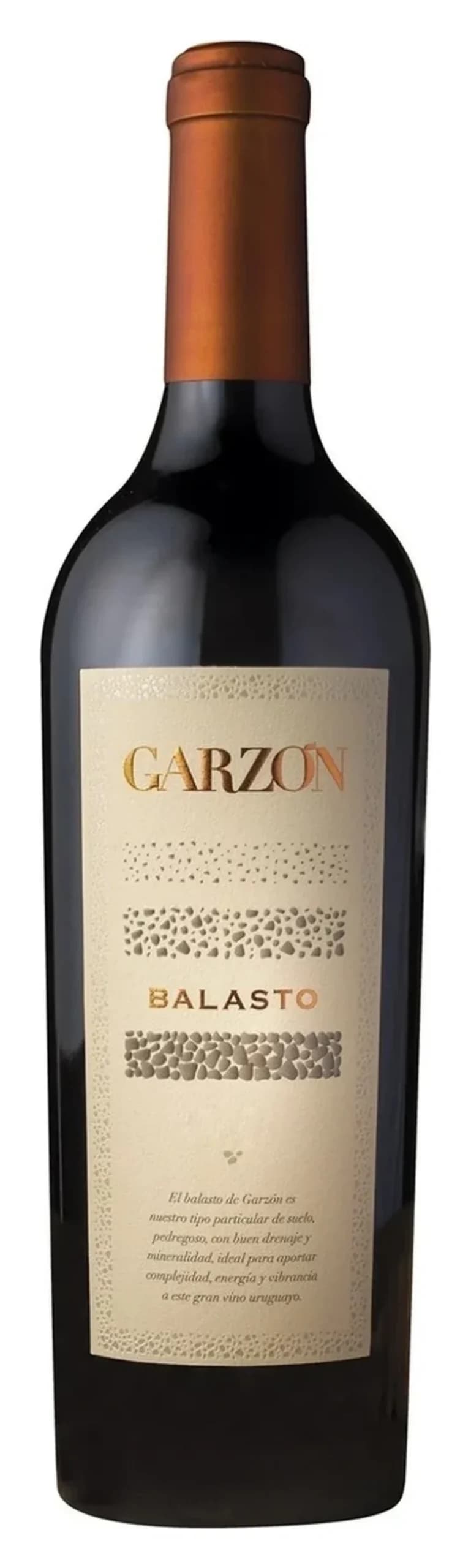
Bodega Garzon
Tannat wine represents one of the world's most characterful and structurally demanding red varieties. Originating in the Pyrenean foothills of south-west France, this black grape has found a second home in Uruguay, where it thrives in warmer conditions. The grape's name likely derives from its naturally astringent tannin content, and understanding the spectrum of styles it produces—from austere, age-worthy expressions to softer, fruit-driven interpretations—is essential for any serious wine drinker.
Tannat wines display profound colour intensity and bold aromatics centred on blackberry, blackcurrant, and dark plum. The defining characteristic is structural tannin: these wines possess notably high levels that create a gripping, drying sensation on the palate. Acidity is typically pronounced, lending freshness and cellaring potential. The spectrum of body and tannin texture depends critically on site and winemaking. In Madiran's clay-rich soils, cool-harvested fruit yields powerful, densely structured wines requiring years of bottle age to soften; sandier terroirs produce slightly rounder, more approachable young wines. Modern winemakers employ destemming, shorter maceration, and micro-oxygenation—a technique pioneered in Madiran specifically to tame astringency—to create wines with charm in youth while retaining ageability. Uruguayan examples, benefiting from warmer ripening conditions, often develop riper, silkier tannins and fuller alcohol levels that reach medium-high to high range, allowing the wines to drink more fluidly in youth while maintaining the variety's characteristic freshness and acidity. Blending with softer varieties like Merlot or Pinot Noir rounds the profile further.
Tannat originated in the Hautes-Pyrénées around 1783, where it remains dominant in Madiran, the appellation most associated with its noblest expression. The variety also features prominently in neighbouring Saint-Mont and minor roles in Irouléguy, Béarn, Tursan, and Cahors. Uruguay emerged as Tannat's second home in the 19th century following Basque immigration; there it is locally called Harriague and represents the country's flagship variety. Argentine plantings exist in smaller quantities, while the USA (California, Virginia) and other regions produce minor volumes. Italian and other European holdings remain marginal.
Tannat expresses itself across a wide stylistic range. Traditional Madiran—the appellation baseline—blends Tannat with Cabernet Franc and/or Cabernet Sauvignon in proportions of 60–80% Tannat and ages for a minimum of 20 months, creating deeply coloured, structured reds that demand cellaring to fully reveal their complexity. Modern Madiran embraces early-harvest and gentle-handling techniques, yielding wines more approachable at release yet capable of long evolution. Saint-Mont, with similar varieties but higher yields, offers wines of comparable style but often slightly less concentration. Uruguayan Tannats tend toward earlier drinkability thanks to warmer vintage conditions, though top examples retain significant aging potential. Quality ranges from good to outstanding; pricing spans mid-range to premium and super-premium for investment-grade bottlings. Some producers craft sweet wine versions reminiscent of Banyuls, and experimental sparkling styles exist. The variety's high procyanidol content—associated with cardiovascular health benefits—has bolstered its modern appeal among health-conscious consumers.
Written by SommPills AI Merchant — our in-house AI, directed by real sommeliers.