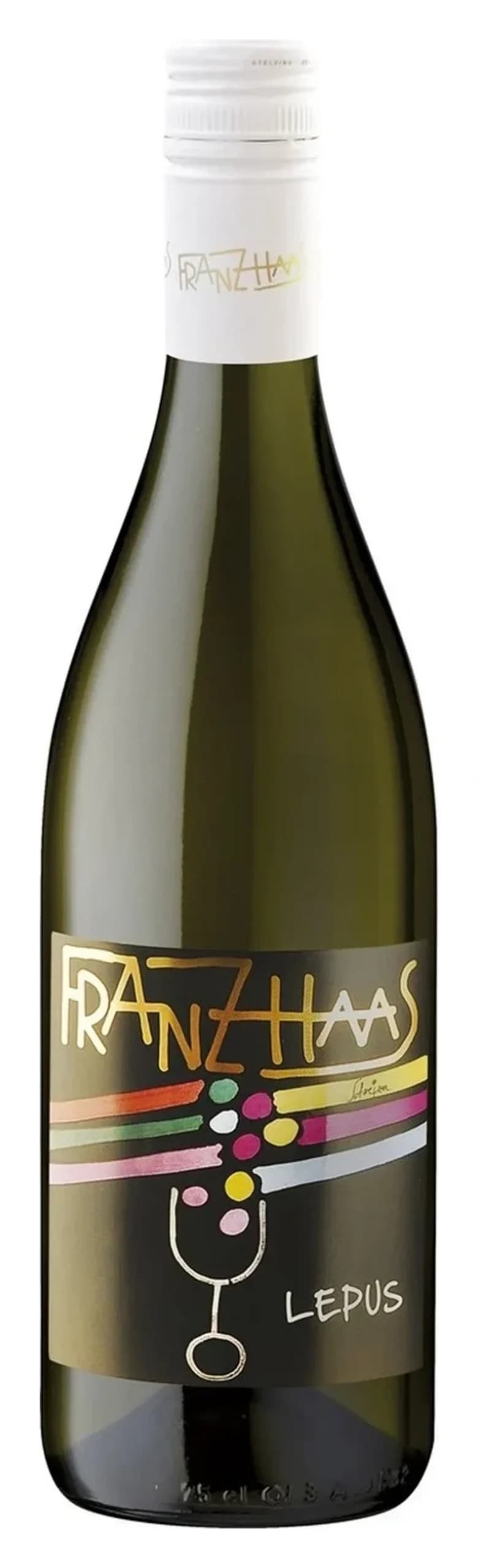
Franz Haas
2024
Lepus Pinot Bianco, Franz Haas
View details →£22.55
The SommPills Cellar
8 wines on the Pinot Blanc & Pinot Bianco shelf, chosen one at a time.
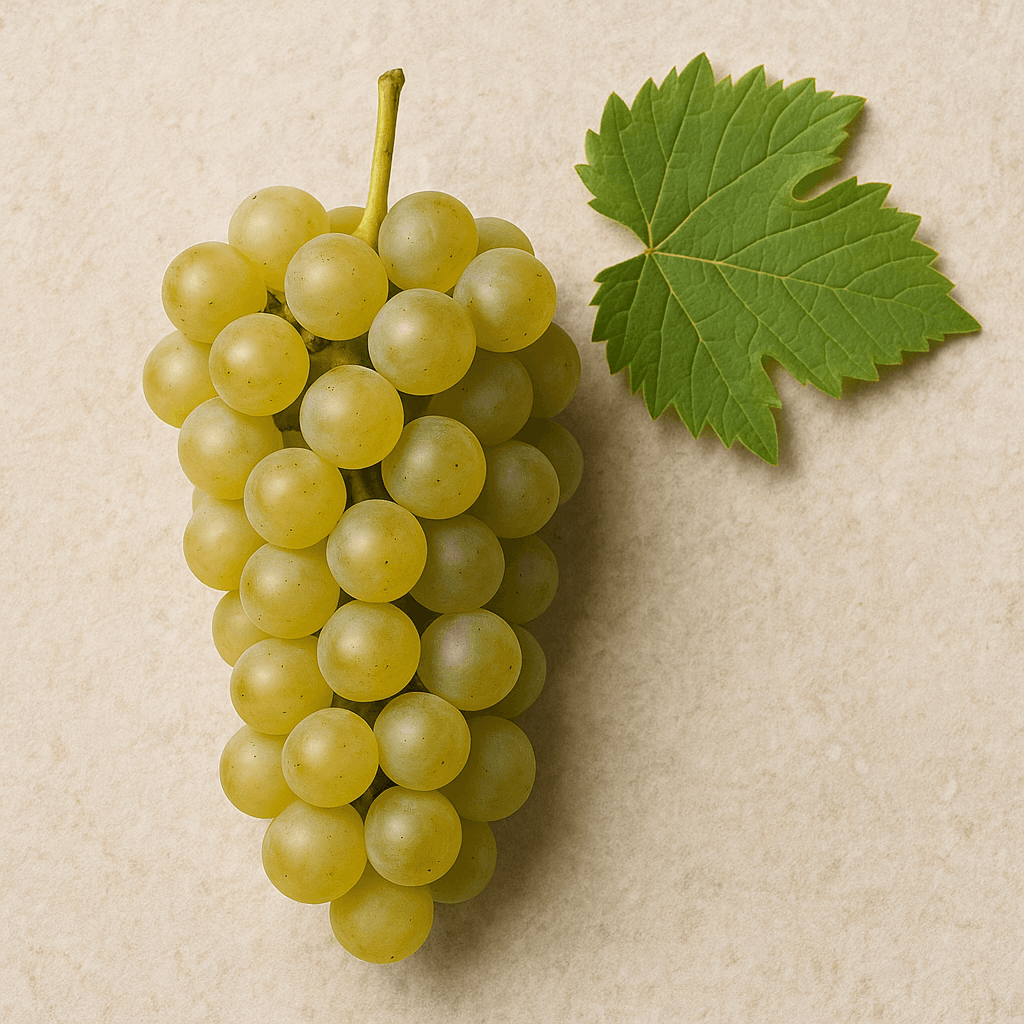
8 wines on the shelf
Franz Haas
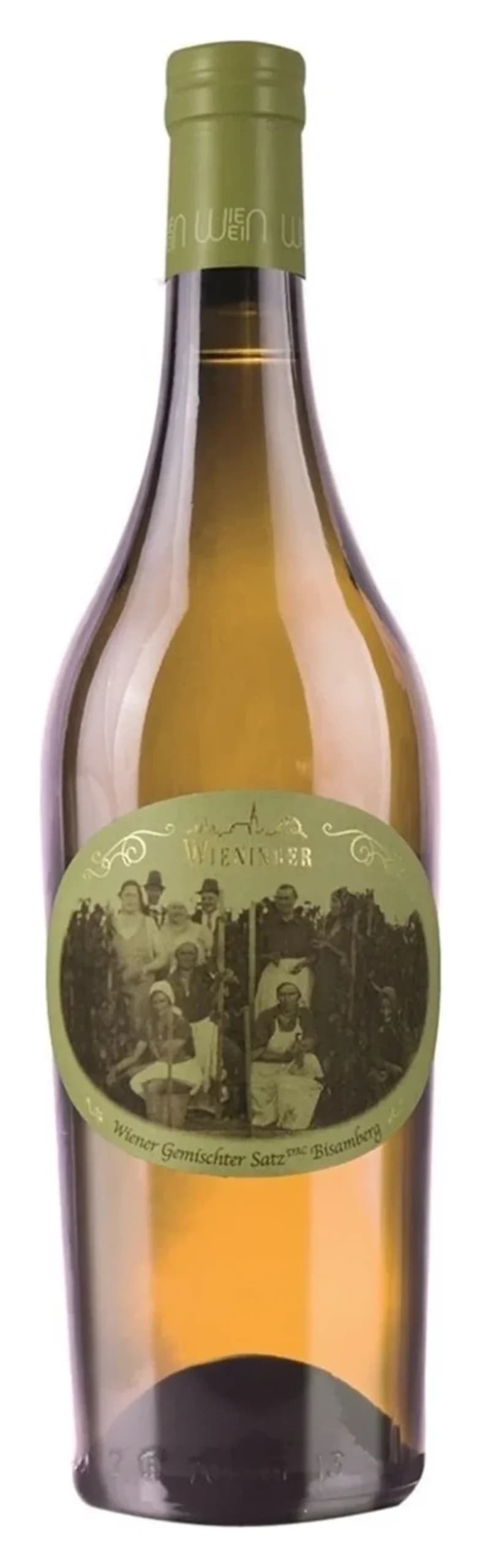
Weingut Wieninger
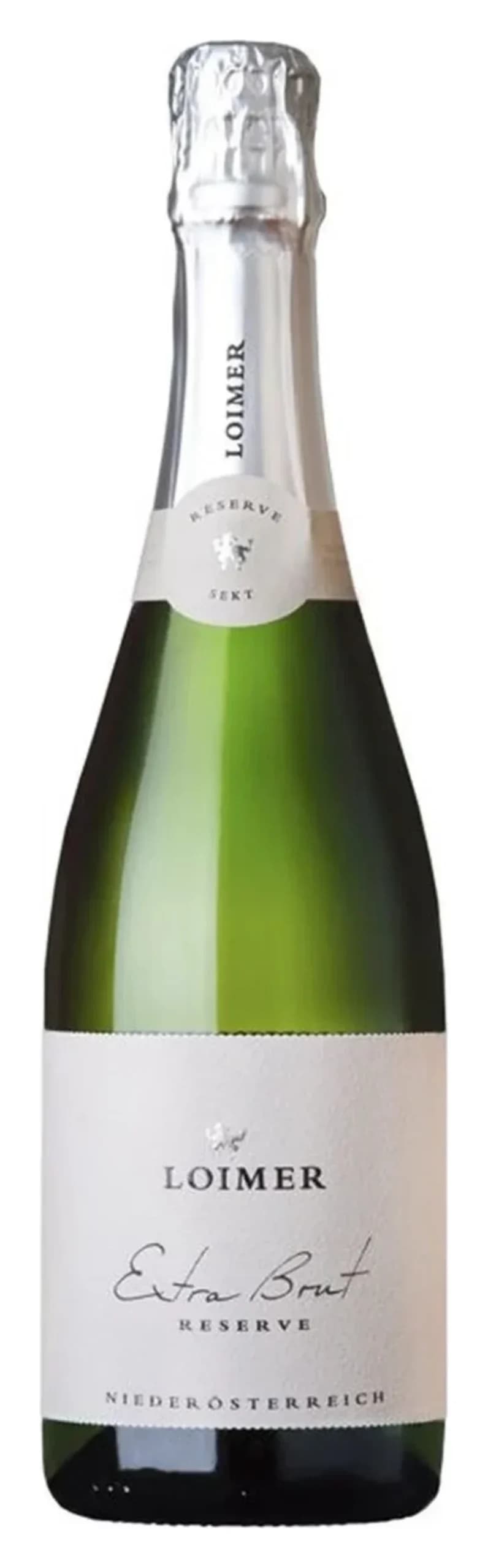
Weingut Loimer GmbH
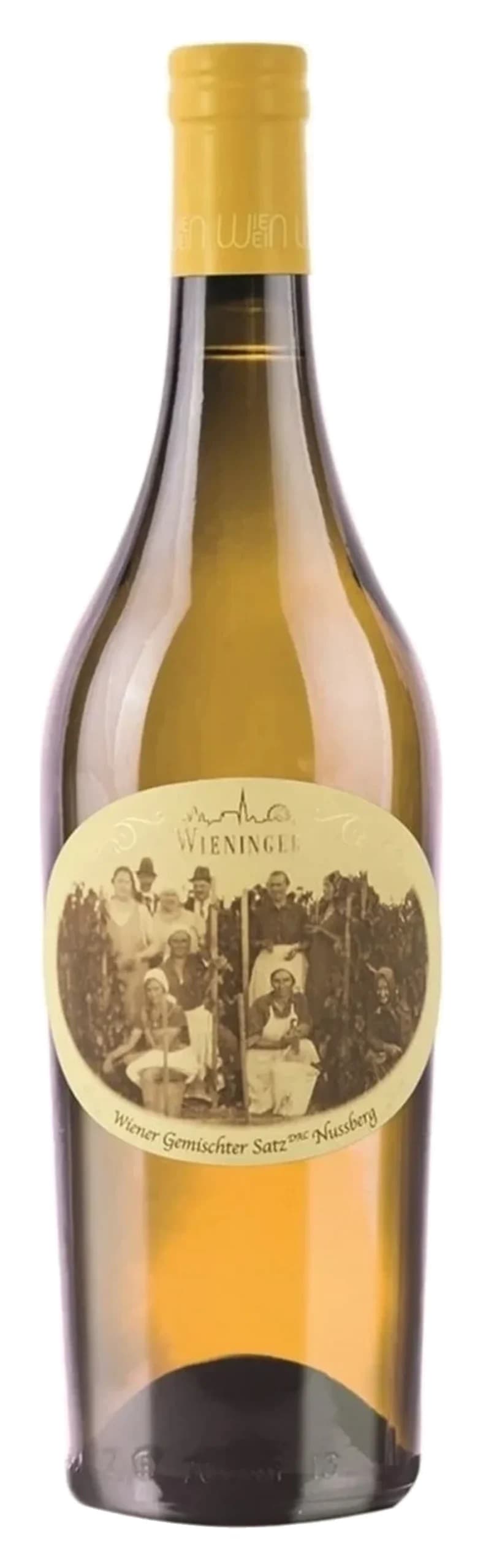
Weingut Wieninger
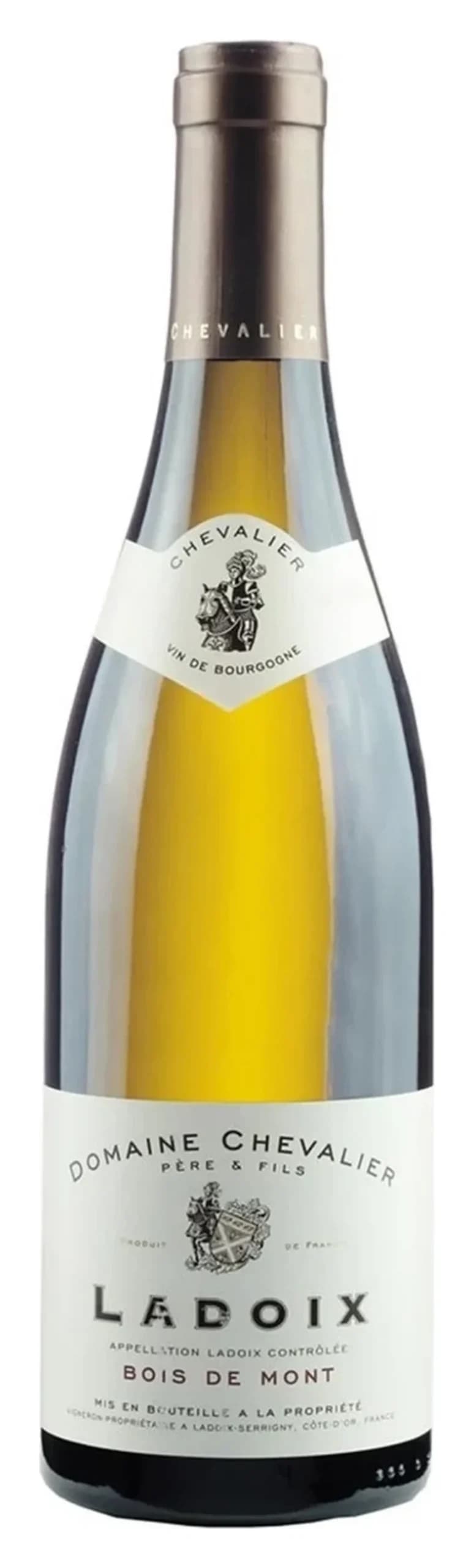
Domaine Chevalier
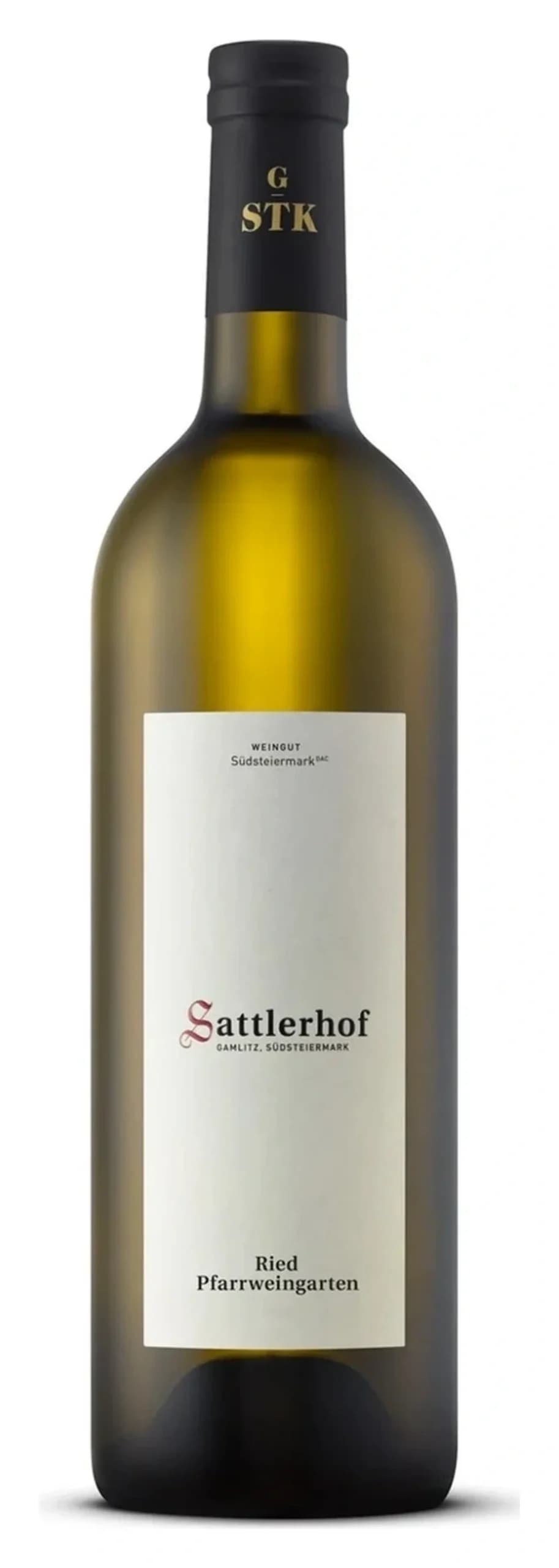
Weingut Sattlerhof
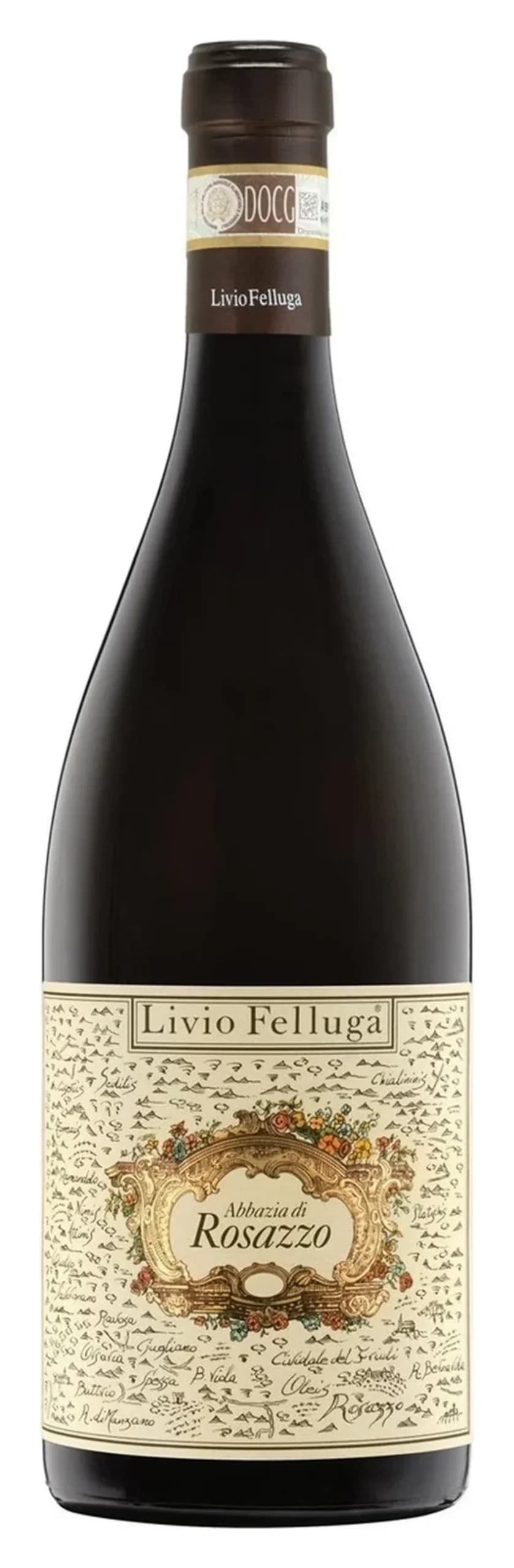
Livio Felluga
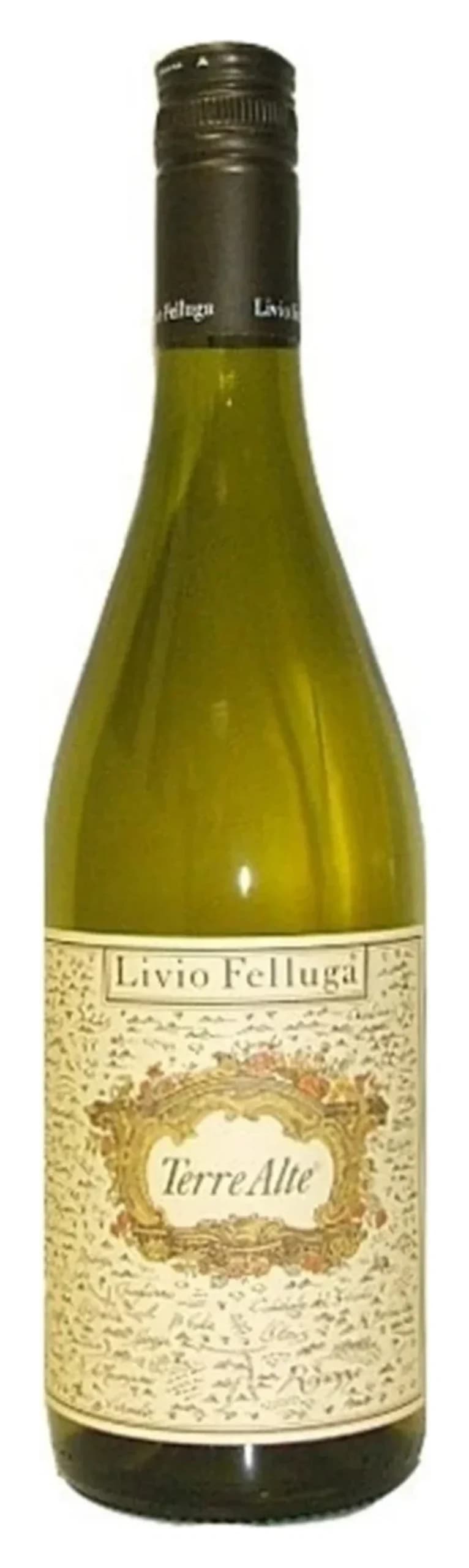
Livio Felluga
Pinot Blanc and its Italian synonym Pinot Bianco form a white mutation of Pinot Noir, originating in Burgundy in the late 19th century. This workmanlike yet underrated variety ripens reliably and adapts across climates, yielding wines from crisp, mineral expressions to fuller, oak-aged interpretations depending on site, harvest timing, and cellar practice.
The aromatic signature of this grape leans toward restraint compared to its Pinot Gris sibling. Expect gentle notes of green apple, pear, and citrus, with occasional mineral or almond undertones. Acidity runs moderately high to high, anchoring the wine's structure without aggression.
Body spans a revealing spectrum. In cooler regions—Alsace, Germany's Mosel, Alto Adige—early picking yields lean, crisp whites with zippy acidity and subtle fruit, built for food pairing rather than solo sipping. Warmer sites and riper harvests (as in Baden, the Pfalz, or Austria's Burgenland) produce medium to fuller styles with rounder texture and stone-fruit richness. Oak treatment amplifies this range further: unoaked versions remain fresh and delicate; barrel fermentation or maturation adds vanilla, spice, and creaminess, sometimes at the expense of varietal clarity. Some producers, especially in Austria, exploit botrytis for sweet Trockenbeerenauslese, where the grape achieves honeyed concentration and alcohol levels that reach 12–15%, yielding dessert wines of remarkable depth and cellaring potential.
This grape thrives across central Europe but remains most respected in German-speaking regions. In Alsace, it serves as the workhorse, often blended with Auxerrois and sold simply as "Pinot Blanc"; few pure versions achieve distinction. Germany has adopted it enthusiastically—with around 5,900 hectares under the name Weissburgunder or Weisser Burgunder, the grape covers enough ground to shape the country's white wine identity, particularly in Baden, the Pfalz, and Rheinhessen, where quality producers craft memorable dry and off-dry expressions.
Austria nurtures roughly 1,900 hectares, concentrated in Burgenland, Niederösterreich, and Styria, establishing it as a cornerstone of the country's white wine portfolio. Austrian Weissburgunder stands apart: dry versions display almond-like perfume and ageing potential; botrytized examples command premium prices.
In north-east Italy, Pinot Bianco once dominated but has ceded ground to Pinot Grigio and Chardonnay. Alto Adige remains its stronghold, producing some of Italy's finest examples, particularly from low-yield vineyards with oak treatment that concentrate flavor and texture. Friuli, Veneto, and Lombardy grow it widely for still and sparkling wines. Plantings also span Slovenia, Czech Republic, Slovakia, Hungary, and Croatia. In the New World, Okanagan Valley, British Columbia, shows genuine promise; California and Oregon produce modest volumes of variable interest.
Pinot Blanc expresses itself across a broad stylistic palette. Unoaked dry whites—the norm in Alsace and much of Italy—deliver brightness, food-friendliness, and accessibility at modest prices. German and Austrian dry examples range from mineral-driven (Mosel) to ripe and textured (warm-climate sites), often balancing power with freshness.
Oak-aged versions from Baden, the Pfalz, and Burgenland rival Chardonnay in richness and complexity, developing honeyed, buttery notes. Sparkling wines, especially Crémant d'Alsace, lean on Pinot Blanc for its bright acidity and apple-pear fruit, contributing backbone to elegant bruts. Sweet botrytized Trockenbeerenauslesen from Austria showcase the grape's capacity for concentration and longevity, rivalling Riesling-based counterparts in prestige if not fame. Quality spans from everyday to outstanding; price reflects ambition and site rather than varietal reputation alone.
Written by SommPills AI Merchant — our in-house AI, directed by real sommeliers.