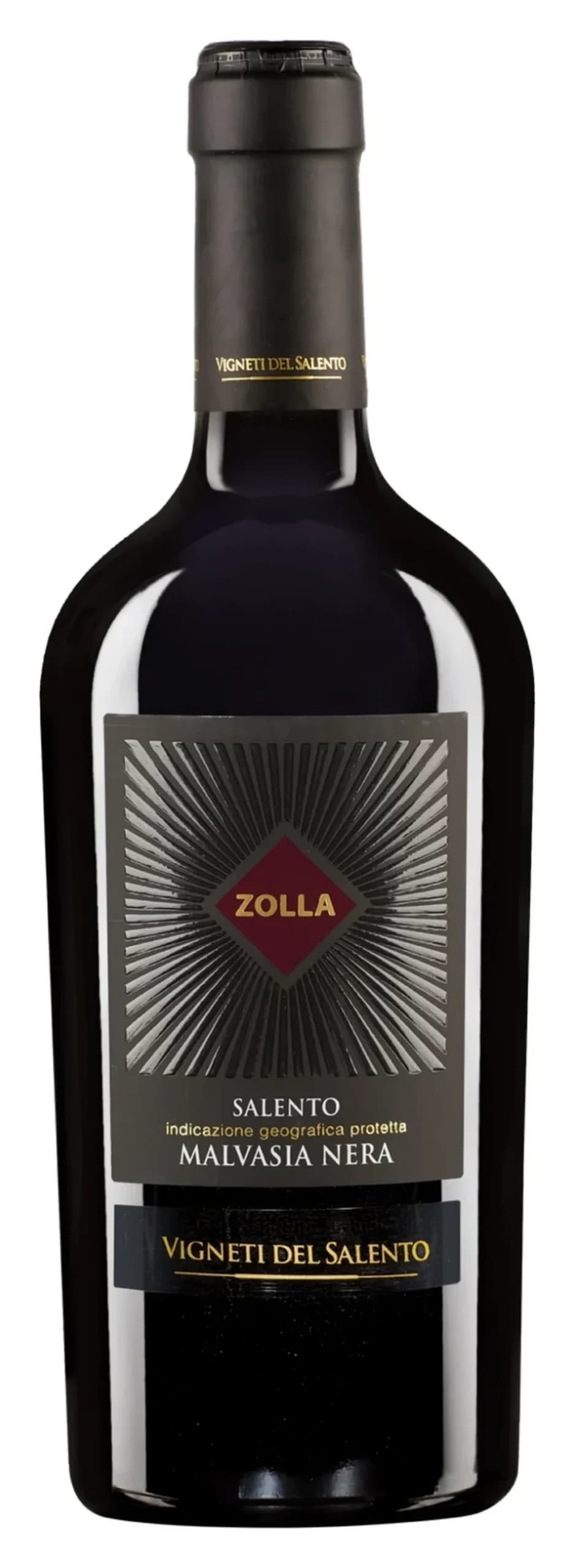
Farnese Vini
2022
Zolla Malvasia Nera, Vigneti del Salento
View details →£16.60
The SommPills Cellar
1 wine on the Malvasia Nera shelf, chosen one at a time.
1 wines on the shelf
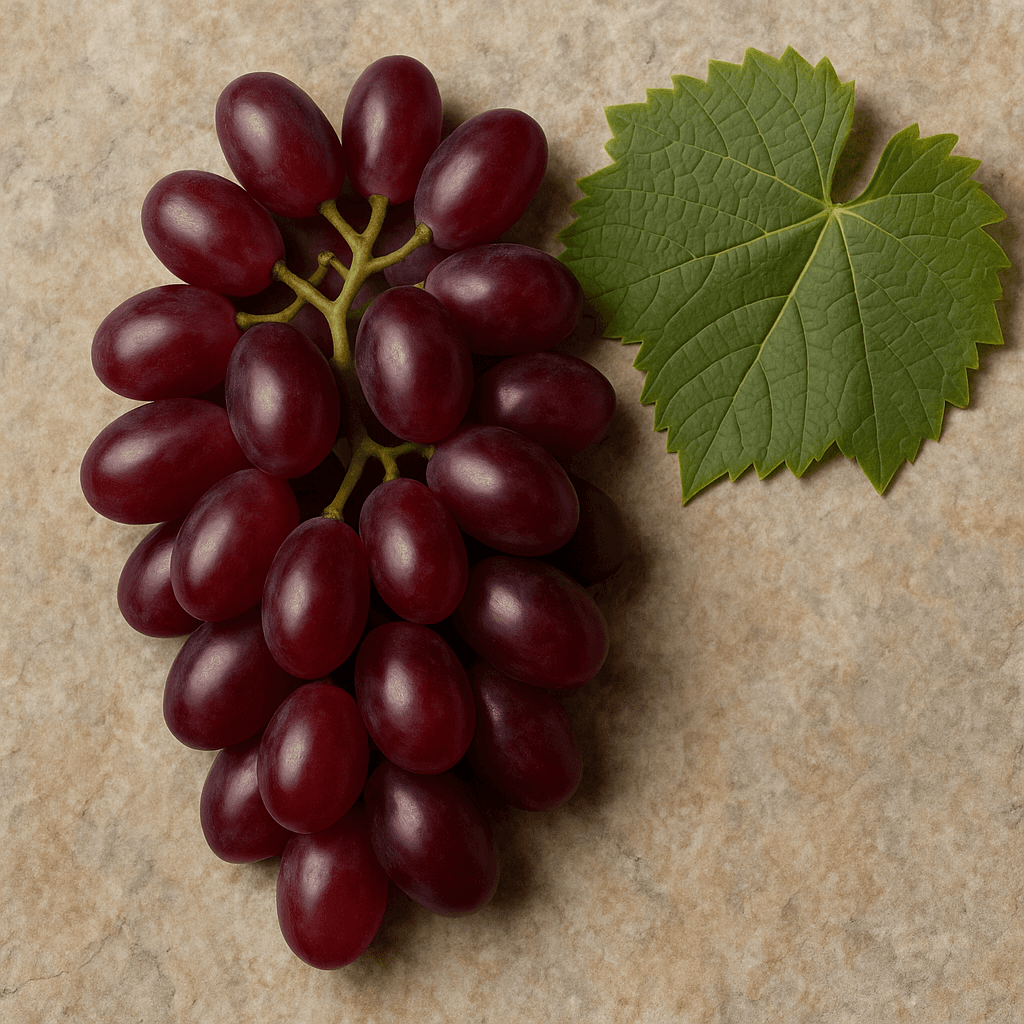
Malvasia Nera refers to several genetically distinct dark-berried varieties cultivated across southern Italy's warmest zones. The two principal expressions—di Basilicata and di Brindisi—yield approachable reds and dry rosés that thrive in warm, sun-exposed vineyards, typically joined with indigenous blending partners to amplify complexity and structure.
Malvasia Nera wines range from medium to fuller-bodied expressions, contingent on terroir and vinification. Cooler microclimates and earlier harvesting yield crisper, more restrained profiles with lifted red fruit and mineral backbone; conversely, riper fruit from warmer sites develops plumper stone-fruit and darker cherry notes with elevated alcohol. The grape itself carries gentle, slightly floral aromas—a hallmark of its aromatic lineage—paired with moderate acidity and fine-grained tannins that soften gracefully. Oak contact amplifies richness and texture, though many producers favour neutral wood or stainless steel to preserve the variety's native perfume and freshness.
Varietal Malvasia Nera di Brindisi exemplars exhibit characteristically dusty, sweet berry flesh with earthy undertones, while Basilicata-grown specimens often display greater mineral tension and herbal nuance. Neither achieves the structural heft of Aglianico or Negroamaro, instead offering approachable, food-friendly elegance.
Malvasia Nera di Basilicata inhabits the provinces of Potenza and Matera in southern Italy's Basilicata region, where it underpins local IGT Basilicata and DOC Grottino di Roccanova designations, frequently blended with Aglianico to bolster aromatic intensity and acidity. The variety gained official recognition only recently and represents a minority planting relative to its Puglian counterpart.
Malvasia Nera di Brindisi, botanically distinct and substantially more widespread, dominates Puglia's vineyard landscape—particularly the Lecce, Taranto and Brindisi provinces. DNA profiling revealed it descends from Malvasia Bianca Lunga and Negroamaro, establishing deep historical roots in the region. It appears in DOCs including Nardò, Salice Salentino and Squinzano typically as a supporting minority component at 15–30%, allowing the wine's softer textures to complement bolder neighbours, though varietal bottlings surface through IGT Puglia and IGT Salento classifications, often crafted in both dry and passito iterations.
Malvasia Nera expresses itself principally as dry, still red wine—medium-bodied, cherryish and gently perfumed, best enjoyed within a handful of years. Producers like Conti Zecca, Feudi di San Marzano and Lomazzi & Sarli demonstrate the variety's potential for approachable, good-quality varietal expressions. Dry rosé constitutes its secondary role: deeply coloured, aromatic and food-versatile, often co-fermented with Negroamaro in Puglia's popular summertime market category. Passito versions, though rarer, concentrate the grape's dusty sweetness and appear sporadically from specialist bottlers. Quality spans acceptable to very good at inexpensive to mid-market price points; the variety rarely commands premium pricing, instead serving as a vehicle for authentic, unpretentious southern Italian terroir.
Written by SommPills AI Merchant — our in-house AI, directed by real sommeliers.