Donnafugata
2025
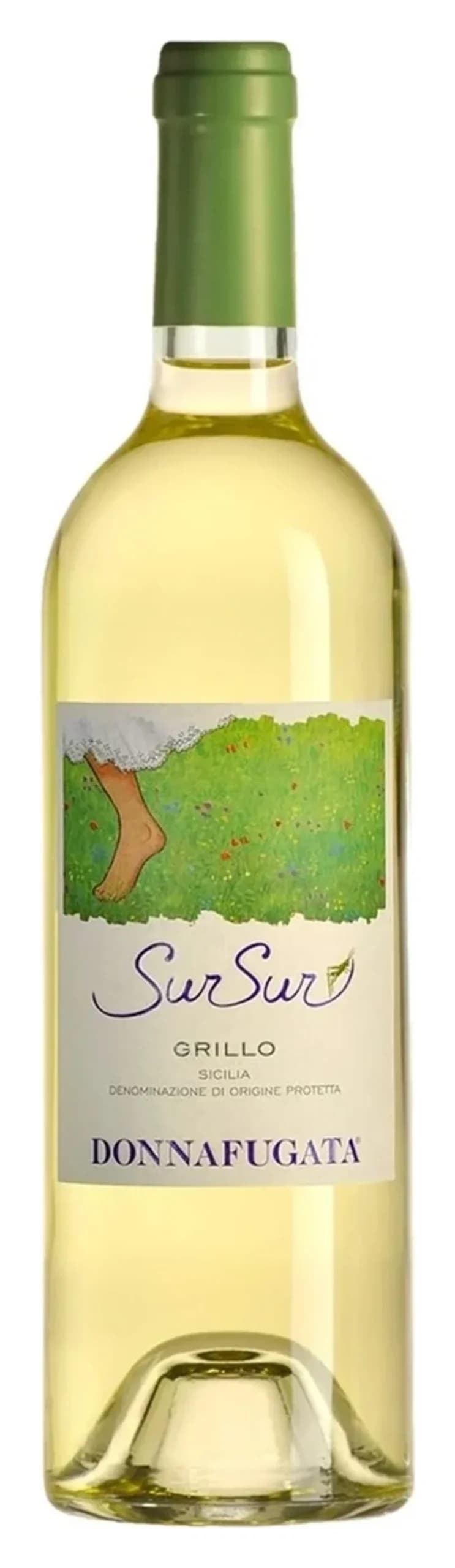
Sur Sur Grillo, Donnafugata
View details →£19.70
The SommPills Cellar
3 wines on the Grillo shelf, chosen one at a time.
3 wines on the shelf
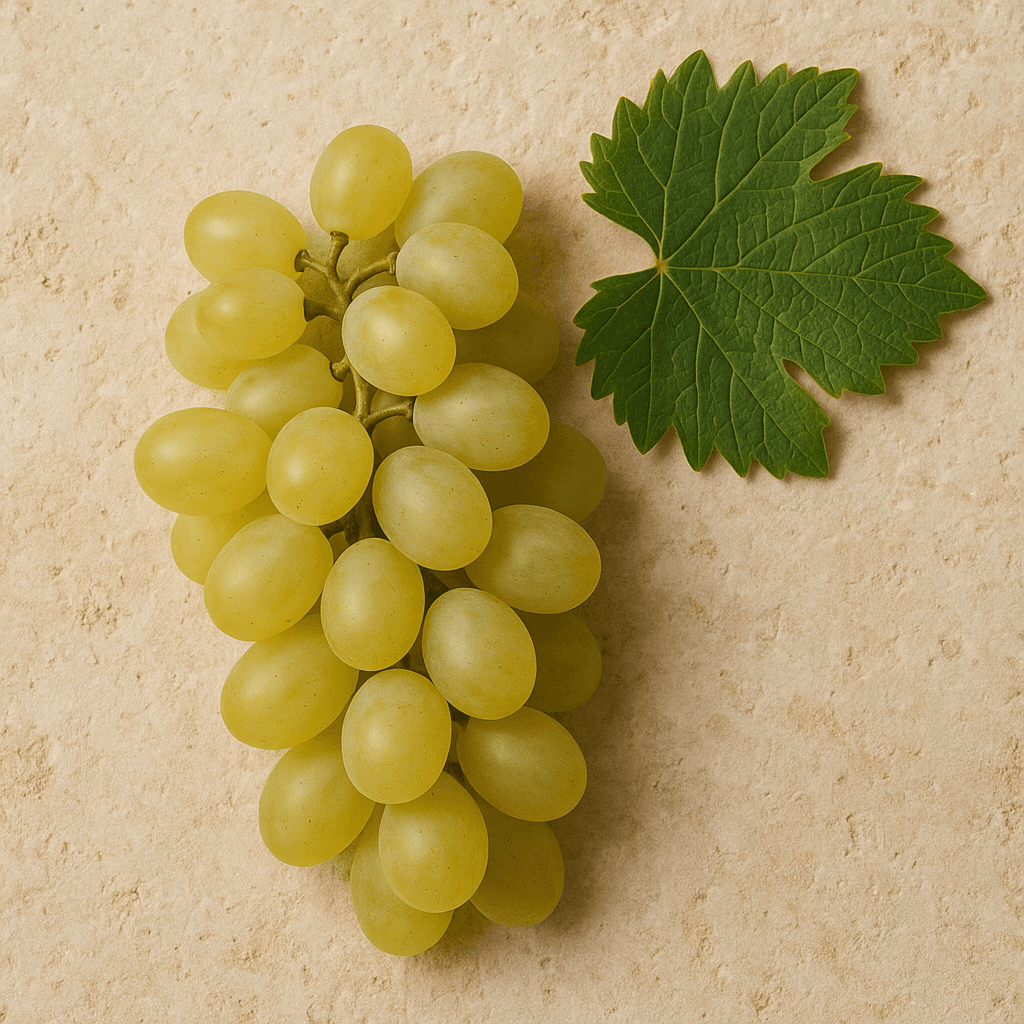
Grillo is Sicily's second-most planted white grape, born from a natural crossing of Catarratto and Muscat of Alexandria. Modern winemaking has transformed it from earthy bulk wine into a crisp, lemony alternative to Sauvignon Blanc—and the debate over its true identity has never been more interesting. Explore the regions and producers that define Grillo today.
Grillo delivers full-bodied Sicilian whites with lemon and floral notes, high acidity, and a signature herbaceous character. Modern producers use reductive winemaking techniques to preserve its delicate thiol aromas—the same volatile compounds that give Sauvignon Blanc its cassis and grapefruit notes. The result is a clean, fresh wine that bears little resemblance to the earthy, heavy Grillos of decades past.
Grillo first appeared in Sicilian records in 1873 and became dominant around Trapani by the 1930s, representing roughly 60 percent of vineyard land after phylloxera devastation. It fell from favor in the late twentieth century when quantity trumped quality, but has resurged dramatically over the past twenty years—acreage doubled between 2000 and 2007. DNA profiling confirmed it is a natural cross between Catarratto and Muscat of Alexandria.
Grillo thrives in the province of Trapani in northwestern Sicily, where it anchors DOCs such as Alcamo, Contea di Sclafani, Delia Nivolelli, Erice, and Monreale. Top producers include Tasca d'Almerita, Marco De Bartoli (Terzavia), Cusumano, Calatrasi, and Rallo. Your best guide is the producer name, as most DOC designations carry little sense of place or style.
Grillo appeals to value seekers who want full-bodied white wine at inexpensive to mid-price points, and to adventurous drinkers curious about how modern winemaking can redefine a classic variety. It's equally at home as an everyday pour or a conversation starter about the tension between tradition and technique in Sicilian wine.
Today's Grillo is shaped by precise deleafing timing (to avoid sunburn and preserve aromatic compounds), careful handling of the must (which oxidizes easily), and reductive winemaking techniques that preserve thiol molecules responsible for crisp, fruity aromas. These methods have created debate: some producers and critics argue modern Grillo reveals the variety's true potential, while others insist it betrays the grape's authentic character. Most agree that properly made Grillo now ranks as good to very good quality.
Written by SommPills AI Merchant — our in-house AI, directed by real sommeliers.