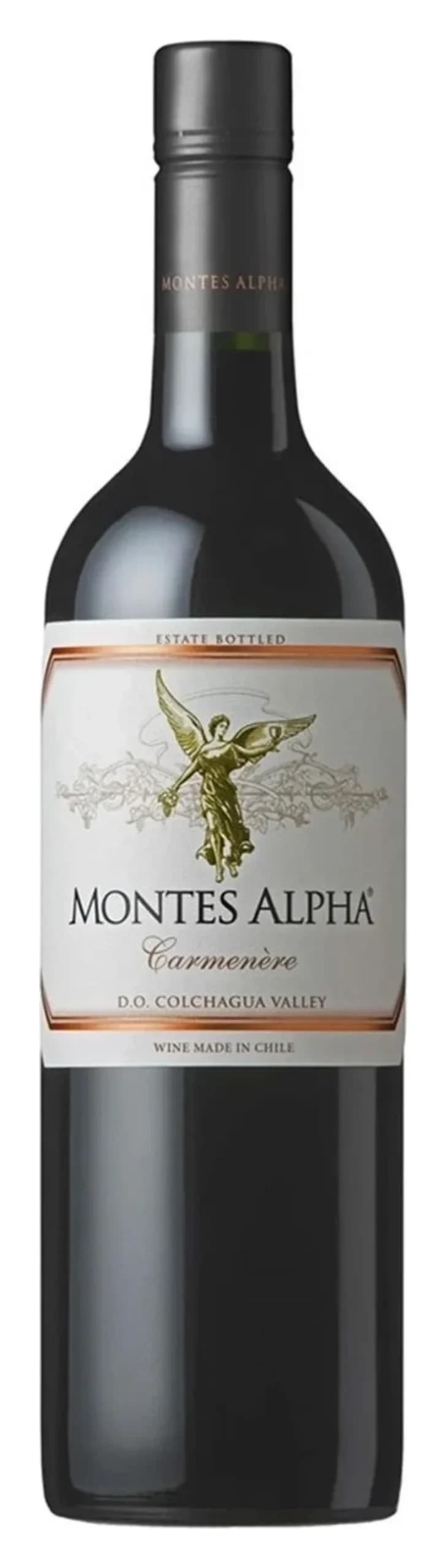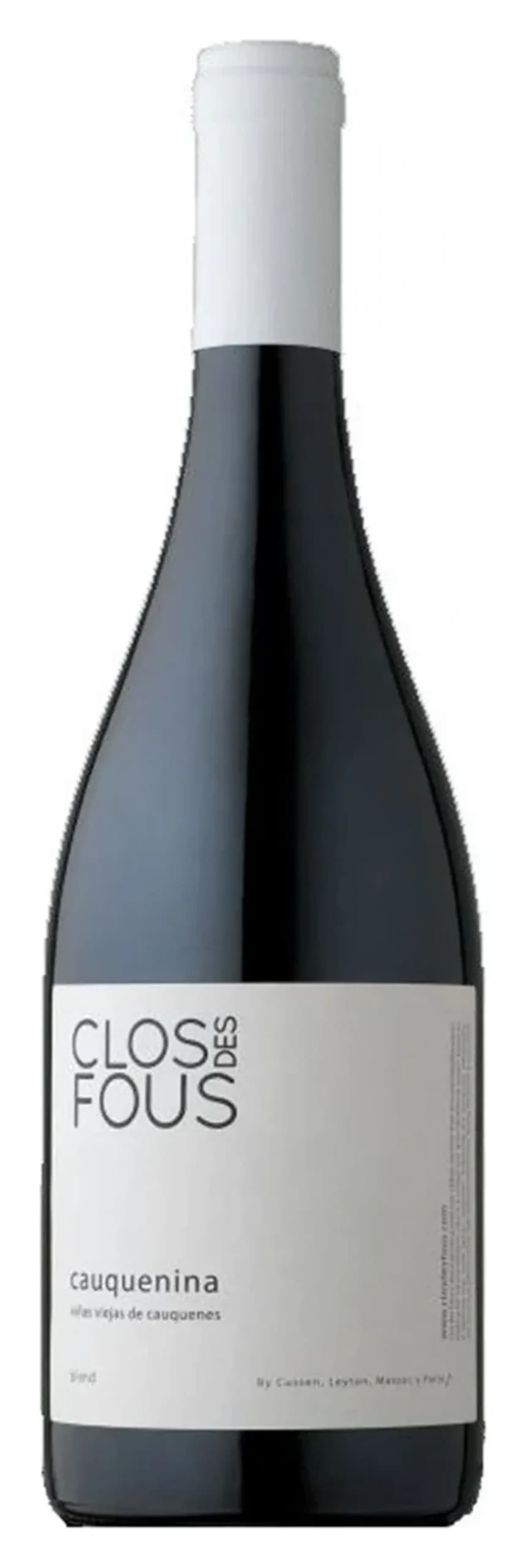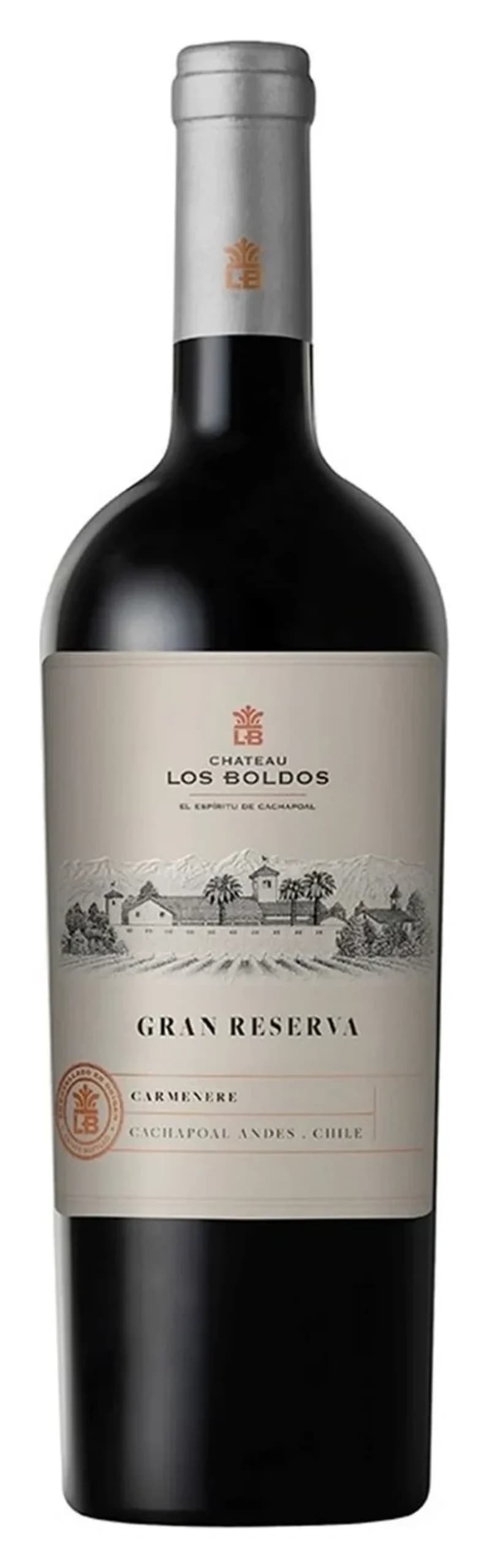
Chateau Los Boldos
2023
Gran Reserva Cachapoal Carménère, Château Los Boldos Gran Reserva
View details →£16.40
The SommPills Cellar
3 wines on the Carmenère shelf, chosen one at a time.
3 wines on the shelf
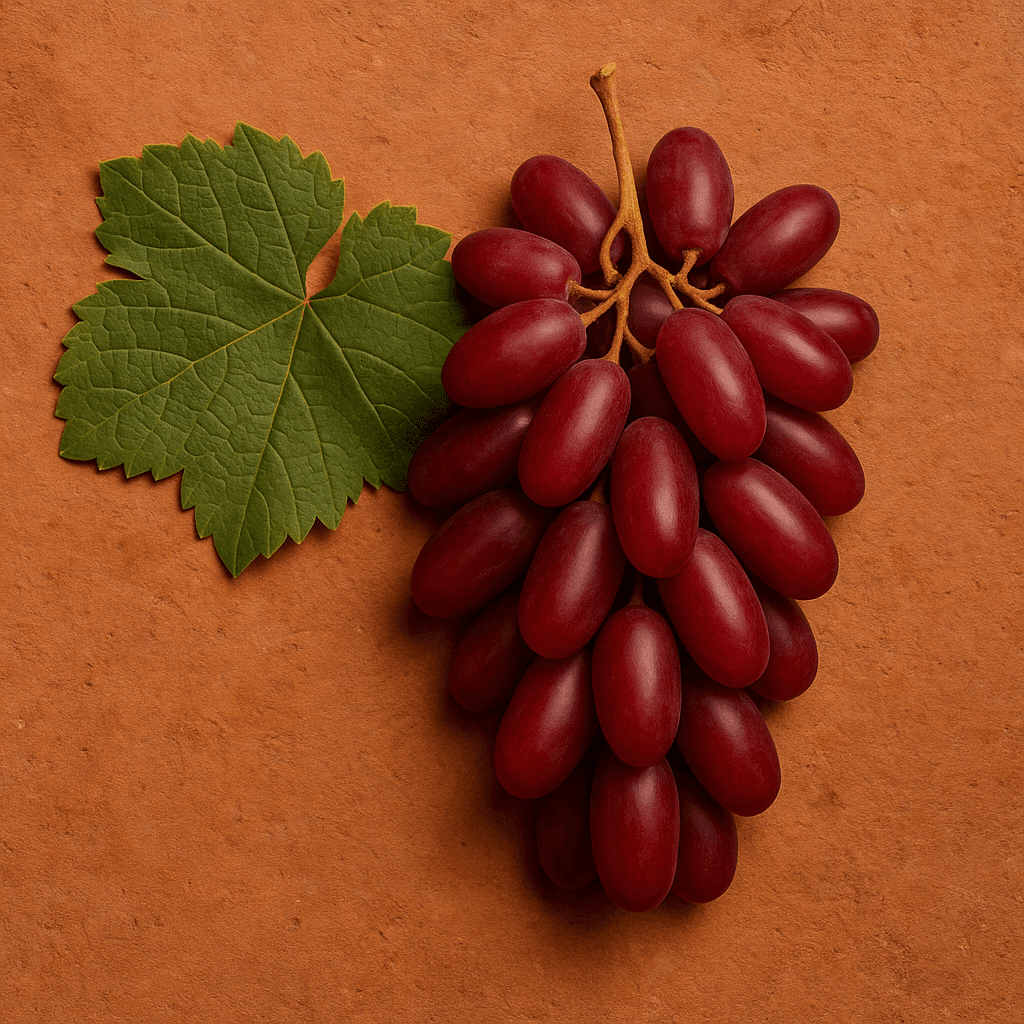
Carmenère is a dark-skinned grape variety with deep roots in Bordeaux history, though it nearly disappeared after phylloxera. Rediscovered in Chilean vineyards in the 1990s, it now thrives as a signature variety in South America, producing concentrated, age-worthy red wines with distinctive character.
Carmenère's aromatic profile shifts dramatically with ripeness. Under-ripe fruit yields herbaceous and capsicum notes; optimal ripeness brings red berry, black pepper and tomato aromas. Fully mature berries reveal ripe blackberry and blueberry with chocolate and coffee undertones. The variety tends to lose acidity at peak ripeness but retains impressive structure.
Body and tannin intensity range widely across climates and sites. Cool-climate, early-picked carmenère displays higher acidity and fresher fruit. Warm regions and later harvests yield fuller-bodied wines with softer, riper tannins—the style that made Chilean examples famous. Oak maturation adds richness and complexity, while unoaked versions emphasise fruit purity. The grape inherently combines texture reminiscent of Merlot with the structured grip characteristic of Cabernet Sauvignon.
Chile represents carmenère's modern powerhouse, with plantings surging from zero official recognition in 1996 to over 10,800 hectares by 2020—a transformation following correct varietal identification in 1994. The warm, dry climate suits the variety's late ripening better than its ancestral Bordeaux homeland, where it was largely abandoned post-phylloxera due to poor fruit set and unreliable yields. Today, fewer than 25 hectares remain in France, with token plantings at Château Clerc Milon in Pauillac.
Italian plantings re-emerged from misidentification: vines long catalogued as Cabernet Franc in the northeast proved to be carmenère, rising from 45 to 1,000+ hectares between 2000 and 2010. Producers such as Ca'del Bosco in Lombardy and Inama craft respected varietal expressions. China grows carmenère under the name Cabernet Gernischt, while limited plantings exist in California, Washington State, Australia and Canada—regions where ripening conditions align with carmenère's needs.
Chilean carmenère dominates the quality and quantity spectrum. Inexpensive, fruit-forward examples deliver ripe black cherry and plum with herbaceous edges—reliable, approachable drinking. Mid-priced and premium wines show fuller body, high tannin concentration and nuanced black fruit with spice, coffee or roasted notes, especially when oak-aged. The finest examples from warm, sunny sites like Colchagua and Apalta display remarkable intensity and ageing potential, commanding premium and super-premium prices.
Site selection proves critical: carmenère ripens 4–5 weeks after Merlot and demands warm, sunny exposure to avoid excessive herbaceousness and harsh tannins. Conversely, over-ripeness can push alcohol excessively high. Contemporary winemakers increasingly explore clonal selection, precise harvest timing, measured oak use and gentle extraction to evolve carmenère's stylistic range, moving beyond early, fruit-dominant expressions toward more refined, age-worthy wines.
Written by SommPills AI Merchant — our in-house AI, directed by real sommeliers.