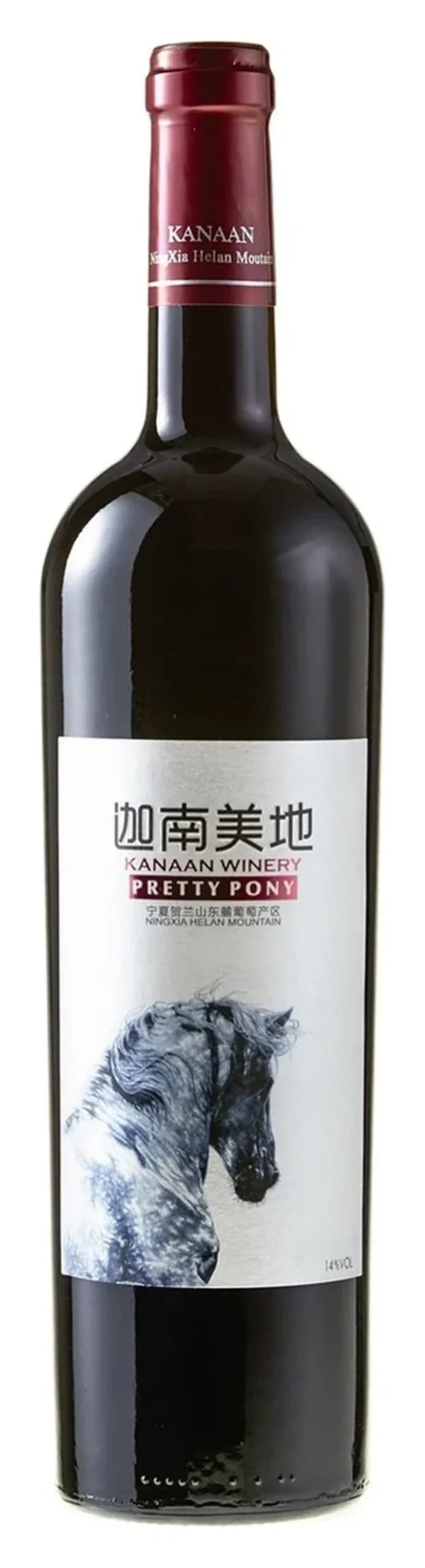
Kanaan Winery
2023
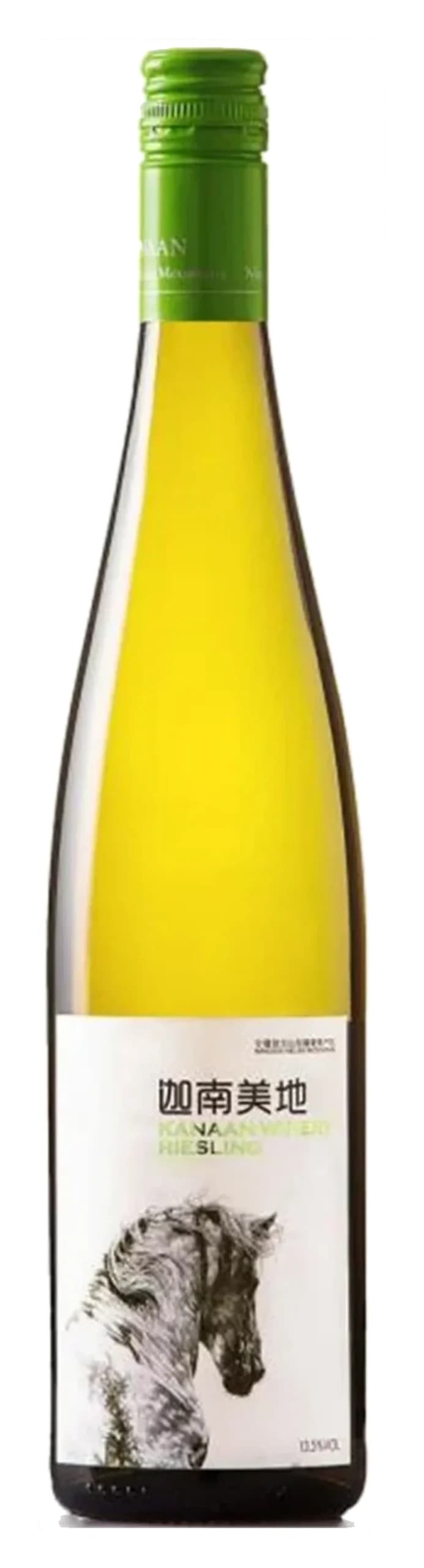
Ningxia Riesling, Kanaan Winery
View details →£26.40
The SommPills Cellar
2 wines on the China shelf, chosen one at a time.
2 wines on the shelf
China wine is one of the most surprising stories in the modern wine world. A country with ancient viticultural roots — fermented grape beverages date back to the seventh millennium BCE — now holds the world's third largest vineyard area, behind only Spain and France. The regions worth knowing stretch from the desert oasis of Xinjiang in the far north-west to the high-altitude Himalayan foothills of Yunnan in the south.
China's modern wine industry is modelled on Bordeaux, with Cabernet Sauvignon-led reds dominating production and premium wines aged in French oak barriques. The quality potential of the best producers was confirmed when benchmark Ningxia Cabernet Sauvignon reserves won recognition at the Decanter World Wine Awards 2011.
Cabernet Sauvignon is the dominant variety at around 60,000 hectares, with Merlot, Carmenère, and Cabernet Franc the next most planted black varieties. Marselan is gaining ground fast thanks to its disease resistance and phenolic richness, Malbec is showing real promise in Xinjiang, and Petit Manseng is emerging as a white variety of note in Shandong.
Ningxia — particularly the Helan Mountain subregion of Donglu, irrigated by the Yellow River — has seen the most dramatic quality investment and is the region to watch. Xinjiang in the far north-west produces disease-free fruit in near-desert conditions, while Yunnan's steep valleys at elevations of 1,600 to 2,900 metres offer a long frost-free growing season unique in China.
Adventurous drinkers who want to get ahead of the conversation will find Ningxia reds and Xinjiang Malbec genuinely rewarding. Gift buyers after something unexpected and prestigious will appreciate bottles from estates backed by LVMH or DBR Lafite. For the value seeker, Shandong offers approachable, well-made reds at competitive prices.
The vast majority of commercially produced China wine is made from international varieties — Cabernet Sauvignon alone accounts for the largest single planting of any wine grape in the country. However, China has its own cold-resistant hybrids such as Beichun, Beihong, and Beimei, bred in Beijing by crossing Muscat of Hamburg with the native Vitis amurensis species, and varieties like Saperavi and Rkatsiteli brought in by Soviet-era consultants are still found in Xinjiang today.
Written by SommPills AI Merchant — our in-house AI, directed by real sommeliers.