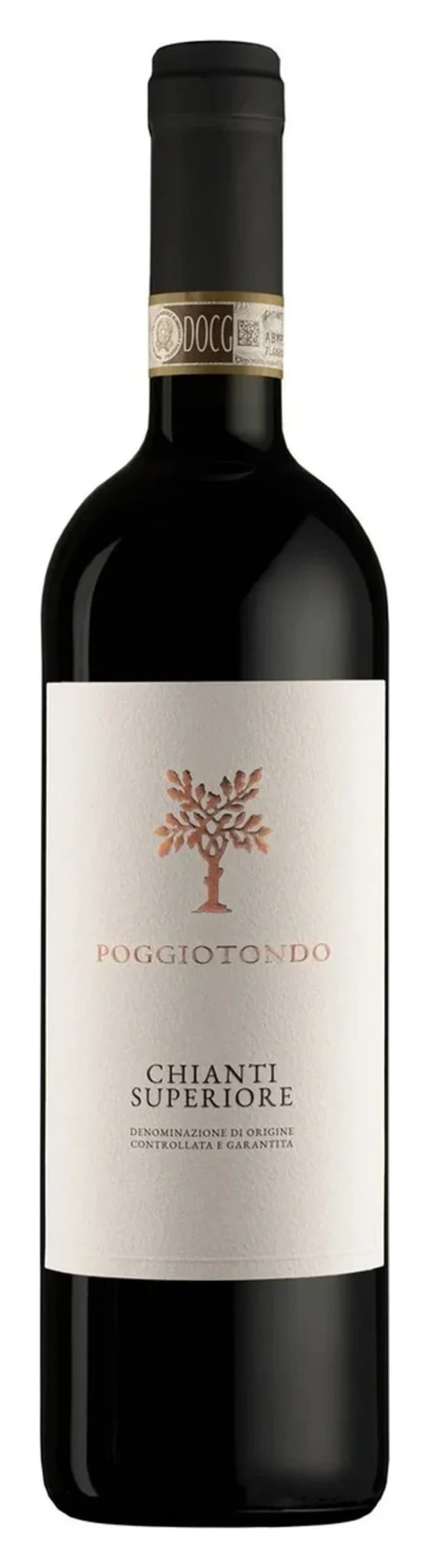
Poggiotondo Wines
2024
Organic Chianti Superiore, Poggiotondo
View details →£18.45
The SommPills Cellar
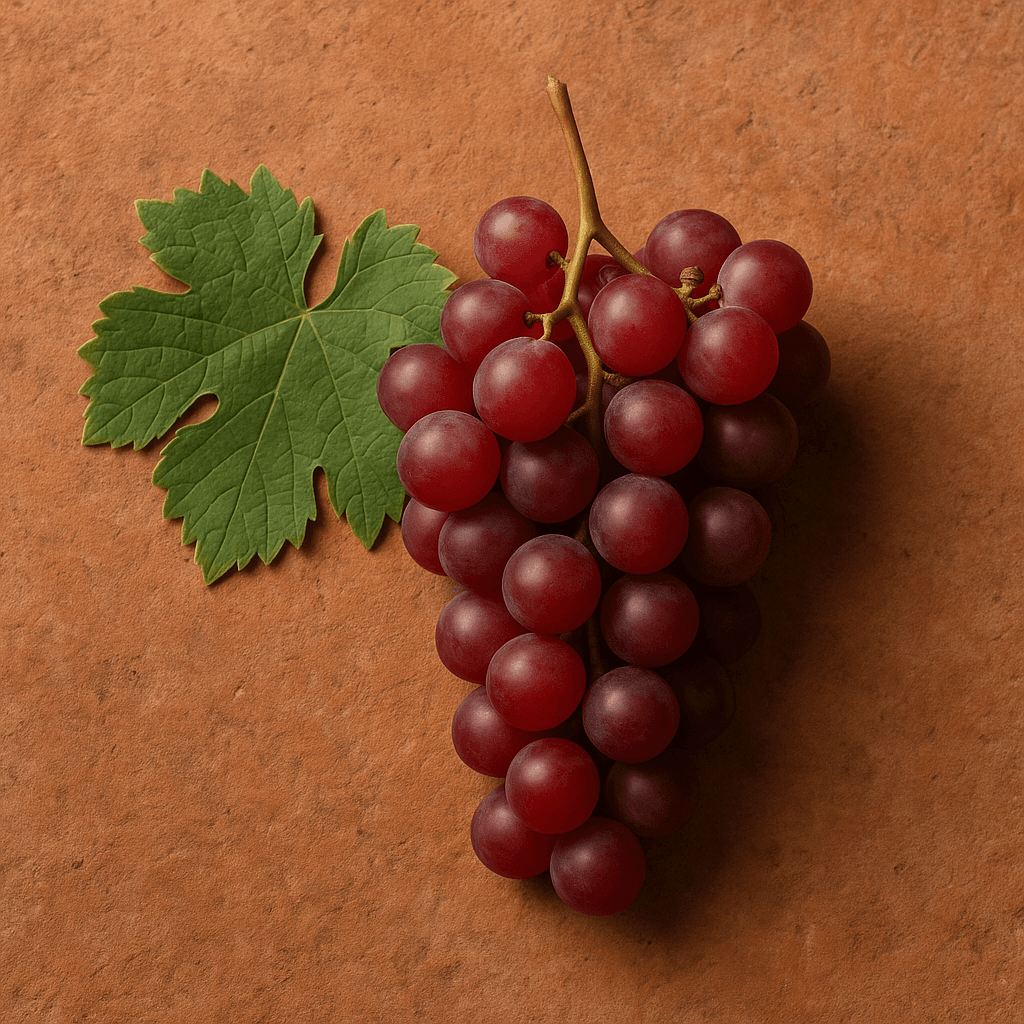
8 wines on the Canaiolo shelf, chosen one at a time.
8 wines on the shelf
Poggiotondo Wines
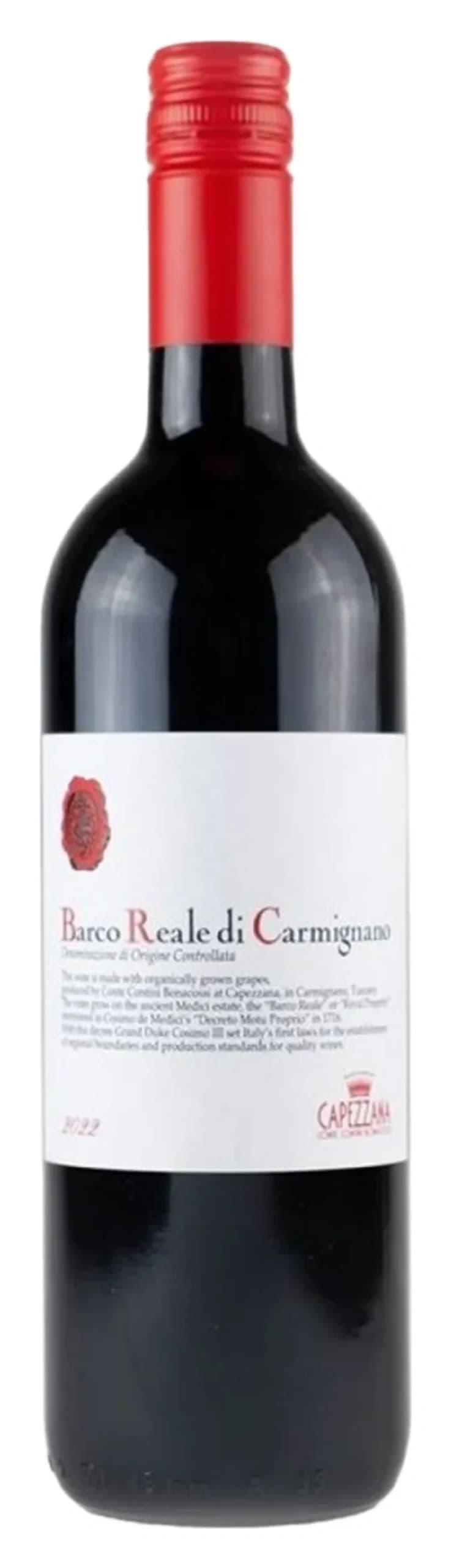
Tenuta di Capezzana
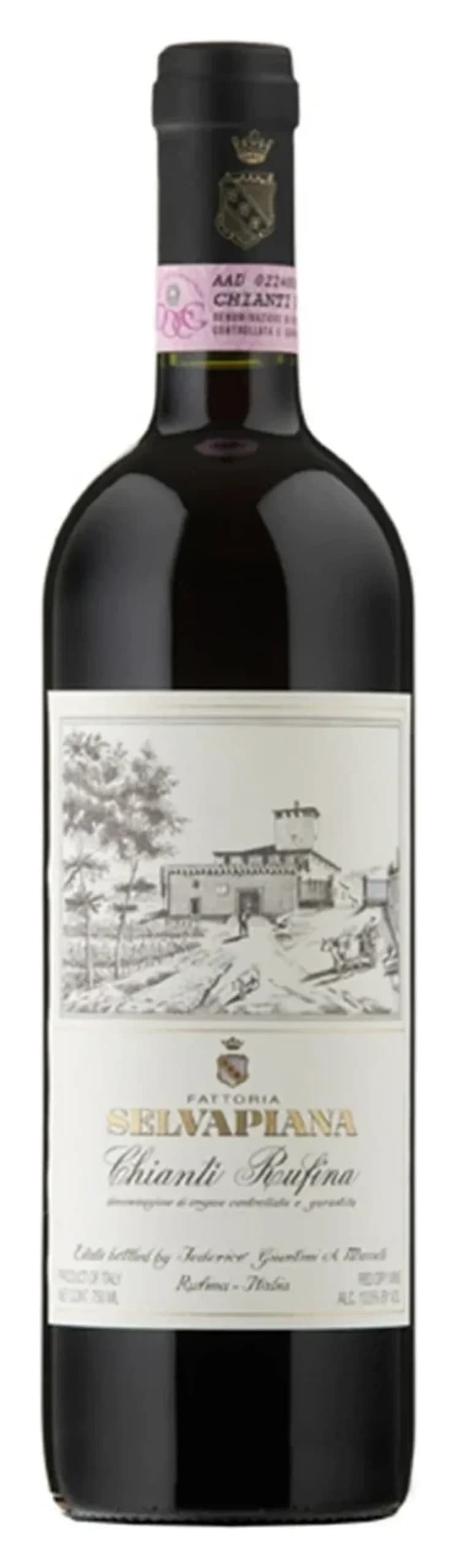
Fattoria Selvapiana
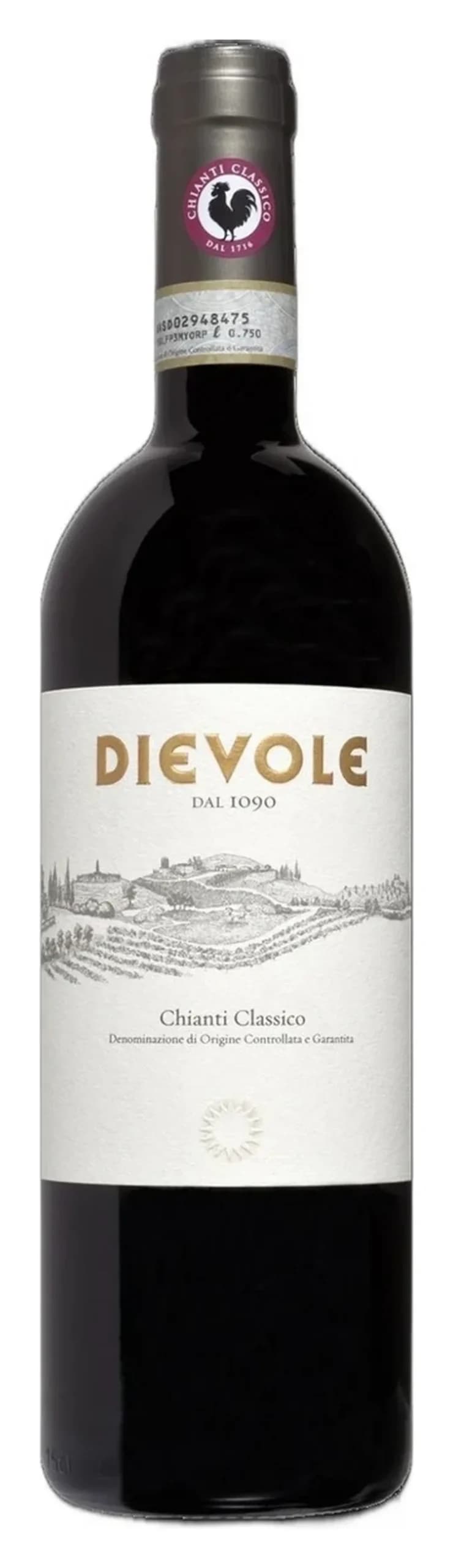
Dievole
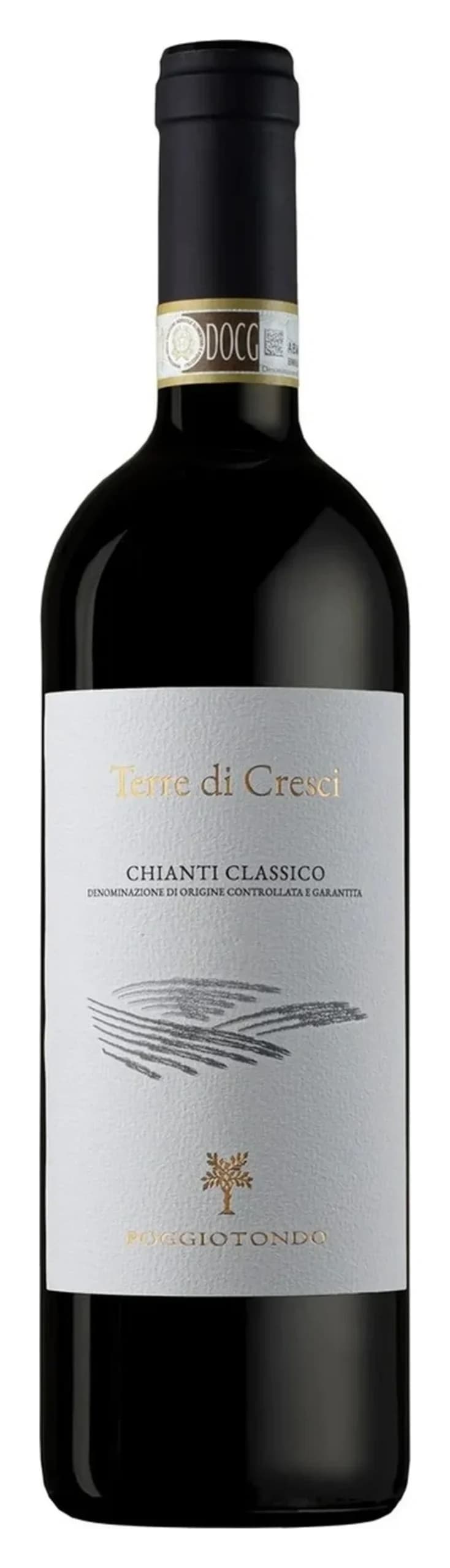
Poggiotondo Wines
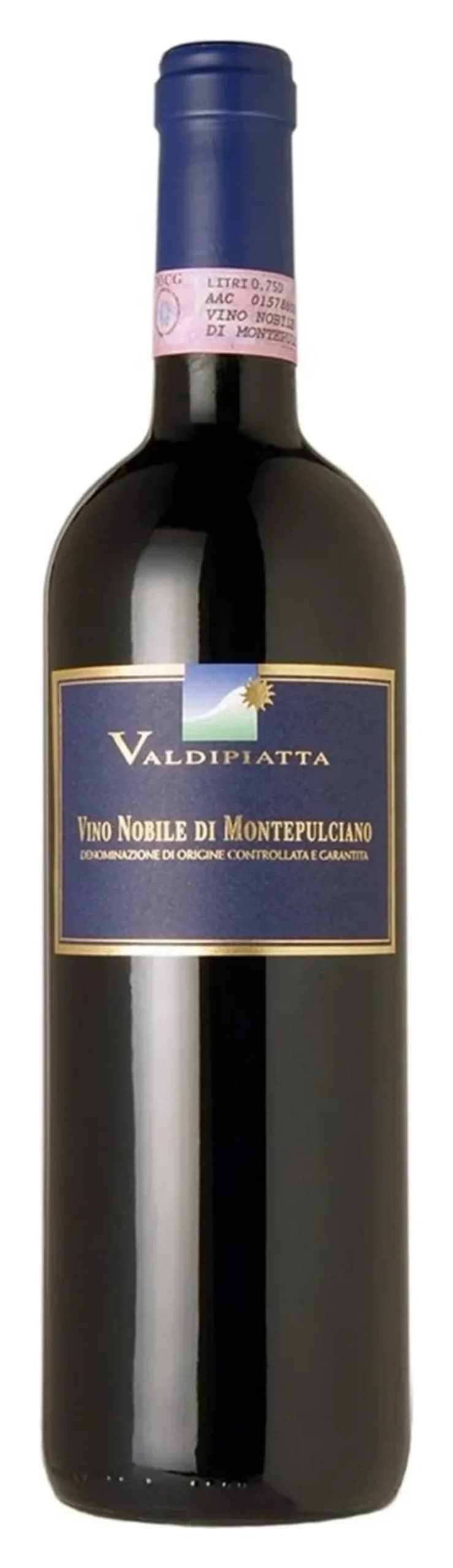
Tenuta Valdipiatta
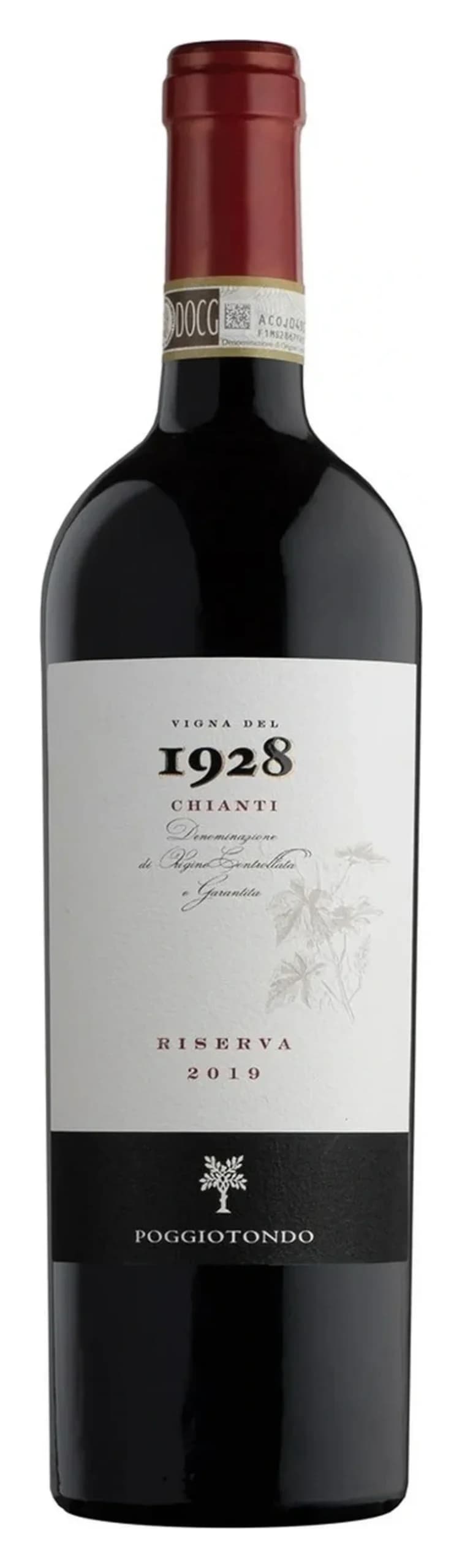
Poggiotondo Wines
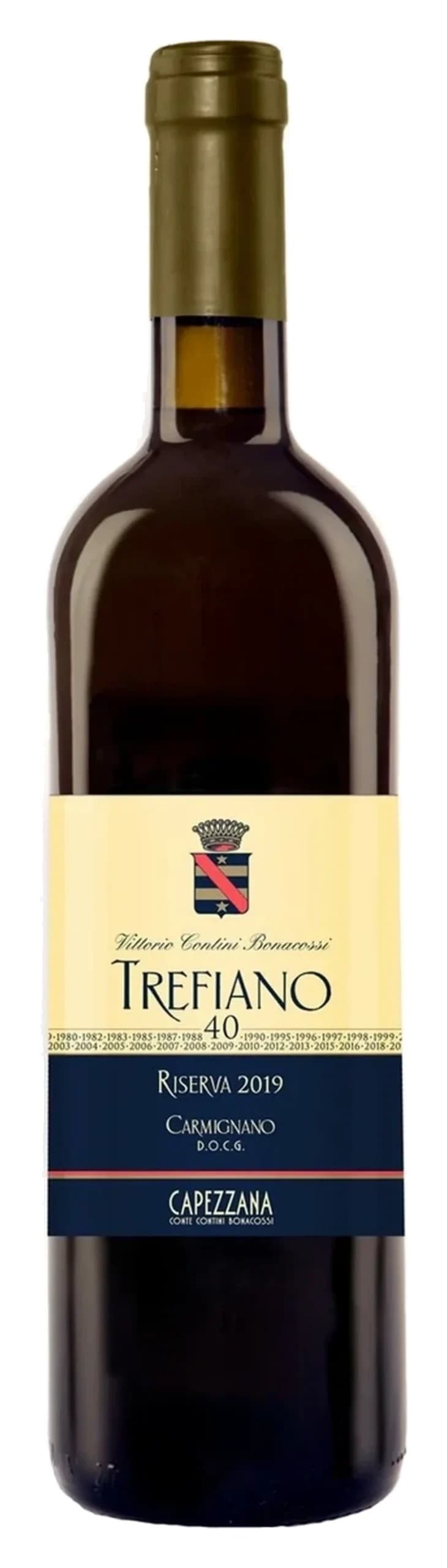
Tenuta di Capezzana
Canaiolo Nero ranks among central Italy's most characterful red varieties, prized historically as a complement to Sangiovese in Chianti and increasingly celebrated as a standalone wine. This black-berried cultivar brings textural richness and floral complexity to the Italian red wine landscape.
Canaiolo expresses aromas of red berries and delicate floral notes, with a palate defined by soft tannin structure and a medium to full body. The variety's natural acidity remains moderate, making it an ideal counterpart to Sangiovese's firmer grip. When grown in warmer Tuscan sites and riper fruit is selected, the wine gains weight and depth; cooler microclimates yield leaner, more elegant expressions.
The defining characteristic of quality Canaiolo is its velvety texture—a silky mouthfeel that derives from the grape's low phenolic intensity. This suppleness rounds Sangiovese's rigid tannins in blends, whilst oak ageing can add complexity without overwhelming the wine's inherent gentleness. Varietal examples showcase how terroir and winemaking choice shape the outcome: unoaked versions retain primary fruit freshness, whilst barrel-aged releases develop savoury depth.
Canaiolo thrives across central Italy, with strongholds in Tuscany, Umbria and the Marche. Historically, it dominated Chianti before the 18th century; today it remains a permitted blending component in Chianti and Chianti Classico DOCG, where up to 20% of the blend may consist of approved local varieties including this one. Quality examples emerge from Chianti Classico estates such as Castello di Brolio and Isole e Olena, and from Vino Nobile di Montepulciano producers.
Small plantings survive in Lazio, Liguria and Sardegna, though acreage has contracted markedly since phylloxera ravaged vineyards in the 19th century. The grape's difficulty in grafting and historical preference for governo winemaking (a traditional drying technique) accelerated its decline, yet recent producer enthusiasm—notably from Bibi Graetz, Le Poggette and Castelvecchio—has catalysed a modest renaissance.
Canaiolo appears primarily as a dry red wine in three main expressions. Blended Chianti and Montepulciano bottlings allow the variety to enhance Sangiovese's structure through its soft fruit and texture. Increasingly, 100% Canaiolo varietal wines showcase the grape's own identity—examples range from unoaked, fruit-forward releases to oak-aged reserves with savoury, earthy undertones and modest tannin grip. Rarer still are experimental versions from Cinque Terre and other marginal sites.
The quality spectrum spans from acceptable everyday blends to very good, age-worthy varietal wines. Entry-level examples offer immediate pleasure; serious producers' bottlings—such as those from established Chianti estates—develop complexity over 5–10 years in bottle, revealing dried cherry, leather and mineral nuances.
Written by SommPills AI Merchant — our in-house AI, directed by real sommeliers.