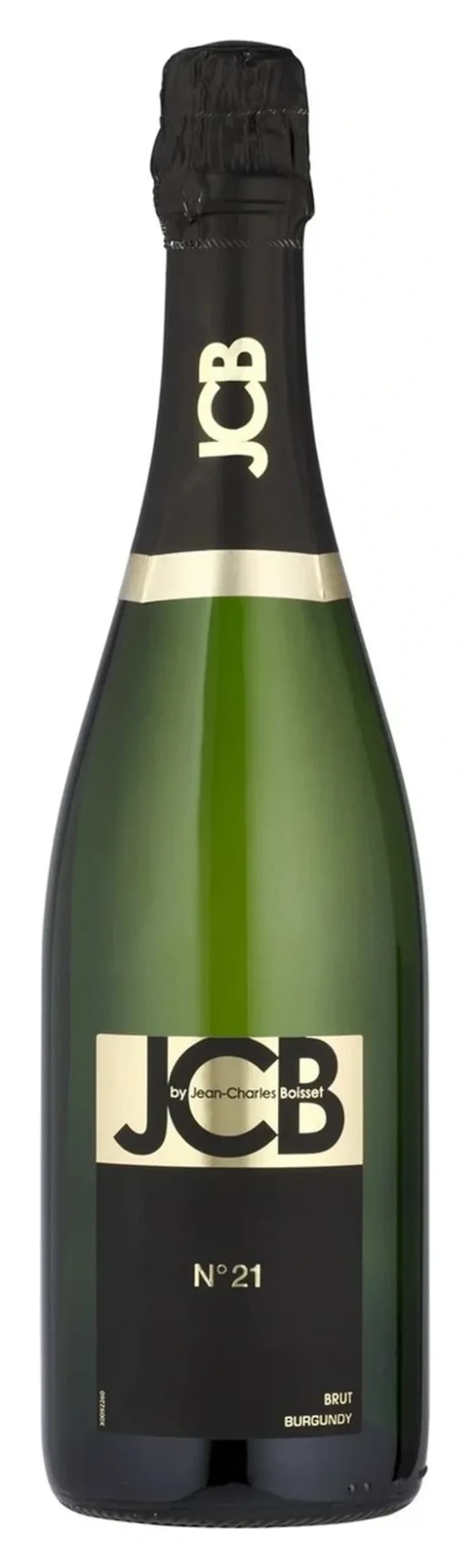
JCB by Jean Charles Boisset
NV
JCB No. 21 Crémant de Bourgogne Brut, JCB by Jean-Charles Boisset
View details →£20.10
The SommPills Cellar
6 wines on the Aligoté shelf, chosen one at a time.
6 wines on the shelf
JCB by Jean Charles Boisset
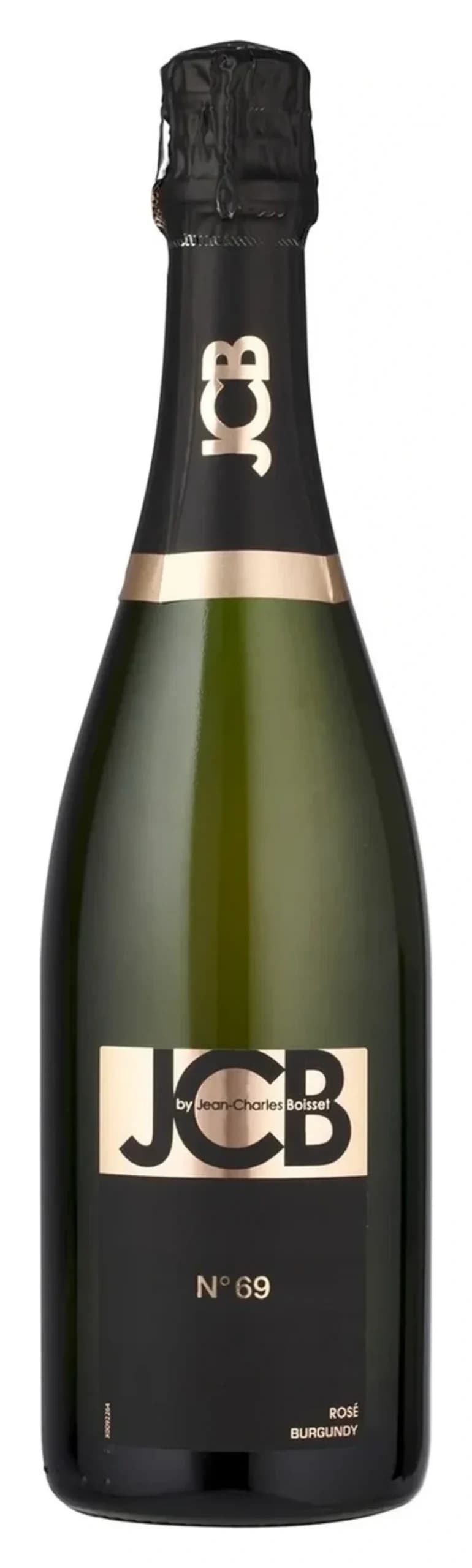
JCB by Jean Charles Boisset
JCB by Jean Charles Boisset
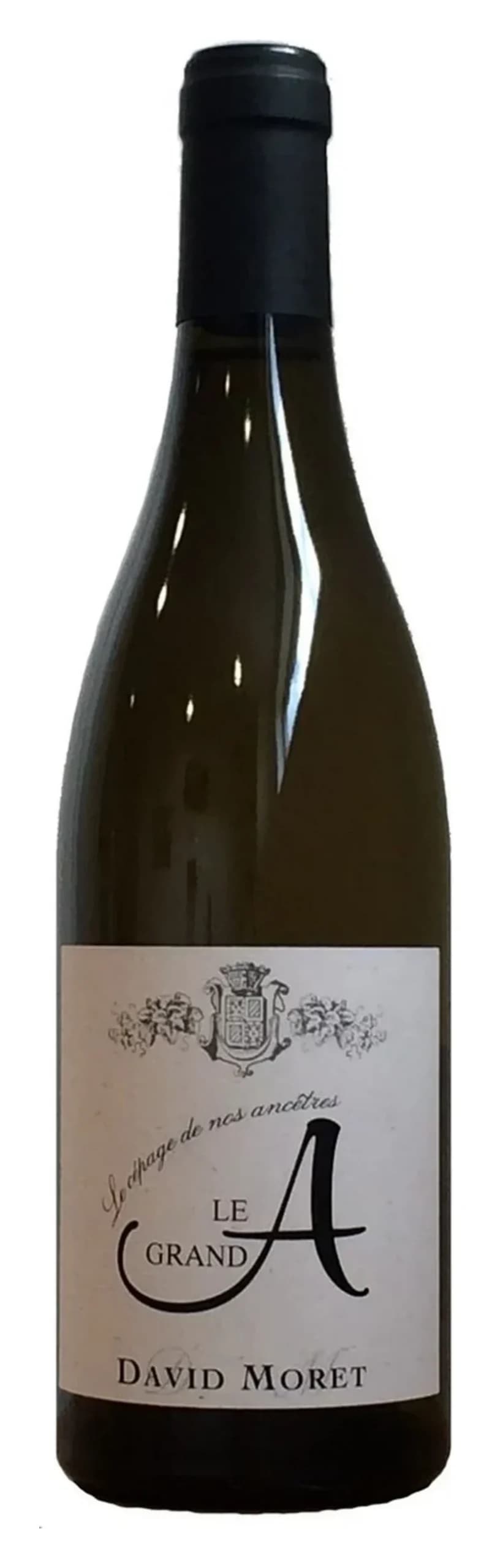
David Moret-Nomine
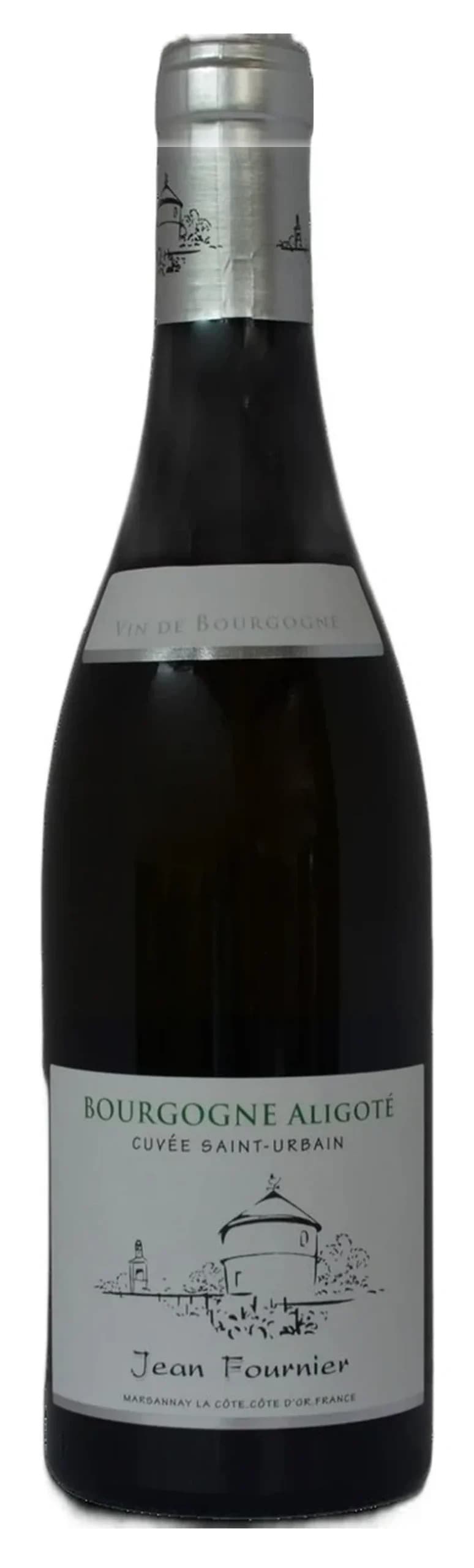
Domaine Jean Fournier
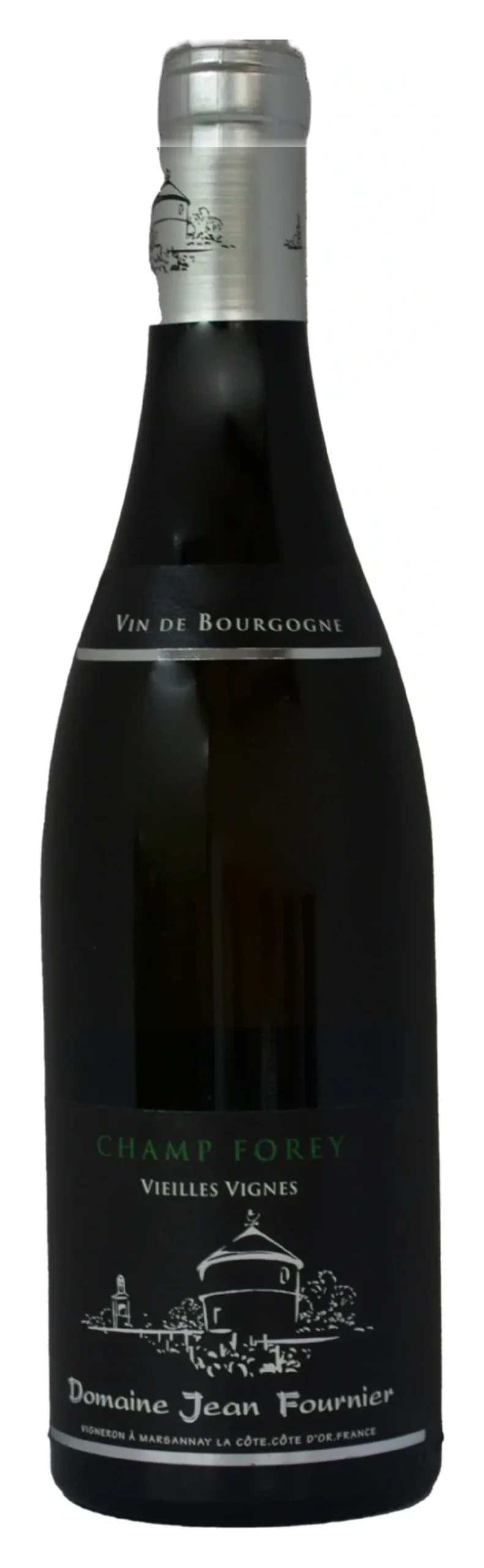
Domaine Jean Fournier
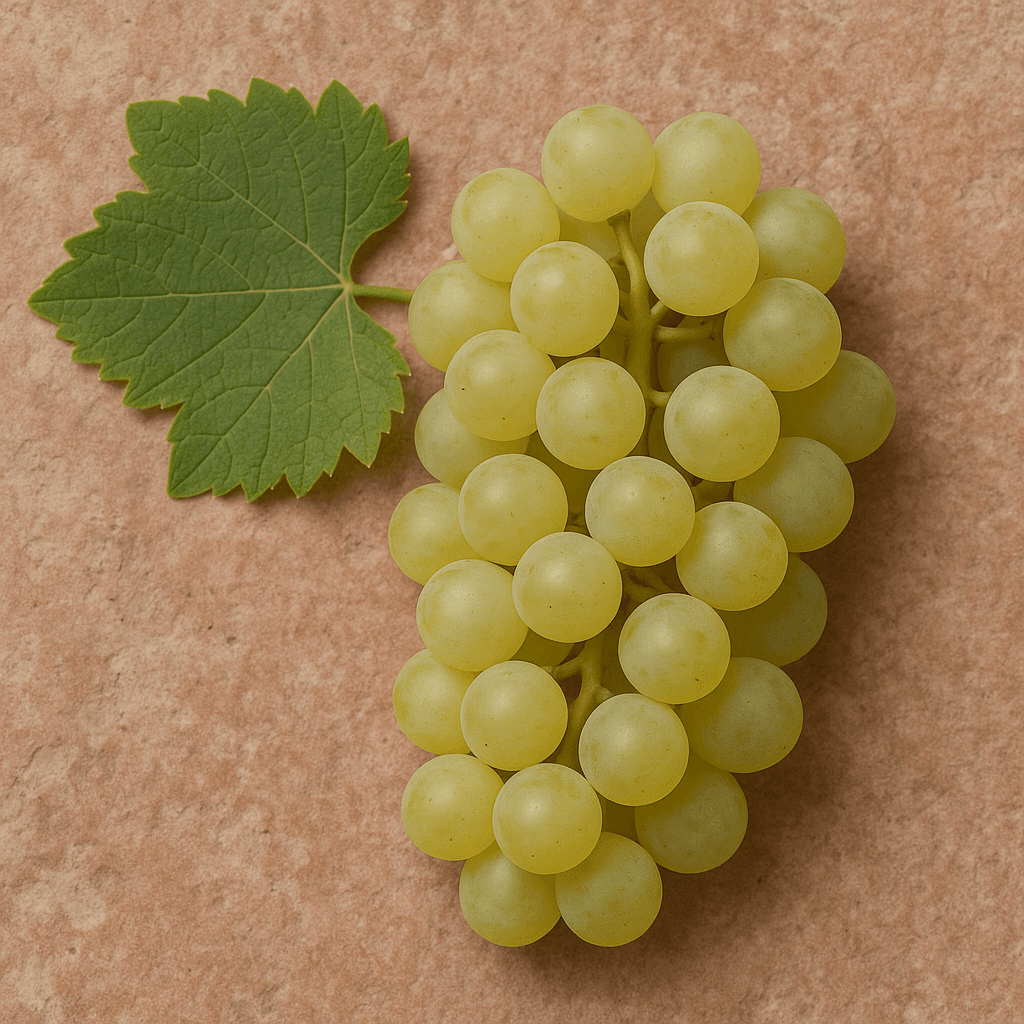
Aligoté is a white grape originating in eastern France, descended from natural crosses of Pinot and Gouais Blanc. Once dismissed as Burgundy's 'other' white variety, it now commands serious attention from quality-focused producers who demonstrate its capacity for complexity and cellaring potential.
Aligoté expresses a dynamic spectrum shaped by climate, site exposure, and ripeness at harvest. In cooler vineyards and when picked earlier, wines display bright citrus (lemon, grapefruit), green apple and mineral notes, with pronounced acidity that cuts through food. The palate remains lean and crisp, ideal as an aperitif. Body ranges from light to medium-light, with alcohol typically 11–12.5%.
Warmer seasons and riper fruit yields fuller expressions with richer stone-fruit character (peach, apricot) and softer acidity, though the varietal signature—a taut, nervy structure—persists. Unoaked examples remain the norm, preserving freshness; rare oak-aged bottlings add textural depth. Tannins are negligible. The variety's natural vigour and variable yields mean character shifts significantly between vineyard sites and vintages.
Aligoté anchors Burgundy's identity as Chardonnay's counterpart, with roughly 1,600–2,000 hectares across the region. In the Côte d'Or, it occupies marginal sites—hilltops and lower slopes—where cooler conditions prevent full ripeness in Chardonnay. The Côte Chalonnaise village of Bouzeron stands apart, earning its own appellation for structured, mineral wines from restricted yields (45 hl/ha vs. the standard 60). Chablis and scattered parcels in the Hautes-Côtes also produce notable examples.
Eastern Europe dominates global plantings: Moldova, Romania, Ukraine and Bulgaria cultivate thousands of hectares each. Russian regions including Krasnodar and Rostov show success with the variety's acidity, producing confident dry whites. Small plantings exist in Switzerland, California, Washington, Ontario and South Australia, though primarily for Burgundy enthusiasts.
Bourgogne Aligoté—the regional appellation—traditionally delivered tart, everyday whites, often mixed with crème de cassis to make the apéritif kir. This foundation remains valid: bright, food-friendly drinking wines at modest cost.
Aligoté Bouzeron represents the apex: single-vineyard bottlings with mineral tension, pear and citrus depth, and a 10+ year horizon. Ambitious producers across Burgundy now craft ageworthy selections, challenging old stereotypes. These command mid-range pricing, offering excellent value against equivalent Chardonnays.
Warmer vintages unlock riper, rounder profiles without sacrificing acidity—a climate-change bonus that has elevated the variety's reputation markedly since 2000. Eastern European examples rarely show excessive tartness, instead delivering balanced, approachable whites for immediate consumption. Sparkling Crémant de Bourgogne blends occasionally feature Aligoté, though it remains marginal in that category. Quality spans good to outstanding; pricing from budget-friendly to premium for top Bouzeron cuvées.
Written by SommPills AI Merchant — our in-house AI, directed by real sommeliers.