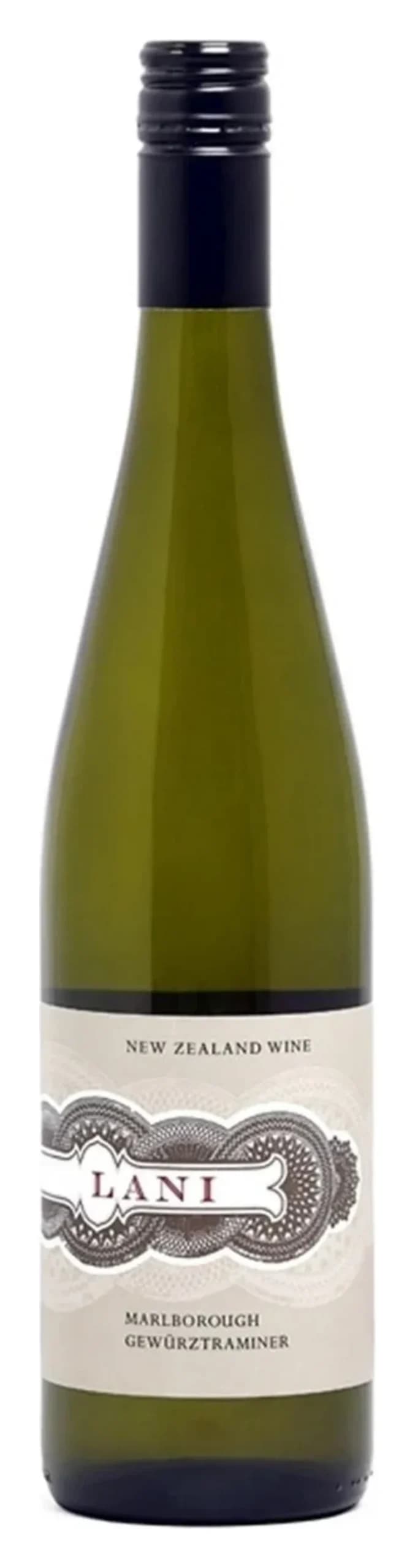
Lani Wines
2022
Marlborough Gewürztraminer, Lani
View details →£18.20
The SommPills Cellar
8 wines on the Gewürztraminer shelf, chosen one at a time.
8 wines on the shelf
Lani Wines
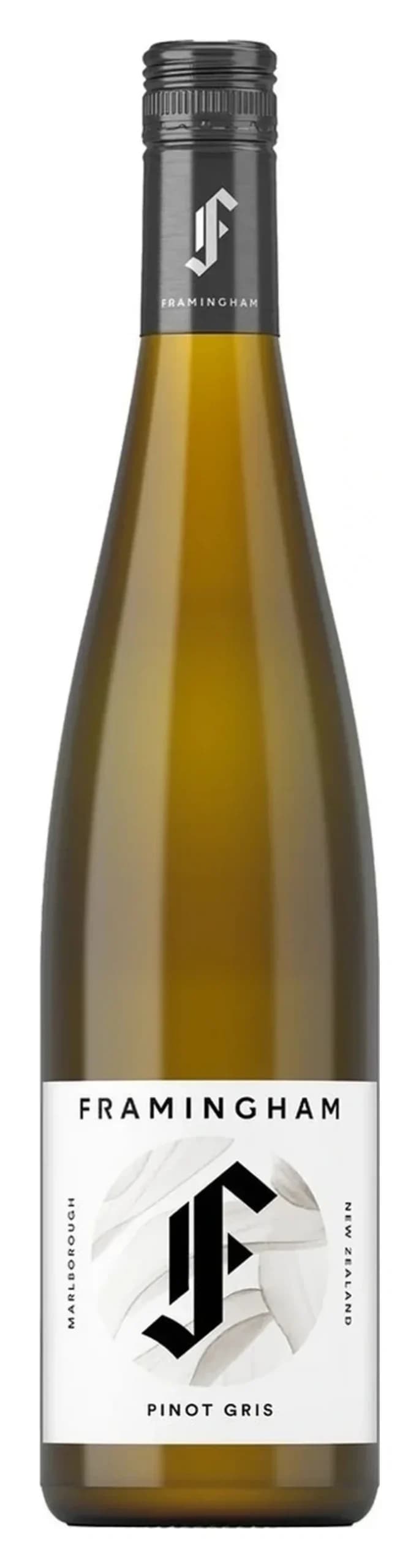
Framingham Wines
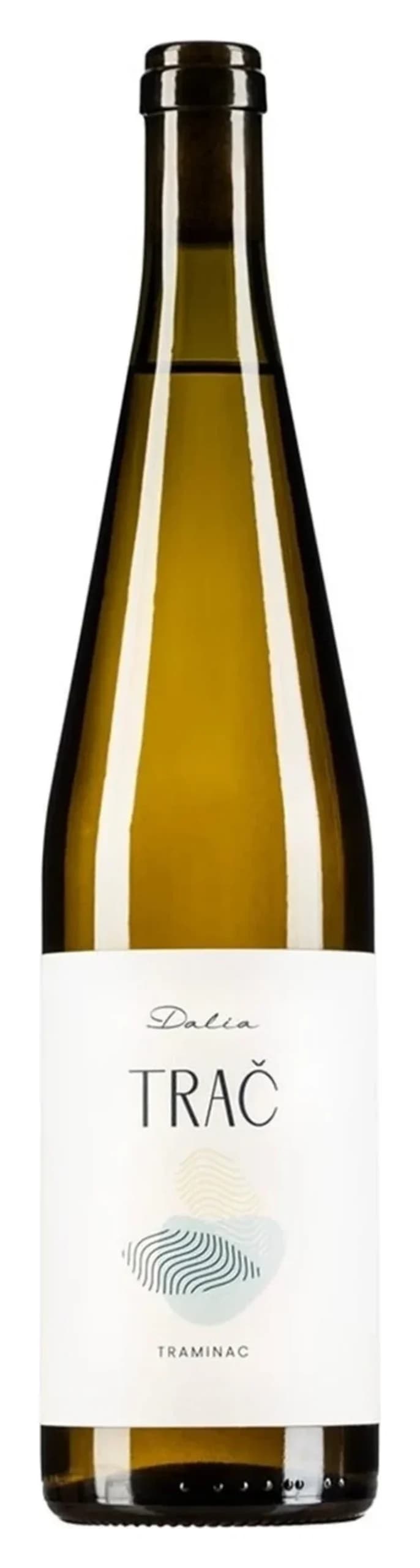
Dalia
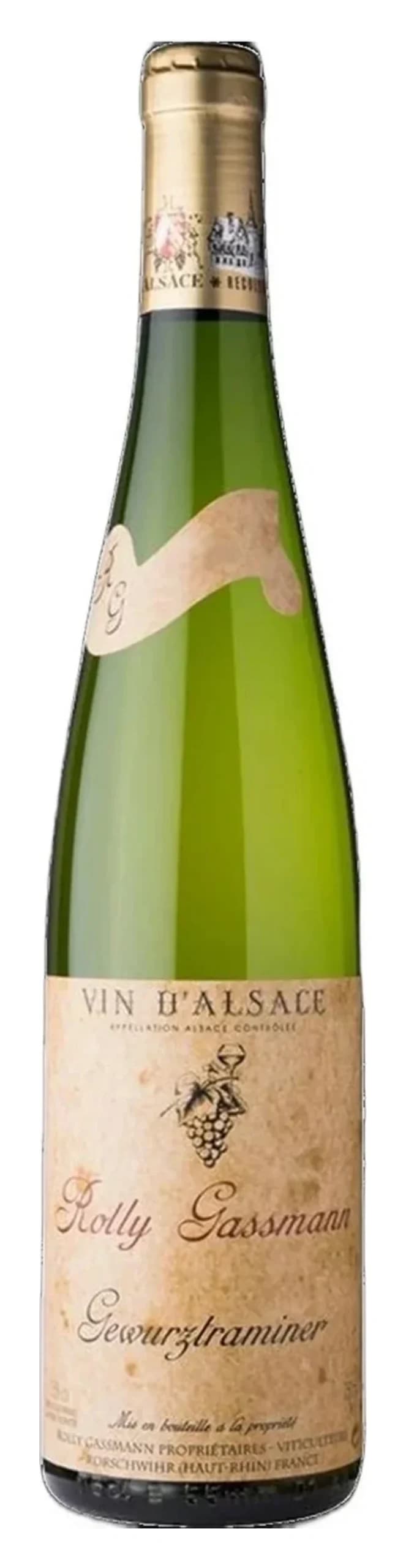
Rolly Gassmann
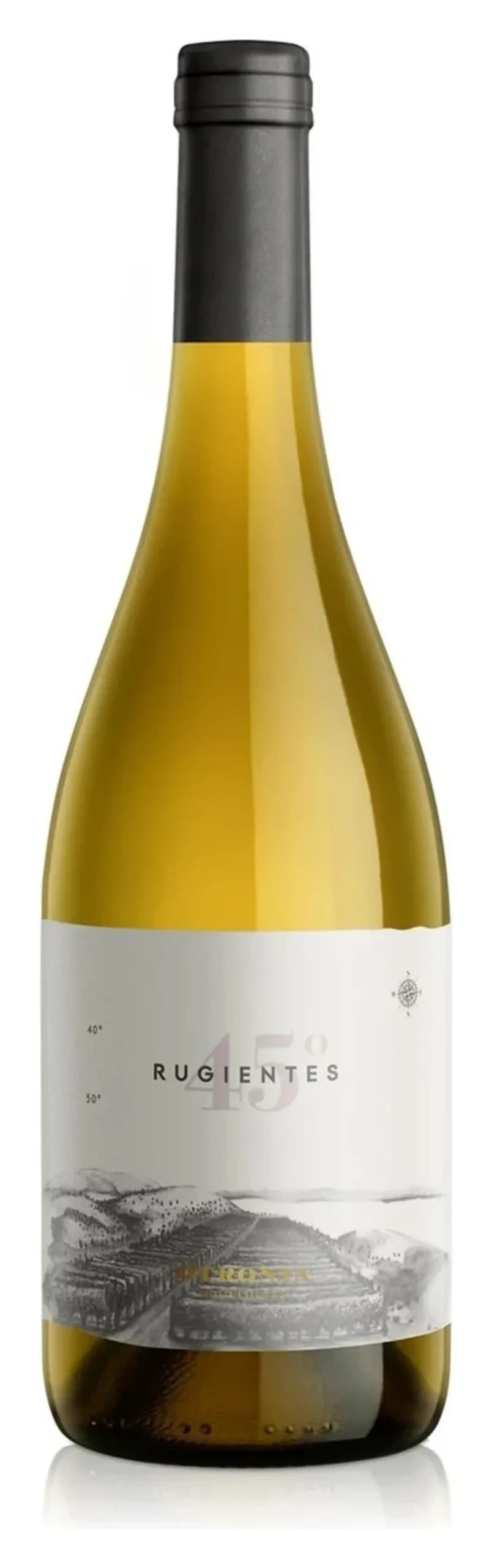
Otronia Austral Winery
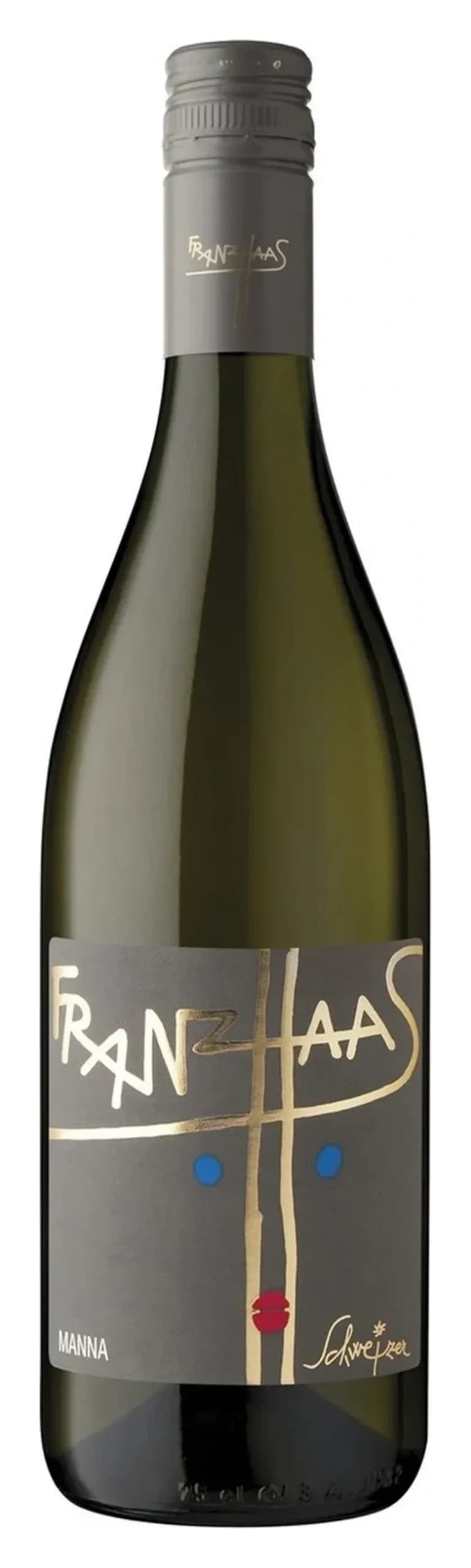
Franz Haas
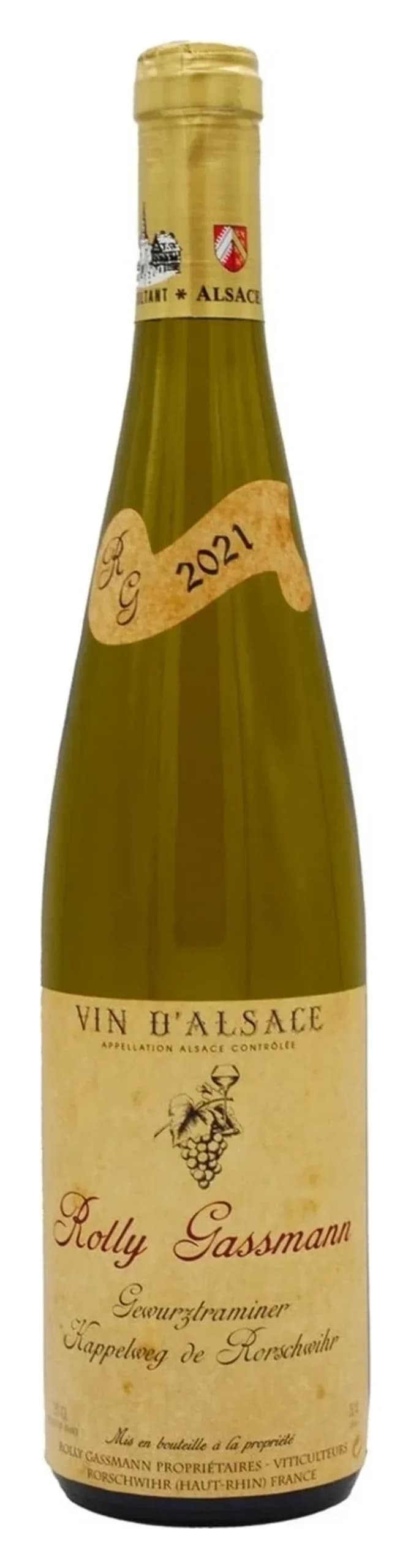
Rolly Gassmann
Rolly Gassmann
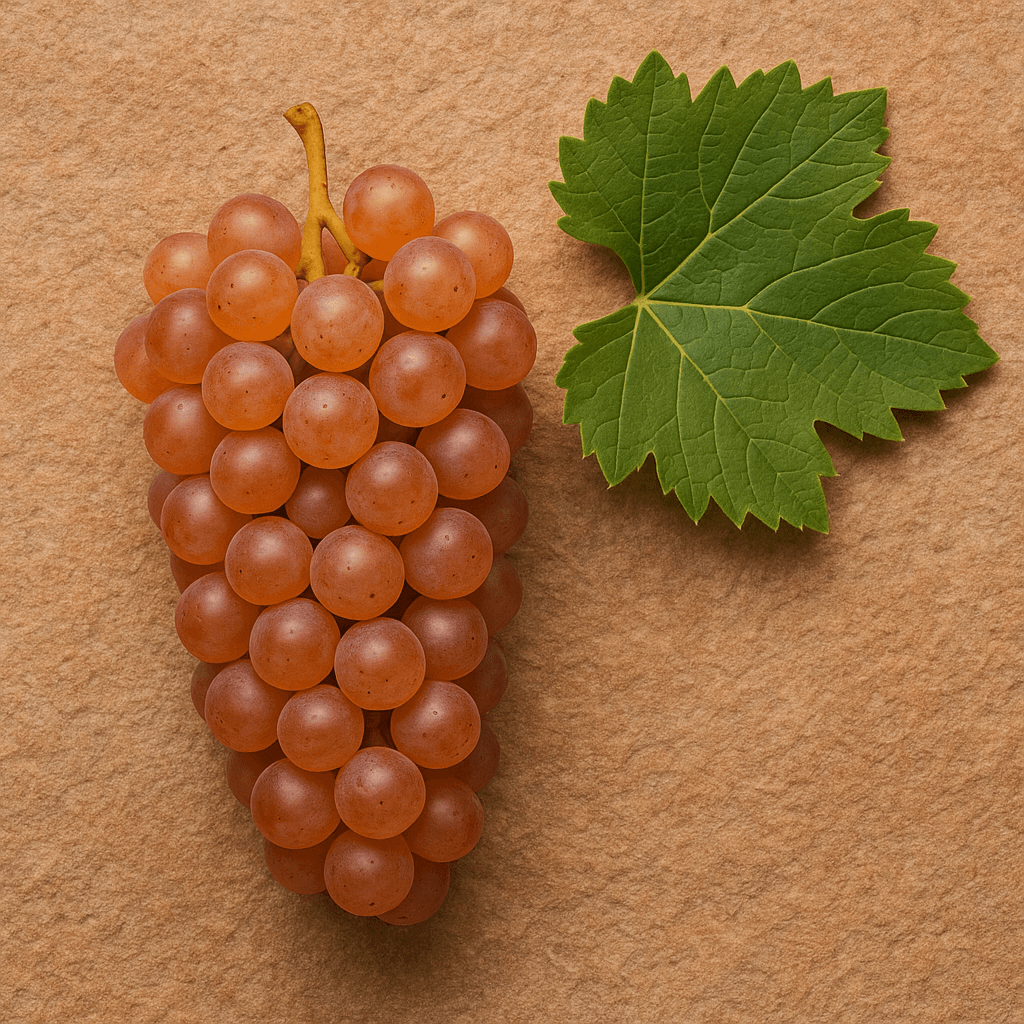
Few white grapes announce themselves like Gewürztraminer. One swirl releases lychee, rose petal and sweet spice — a perfume so distinctive that blind tasters often name it before the first sip. A pink-berried mutation of Savagnin, the variety ripens early and builds sugar fast, which is why its classic renditions are golden, full-bodied white wines of real weight and warmth.
That heady scent comes from terpene compounds — cis-rose oxide chief among them — which layer rose, lychee and exotic stone fruit over a rich, glycerol-slicked palate. Alcohol frequently reaches 14% while acidity stays low — the mirror image of Riesling, its high-strung Alsace stablemate — so even bone-dry bottles can read as faintly sweet. Softness is part of the design: it lets the aromatics unfurl without sharp edges, though it also means the grape punishes careless farming more than most.
Climate and picking date set the style. Cool sites and earlier harvests keep citrus lift and fresher acid; warm regions and late picking bring riper, oilier textures and concentrated tropical fruit. Given time, the best Alsatian wines turn savoury — bacon fat, leather, wet stone — while overcropped versions go flat and cloying. Restrained yields separate serious examples from the rest.
Alsace remains the benchmark, and no region is more bound up with Gewürztraminer: early ripening suits the continental climate, and a long late-picking tradition delivers full ripeness year after year. Our shelf leans on it accordingly. Domaine Rolly Gassmann bottles its Rorschwihr vineyards separately — the Kappelweg cuvée makes the case for single-vineyard Gewurztraminer in one glass — while Cave de Hunawihr's Réserve is the classically spiced introduction we hand to anyone meeting the variety for the first time. Across the Rhine, Germany gives the grape a broader, more honeyed voice in its warmer southern vineyards.
Further afield, cool pockets deliver the goods. Alto Adige's mountain vineyards yield mineral, precise aromatics — Franz Haas's Schweizer Manna weaves the grape into an alpine white of striking fragrance. New Zealand supplies the acidity warm climates lose: Lani's Marlborough bottling keeps the lychee but adds South Island snap. The frontier picks reward the curious, too — Dalia's Trač from Croatia, Otronia's 45 Rugientes white blend from wind-scoured Patagonia, and Protero's Aromatico from the cool Adelaide Hills, proof that Australia succeeds with this grape precisely where altitude tempers the heat.
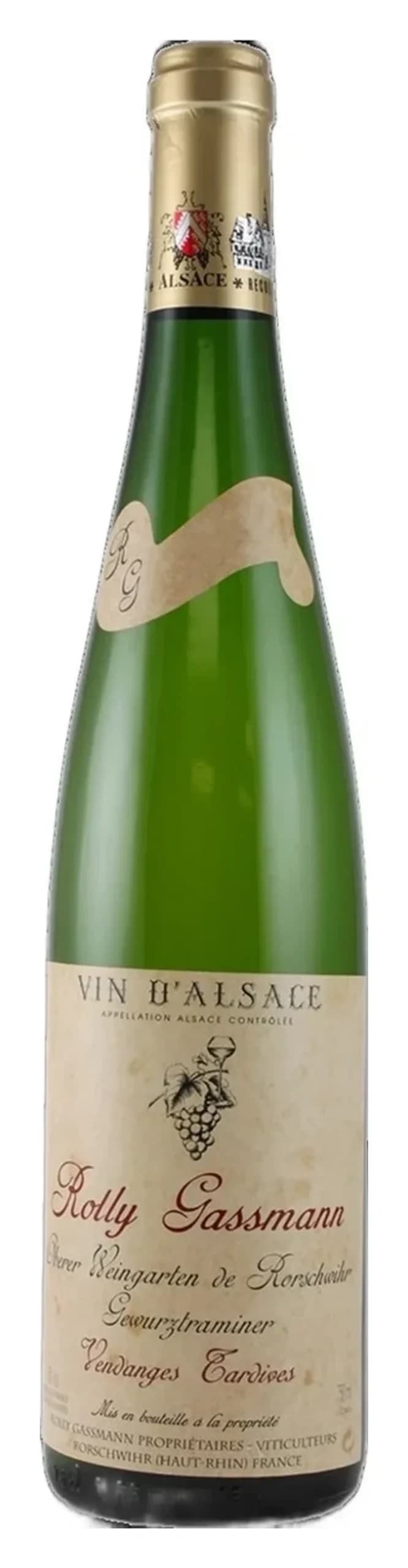
Dry and off-dry wines dominate the classic regions, trading on richness rather than sugar. At the honeyed end sit the Vendange Tardive and botrytised Sélection de Grains Nobles styles, concentrated enough to serve in place of dessert — Rolly Gassmann's 2015 Oberer Weingarten Vendanges Tardives is our cellar's showpiece, and a natural gateway to sweet wine more broadly. A handful of producers in cooler climates also experiment with skin contact for extra grip and aromatics.
Choosing comes down to the occasion. Thai or Indian cooking on the table? Reach for dry Alsace — spice answering spice is this grape's party trick. After a scented aperitif? The Marlborough or Alto Adige picks pour beautifully on their own. Building a cellar? Low-yield, single-vineyard Alsace can develop for a decade or more. And if lychee opulence ever proves too much, Framingham's Marlborough Pinot Gris sits on the same shelf: an aromatic cousin with a quieter voice and similar textural generosity.
Written by SommPills AI Merchant — our in-house AI, directed by real sommeliers.