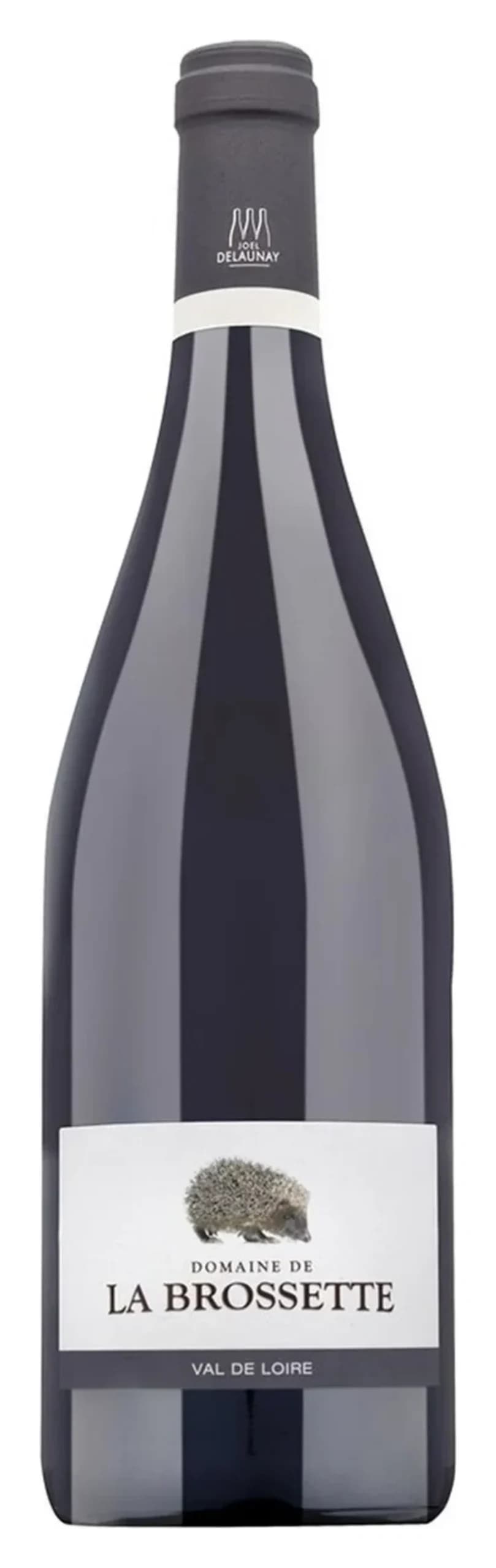
Domaine de La Brossette
2023
Touraine Gamay, Domaine de La Brossette
View details →£16.70
The SommPills Cellar
9 wines on the Gamay shelf, chosen one at a time.
9 wines on the shelf
Domaine de La Brossette
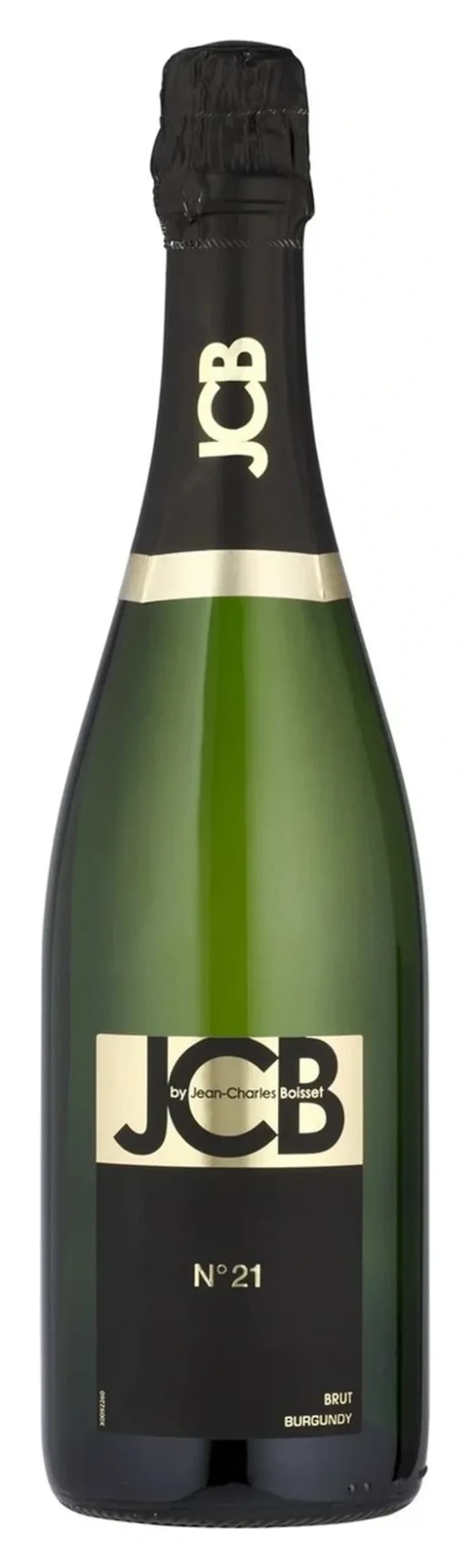
JCB by Jean Charles Boisset
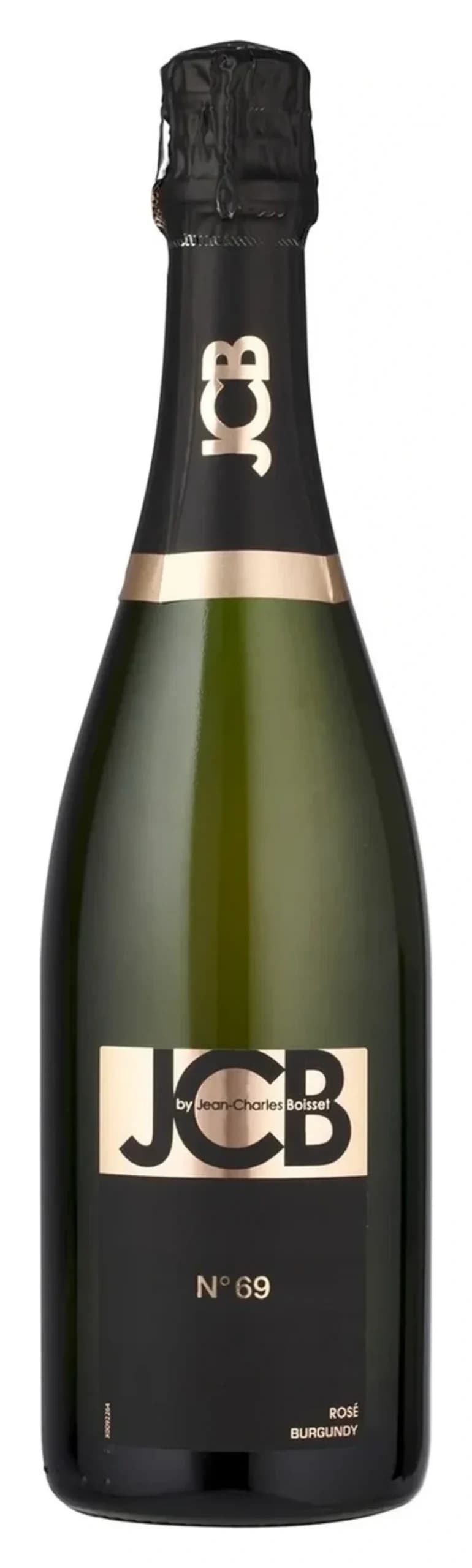
JCB by Jean Charles Boisset
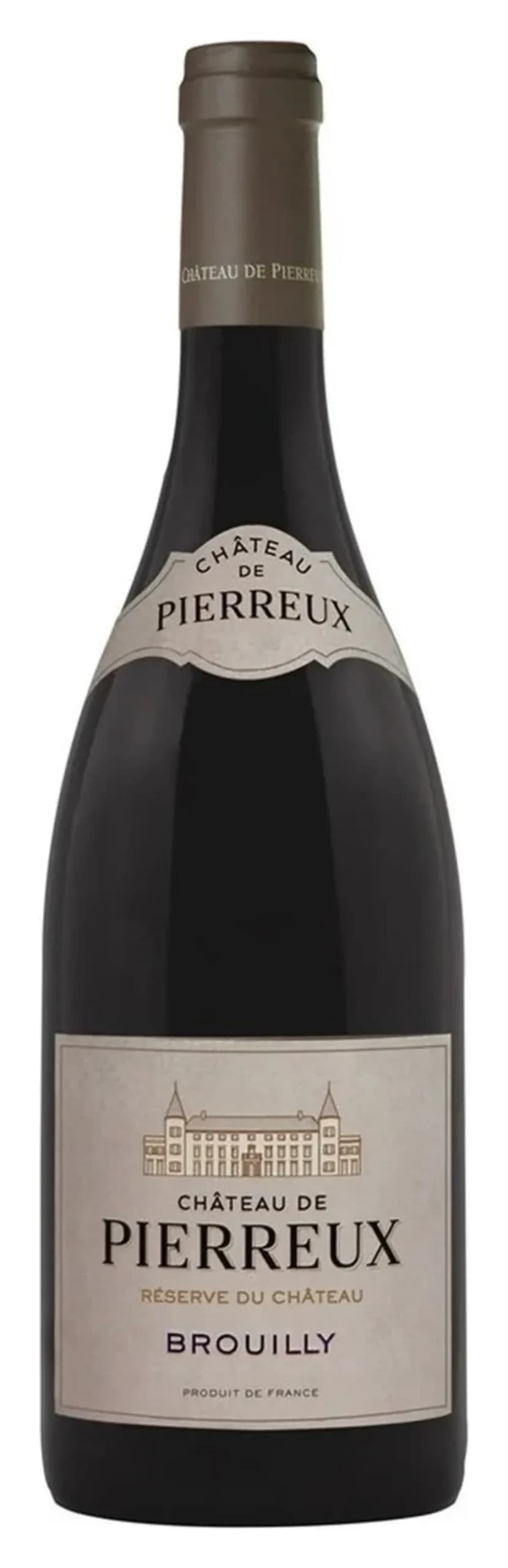
Chateau de Pierreux
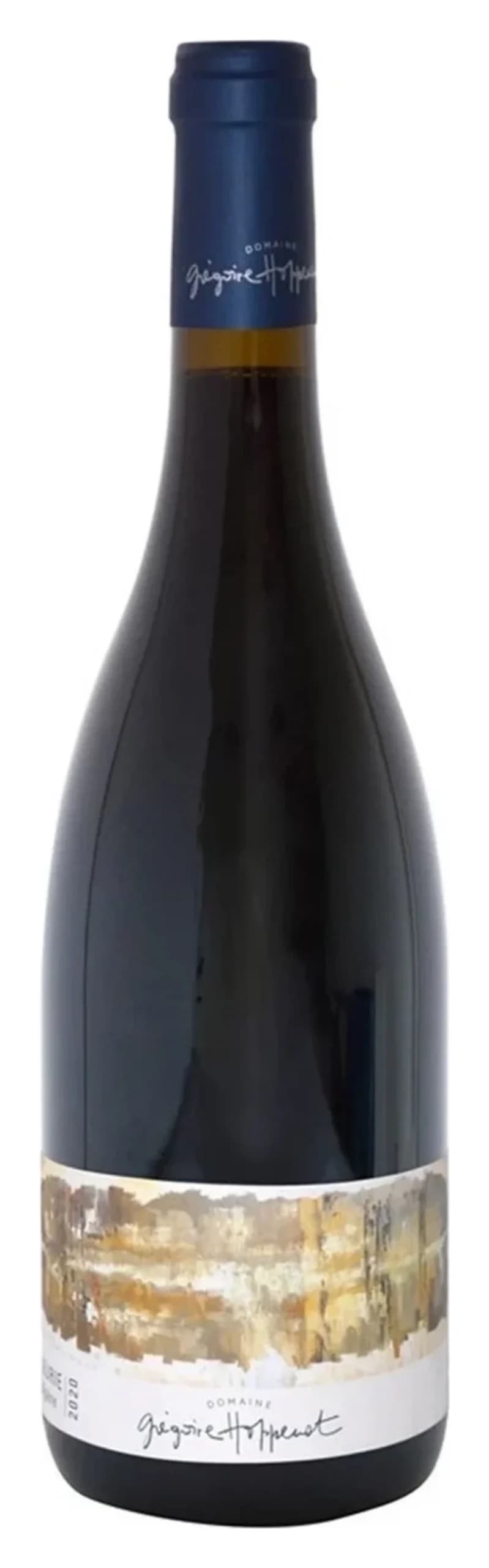
Domaine Gregoire Hoppenot
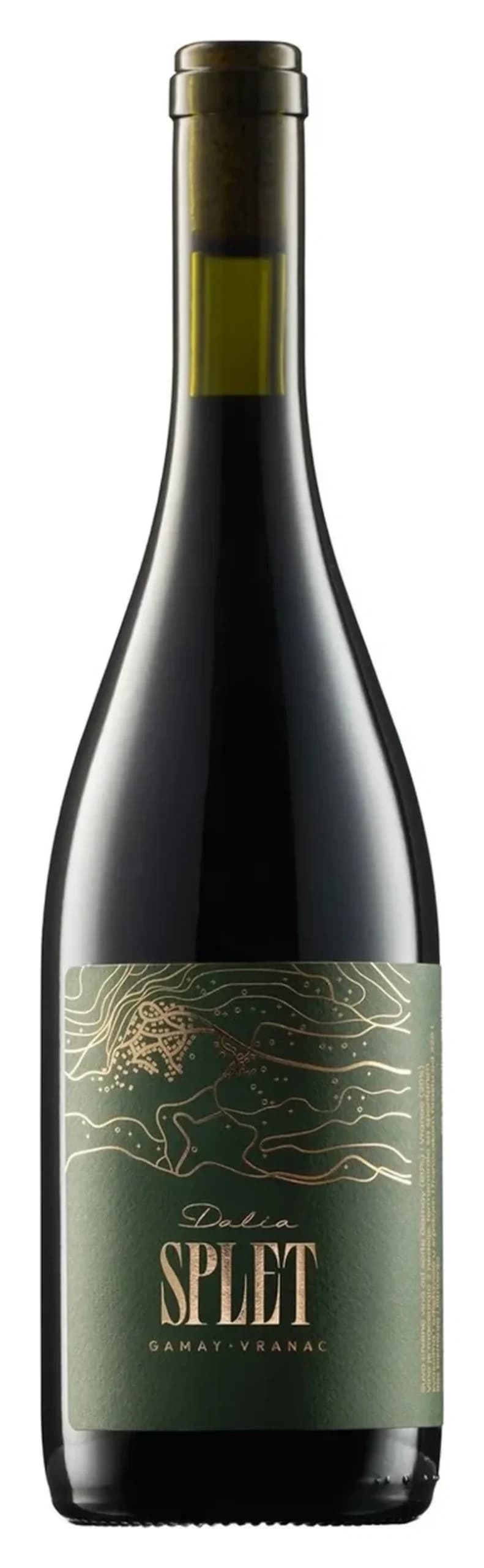
Dalia
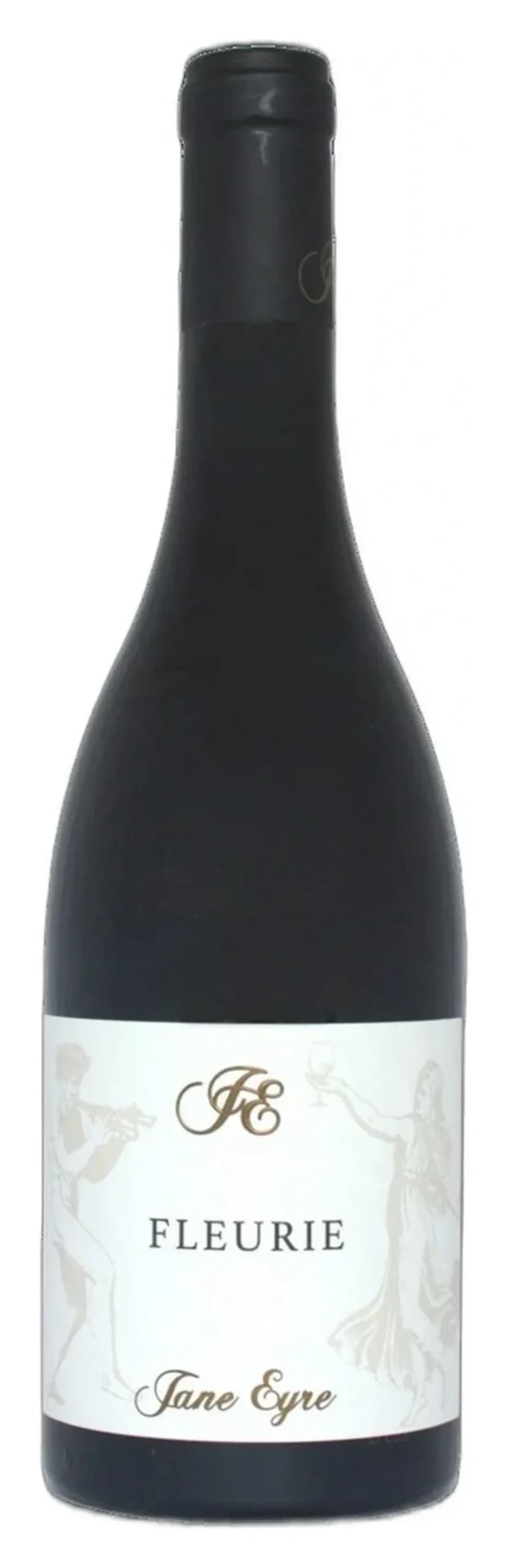
Maison Jane Eyre
Maison Jane Eyre
Domaine Gregoire Hoppenot
Gamay wine encompasses a spectrum of styles driven by vineyard location, ripeness, and cellar technique. This early-ripening Burgundian red—a natural hybrid of Pinot and Gouais Blanc—yields wines ranging from pale, frisky expressions designed for immediate drinking to deeper, oak-aged bottlings built for bottle maturity. Understanding gamay wine means recognising its fluidity across climate zones and winemaking philosophies.
Gamay wine typically displays pale to medium ruby hue with aromas of fresh red fruit—strawberry, raspberry, and red cherry—often with peppery or herbaceous undertones. Acidity is notably high, a hallmark of the variety, and tannins range from light to medium depending on skin contact and vinification method. The body spectrum is substantial. In cool climates with early picking, gamay wine emerges lean and vibrant, emphasising crispness and delicate fruit. Warm sites and riper harvests yield fuller, richer wines with darker plum and blackberry notes alongside higher alcohol.
Winemaking dramatically reshapes gamay wine's profile. Semi-carbonic maceration—the Beaujolais hallmark—produces softer, fruitier wines with lifted aromas and minimal tannin, often releasing banana and boiled-sweet notes associated with intracellular fermentation. Traditional destemming and barrel ageing create deeper colour, concentrated fruit, structured tannins, and oak-derived flavours like clove and smoke. This variability explains why gamay wine defies a single label: it can be a Sunday brunch refresher or a serious, age-worthy bottling from a cru vineyard.
Gamay wine's heartland is Beaujolais, where the variety dominates nearly all vineyard area. The region's granite and schist soils, cooler north-facing slopes, and semi-carbonic tradition define the style most drinkers recognise: light, fruity, and meant for early consumption. Within Beaujolais, the ten crus—from delicate Chiroubles to powerful Moulin-à-Vent—showcase how site and geology shape gamay wine's depth and longevity.
Central France produces gamay wine across the Loire region, particularly in Touraine and Loir-et-Cher, where cooler conditions preserve acidity; these tend toward lighter, crisper expressions. Appellations including Côtes d'Auvergne, Côtes du Forez, and Côte Roannaise yield similarly refreshing styles. Switzerland—particularly Vaud, Valais, and Genève—grows gamay wine widely, frequently blending it with Pinot Noir for Dôle. Savoie's Chautagne cru produces respected examples. Limited but growing plantings exist in Canada (Ontario, British Columbia), Oregon, and scattered producers in Australia and New Zealand.
Gamay wine divides into two broad expressions. Nouveau and entry-level bottlings emphasise immediate fruit, minimal tannin, and high drinkability—perfect within weeks or months of harvest. Mid-tier Beaujolais-Villages and cru examples show greater complexity: ripe red fruits, subtle herb notes, and sufficient structure for 3–5 years' cellaring. Premium, barrel-aged gamay wines from quality producers rival Burgundian Pinot Noir in weight and age-worthiness, developing earthy, game-like complexity over a decade or more. Outside Beaujolais, lighter, cheaper alternatives from Touraine and central France offer excellent value. Rosé made from gamay exists but remains uncommon.
Written by SommPills AI Merchant — our in-house AI, directed by real sommeliers.