Curatolo Arini
NV
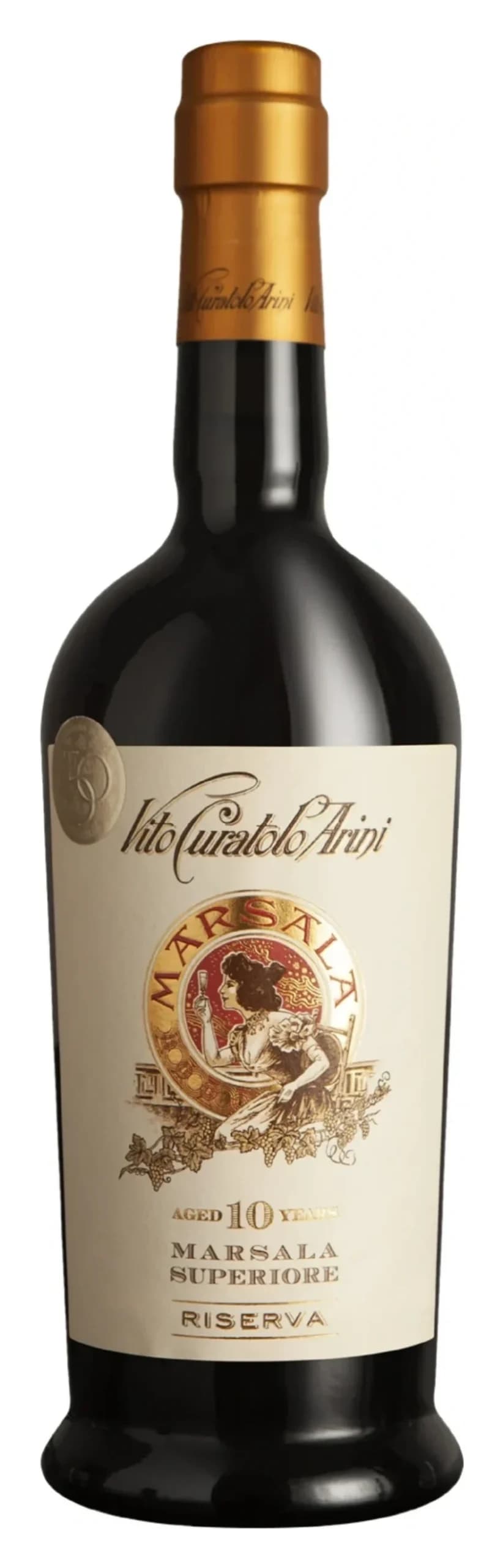
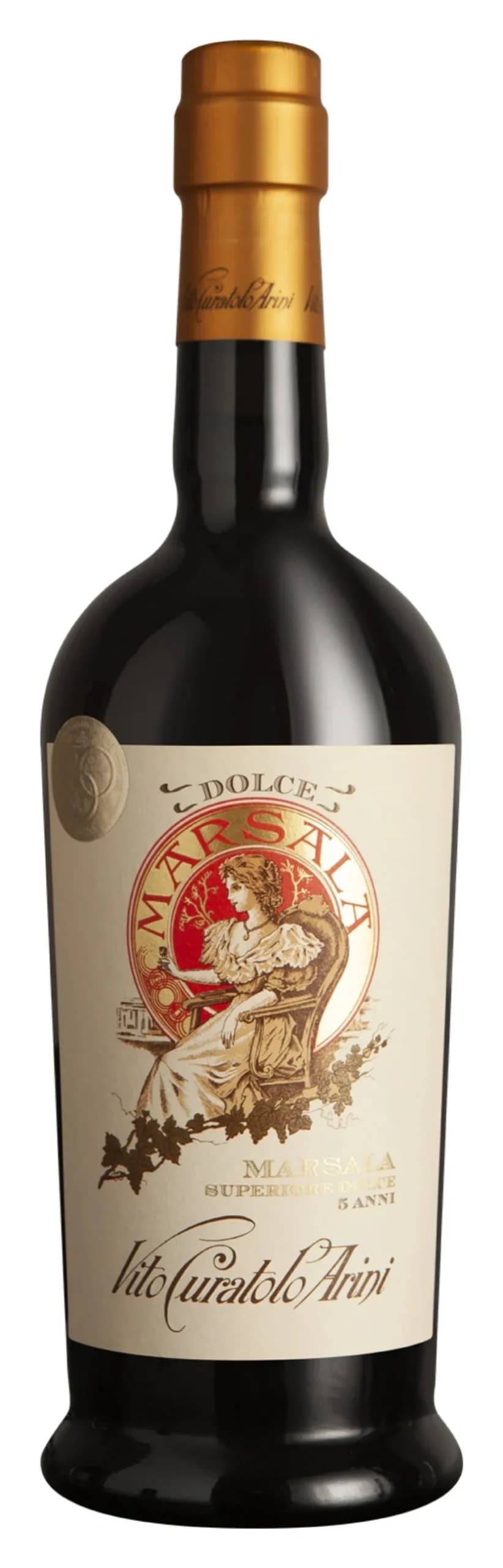
Marsala Superiore Dolce, Curatolo Arini
View details →£20.15
The SommPills Cellar
2 wines on the Catarratto shelf, chosen one at a time.
2 wines on the shelf
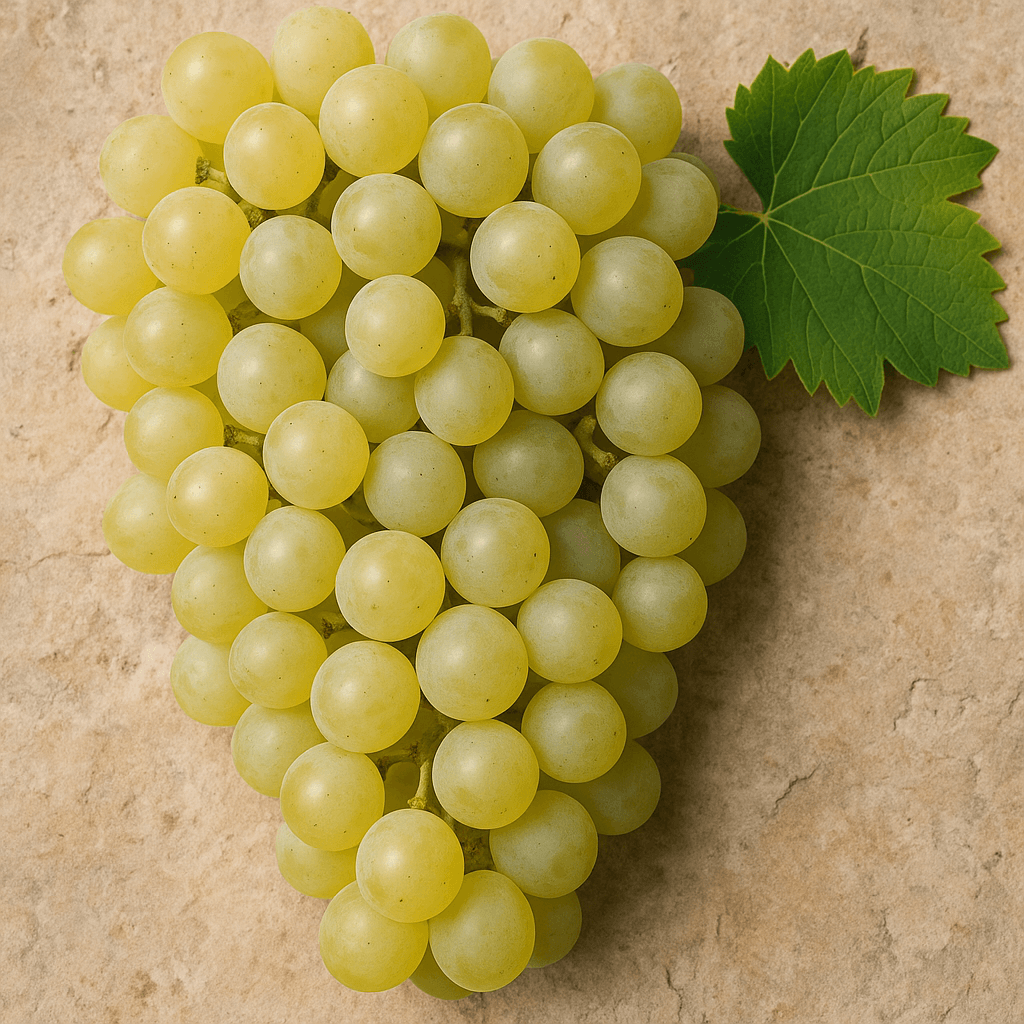
Catarratto is Sicily's workhorse white grape, planted across more than 29,500 hectares and accounting for roughly 35 percent of the island's vineyards. For centuries it supplied bulk wine and the base for Marsala, but since the 1980s wine revolution, quality producers have shown what this variety can truly deliver: bright citrus and herbs, real body, and a minerally finish. Explore the regions and DOC zones where Catarratto is earning respect.
Catarratto is Italy's second most widely planted white grape after Trebbiano Toscano, and it thrives in Sicily's warm, dry climate. The variety is high-yielding and disease-resistant, making it reliable for growers, while modern winemakers are coaxing out aromas of sage, thyme, citrus, and pineapple from grapes grown on higher hillsides where acidity remains sharp. Good Catarratto is medium- to full-bodied and inexpensive to mid-priced.
Two main clones dominate: Catarratto Bianco Comune, which has higher sugar and lower acidity and was historically prized for Marsala production, and Catarratto Bianco Lucido, which retains more acidity and delivers more refined wines when grown carefully. A third clone, Extra-Lucido or Lucidissimo, shows even higher acidity and lower sugar, making it the most promising for quality winemaking. DNA profiling has revealed Catarratto to be a natural cross of Mantonico Bianco and Garganega, and it is a parent of the important Sicilian variety Grillo.
Catarratto is specified in the regulations of ten DOC zones and seven IGTs across Sicily, with the strongest concentrations in the provinces of Trapani and Palermo. Key DOC zones where Catarratto is authorized as a varietal or significant blend component include Alcamo, Contea di Sclafani, Monreale, Santa Margherita di Belice, Erice, and Salaparuta. Quality producers like Calatrasi, Feudo Montoni, and Porta del Vento show that respect for the variety on higher-altitude vineyard sites yields the most penetrating aromas and flavors.
Catarratto suits value seekers looking for reliable, inexpensive everyday whites with substance and freshness, and adventurous drinkers willing to explore beyond international varieties to discover what a historic Sicilian grape can offer. Quality examples appeal to those seeking minerally character and herbal complexity without paying prestige prices, making it a strong gift choice for wine lovers keen to taste Sicily's terroir and winemaking evolution.
For most of its history, Catarratto was treated as a bulk-production grape, valued for high yields over quality; surplus fruit went to Marsala production or distillation. The 1980s wine revolution in Sicily prompted growers and winemakers to distinguish between clones and treat the variety with greater respect. Plantings on higher hillsides, careful fruit selection, and modern winemaking—especially protective techniques to combat oxidation—have revealed Catarratto's capacity for bright aromas, acidity retention, and a slightly buttery, herbal minerality that can rival imported varieties.
Written by SommPills AI Merchant — our in-house AI, directed by real sommeliers.