
Compania de Vinos Telmo Rodriguez
2025
El Transistor Rueda Verdejo, Telmo Rodríguez
View details →£26.20
The SommPills Cellar
1 wine on the Verdejo shelf, chosen one at a time.
1 wines on the shelf
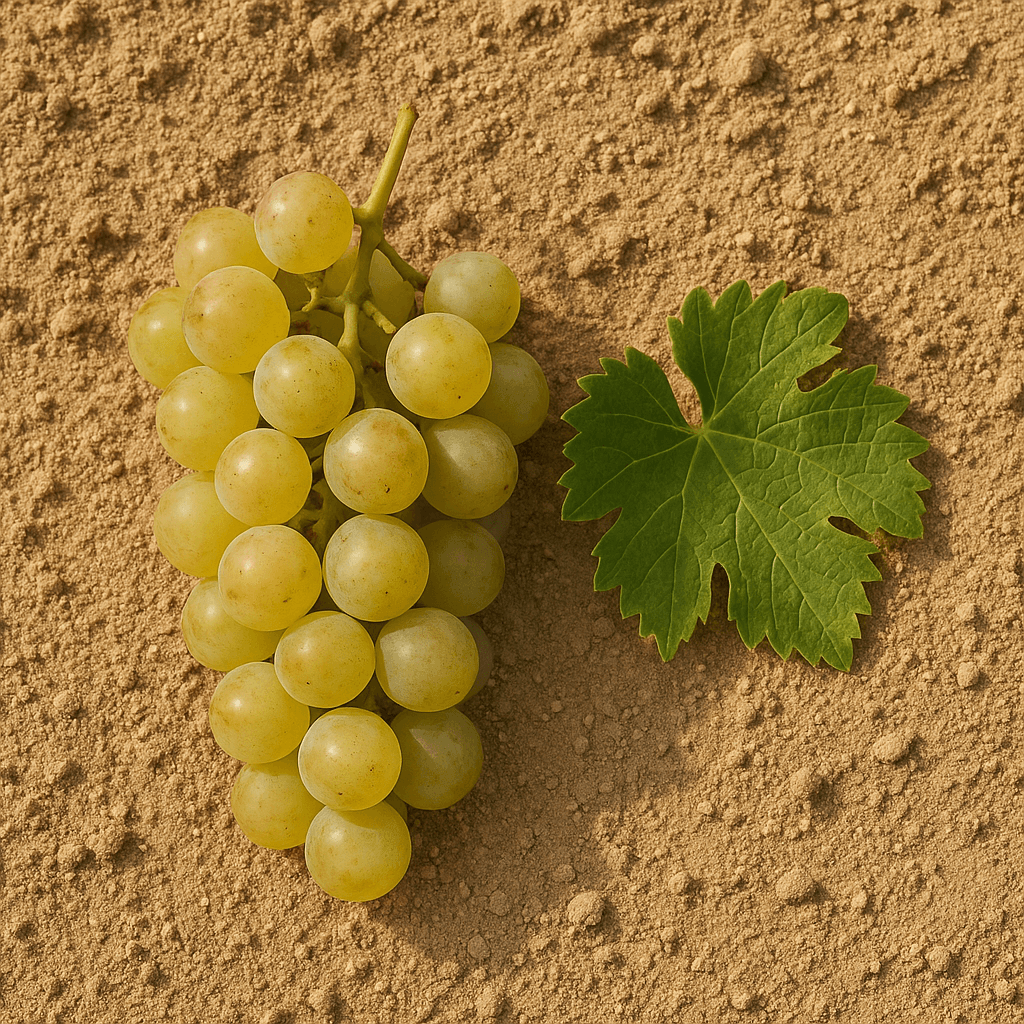
Verdejo is an aromatic white wine grape native to Spain's Rueda region, now the country's fifth most planted light-skinned variety. Recognised for its distinctive savoury character, herbaceous undertones, and mineral depth, this versatile grape produces wines across a broad stylistic range—from crisp, unoaked expressions to richer, barrel-fermented interpretations. Climate, altitude, and winemaking choice fundamentally shape the final wine's body and texture.
Verdejo wines deliver pronounced aromatic intensity with signature notes of bitter almond and laurel, often accompanied by herbaceous and citrus elements. On the palate, the grape showcases medium to high acidity paired with a medium to full body—though this spectrum is far from fixed. In cooler sites or when harvested earlier, Verdejo leans toward a leaner, more bracing profile with green fruit and mineral tension. In warmer microclimates or with riper fruit selection, wines gain flesh, weight, and stone-fruit character, developing a rounder texture.
Winemaking profoundly influences style. Protective, temperature-controlled stainless-steel fermentation preserves freshness and acidity; conversely, barrel fermentation and lees ageing add nutty depth, richness, and subtle oxidative complexity. With bottle age, the variety's savoury almond character evolves toward nuttier, more developed notes. This flexibility—from steely and herbaceous to rich and textured—makes Verdejo one of Spain's most expressive white grapes.
Rueda in Castilla y León remains Verdejo's spiritual and commercial heartland. The region's high-altitude plateau, rising to 700–870 m above sea level, combines hot, dry summers with the cool nights that allow Verdejo to retain the bright acidity that gives the wines their distinctive snap and freshness despite the warmth of the growing season. Sandy-clay, low-fertility soils naturally restrain vine vigour, concentrating flavours. Plantings have expanded dramatically since the 1970s renaissance initiated by Marqués de Riscal, when winemakers recognised Verdejo's potential for dry whites rather than the oxidative styles historically dominant.
The grape now spreads across Castilla-La Mancha and into Extremadura, though quality and character remain most compelling in Rueda. Other Spanish regions—Rioja, Cigales, and regional blends—incorporate Verdejo as a blending partner or varietal option, often yielding fresher, more citric styles in cooler inland sites. The variety occasionally appears in Sauvignon Blanc blends, where its almond-tinged structure and acidity complement the imported variety's herbaceous profile.
Rueda DO regulations permit a rich variety of expressions. Unoaked, stainless-steel fermented Verdejo offers immediate freshness and aromatic purity, suitable for early drinking with seafood and white fish. Barrel-fermented and oak-aged bottlings—particularly Rueda Superior (minimum 85% Verdejo) and Gran Vino de Rueda designations—display creamy texture, nutty depth, and ability to age gracefully over 5–10 years. Traditional Pálido (fino-like) and Dorado (oxidative) fortified styles remain rare but historically significant.
Sparkling Verdejo, made by the traditional method, captures the grape's natural acidity and floral aromatics. Quality spans entry-level to premium: inexpensive bottlings deliver good, food-friendly freshness; mid-priced and fine examples showcase complexity, minerality, and structure worthy of serious cellaring. Leading producers—Belondrade y Lurton, José Pariente, Ossian, Marqués de Riscal—demonstrate the variety's capacity for depth and longevity when site and craft align.
Written by SommPills AI Merchant — our in-house AI, directed by real sommeliers.