Pieropan
2025
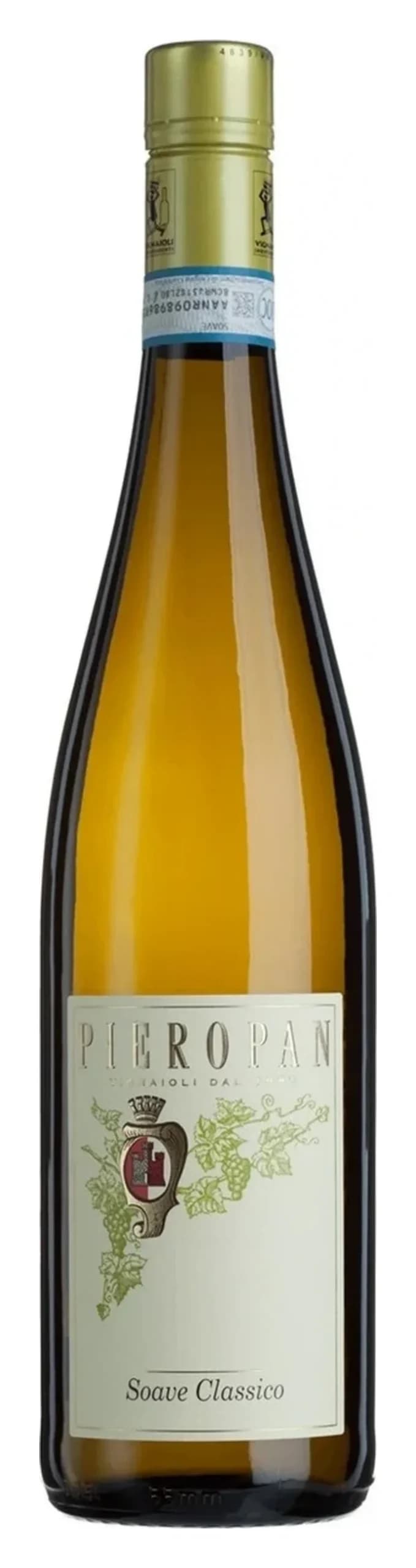
Soave Classico, Pieropan
View details →£17.75
The SommPills Cellar
9 wines on the Trebbiano shelf, chosen one at a time.
9 wines on the shelf
Pieropan
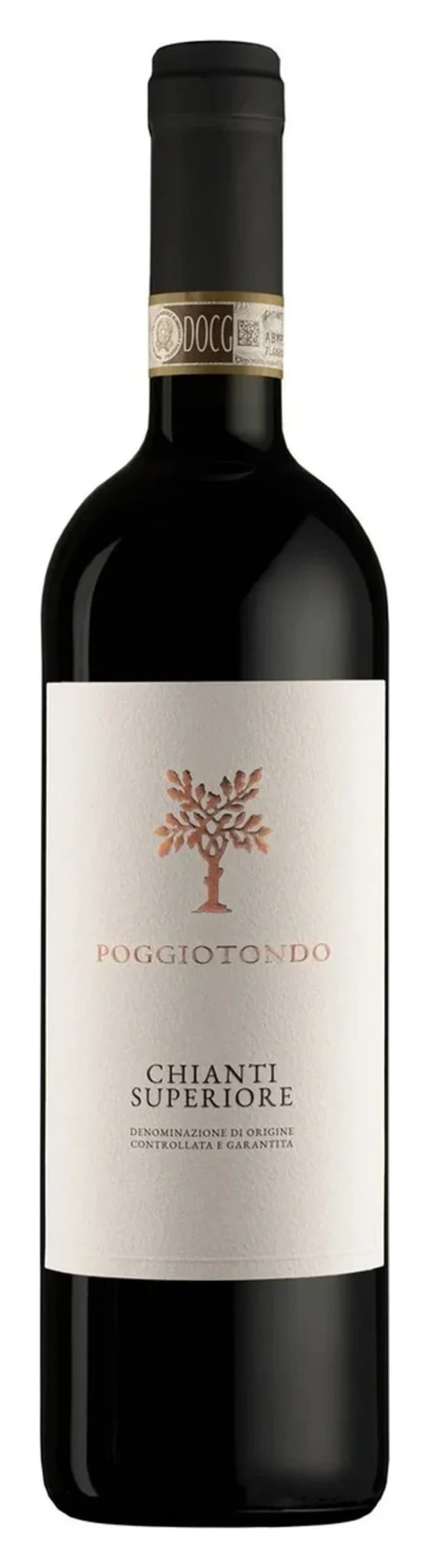
Poggiotondo Wines
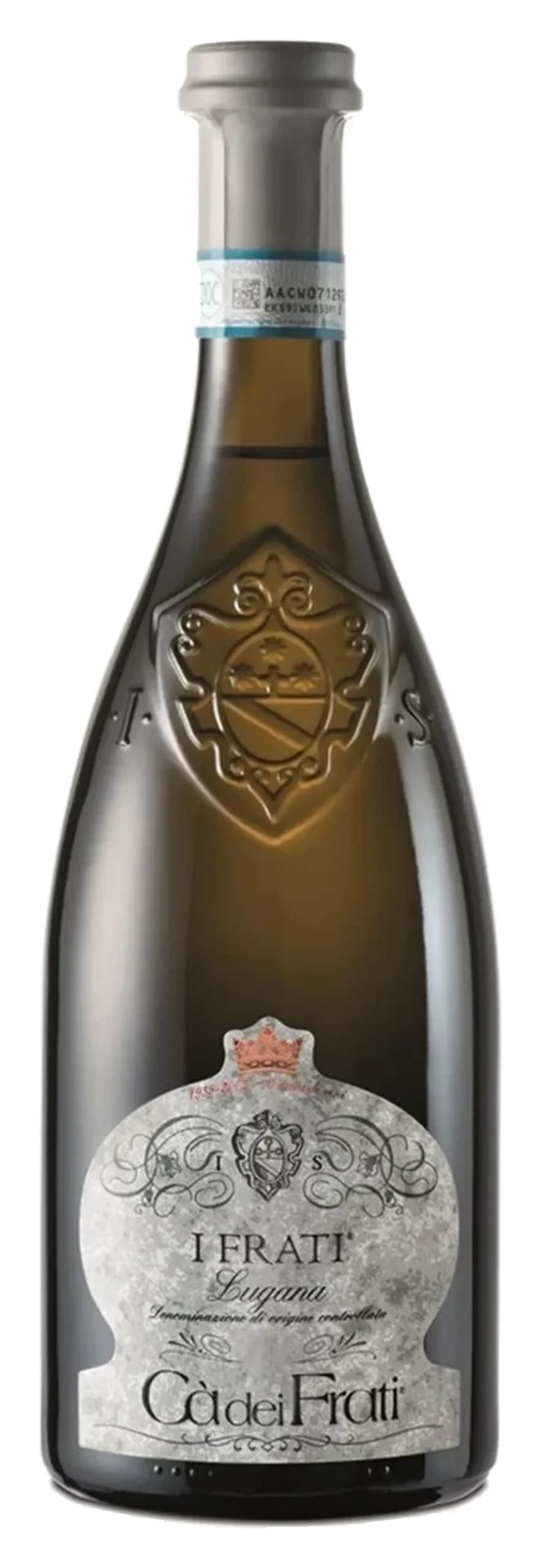
Ca dei Frati
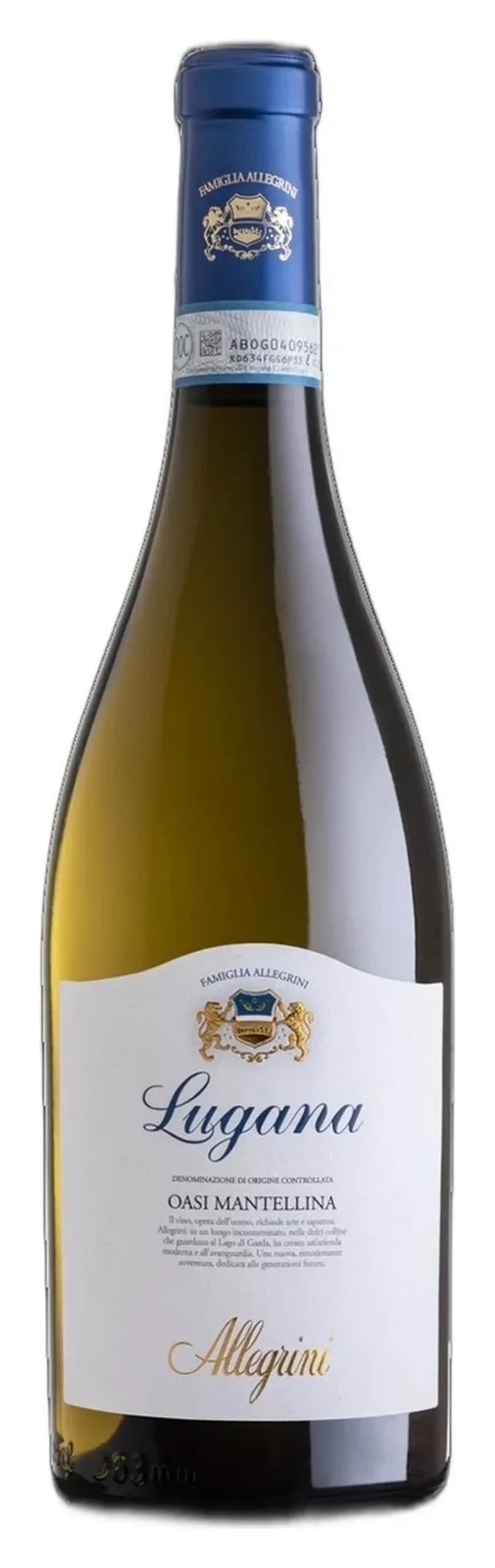
Allegrini
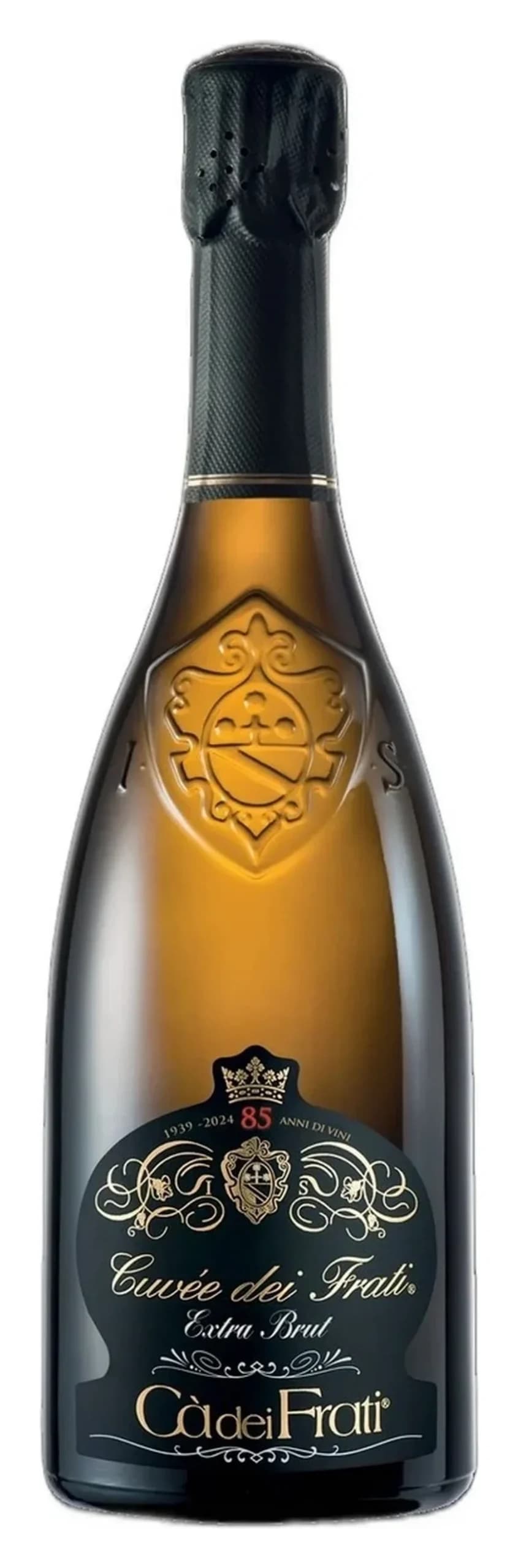
Ca dei Frati
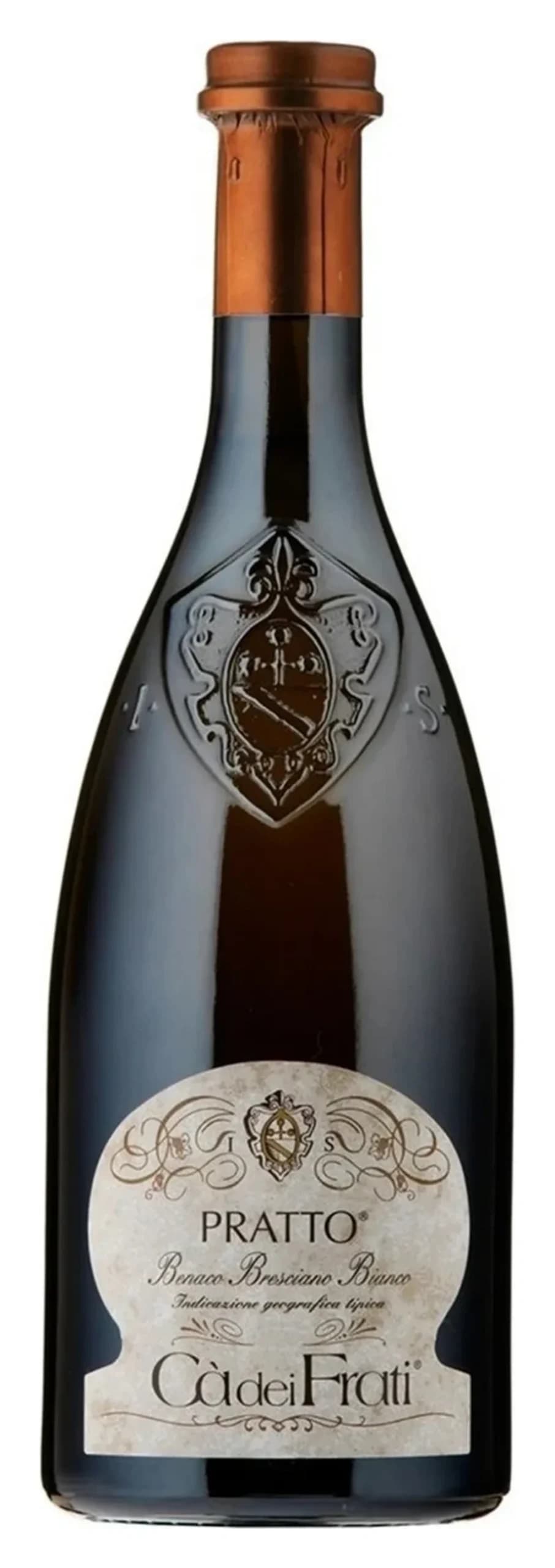
Ca dei Frati
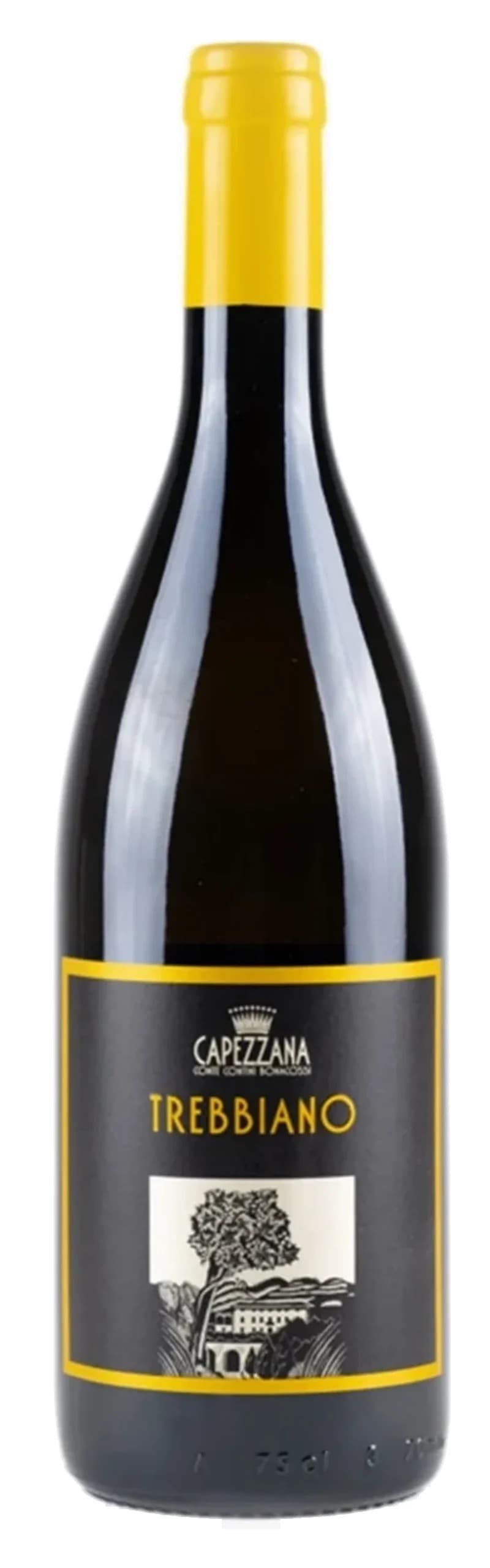
Tenuta di Capezzana
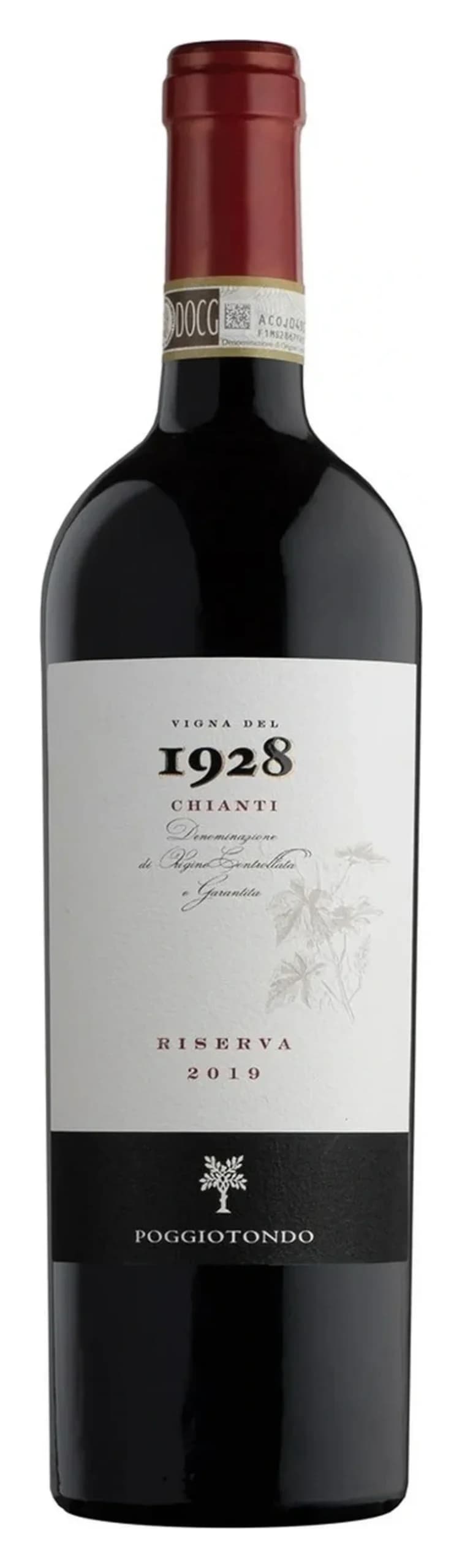
Poggiotondo Wines
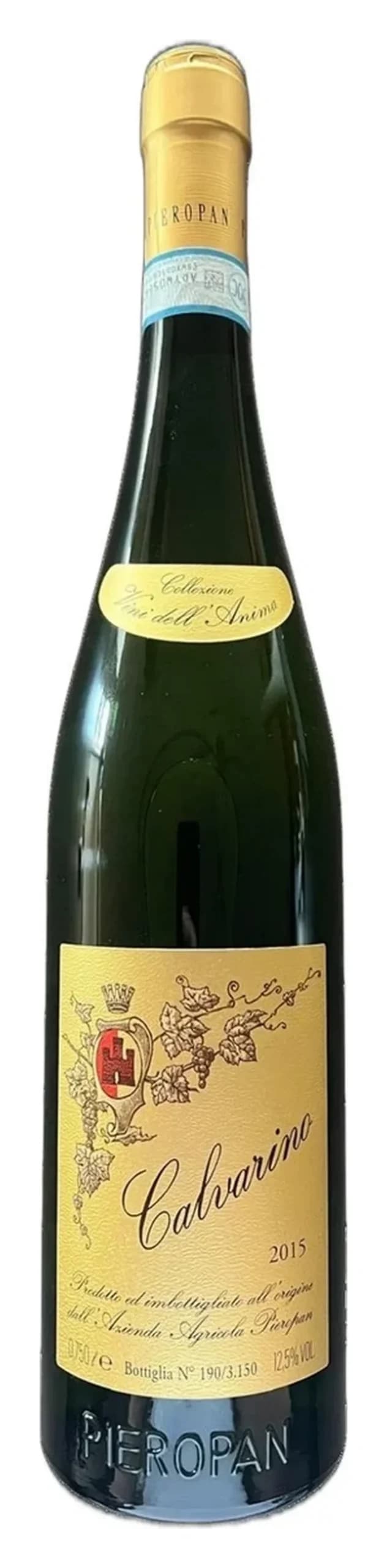
Pieropan
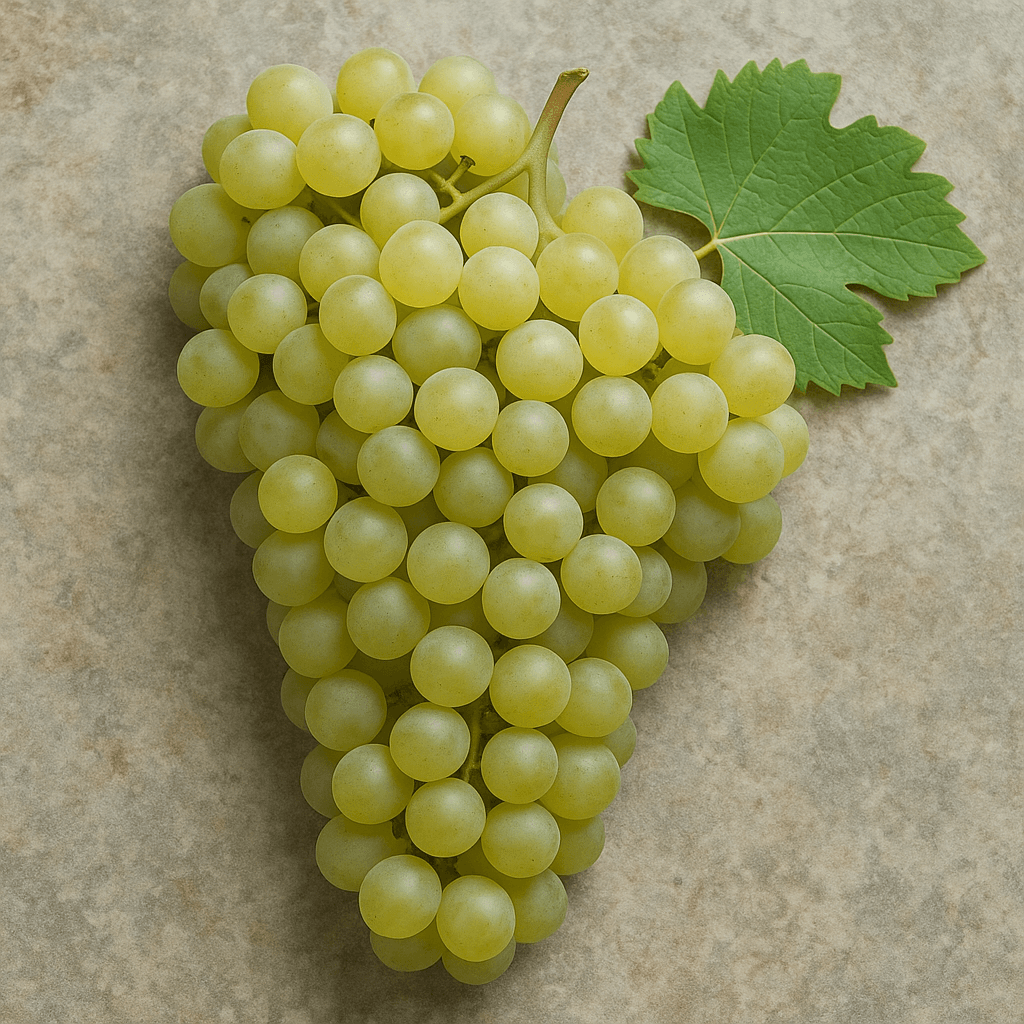
Trebbiano white wine encompasses six genetically unrelated Italian varieties—not a single family despite shared morphological traits. Each produces wines on a spectrum from lean and tart to fuller and aromatic, shaped by regional climate, ripening conditions and cellar decisions like malolactic conversion and oak ageing.
Trebbiano white wine typically shows citrus, green apple and herbal notes, with the key characteristic being pronounced acidity. Body and intensity vary dramatically by variety and site. Cool-climate or early-picked expressions yield light, zesty wines with medium–low fruit intensity; warmer regions or riper harvests deliver riper stone-fruit characters and fuller structure. Unoaked versions fermented at controlled temperatures retain crisp primary flavours; malolactic conversion, increasingly blocked by producers, would soften acidity.
Trebbiano Toscano, the most planted, tends towards neutral, tart profiles—prized historically for volume and blending rather than aromatic depth. Trebbiano Spoletino, rescued from near-extinction in early 2000s, shows superior body, blossom, tropical fruit and spice alongside good acidity. Trebbiano d'Abruzzo from premium growers like Valentini ages beautifully, developing mineral complexity and secondary notes over years. Most commercial bottlings remain light and uncomplicated.
Trebbiano varieties dominate central Italy. Tuscany anchors Trebbiano Toscano (35,000+ ha); Emilia-Romagna leads with Trebbiano Romagnolo (19,000 ha) in Ravenna, Forlì and Bologna provinces. Umbria features Trebbiano Spoletino around Montefalco and Spoleto. Lazio cultivates Trebbiano Giallo south of Rome; Abruzzo grows the distinct Trebbiano d'Abruzzo. Trebbiano Modenese remains concentrated on the Po plain for vinegar. Beyond Italy, the variety (as Ugni Blanc) is planted extensively in Cognac and Armagnac for brandy; minor plantings exist in Argentina, South Africa, Australia and California, typically for blending and spirits.
Trebbiano white wine spans dry still whites—the norm—to sparkling and sweet expressions. Most are light, unoaked, stainless-steel-aged dry whites released young for immediate drinking. Permitted yields often exceed 90 hL/ha, diluting flavour; quality-focused producers cap yields and achieve mineral, age-worthy bottlings. Varietal wines from Abruzzo or Umbria offer more structure; entry-level DOC blends from Emilia-Romagna are inexpensive and neutral. Vin Santo, Tuscany's oxidatively aged sweet wine, traditionally pairs Trebbiano Toscano with Malvasia. Sparkling versions appear in regional DOCs. The quality ladder ranges from acceptable, mass-market basics to outstanding examples commanding premium prices—chiefly from committed growers in Abruzzo and Umbria.
Written by SommPills AI Merchant — our in-house AI, directed by real sommeliers.