San Polo
2023
Rubio, San Polo
View details →£19.40
The SommPills Cellar
4 wines on the San Polo shelf, chosen one at a time.
4 wines on the shelf
San Polo is a 22-hectare estate in eastern Montalcino, Tuscany, run by Marilisa Allegrini and her daughters Carlotta and Caterina since 2006. The vineyard is positioned at altitudes of 400 to 450 metres on galestro soils of poor, stony composition—terrain that naturally limits yields and suits the production of concentrated, high-quality Sangiovese. Wines from San Polo display greater structure and richness in comparison to those produced in Montalcino's northern regions, with cedar notes and impressive length complementing their ripe fruit characteristics in a contemporary expression. The estate has been certified organic since 2017 and vegan-certified since 2019, reflecting a commitment to sustainability without compromising on quality.
Marilisa Allegrini's purchase of San Polo in 2006 marked the beginning of substantial reinvestment in the property. Each vineyard section benefits from precise parcel mapping, enabling individual management strategies that unlock this distinctive terroir's full expression. The eastern location is crucial: galestro—a schistous clay formation—naturally dominates the vineyard's soil composition, constraining production and directing vine energy into flavour concentration rather than volume. Vines are planted at altitudes spanning 400 to 450 metres, where cool nights and exposure to Montalcino's variable sun create wines with fine-grained tannins and excellent ageing potential.
The winery's approach centres on precise winemaking and sustainability. It achieved CasaClima certification in 2013, organic certification in 2017, and vegan certification in 2019—evidence of a methodical philosophy that respects both vineyard ecology and wine integrity. The Allegrini family produces a focused portfolio: classic Brunello di Montalcino and Rosso di Montalcino form the core, with two single-vineyard Brunellos released only in the best years. Podernovi, from one of Montalcino's most recognised vineyard sites, delivers energetic and elegant expression. Vignavecchia, sourced from 30–40-year-old vines on west-facing galestro soils, is complex and built for long-term cellaring. This deliberate range reflects a producer uninterested in volume, instead calibrating each wine to its vineyard's character and intended table role.
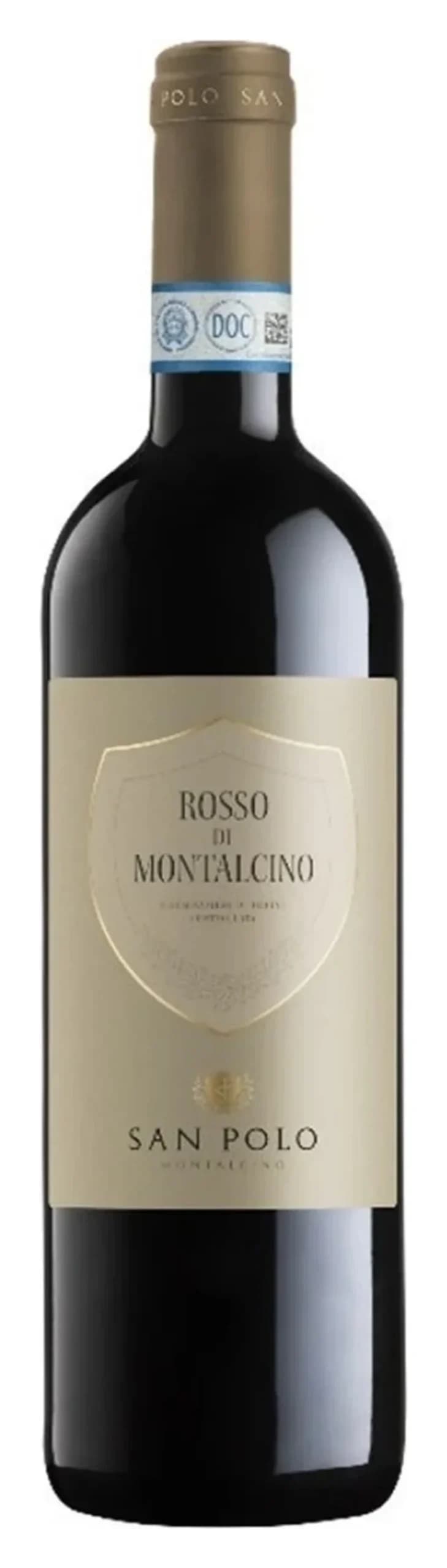
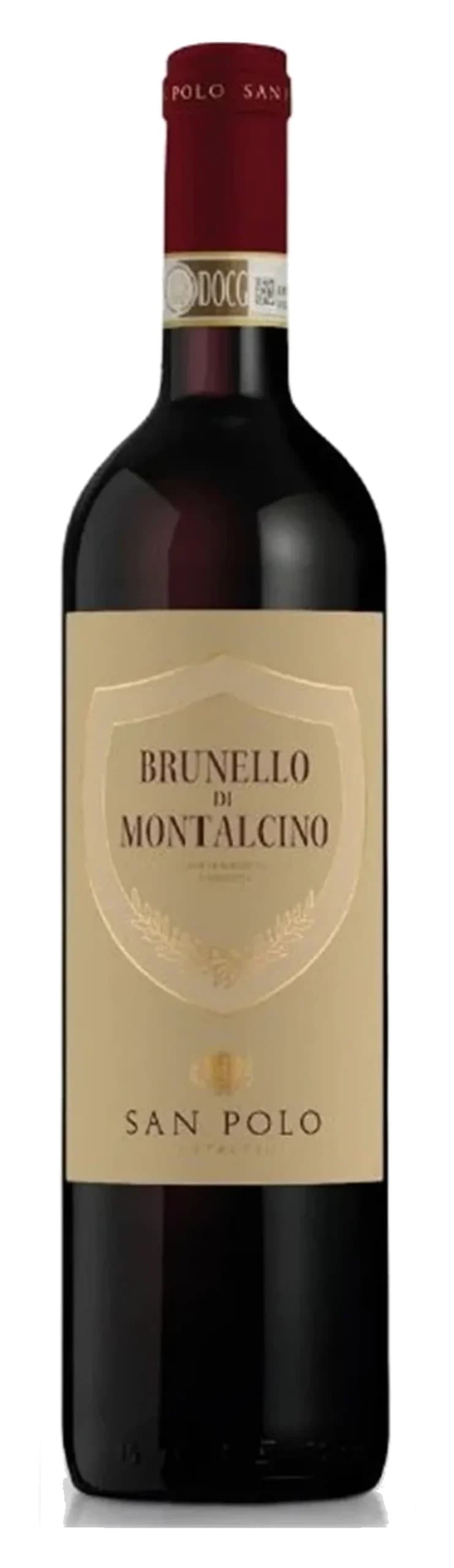
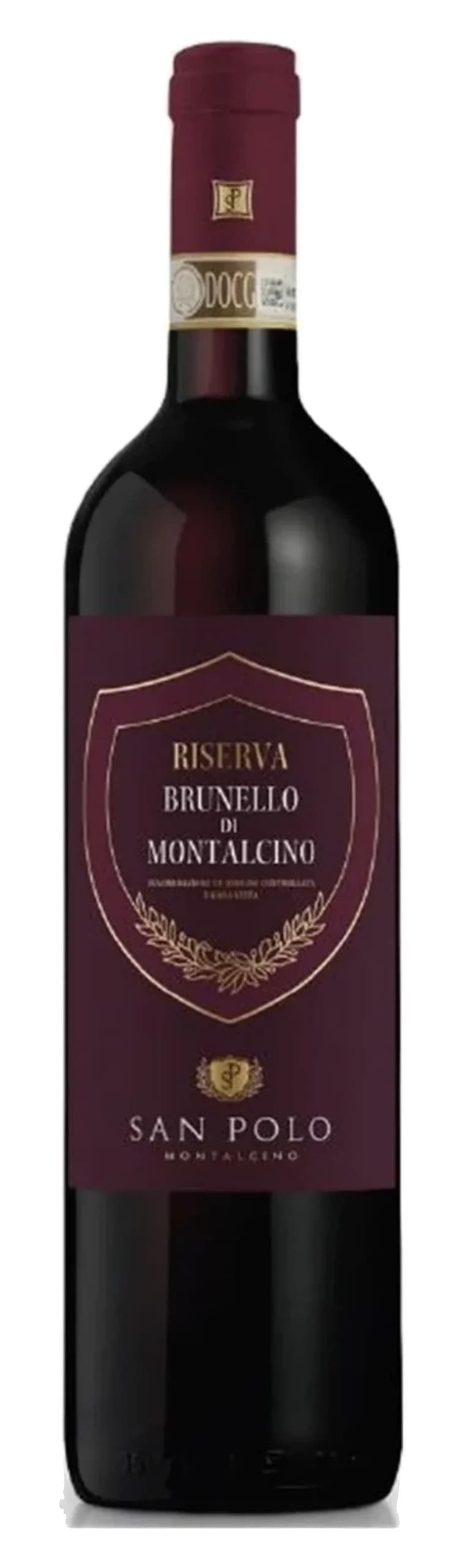
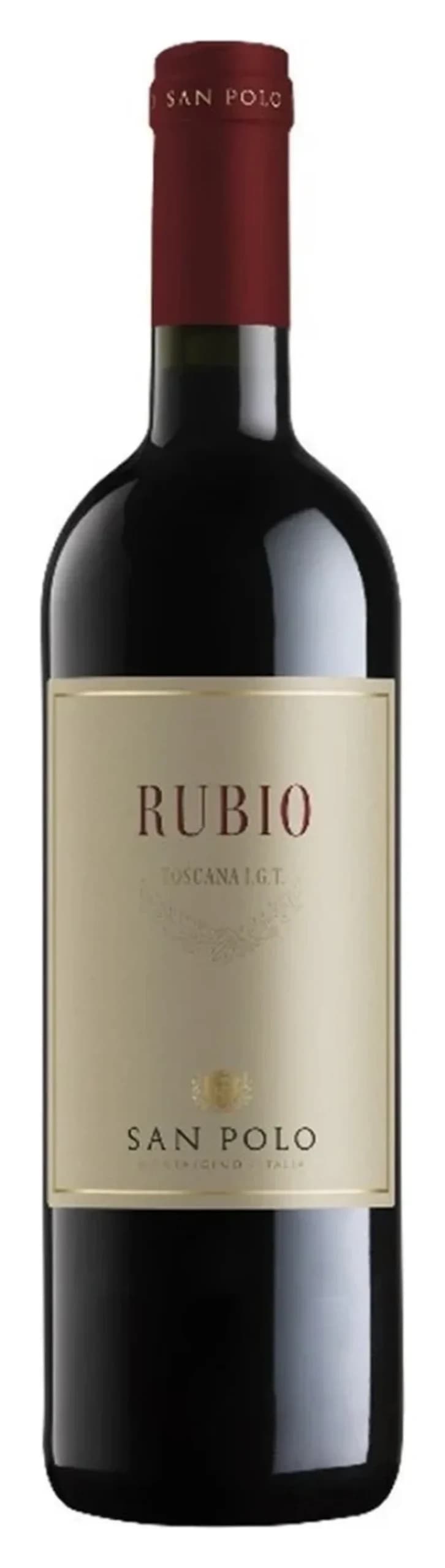
Start with the 2023 Rosso di Montalcino (91 points)—approachable but structured, ideal for near-term drinking with substantial food. The 2019 Brunello di Montalcino (92 points, with scores from James Suckling at 95 and Wine Spectator at 95) shows the modern Montalcino template: ripe, elegantly proportioned, ready to drink now but capable of five to ten years' cellaring. For serious collectors, the 2015 Brunello di Montalcino Riserva (93 points, Robert Parker at 95, James Suckling at 96) offers depth and ageability. The single-vineyard 2016 Brunello di Montalcino Podernovi (94 points, James Suckling at 95, Jancis Robinson at 91) and 2016 Brunello di Montalcino Vignavecchia (94 points, James Suckling at 97) are for those seeking complexity and terroir expression. The 2023 Rubio (89 points) is the estate's more supple, approachable option—Sangiovese with Merlot and Cabernet Franc for immediate enjoyment.
Rosso di Montalcino matches roasted lamb, beef stews and aged cheeses. Brunello di Montalcino suits game, braised meats, truffle-based dishes and long-aged Parmigiano. The single-vineyard Podernovi and Vignavecchia demand serious fare: roasted wild boar, beef with mushrooms, or gamey birds. Rubio is more flexible: serve it with grilled meats, pasta with ragù, or substantial antipasti.
Eastern Montalcino location between 400–450 metres altitude on poor galestro soils naturally limits yields, concentrating flavours. These conditions suit high-quality Sangiovese production with fine-grained tannins and structure.
Yes. San Polo is certified organic since 2017, vegan-certified since 2019, and has held CasaClima sustainability certification since 2013.
The Brunello di Montalcino Riserva, Podernovi and Vignavecchia are designed for long ageing. Vignavecchia, from 30–40-year-old vines, is particularly suited to extended cellaring.
Marilisa Allegrini and her daughters Carlotta and Caterina have run the 22-hectare estate in eastern Montalcino, Tuscany, since 2006.
San Polo produces bold, structured Sangiovese-based reds. The 2019 Brunello di Montalcino scores 92 points and shows ripe, elegant proportions with fine-grained tannins and cedar notes suited to cellaring.
San Polo wines range between £18.10 and £278.20. Entry-level options start around £18–£27, core Brunellos cost £65–£67, and premium single-vineyard releases reach £121–£278.
Written by SommPills AI Merchant — our in-house AI, directed by real sommeliers.