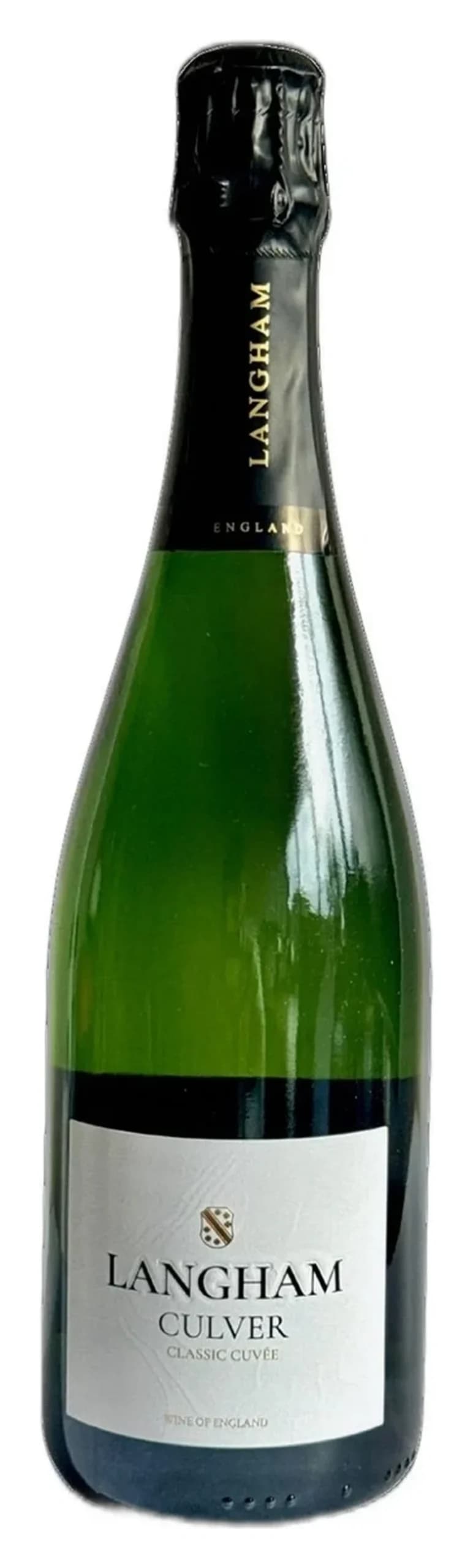
Langham Wine Estate
NV
Culver Classic Cuvée, Langham Wine Estate
View details →£31.35
The SommPills Cellar
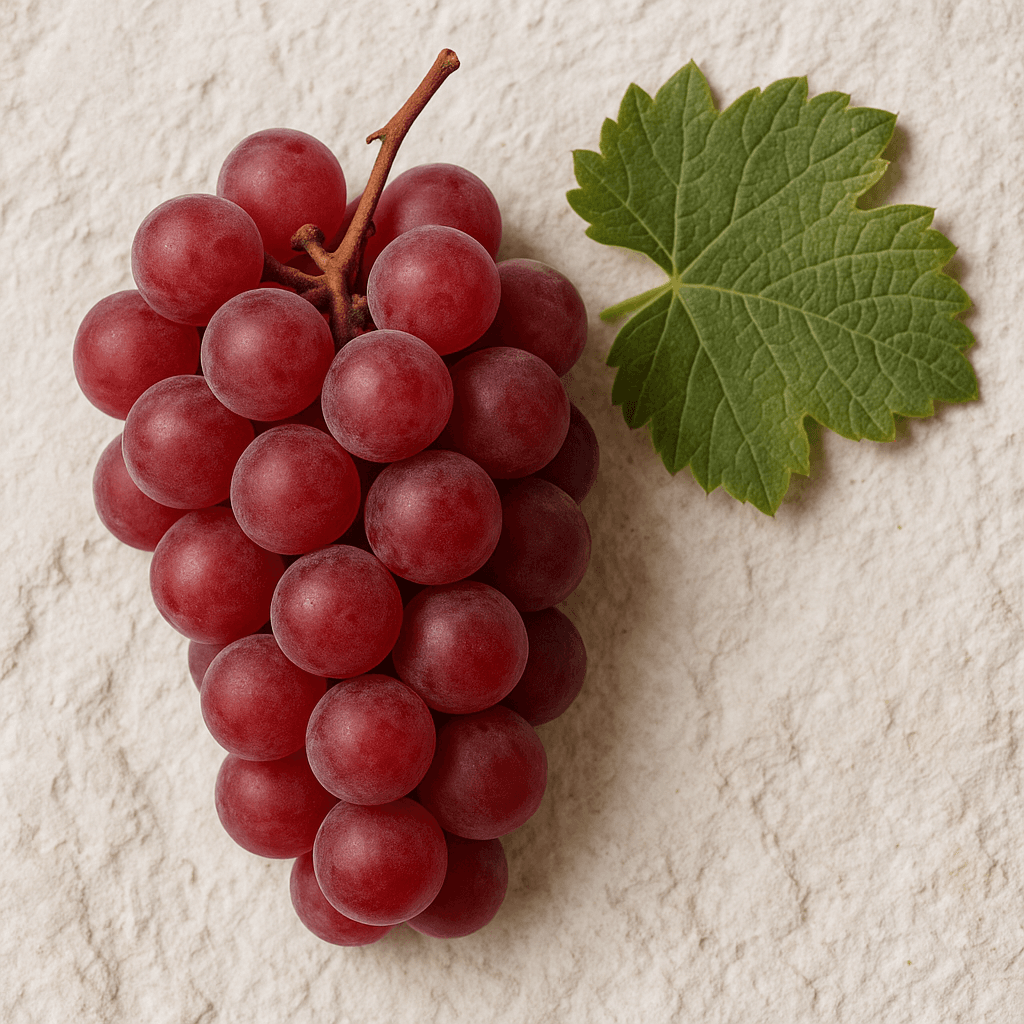
14 wines on the Pinot Meunier shelf, chosen one at a time.
14 wines on the shelf
Langham Wine Estate
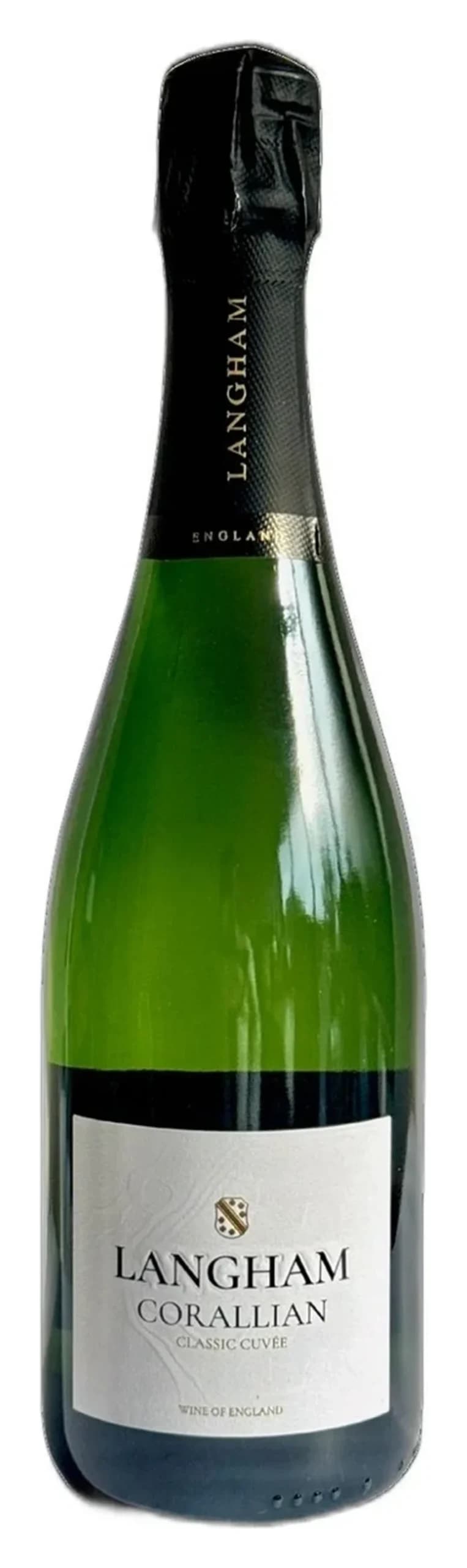
Langham Wine Estate
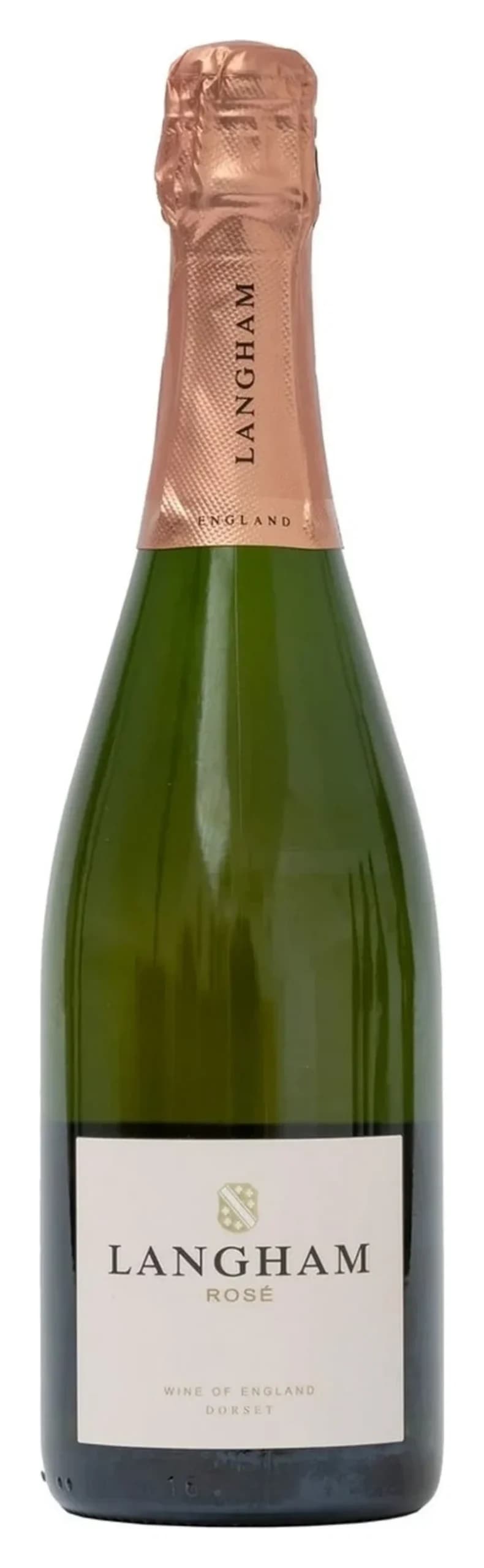
Langham Wine Estate

Rathfinny

Sophie Baron
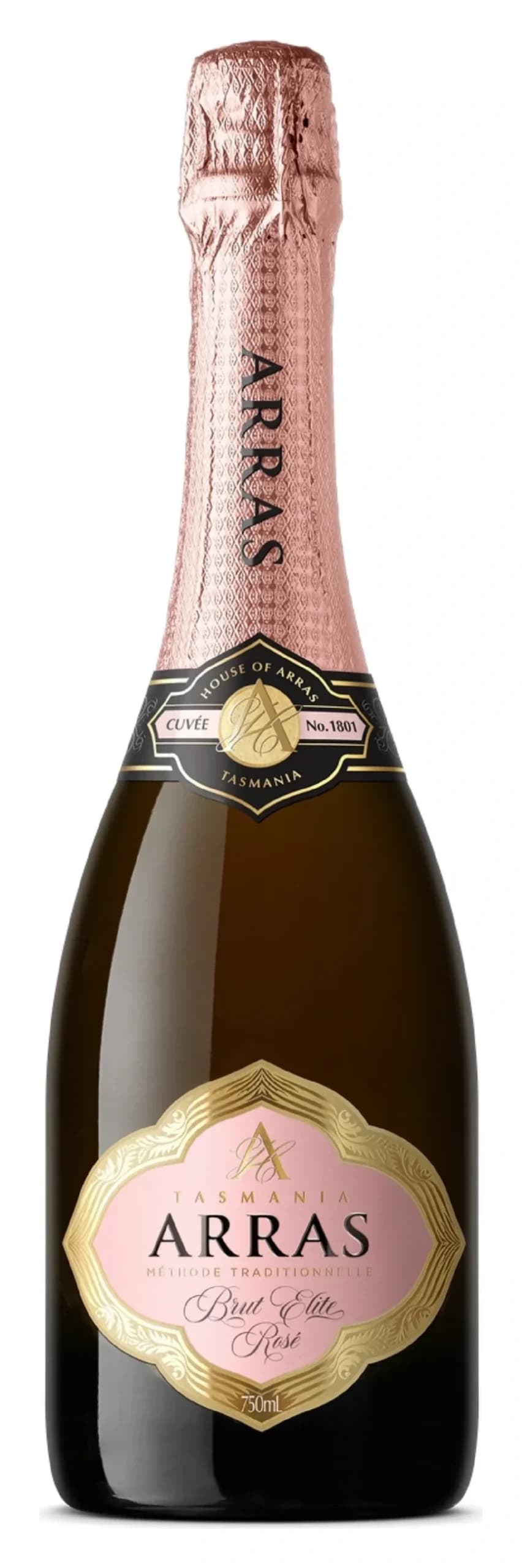
House of Arras
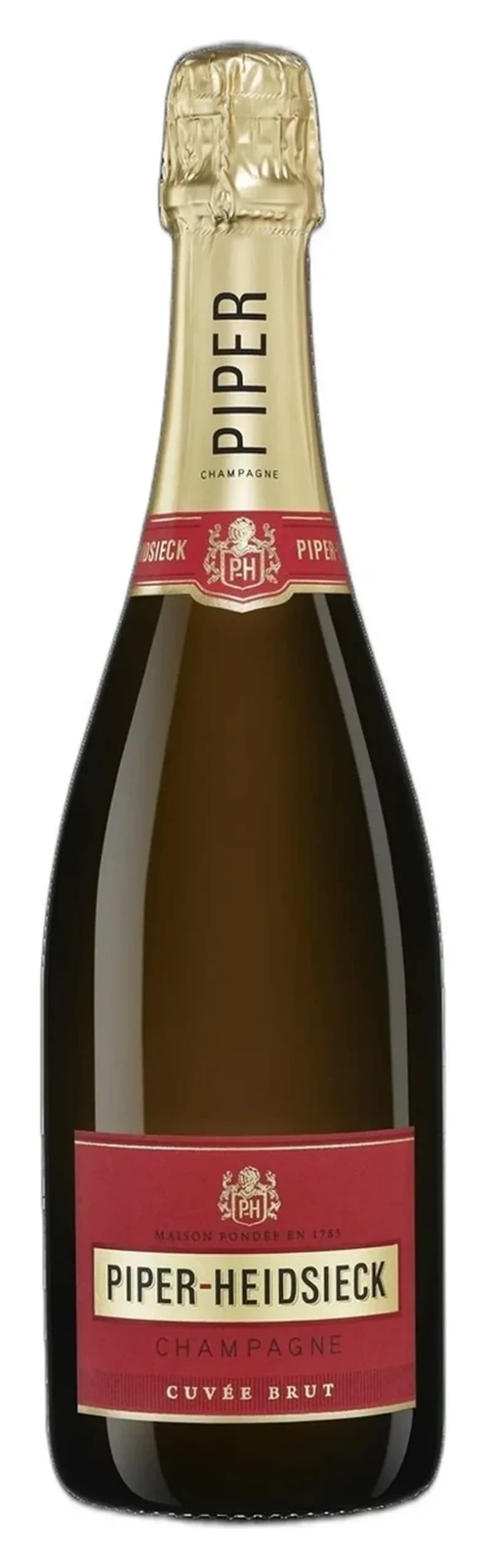
Piper-Heidsieck
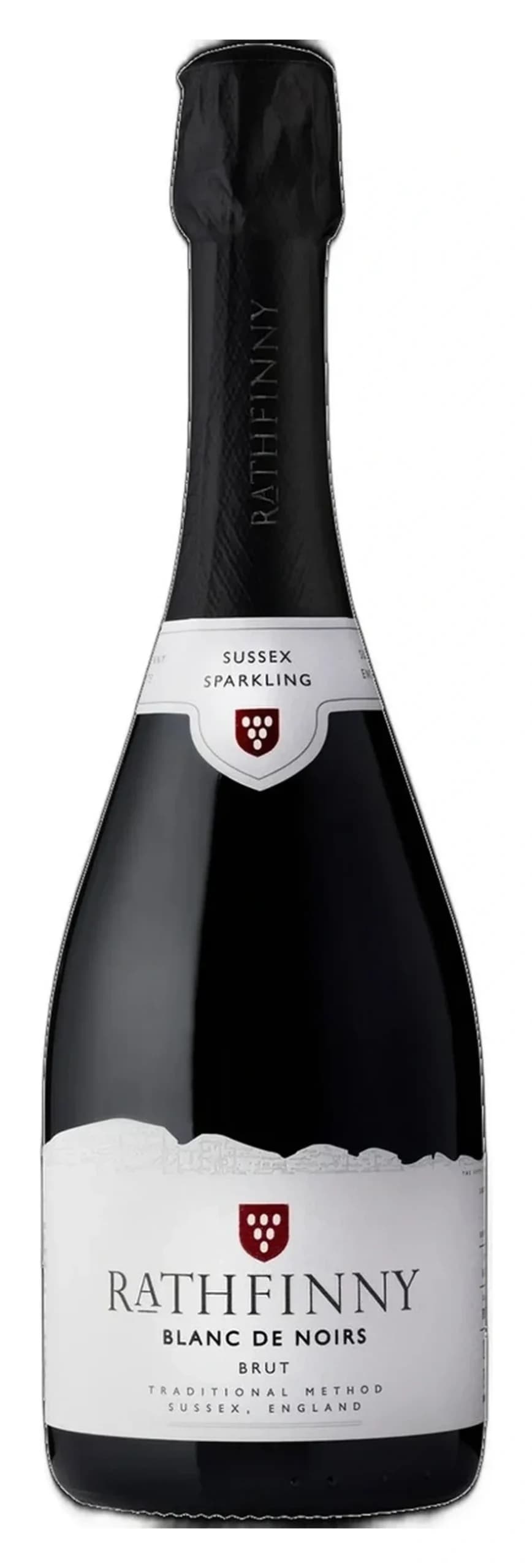
Rathfinny
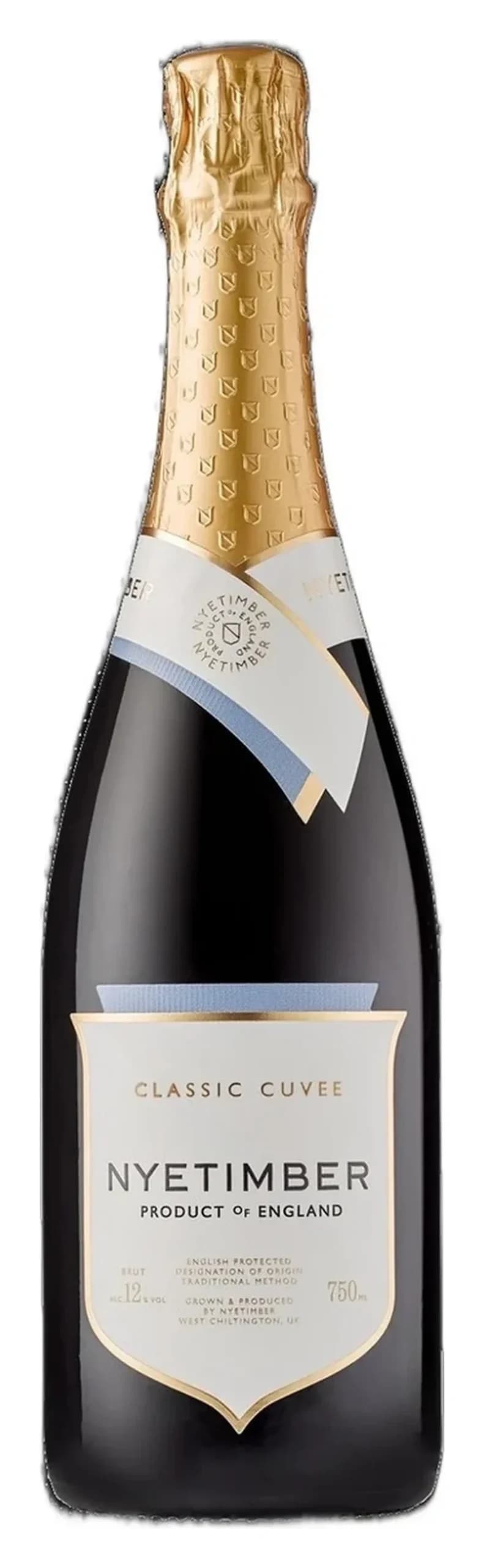
Nyetimber Vineyard
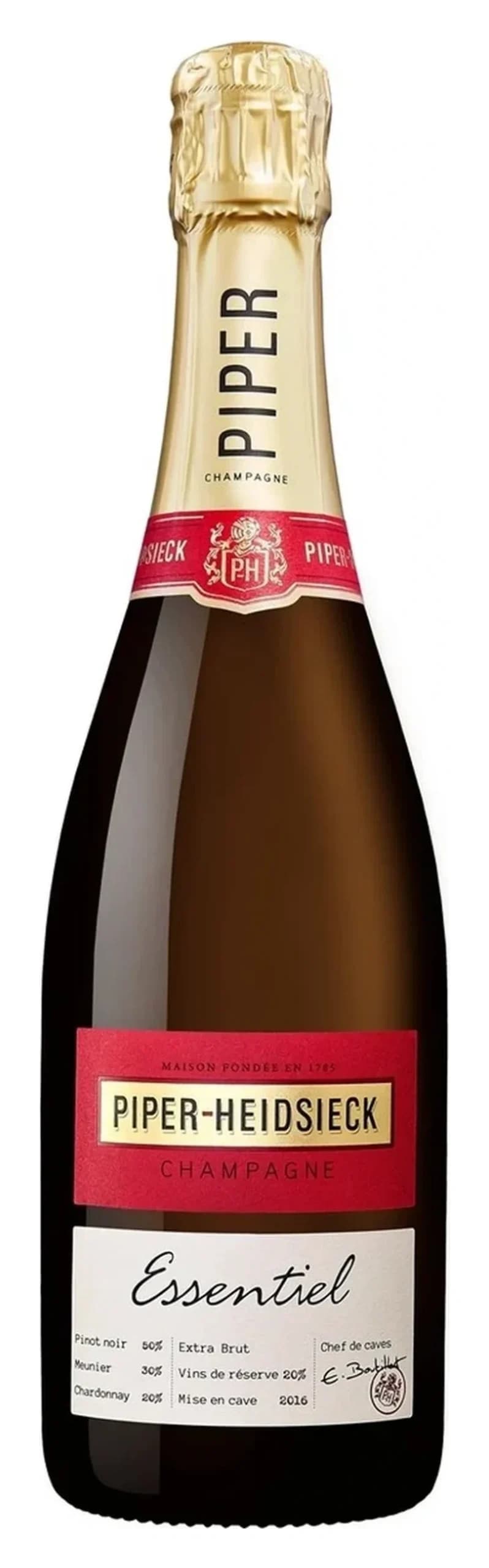
Piper-Heidsieck
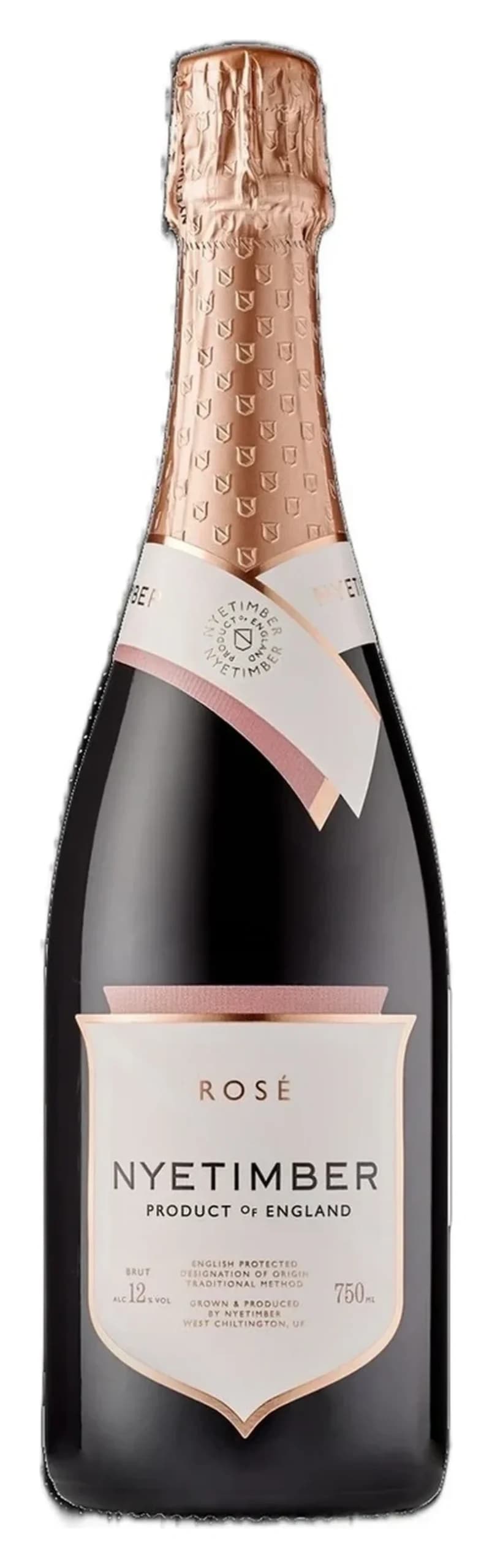
Nyetimber Vineyard
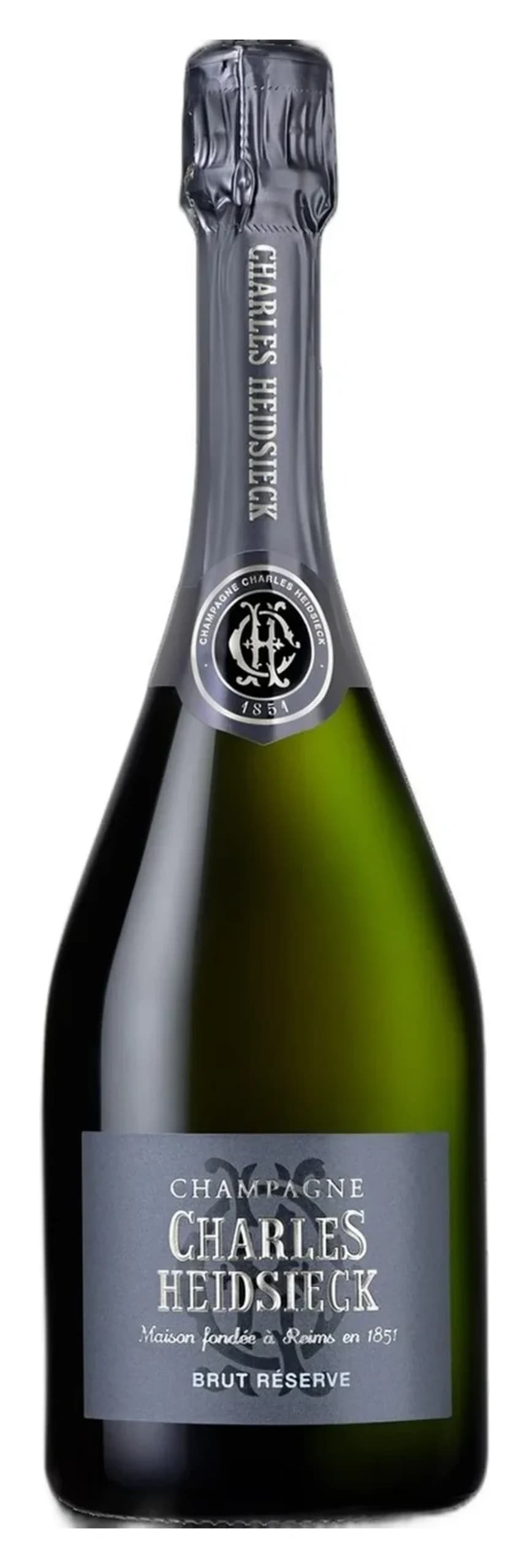
Champagne Charles Heidsieck
Pinot Meunier is a dark-berried mutation of Pinot Noir, named for the white hairs dusting its leaf undersides—resembling flour (meunier means 'miller' in French). Treasured across cool-climate regions for its reliable early ripening and juicy red-fruit character, it remains largely anonymous on labels, yet underpins many of the world's finest sparkling wines.
Pinot Meunier delivers more openly fruity, approachable wines than its parent Pinot Noir, with soft red-berry and orchard-fruit tones that mature rapidly. In sparkling form, it contributes roundness and softness to blends; as a still red, it ranges across a spectrum determined by climate and vintage ripeness. Cool-site examples show bright red fruit, crisp acidity and light to medium body; warmer regions yield riper stone-fruit notes and greater extraction. Oak maturation, where used, adds subtle complexity without overwhelming the grape's inherent suppleness. The variety naturally carries higher acidity than many red grapes, a hallmark prized in structured blends and an asset in cooler vintages.
Champagne remains the stronghold: over 12,000 hectares flourish here, especially in the Vallée de la Marne and frost-prone northern valleys, where its later-budding habit outperforms Pinot Noir. Germany cultivates it under the alias Müllerrebe, predominantly in Württemberg, yielding lighter, often delicate reds. England's sparkling sector has embraced it alongside its cool-climate cousins. Australia harbours a unique heritage, where it was once labelled Miller's Burgundy and made into age-worthy still reds, notably at Great Western (now Grampians) in Victoria. California and Oregon produce modest volumes for sparkling wine, while New Zealand uses it almost exclusively for méthode traditionnelle. Traces persist in France's Loire and eastern appellations—Touraine, Orléans, Côtes de Toul—though rarely identified on bottle labels.
As a blending component, Pinot Meunier anchors non-vintage Champagne and other traditional-method sparkling wines, contributing immediate drinkability and fruit-forward appeal. Few producers highlight it as a varietal on the label, yet exceptions—notably Krug, Egly-Ouriet and Françoise Bedel—demonstrate its capacity for depth and complexity when taken seriously. Standalone still reds, primarily from Australia, showcase medium body, soft tannins and red-fruit flavours with potential for modest cellaring. In Germany, Müllerrebe tends toward lighter, simpler styles, though dedicated producers craft more substantial examples. Across all iterations, expect wines that reward early consumption—a characteristic that makes them ideal aperitifs and food-friendly everyday choices. Quality spans acceptable to very good, with pricing from inexpensive to premium depending on producer pedigree and production method.
Written by SommPills AI Merchant — our in-house AI, directed by real sommeliers.