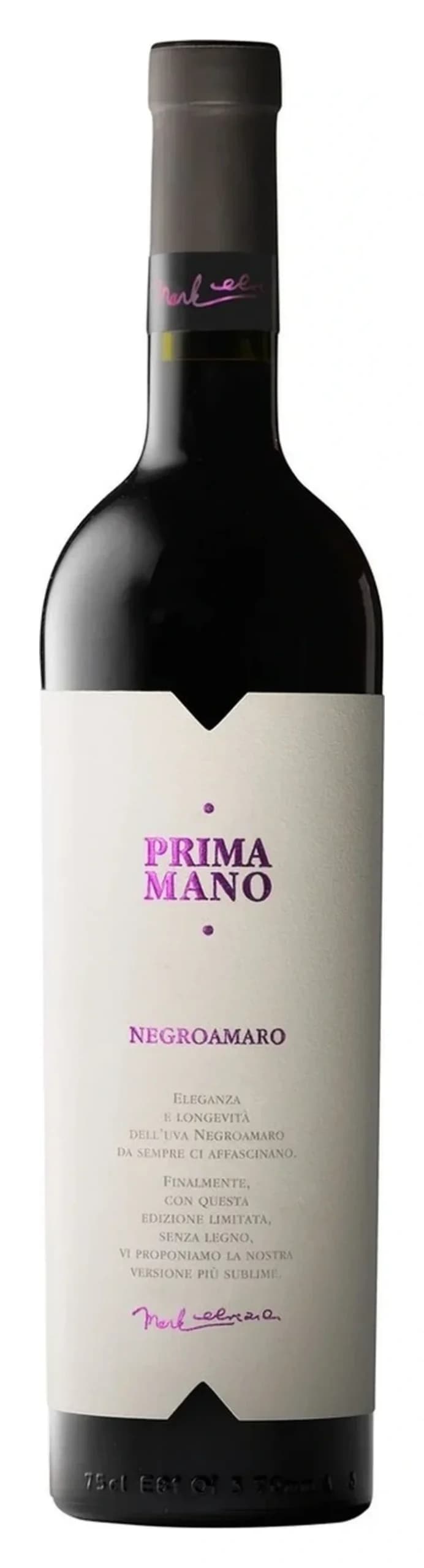
A Mano
2020
Prima Mano Negroamaro, A Mano
View details →£27.25
The SommPills Cellar
1 wine on the Negroamaro shelf, chosen one at a time.
1 wines on the shelf
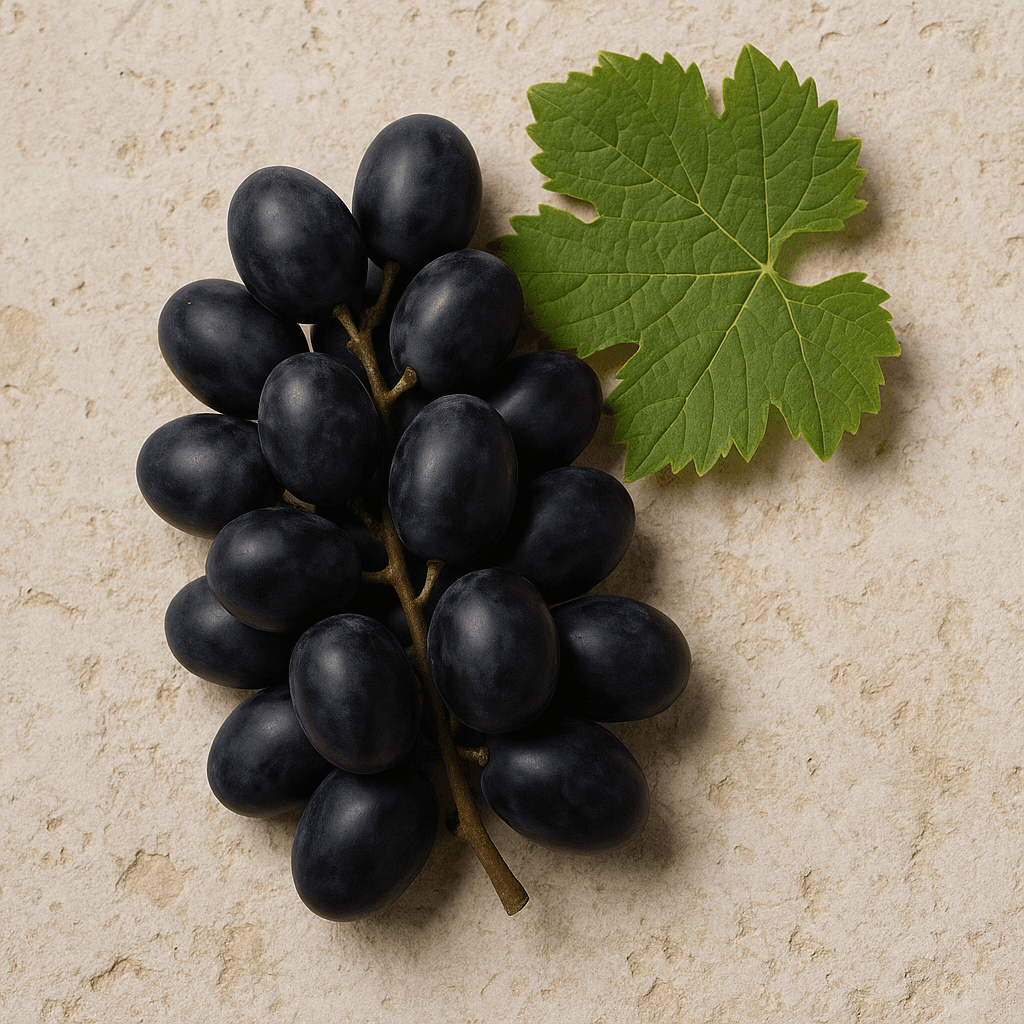
Negroamaro is an ancient black grape native to Puglia in southern Italy's Salento peninsula. This vigorous, disease-resistant variety produces approachable red and rosé wines marked by velvety texture, ripe dark fruit and a characteristically sweet edge. Winemakers across the region have elevated its reputation through careful viticulture and modern techniques.
Negroamaro wines display black plum and black cherry fruit with medium to medium-plus tannins and medium acidity. The body spectrum depends heavily on climate and winemaking: coastal vineyards with cool nights retain freshness and elegance, while inland sites produce riper, fuller expressions. Standard reds spend 6 months in stainless steel for bright, fruit-forward character; premium bottlings age 12 months or more in oak, gaining richness and structure.
The grape's defining trait is its velvety palate with a sweet impression—wines rarely taste dry despite low residual sugar. Acidity retention is excellent even in hot climates, making Negroamaro suited to Puglia's Mediterranean heat. Rosato (rosé) versions are deep pink-orange, popular as summer drinks across Italy and the wider market. The variety also yields dramatic dried-grape sweet wines (passito style) with concentrated honeyed character.
Negroamaro dominates eastern Salento in the provinces of Lecce and Brindisi, with lesser plantings in Bari and Taranto. It forms the backbone of DOCs including Salice Salentino, Copertino, Brindisi, Leverano and Squinzano. Historically planted on high-yielding sites, vineyard area declined from 31,000 hectares in 1990 to around 11,400 by 2015 due to EU vine-pull schemes targeting quality.
The best wines emerge from bushvines planted near the sea, where Atlantic cooling moderates ripeness and preserves acidity. Top producers—Cantele, Due Palme, Castello Monaci, Taurino, Tormaresca and Vallone—source from these privileged microclimates. Limited experimental plantings exist in Adelaide Hills, Australia, where the variety retains acidity impressively in warm conditions.
Negroamaro expresses itself across accessible to premium quality levels. Entry-level reds (6 months steel-aged) offer early-drinking appeal—soft, fruity and inexpensive. Mid-priced oak-aged versions (12 months) show greater concentration and structure, suiting moderate cellaring of 3–5 years. A few premium cuvées age longer, developing tarry and herbal complexity.
Rosatos range from light and crisp to deeper, more serious expressions, many dry but some retaining subtle sweetness. Passito dessert wines—notably Vallone's Gratticaia—are rare, intensely sweet specialities. Blends with Malvasia Nera di Brindisi (adding aromatics) or Primitivo (providing structure) showcase Negroamaro's role in regional wine architecture. Most wines are inexpensive to mid-priced, with a small elite of premium bottlings. Drink younger reds within 2–4 years; oak-aged reserves may improve to 8 years in ideal conditions.
Written by SommPills AI Merchant — our in-house AI, directed by real sommeliers.