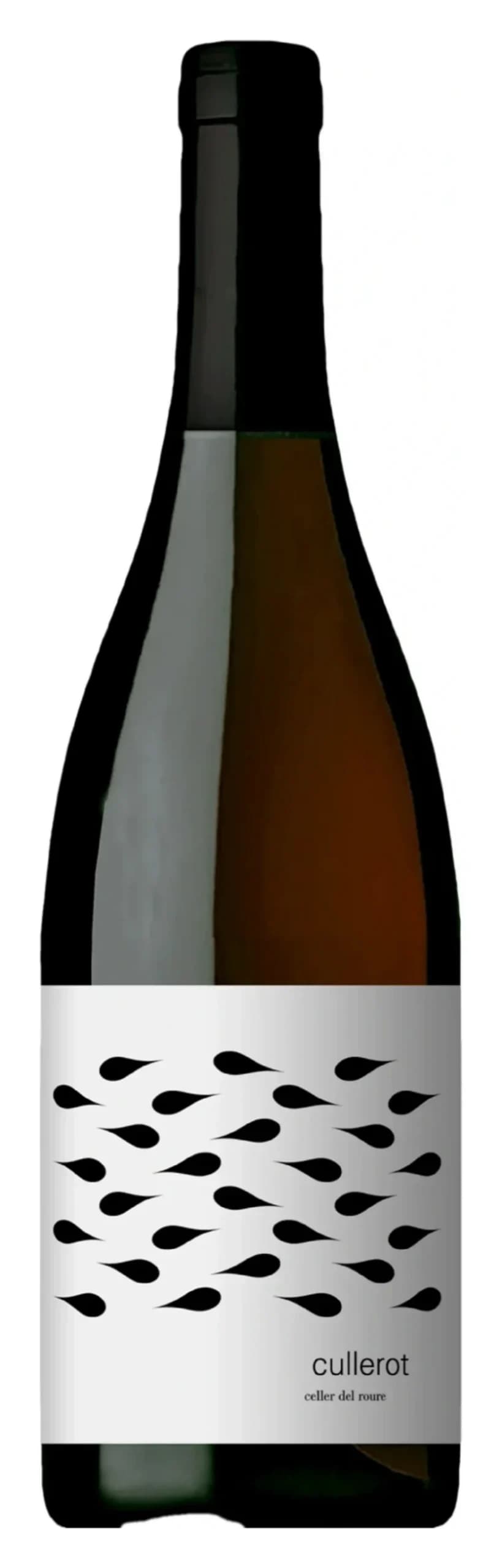
Celler del Roure
2024
Cullerot, Celler del Roure
View details →£18.55
The SommPills Cellar
5 wines on the Viura & Macabeo shelf, chosen one at a time.
5 wines on the shelf
Celler del Roure
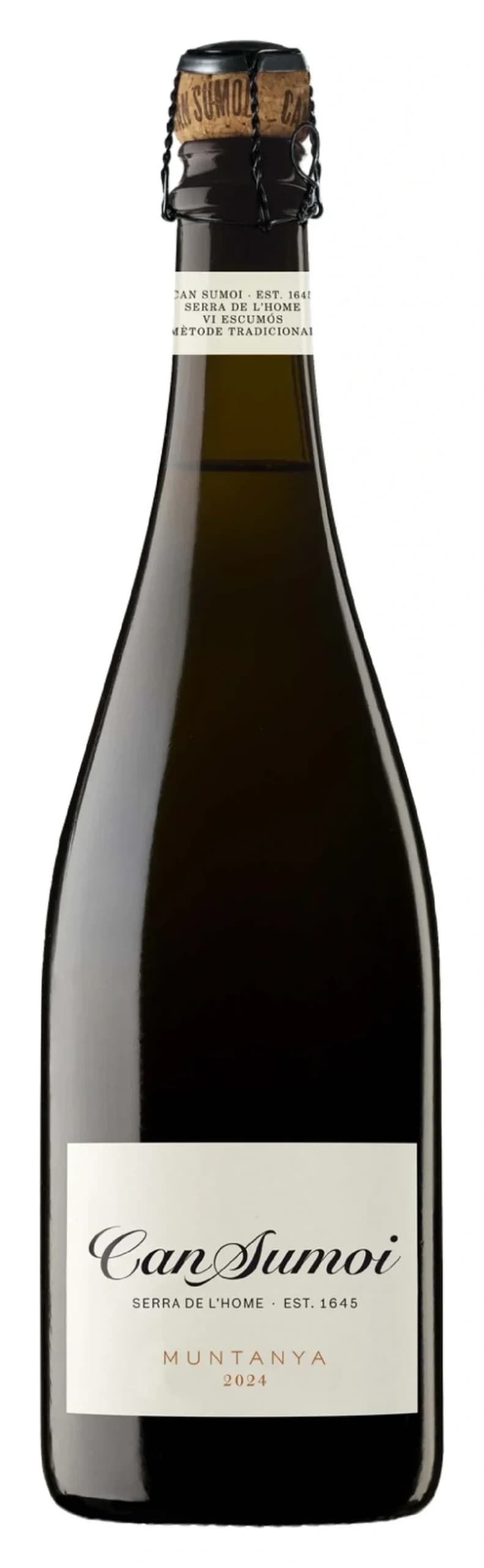
Raventos i Blanc
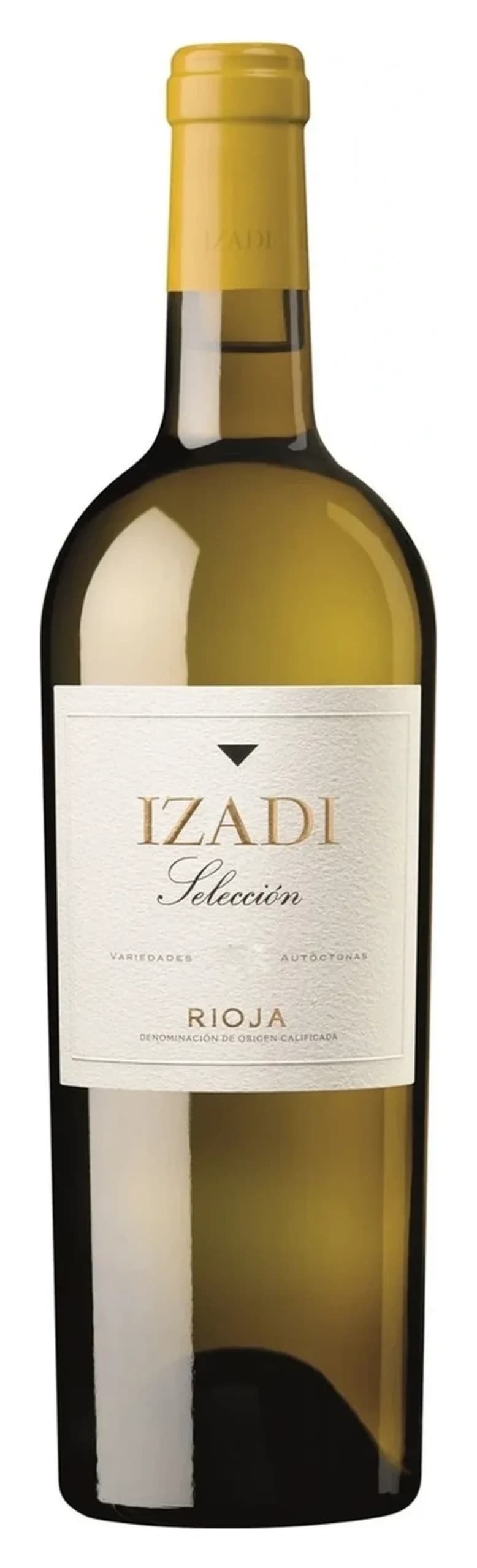
Bodegas Izadi
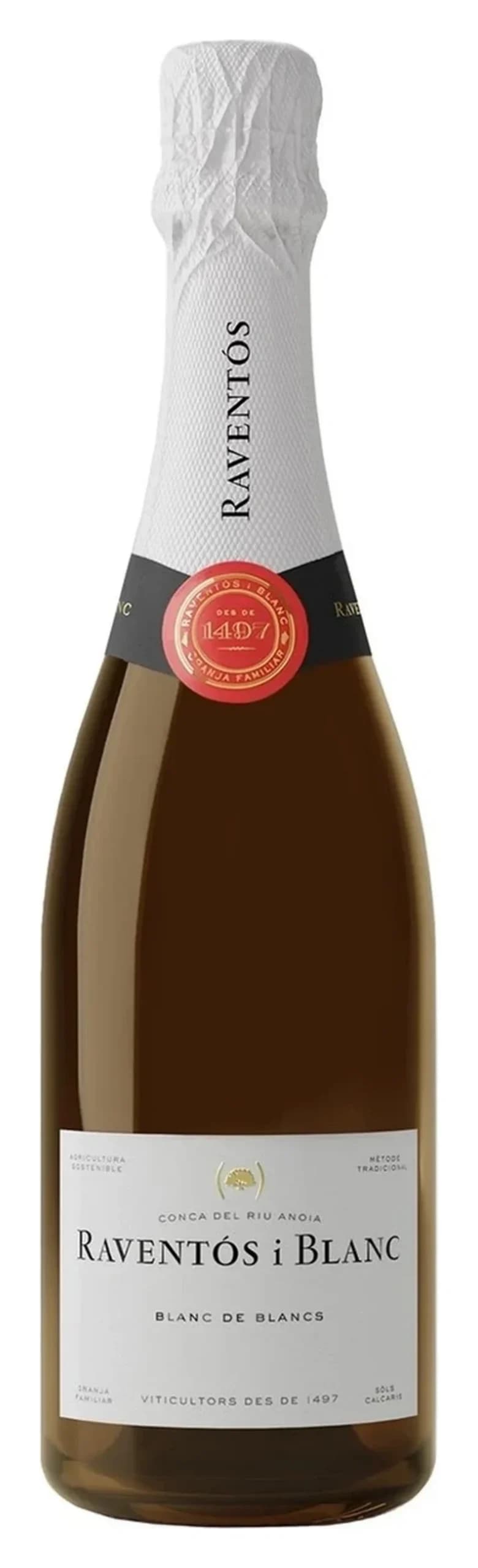
Raventos i Blanc
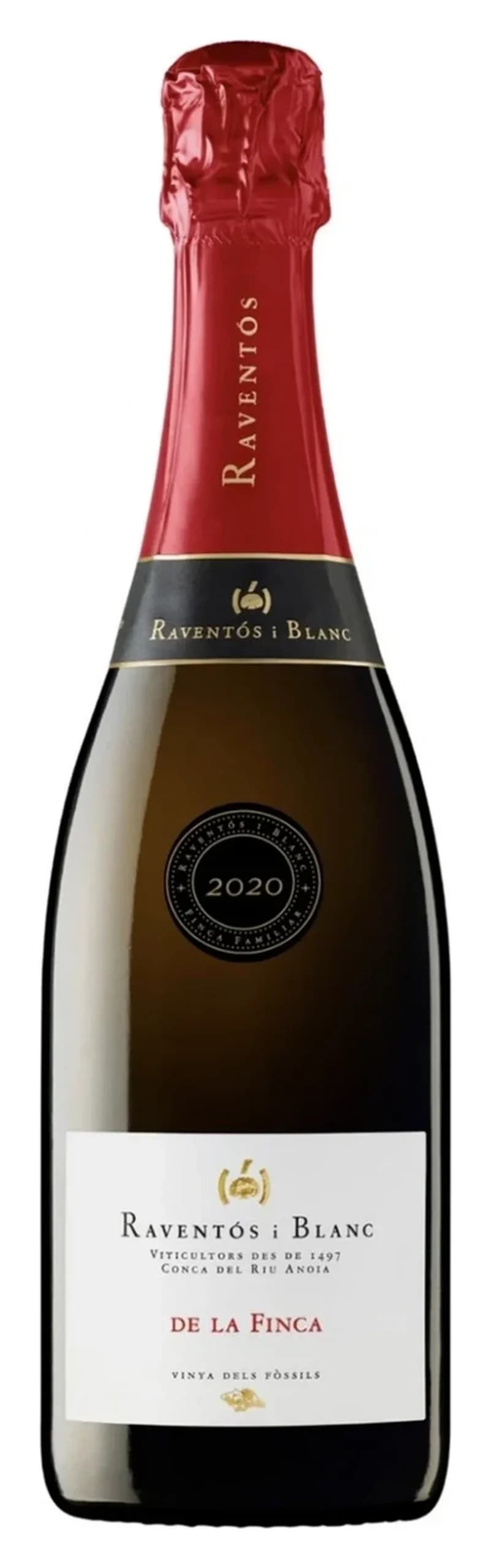
Raventos i Blanc
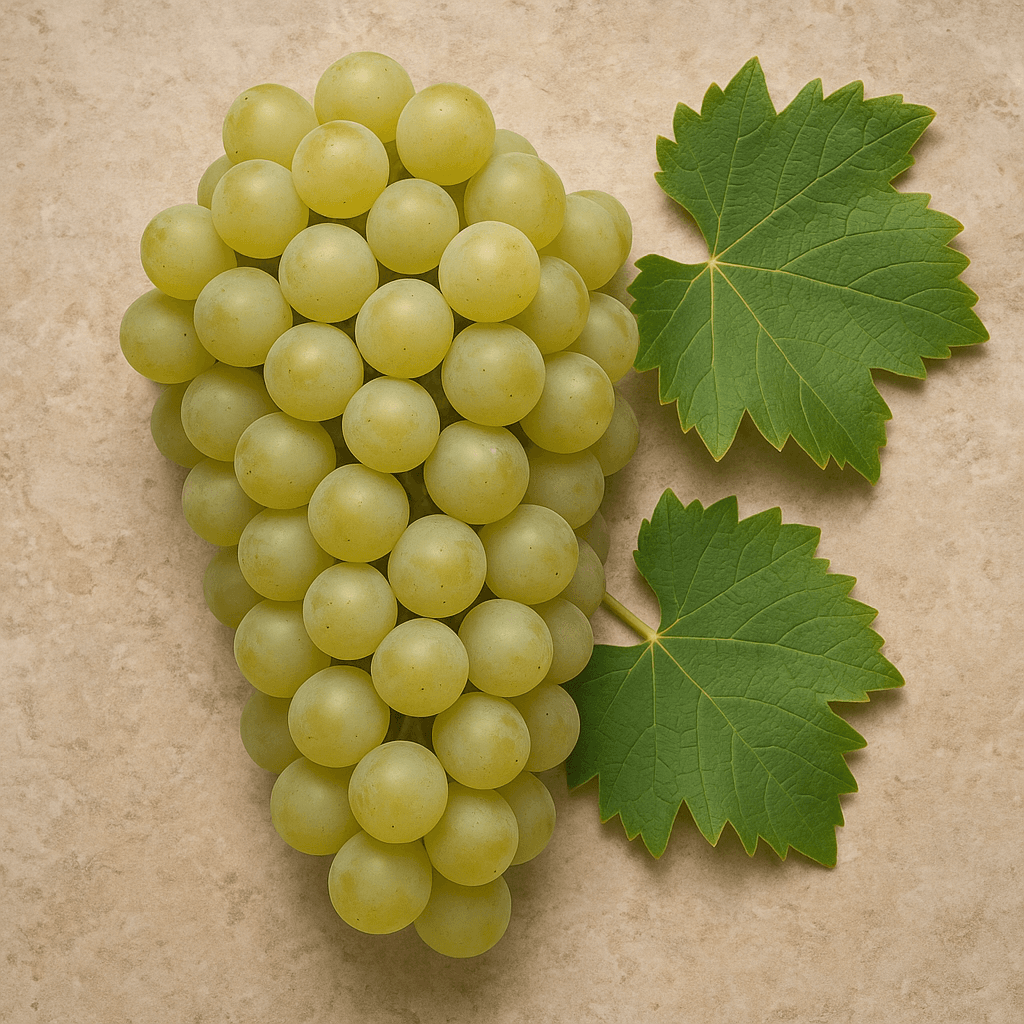
Viura & Macabeo stands as northern Spain's most extensively planted white variety, prized across regions for its ability to express radically different profiles—from lean, refreshing wines to richly textured oak-aged expressions. Known as Viura in Rioja and Rueda, and Macabeo (or Maccabéo) in Catalonia and southern France, this single grape showcases how site, harvest timing and cellar choices shape final style.
Young, unoaked Viura & Macabeo typically displays delicate floral aromas alongside crisp citrus—lemon and grapefruit—with occasional stone fruit nuance. The palate leans toward medium acidity and light to medium body, though these are not fixed traits. Early-harvested fruit from cooler vineyards produces wines of lean structure and zesty finesse; riper, sun-exposed fruit yields rounder, fuller-bodied wines with higher alcohol and softer acidity. At low yields, the variety responds exceptionally to barrel fermentation and oak ageing, developing golden hues, honeyed depth and subtle nuttiness that can evolve for years.
In traditional Rioja styles, matured Viura shows tertiary complexity—dried fruits, nuts, caramel—balanced by retained acidity. Conversely, when fermented in stainless steel at cool temperatures, the grape produces simple, approachable whites meant for immediate consumption. This spectrum reflects both viticultural constraint and deliberate winemaking strategy: late budding and ripening, combined with susceptibility to botrytis, require warm, dry sites to thrive.
Viura & Macabeo dominates Catalonia, where it accounts for roughly 37% of Cava's vineyard plantings—a dominance that reflects the variety's suitability for traditional-method sparkling production near Barcelona and Penedès. In Rioja, older vines—often replanted post-phylloxera—occupy a significant portion of white plantings, concentrated at elevations of 425m and above where cool mountain air preserves the bright acidity essential to age-worthy white Rioja. The variety also thrives in Aragón and Rueda, where altitude and cool nights preserve structure. Across the Spanish interior, including Castilla-La Mancha, neutral renditions dominate bulk production. In southern France, Roussillon retains heritage plantings where the grape (as Maccabéo) participates in barrel-aged blends alongside Grenache Blanc and regional white varieties.
Viura & Macabeo spans a wide stylistic range. Entry-level bottlings—fermented in steel, minimal oak contact—deliver crisp, approachable whites for early drinking, particularly common in Catalonia and Castilla-La Mancha. Mid-range offerings, especially from Rioja, often employ barrel fermentation or brief oak maturation, yielding wines of subtle citrus complexity and improved ageing potential, best enjoyed within 3–5 years of release for optimal fruit expression. Premium tier examples, particularly from low-yielding old-vine sites in Rioja and Roussillon, are fermented and matured in barrel for 12 months or longer, developing layered tertiary character and gaining the structure to cellar gracefully for 10–20+ years. Cava and other traditional-method sparklings rely on this grape's high acidity and structural precision. Late-harvested, early-picked renditions from Roussillon contribute to pale dry rosés and fruit-forward whites, while concentrated, oak-aged styles from selective producers command premium pricing.
Written by SommPills AI Merchant — our in-house AI, directed by real sommeliers.