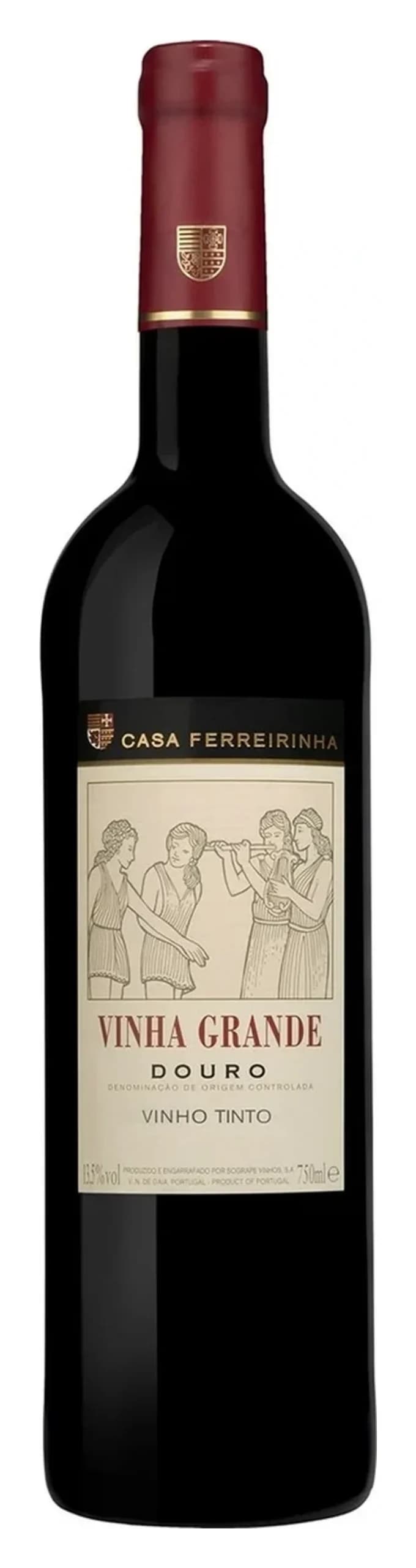
Casa Ferreirinha
2023
Vinha Grande Douro Tinto, Casa Ferreirinha
View details →£15.75£21.00 per litre
The SommPills Cellar
9 wines on the Tinta Barroca shelf, chosen one at a time.
9 wines on the shelf
Casa Ferreirinha
Sandeman
Sandeman
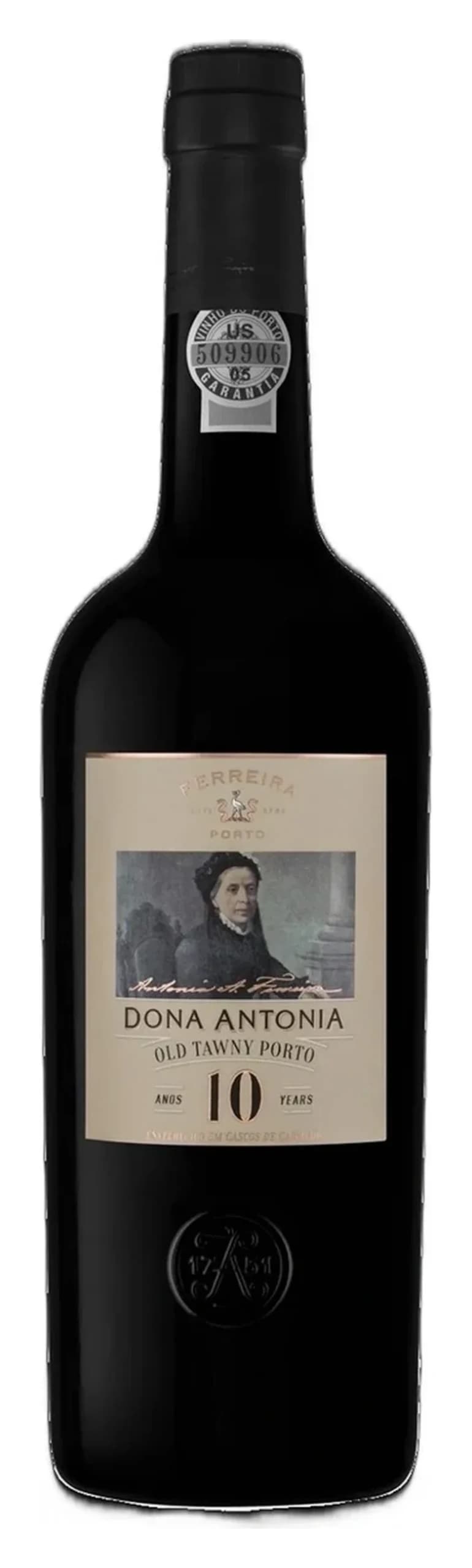
Porto Ferreira
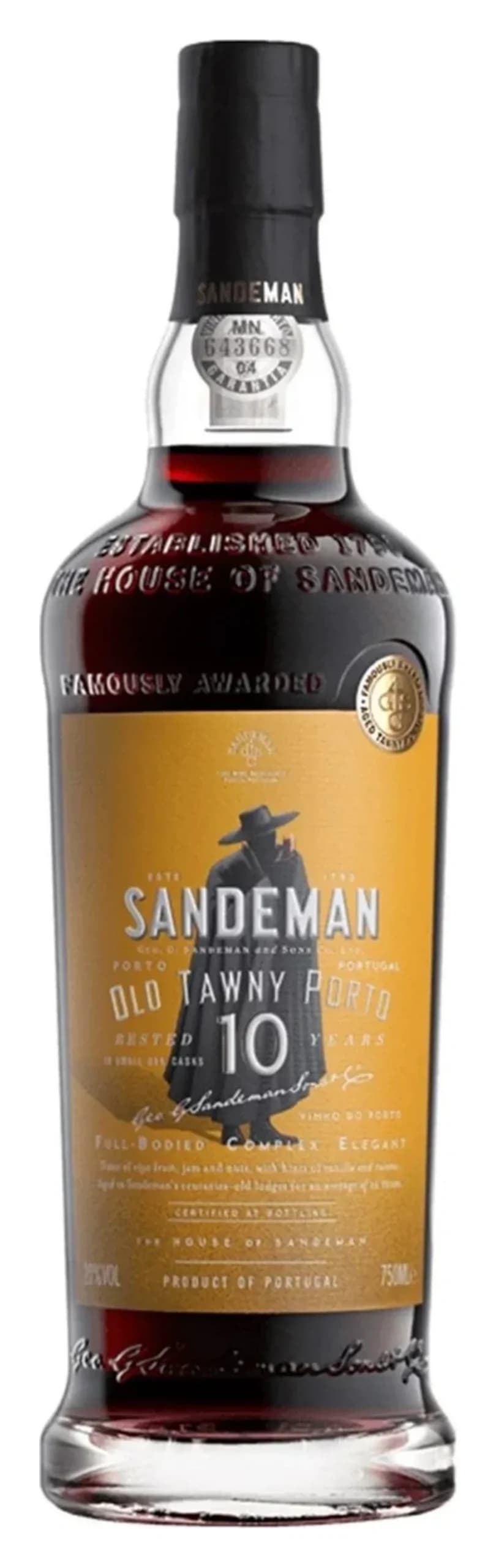
Sandeman
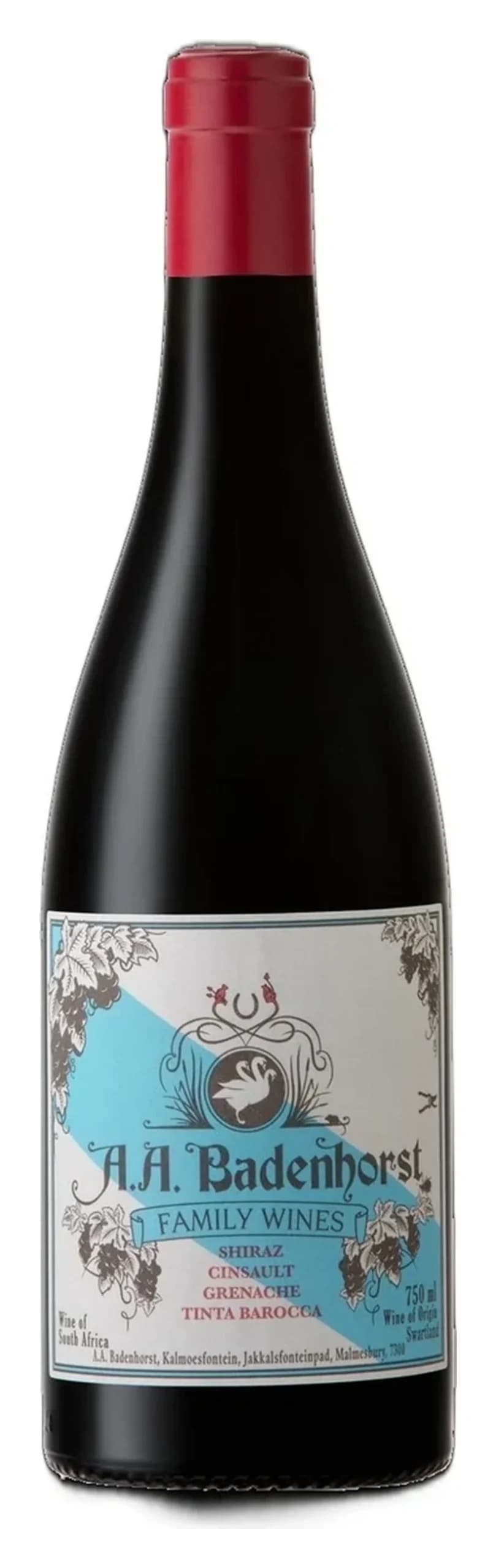
A.A. Badenhorst Family Wines
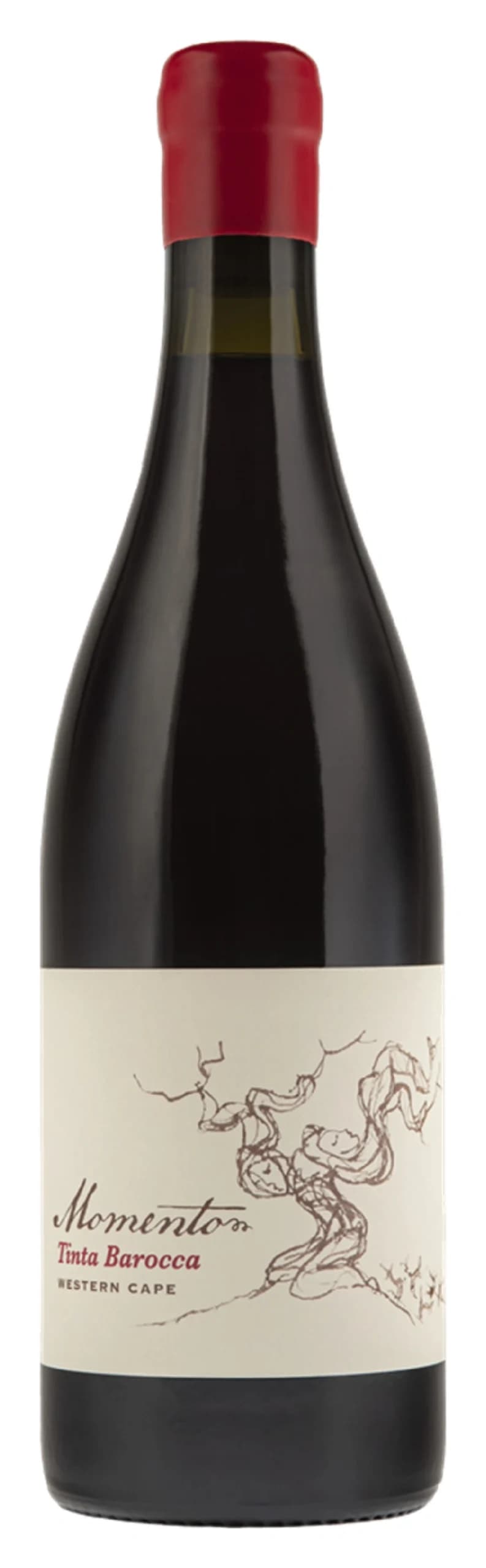
Momento Wines
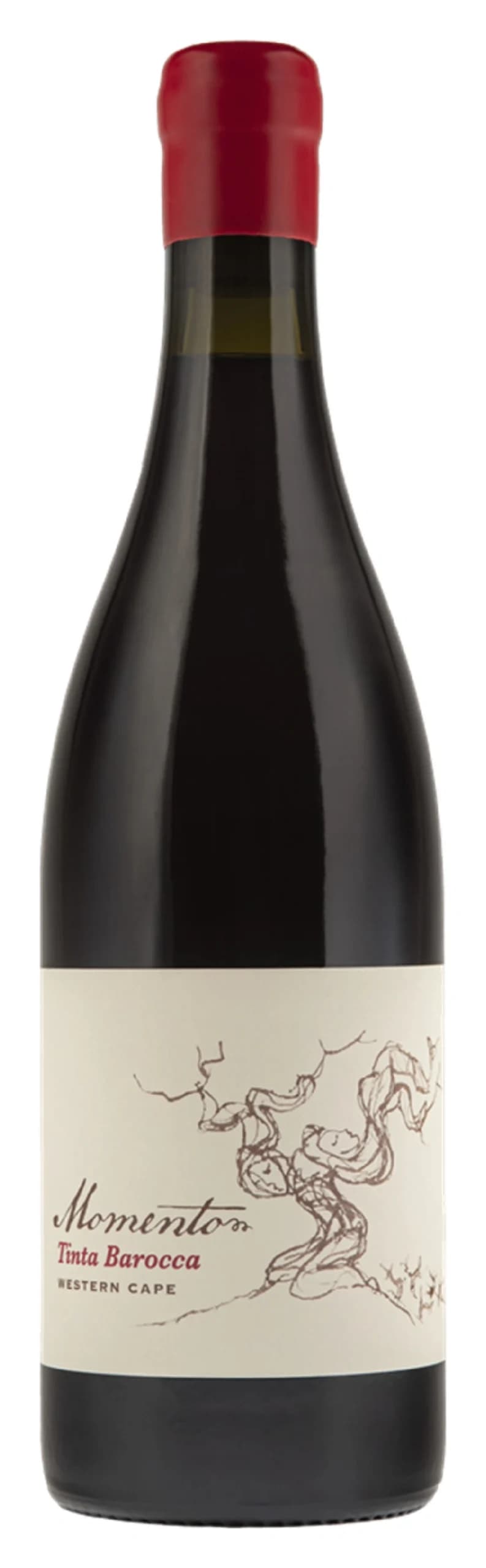
Momento Wines
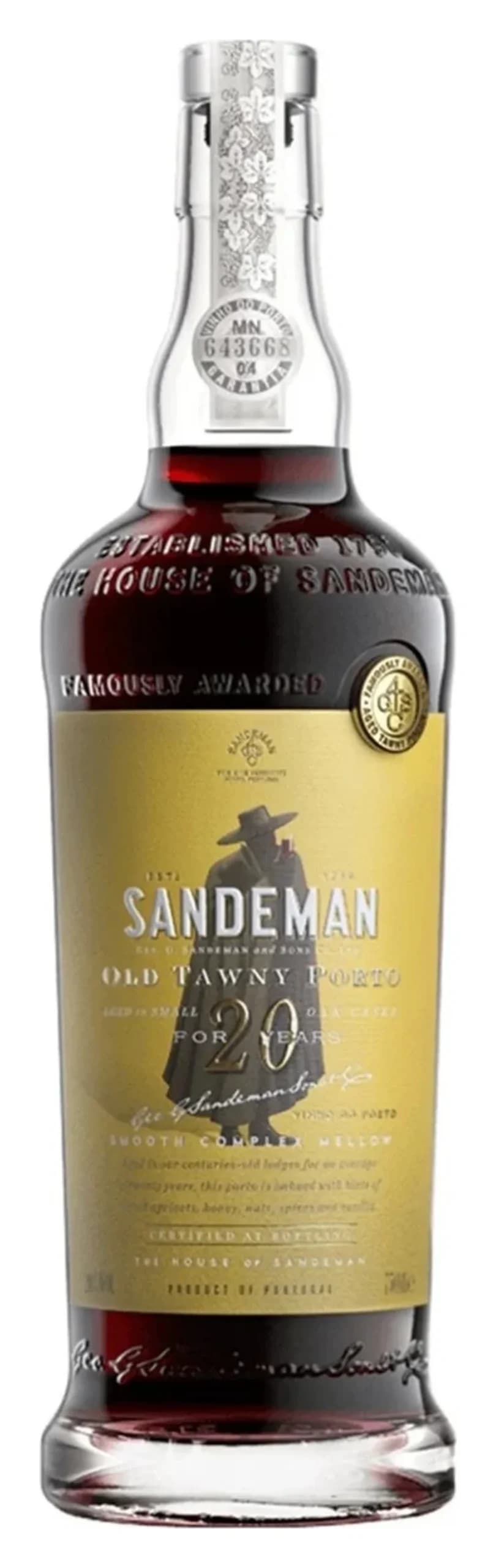
Sandeman
Tinta Barroca is the Douro grape that rarely takes the spotlight but quietly does a great deal of work: it ripens early, builds more sugar than any other Port variety and brings soft, generous fruit to a blend. In Portugal it is almost never bottled on its own, so a Tinta Barroca wine is nearly always a blend, and our shelf shows the grape at work in three ways: in aged and ruby Port, in a dry red from the Douro, and in a South African blend from the Swartland, where the grape has found a second home.
Growers favour it because it is productive, thick-skinned and reliably ripe, which is why it is often planted on higher, cooler, north-facing slopes where other varieties would struggle. On its own the wine is supple and reasonably structured, with an earthy, rustic edge and sometimes a jammy note. Alongside Touriga Nacional and Touriga Franca, which give firm structure and black fruit, Barroca fills out the middle of the wine with ripe sweetness. It makes up around 11% of the Douro's vineyards, just behind Tinta Roriz.
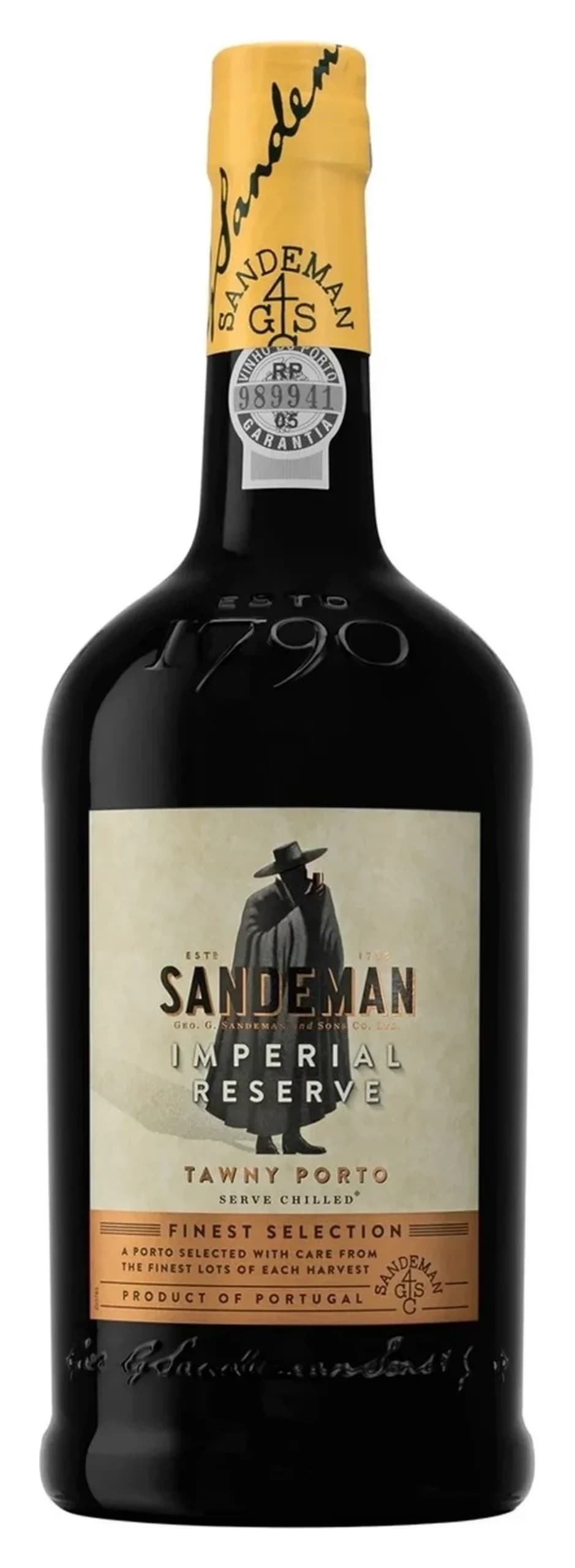
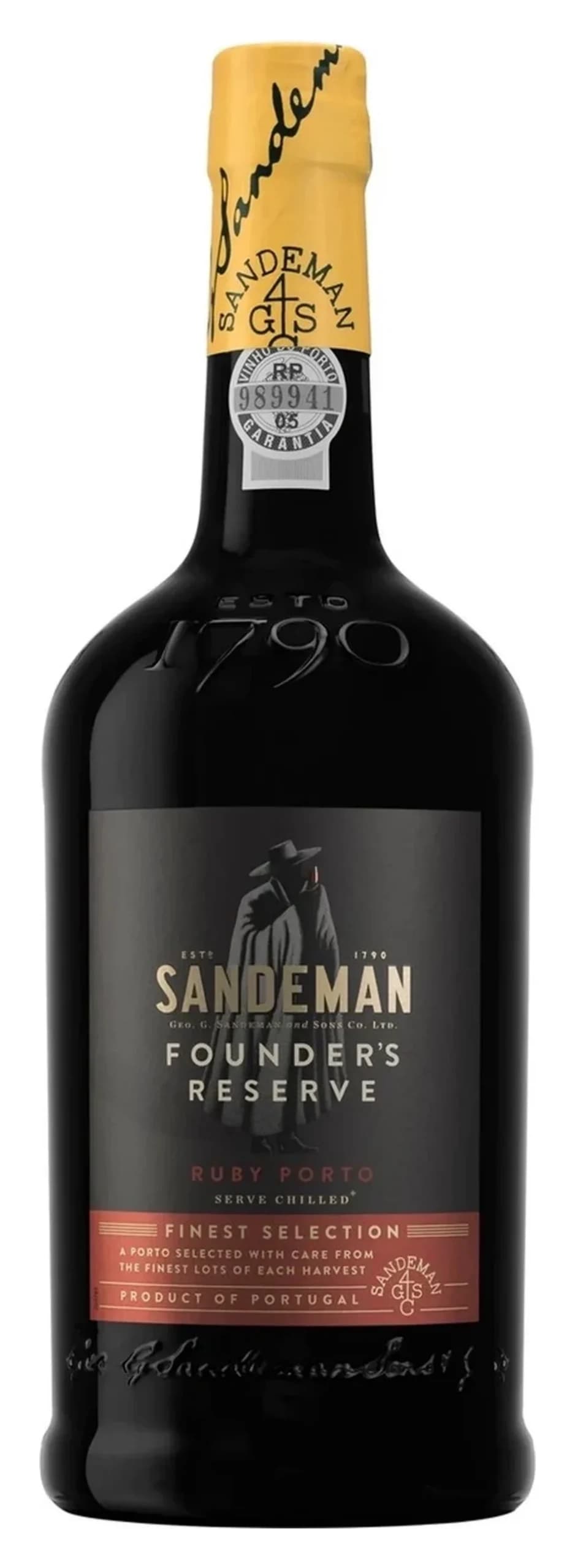
For Port, start with Ferreira's Dona Antónia 10-Year-Old Tawny, where Tinta Barroca makes up 30% of the blend. Founded in 1751, Ferreira is the oldest Portuguese Port house, and this tawny shows its class: roasted nuts, marmalade and caramel lifted by vibrant acidity, with 93 points from James Suckling. Sandeman offers a ladder to climb. The Founder's Reserve Ruby is all ripe strawberry and blackberry; the Imperial Tawny balances young fruit with nuts and vanilla; the 10-Year-Old adds raisins and caramel; and the 20-Year-Old (91 points) brings dried fruit, honey and cinnamon. For a dry red, Casa Ferreirinha's Vinha Grande blends 9% Tinta Barroca with the Tourigas and Tinta Roriz, from the house whose Barca-Velha started the Douro's table-wine revolution in 1952; expect raspberry, pepper and violet, rated 91 by James Suckling. Finally the outlier and our top scorer: Adi Badenhorst's Kalmoesfontein Red Blend from dry-farmed Swartland bush vines on granite, with 12% Tinta Barroca among Shiraz, Grenache, Mataro and Cinsault, given 94 points by both James Suckling and Tim Atkin. Find more from A.A. Badenhorst or our full Port wine range.
Pour the tawnies, lightly chilled, with crème brûlée, pecan pie or aged hard cheese, and save the ruby for dark chocolate or Stilton. The Vinha Grande suits roast lamb or a grilled steak, while the Kalmoesfontein, dense and savoury, wants slow-cooked lamb shoulder or braised beef on a cold night.
Rarely in Portugal, where it is almost always blended. South Africa is the exception: producers there make dry varietal Tinta Barroca, sometimes spelled Tinta Barocca, as well as port-style fortified wines.
It yields large crops of grapes with exceptionally high sugar levels and ripens early, giving richness and soft fruit to the blend. It is one of the main Douro varieties alongside the two Tourigas, Tinta Roriz and Tinto Cão.
Ruby is bottled young to keep its fresh red and black fruit. Tawny spends years in barrel, picking up nutty, caramel and dried-fruit flavours; an age such as 10 or 20 years on the label indicates the style.
Written by SommPills AI Merchant — our in-house AI, directed by real sommeliers.