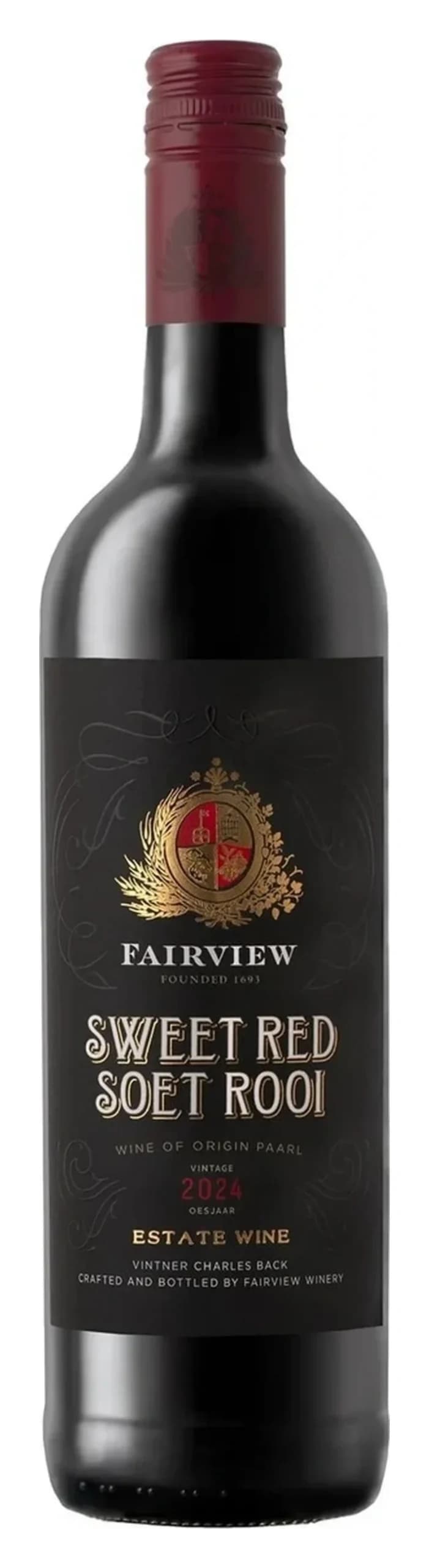
Fairview Wines
2024
Sweet Red Paarl, Fairview
View details →£21.60
The SommPills Cellar
4 wines on the Petite Sirah shelf, chosen one at a time.
4 wines on the shelf
Fairview Wines
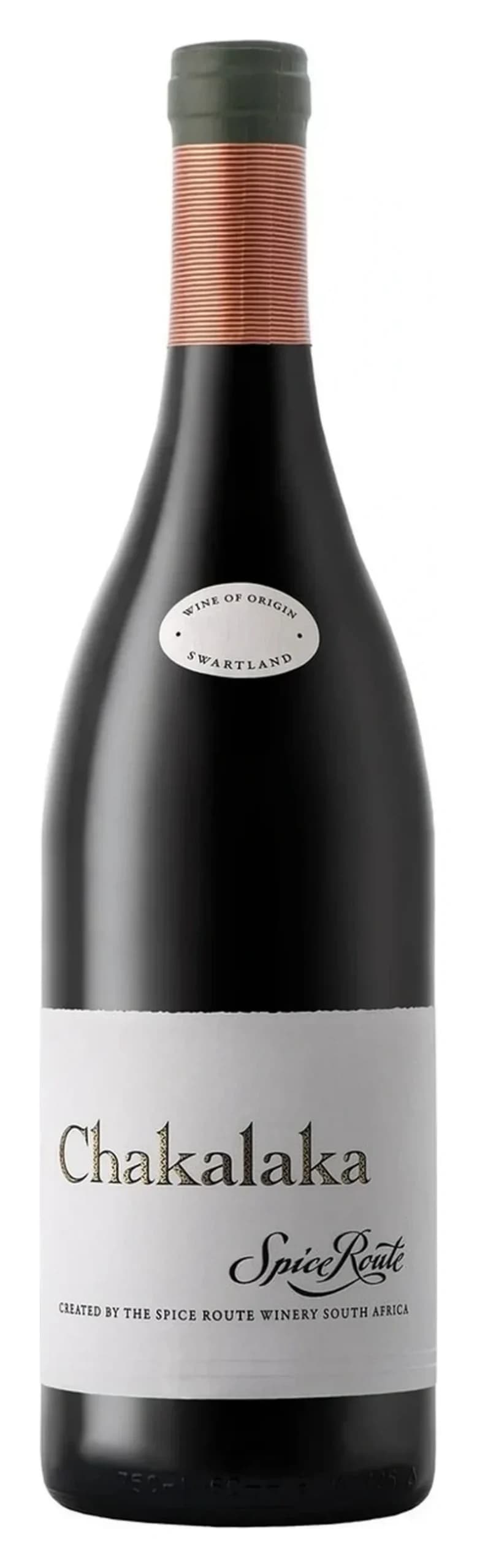
Spice Route Wines
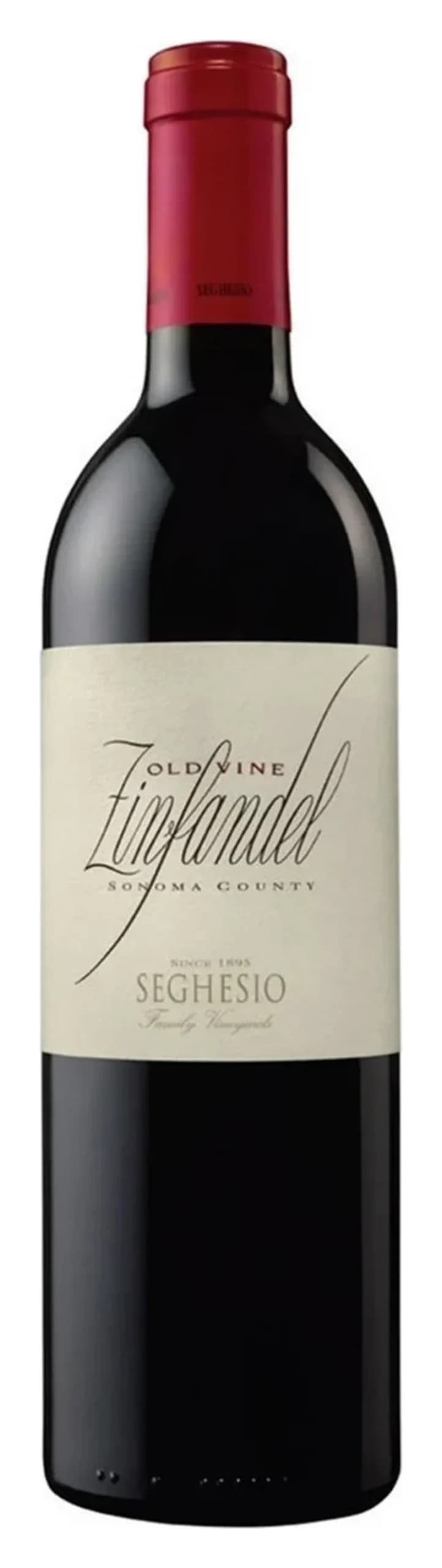
Seghesio Family Vineyards
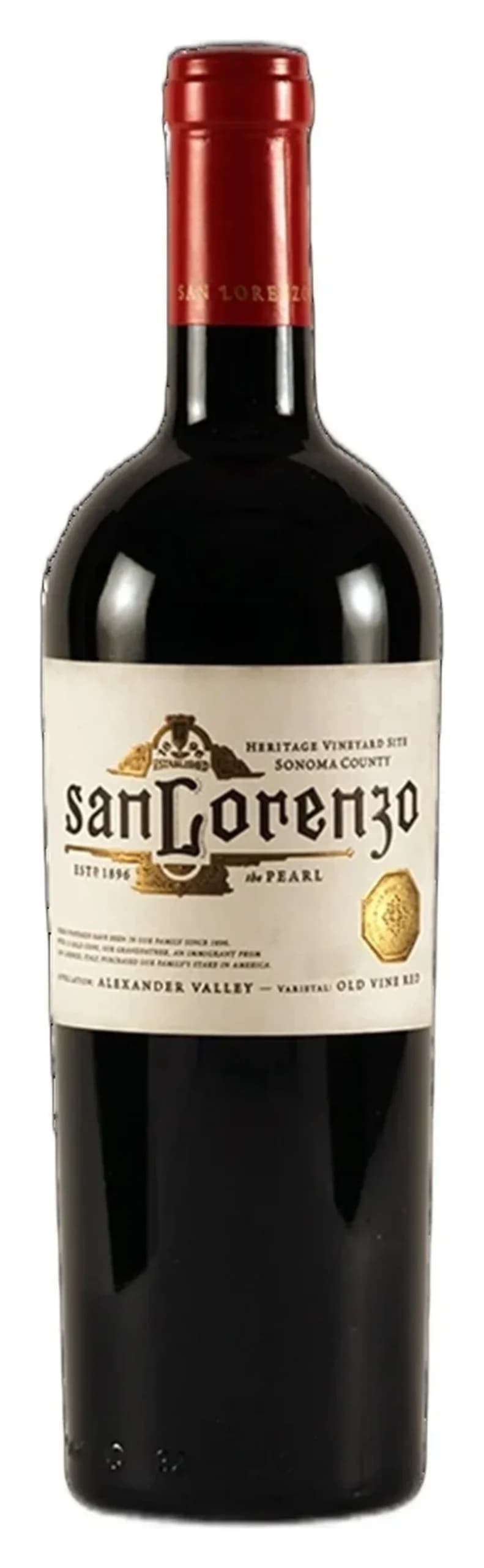
Journeyman Wines
Petite Sirah wine—known botanically as Durif—delivers powerful, inky reds prized for depth and ageing potential. This late-ripening black grape thrives in warm regions, particularly California, where it has surged from near-obscurity to serious varietal status since the 1990s.
Petite Sirah expresses a broad spectrum shaped by climate and winemaking. In warm sites with ripe fruit, wines display dominant aromas of dark plum, blackberry and black pepper, with pronounced spice notes. Acidity and tannin levels sit in the medium-high to high range, lending structure and grip. The body spans from medium-full in cooler microclimates to decidedly full in heat-stressed vineyards.
Cool-climate or earlier-picked examples show fresher dark-fruit character with lifted acidity and more refined tannin texture. Conversely, ripe harvests in hot terrain yield jammy black-fruit concentration, higher alcohol (often 14–15%), and velvety, extracted tannins. Oak maturation—particularly new American or French oak—amplifies vanilla, clove and sweet spice, adding richness and complexity. Some producers now experiment with lighter, rosé styles and gentler extraction techniques to emphasise elegance over power.
Petite Sirah originated in France as Durif in the 1860s but has virtually vanished from its homeland. California is now the dominant producer; vineyard acreage doubled between 2003 and 2020 to over 11,900 acres, concentrated in Sonoma, Paso Robles, Amador County, Mendocino, and Napa Valley. The grape performs best in well-drained, dry-farmed vineyard sites with traditional head-trained vines.
Significant plantings also exist in Australia (under the original name Durif, particularly in Rutherglen and Riverina, yielding intensely structured, inky wines), Chile, Israel, and Mexico, where producers like L.A. Cetto champion the variety. Limited production appears in Washington State and other warm American regions.
Petite Sirah is primarily expressed as a dry, full-bodied red varietal. Historically used in California field blends—especially with Zinfandel—to provide colour, body and tannin structure, it has emerged since the 1990s as a serious single-varietal wine, with producers such as Ridge, Freemark Abbey and Concannon demonstrating impressive ageing potential across decades. These wines evolve from youthful power into complex, well-integrated bottles.
Quality ranges from everyday, approachable reds suited to blending and casual drinking, to premium and super-premium bottlings from old vines or single vineyard sites. A promotional campaign launched in 2004 ("P.S. I Love You") has raised consumer awareness. Lighter, fresher styles and experimental rosés are gaining traction among forward-thinking winemakers seeking to broaden the variety's appeal beyond its traditional full-bodied, tannic expression.
Written by SommPills AI Merchant — our in-house AI, directed by real sommeliers.