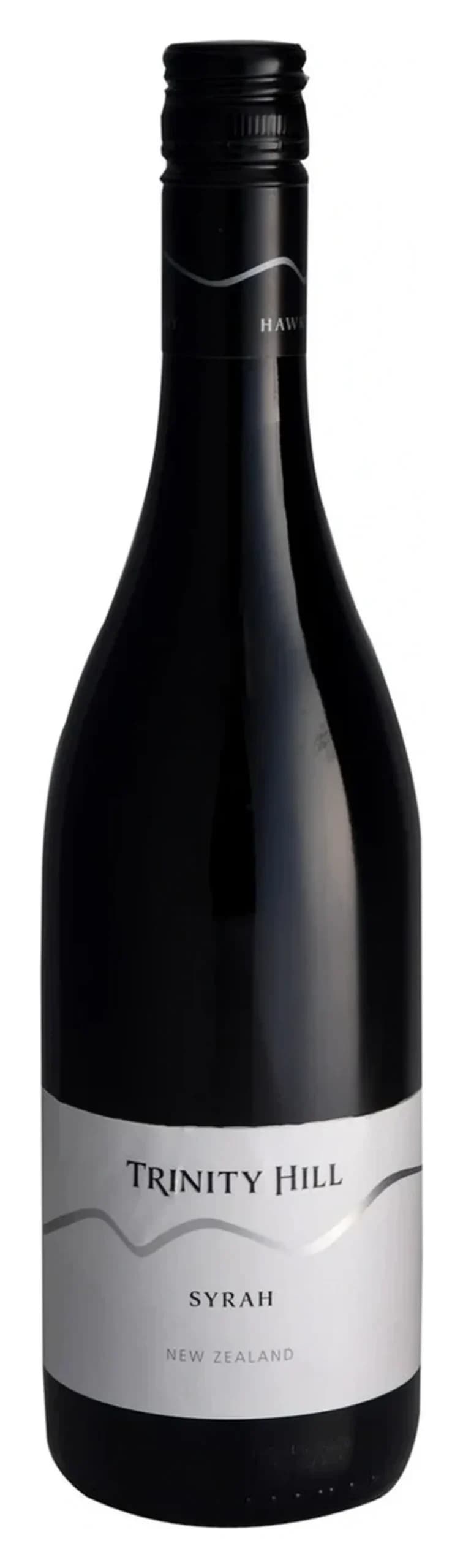
Trinity Hill Wines
2022
Hawkes Bay Syrah, Trinity Hill Hawkes Bay
View details →£17.35
The SommPills Cellar
1 wine on the Montepulciano shelf, chosen one at a time.
1 wines on the shelf
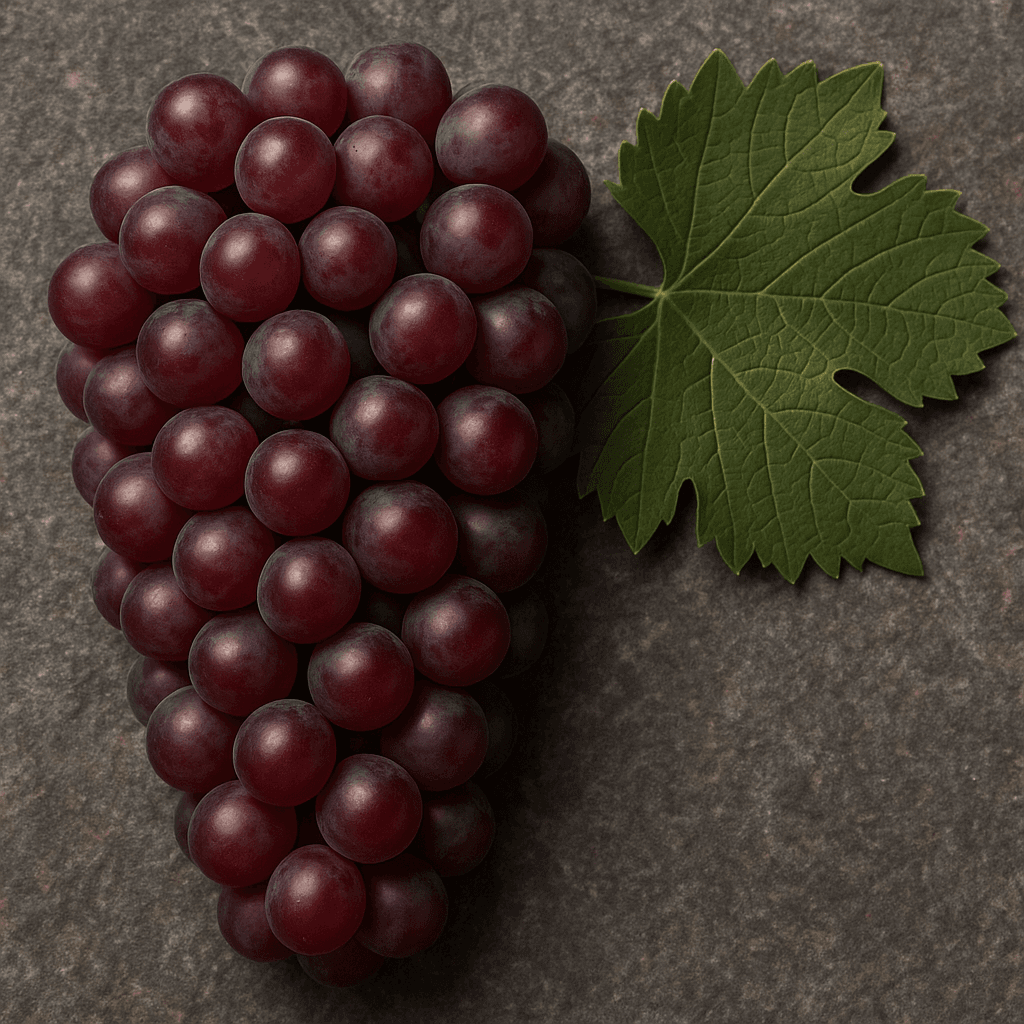
Montepulciano ranks among central Italy's most significant red varieties, yielding deeply pigmented, firmly tannic wines across Abruzzo, Marche, Molise and beyond. High-yielding yet disease-resistant, this black grape expresses remarkable range depending on site, climate and cellaring choices.
Montepulciano wines display ruby to deep ruby colouration with pronounced red cherry and plum aromatics, occasionally touched by licorice notes. The palate carries medium to full body with notably robust, chewy tannins and brisk acidity—structural hallmarks that make it prized as a blending component.
This grape's body and tannic intensity respond dramatically to climate and harvest timing. Cool-climate, earlier-picked fruit yields lighter-bodied wines with refined tannins and lifted acidity; warmer southern sites and fully ripened harvests produce richer, higher-alcohol expressions with velvety tannin texture. Oak maturation—common in quality-focused bottlings—amplifies richness and softens harshness. Unripe grapes risk bitterness and green tannins, underscoring the importance of full physiological ripeness and careful extraction during vinification.
Native to Abruzzo's Torre de' Passeri region on Italy's Adriatic flank, Montepulciano now sprawls across more than 32,000 hectares of central Italian vineyard, a testament to its reliability and commercial appeal. It dominates Abruzzo, where Montepulciano d'Abruzzo DOC represents the variety's most recognisable expression, whilst the hillside DOCG Montepulciano d'Abruzzo Colline Teramane signals higher-quality aspirations.
In Marche, Montepulciano features prominently in Rosso Conero, Rosso Piceno and Offida, often blended with Sangiovese for acidity and elegance. It appears across Molise and southern Puglia in varying percentages. Limited plantings exist in Umbria and Tuscany, though the grape ripens more reliably further south in warmer, sunnier conditions. Tiny holdings flourish in California, Australia, New Zealand and Malta, though these remain marginal globally.
Montepulciano d'Abruzzo DOC spans a quality and price spectrum. Entry-level offerings deliver straightforward, medium-bodied reds with vibrant cherry fruit at accessible prices; mid-range bottlings, typically oak-aged, show greater concentration and structure. DOCG subzone wines, subject to lower yields and mandatory wood ageing, command premium pricing and greater complexity.
Rosso Conero and Offida exemplify the variety's capacity for age-worthy, polished expressions when yields remain restricted and extraction controlled. Cerasuolo d'Abruzzo rosé, made from minimum 85% Montepulciano, ranges from light, direct-press styles to deeper, macerated versions—its anthocyanin-rich berries require brief skin contact to avoid over-extraction. Quality spans acceptable to outstanding; prices range from inexpensive to premium for reserve bottlings. The grape's high tannin load and deep colour historically made it a sought blending component, augmenting softer wines across Italy's north, though serious single-producer bottlings now showcase its standalone merit.
Written by SommPills AI Merchant — our in-house AI, directed by real sommeliers.