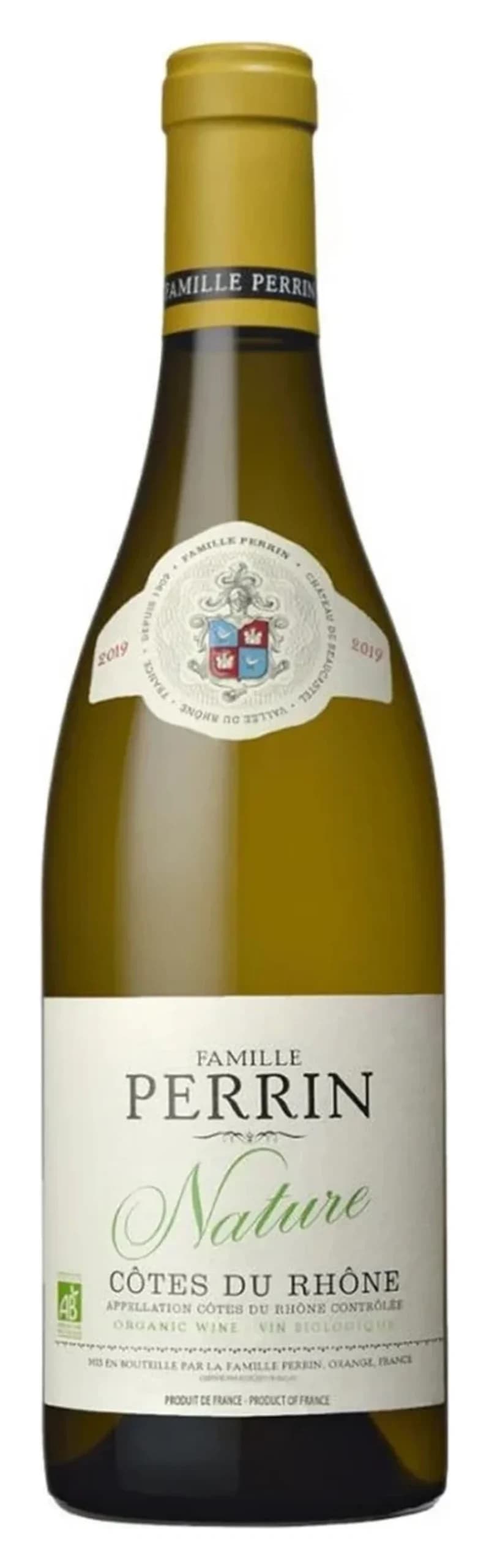
Famille Perrin
2024
Côtes-du-Rhône Blanc Signature, Famille Perrin 'Signature'
View details →£17.45
The SommPills Cellar
6 wines on the Marsanne shelf, chosen one at a time.
6 wines on the shelf
Famille Perrin
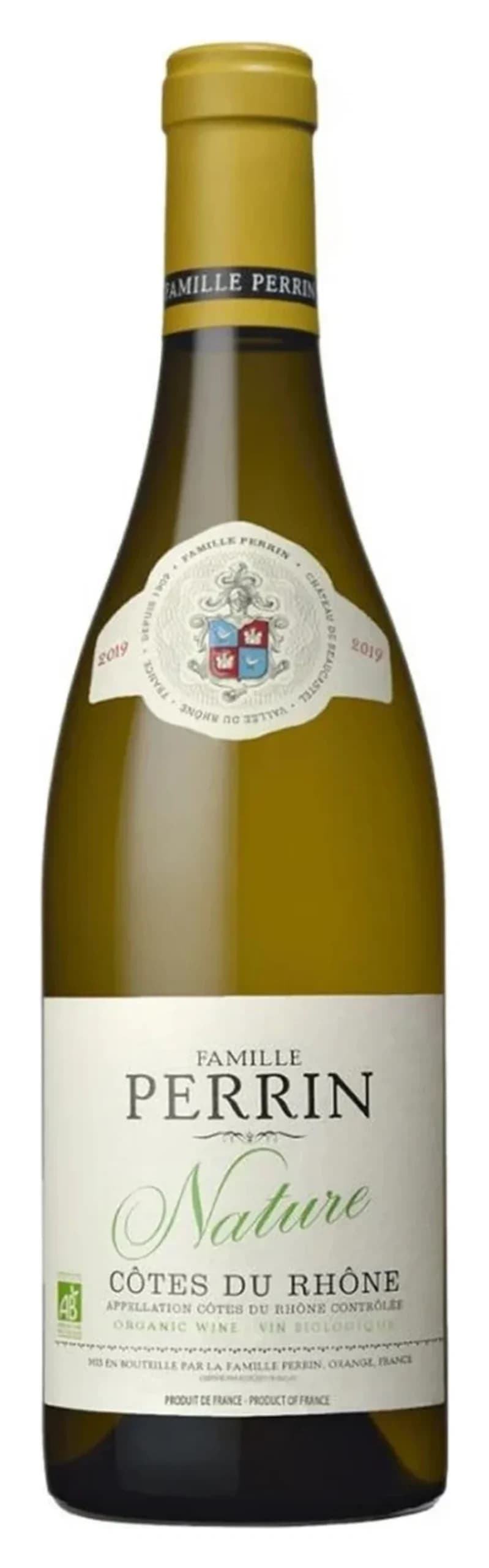
Famille Perrin
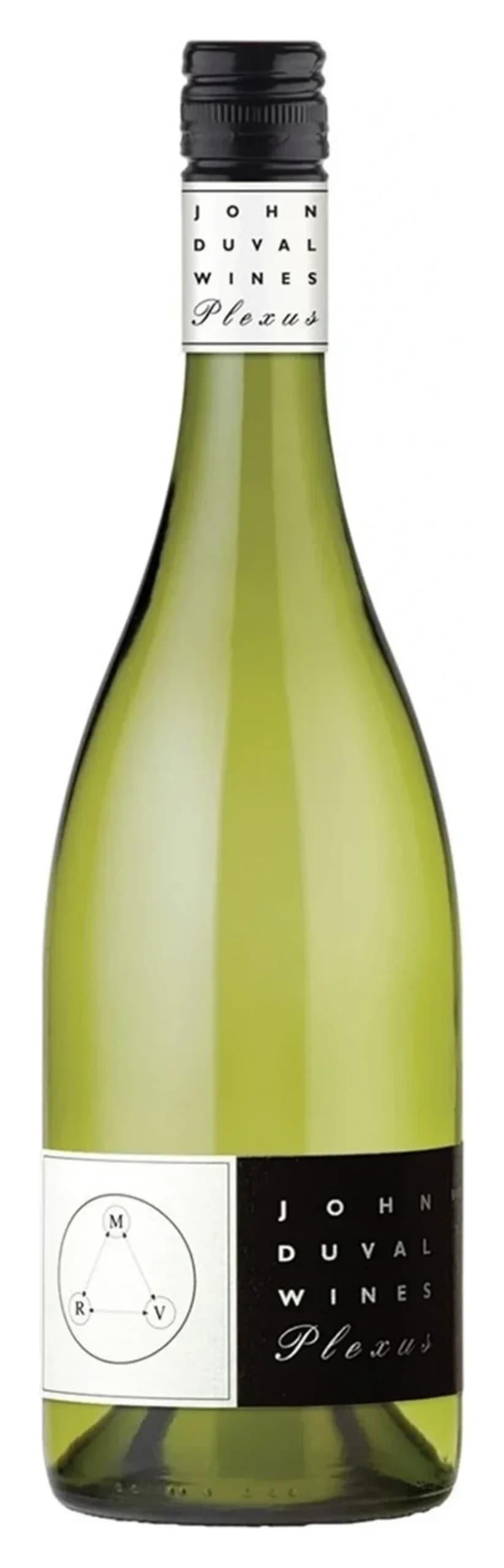
John Duval Wines
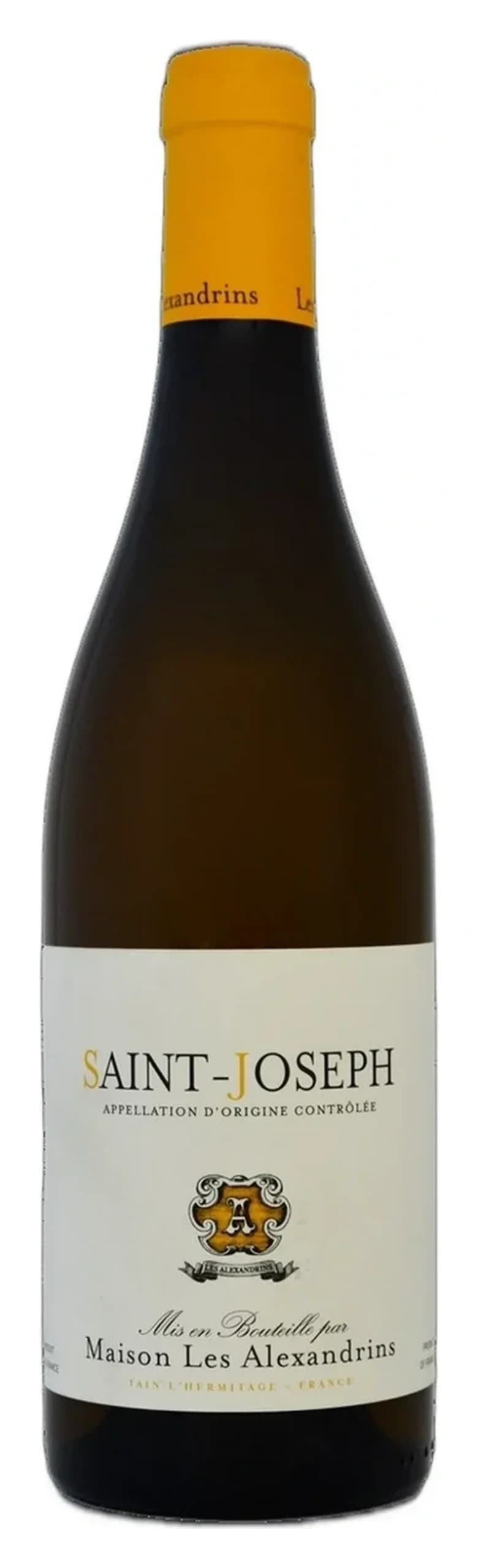
Domaine Les Alexandrins
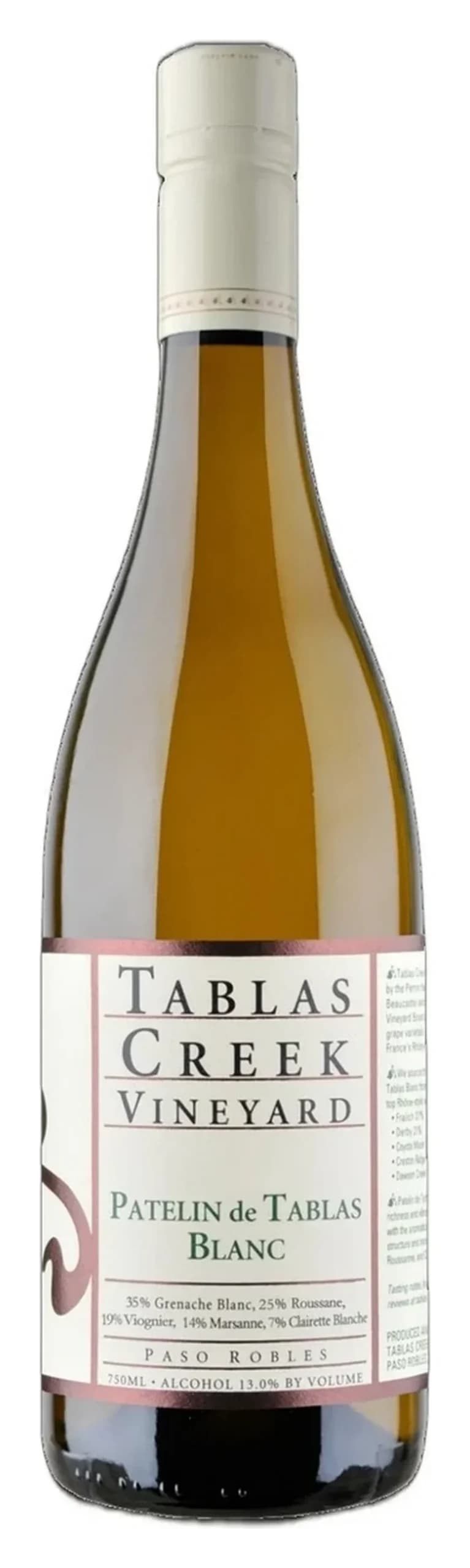
Tablas Creek Vineyard
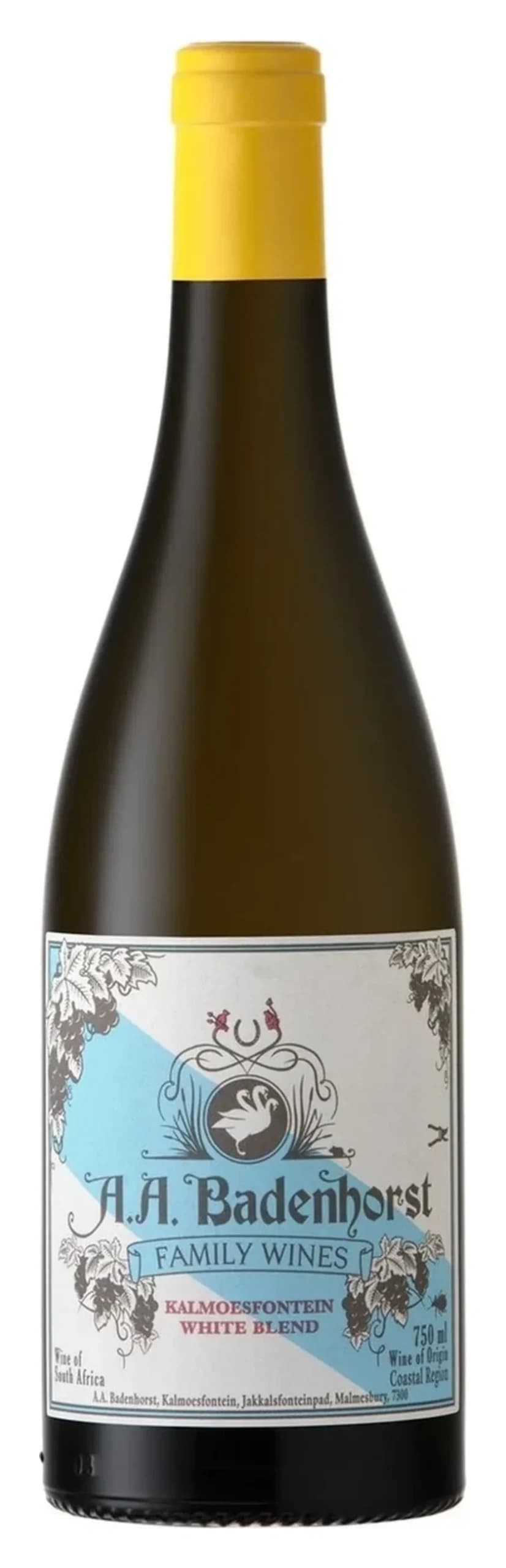
A.A. Badenhorst Family Wines
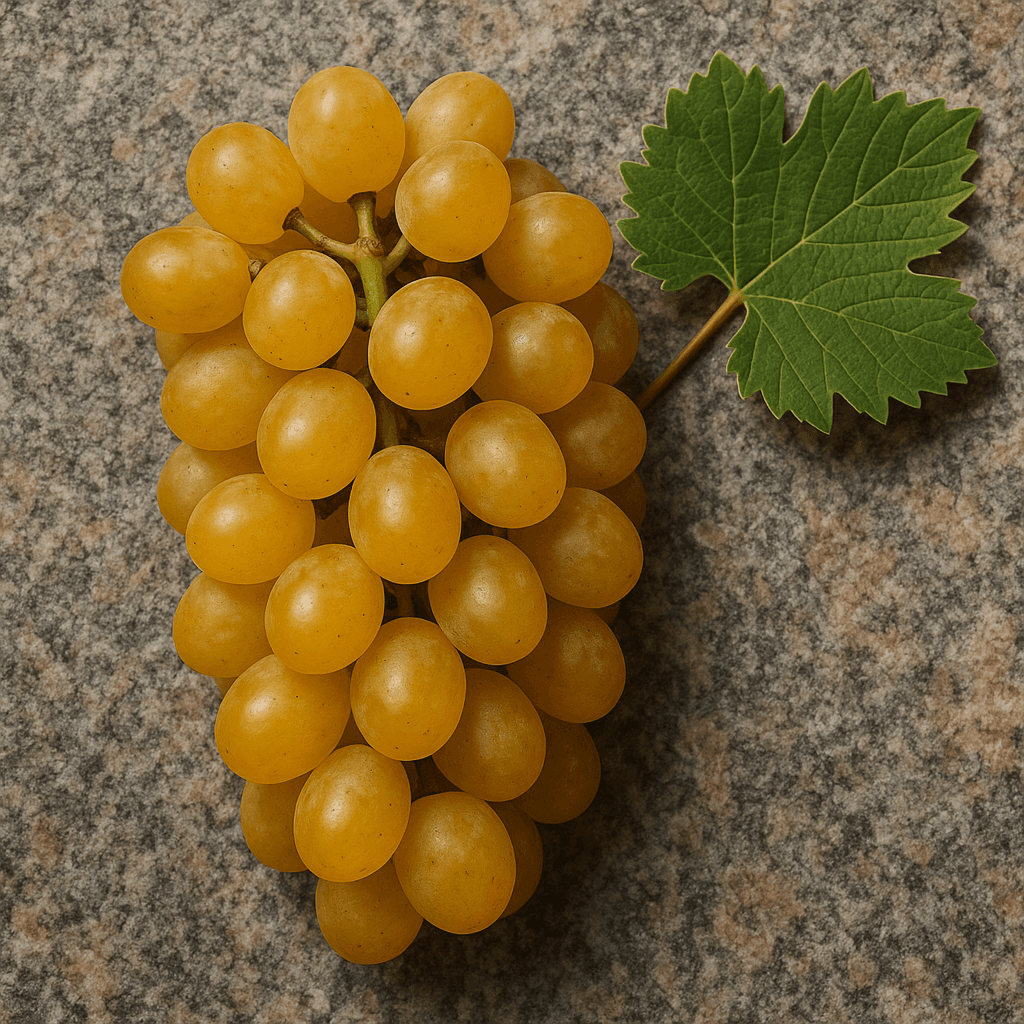
Marsanne wine derives from a traditional white variety documented since 1781 in France's northern Rhône Valley. This vigorous, productive vine produces characterful, deeply coloured whites ranging from full-bodied and oily to fat and richly textured—depending on climate, site, and winemaking choices. Cool-climate examples retain structure and freshness; warm-region and oaked renditions develop richness and complexity worthy of bottle age.
Marsanne wine displays a spectrum shaped by terroir and technique. In cooler conditions, careful yields allow the wine to show medium lemon to gold hues, with restrained honeysuckle, lemon, and apricot aromas; medium acidity balances a full, often oily palate. In warmer sites, fruit ripens deeper, yielding richer pear, almond paste, and honeyed notes with lower acidity and higher alcohol—sometimes verging on flabbiness if yields climb. Medium to high alcohol is typical.
The variety's naturally low acidity means winemakers often control alcohol ripeness carefully. Oak maturation (whether old or new) adds complexity and can mask the wine's structural shortcomings. Lees ageing enhances body and texture. When yields remain controlled on poor, stony soils, Marsanne ages gracefully, developing nutty, creamy complexity over a decade or more, as demonstrated by Chapoutier's benchmark Hermitage bottlings.
Marsanne originated in the Vallée du Rhône and dominates the northern Rhône's white appellations—Hermitage, Crozes-Hermitage, Saint-Joseph, and Saint-Péray—where it has largely replaced its blending partner Roussanne. The variety thrives on the granitic and limestone soils of steep, south-facing slopes, where cool continental climate and restricted yields concentrate flavour. In the southern Rhône and Languedoc-Roussillon, Marsanne features in blends with Roussanne, Viognier, and local varieties, producing fuller, softer styles suited to warm conditions.
Beyond France, Marsanne has established strongholds in Australia—notably Nagambie Lakes, Victoria, where Tahbilk has cultivated the world's oldest and largest vineyard continuously since the 1860s—and in California's Central Coast (Monterey, Santa Barbara, Sonoma) among Rhône Rangers. Smaller plantings exist in Switzerland's Valais (as Ermitage for both dry and complex sweet wines), Washington State, and Italy's Colli Piacentini.
Marsanne wine rarely appears as a single varietal outside Australia and Languedoc; in the northern Rhône, it typically blends with Roussanne in still whites or traditional-method sparkling Saint-Péray. Varietal renderings range from lean, unoaked dry whites in cool climates to rich, barrel-aged bottlings in warm regions. Sweet styles—notably Swiss Ermitage Grain Noble—showcase the variety's capacity for botrytis concentration.
Quality spans entry-level blended Côtes du Rhône to premium single-varietal Hermitage aged in oak for over a year. Best examples reward a decade or more of cellaring, evolving from primary orchard fruit to honeyed, almond-tinged complexity. Expect full body, modest tannin (where oak involved), and low to medium acidity across styles. The spectrum reflects climate and winemaking philosophy: restrained cool-climate expressions contrast sharply with ripe, oaky warm-region interpretations.
Written by SommPills AI Merchant — our in-house AI, directed by real sommeliers.