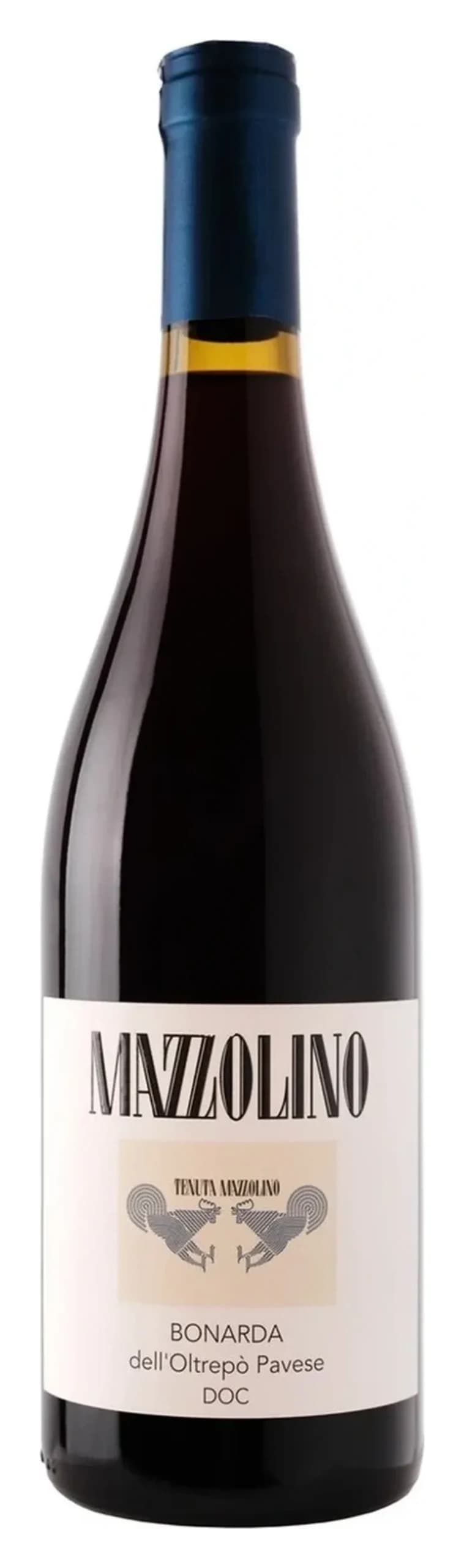
Tenuta Mazzolino
2022
Mazzolino Bonarda, Tenuta Mazzolino
View details →£17.55
The SommPills Cellar
4 wines on the Croatina shelf, chosen one at a time.
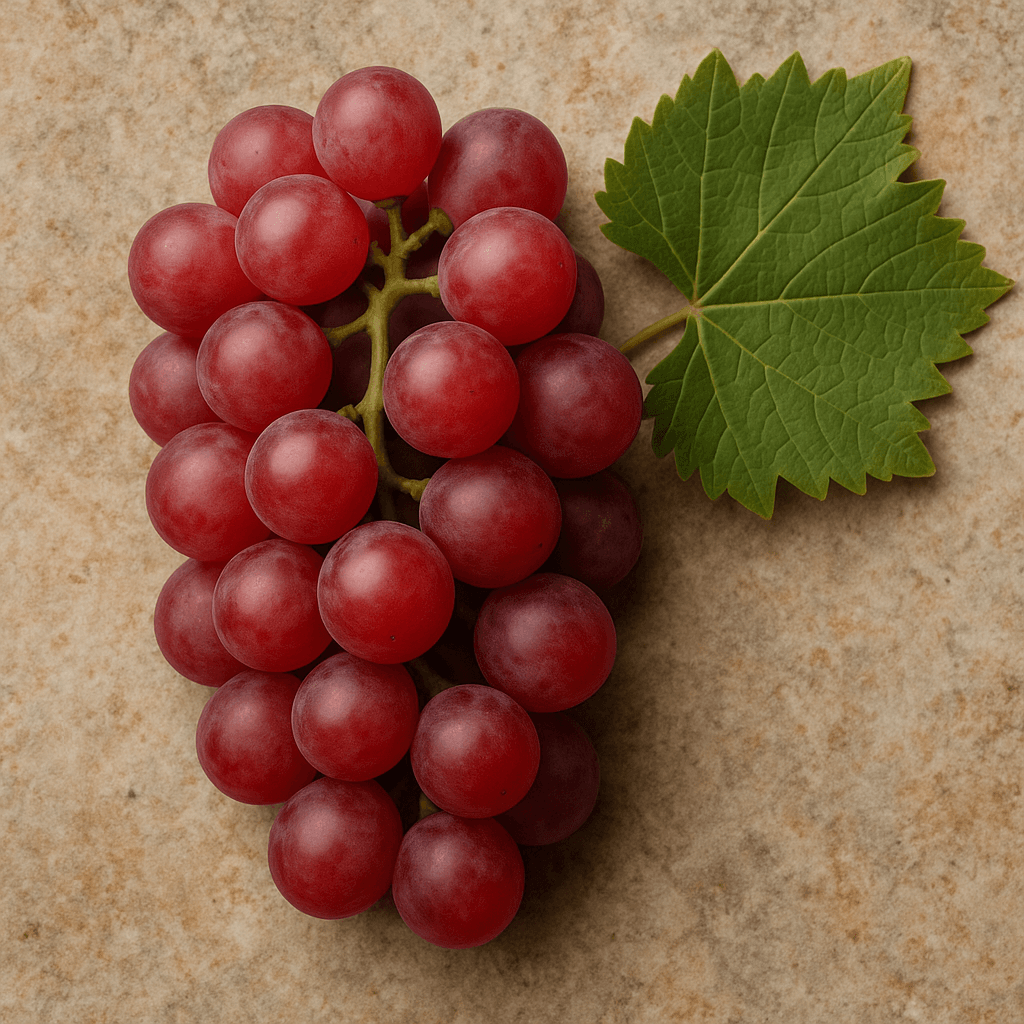
4 wines on the shelf
Tenuta Mazzolino
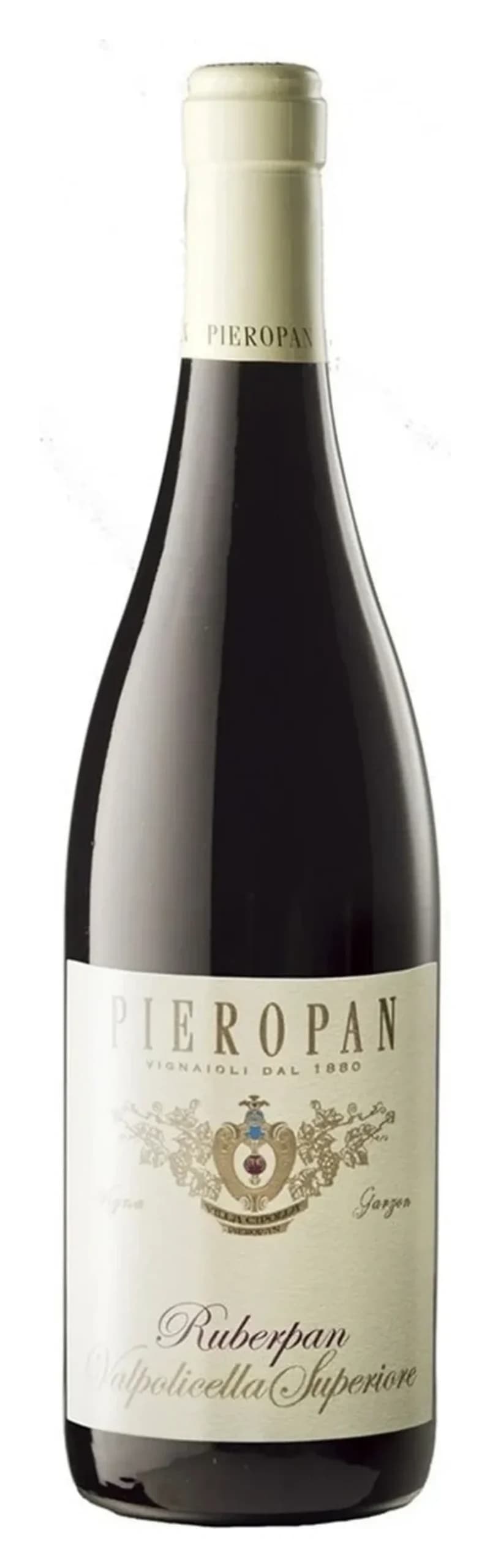
Pieropan
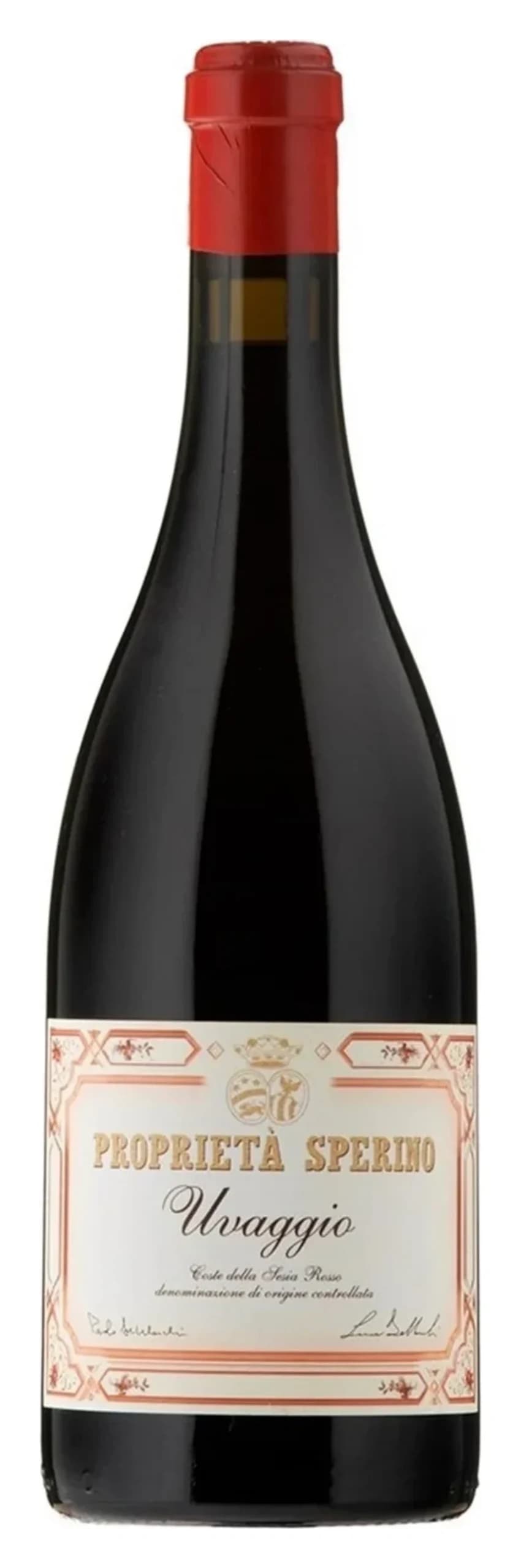
Proprieta Sperino
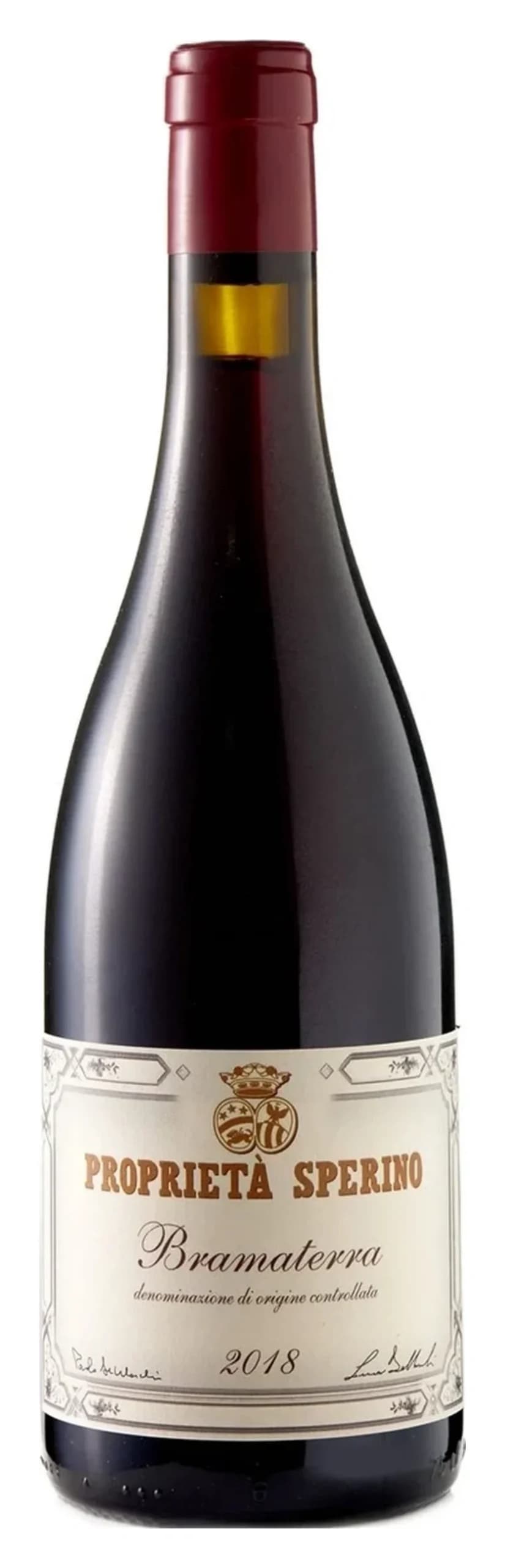
Proprieta Sperino
Croatina is a dark-skinned red grape from the borders of Lombardy and Piedmont that delivers fleshy, fruity wines with a distinctive soft tannin structure. Known since medieval times and probably native to the Rovescala area of Lombardy, Croatina thrives in northern Italy's cool climate where it ripens reliably despite spring frosts. Whether drunk young as a varietal or blended into Amarone and regional DOC wines, Croatina offers genuine character and real value—discover where and how it's made.
Croatina produces deeply coloured, fruity wines with red-fruit character and a soft tannin bite designed to be enjoyed relatively young. The variety is resistant to powdery mildew and ripens late, making it ideal for northern Italy's climate. Its fleshy, creamy palate and pleasant sweetness despite being dry set it apart from more tannic regional varieties.
Croatina is especially abundant in Lombardy's Oltrepò Pavese, where it is the most important native variety and forms the backbone of DOC Oltrepò Pavese Bonarda. It is also widely planted in Piedmont across the provinces of Alessandria, Novara, Vercelli, and Cuneo, and appears in smaller quantities in Emilia-Romagna, Veneto, and Sardinia.
Croatina is made as 100% varietal wines under DOCs like Colline Novaresi Croatina, Coste della Sesia Croatina, and Oltrepò Pavese Bonarda, as well as in blends such as Colli Piacentini Bonarda with Barbera and Gutturnio in Emilia-Romagna. In Veneto, its soft tannins and fleshy personality make it an increasingly valued component of Amarone, especially outside the Classico zone, where it provides the softness modern Amarone requires.
Value seekers and adventurous drinkers appreciate Croatina's approachable character and reasonable price compared to Piedmont's prestige reds. Blenders and serious collectors respect its role in structured regional wines and its potential as a monovarietal. Those exploring northern Italy's lesser-known varieties find Croatina rewarding and generously fruited.
In Oltrepò Pavese, Croatina's primary zone, the grape and its wines have been called Bonarda for generations, which has caused lasting confusion because Bonarda is also the name of at least six other distinct Italian grape varieties. The high-quality biotype known as Croatina Pignola is sometimes marketed as Bonarda Pignola, though this is technically incorrect. DNA profiling confirms Croatina is entirely separate from Bonarda Piemontese, Bonarda Novarese (a synonym of Uva Rara), and other Bonarda-named grapes, so always check the producer and region when purchasing.
Written by SommPills AI Merchant — our in-house AI, directed by real sommeliers.