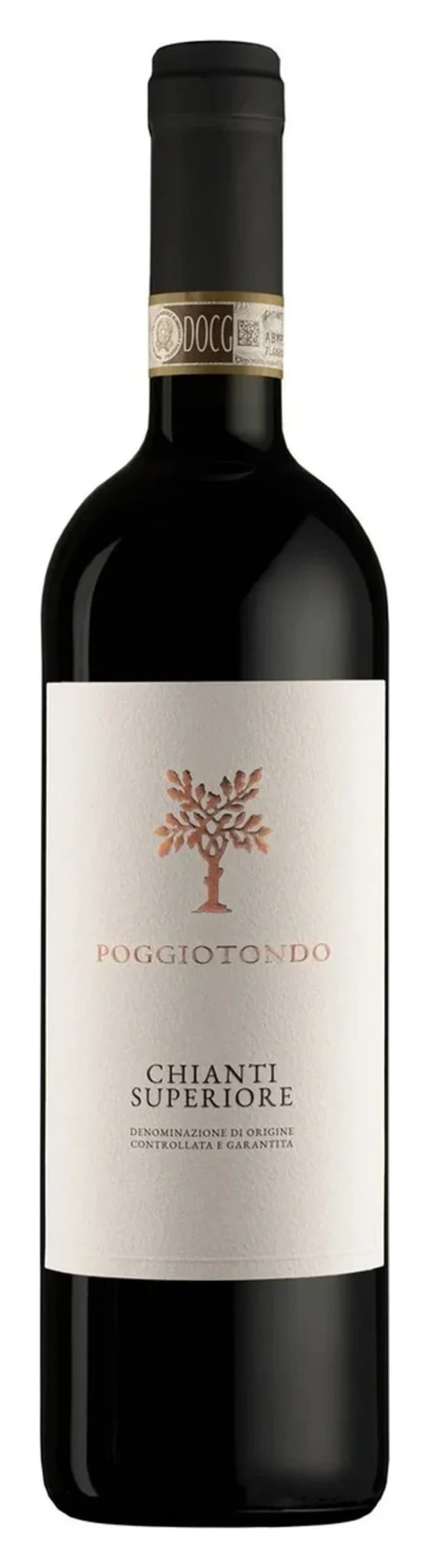
Poggiotondo Wines
2024
Organic Chianti Superiore, Poggiotondo
View details →£18.45
The SommPills Cellar
4 wines on the Colorino shelf, chosen one at a time.
4 wines on the shelf
Poggiotondo Wines
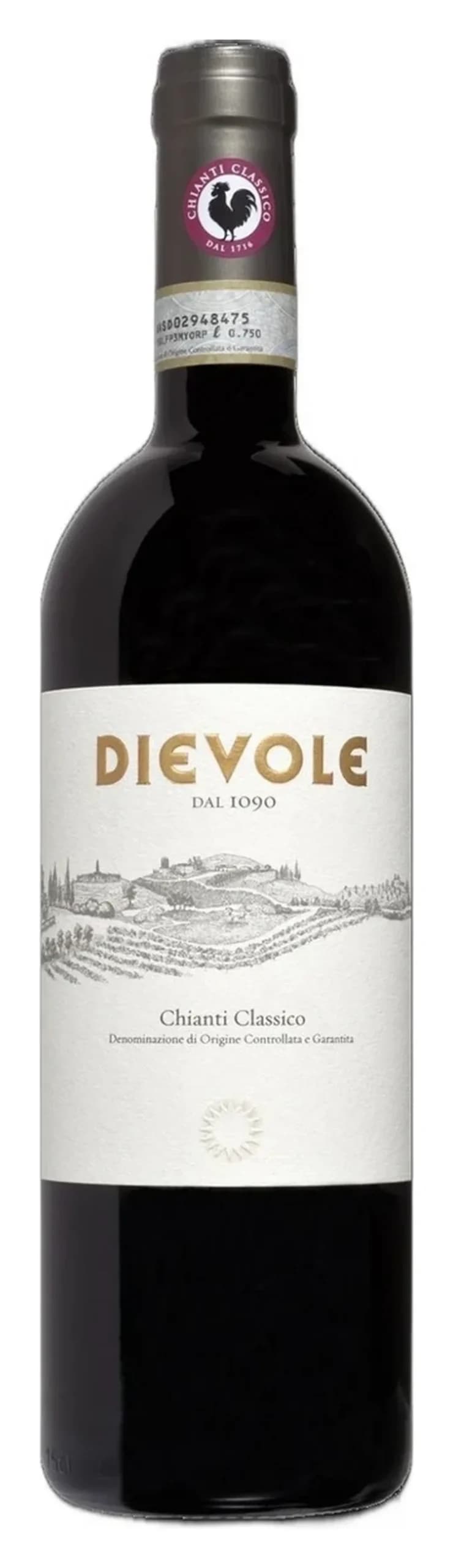
Dievole
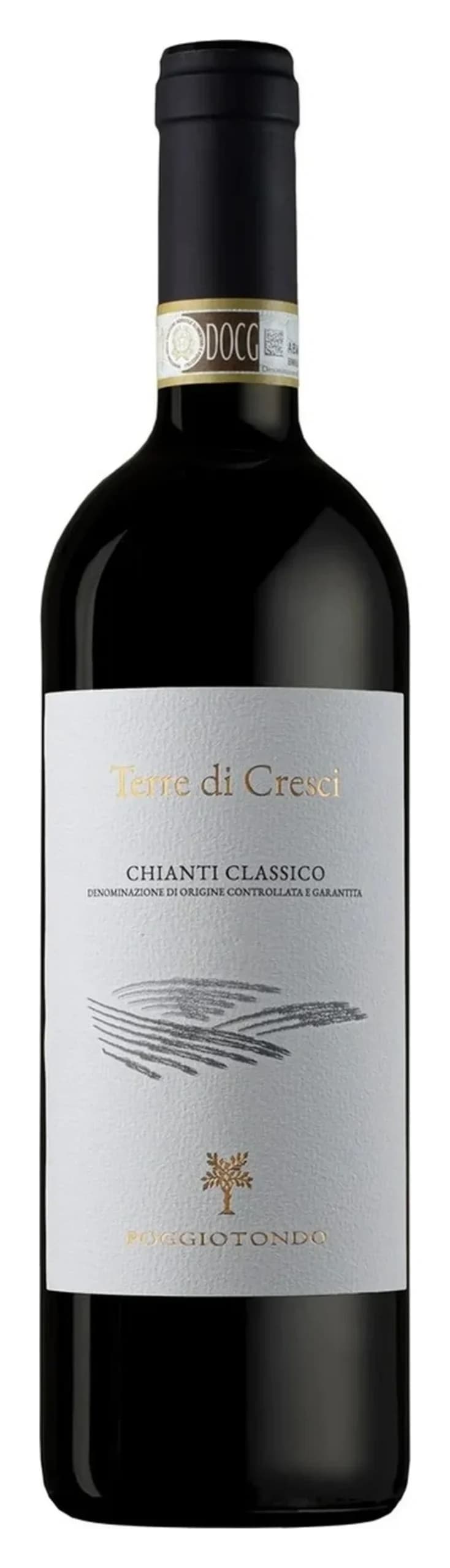
Poggiotondo Wines
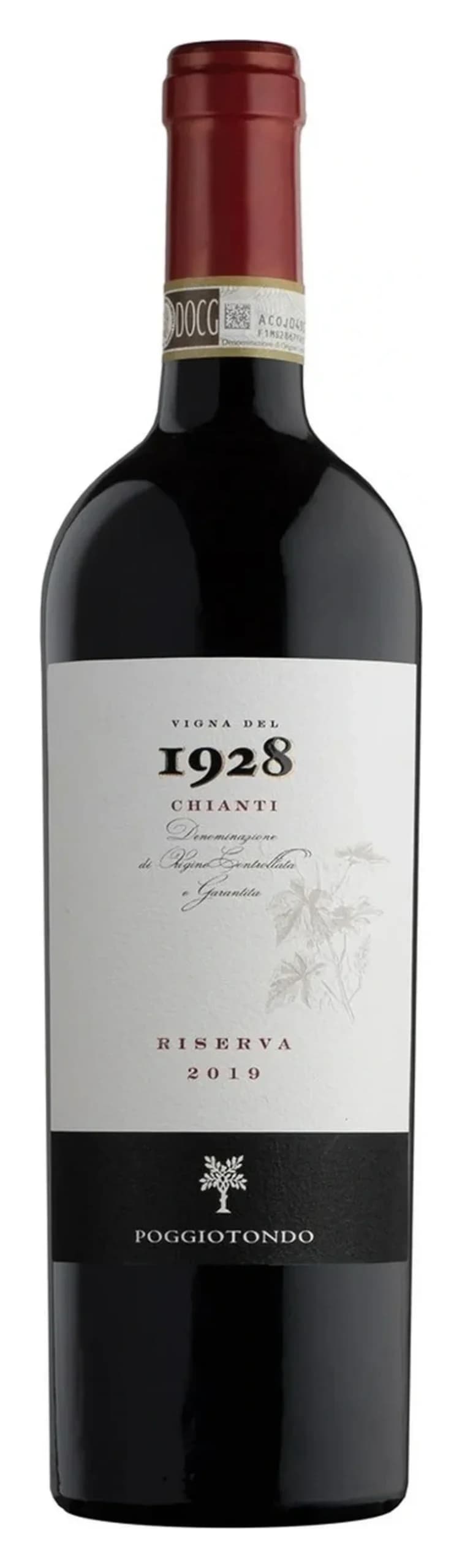
Poggiotondo Wines
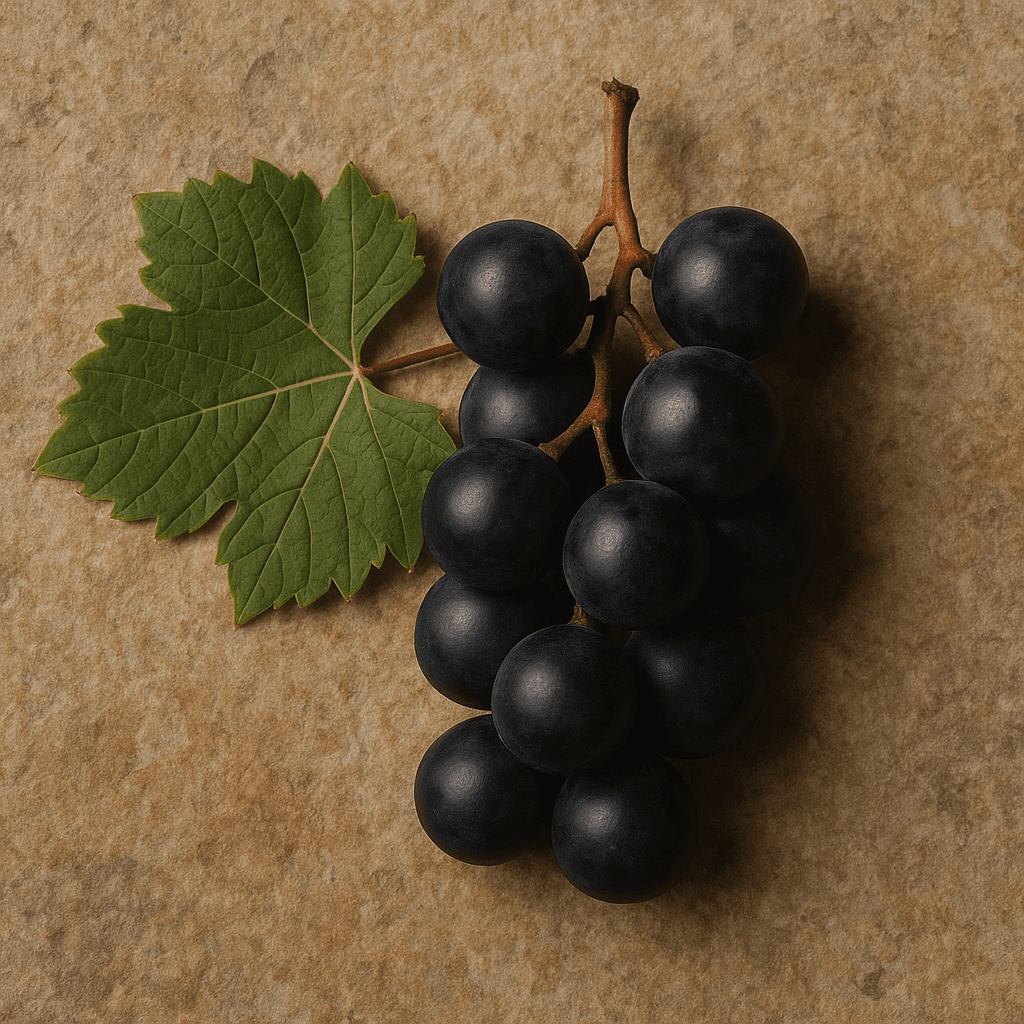
Colorino is a dark-skinned Italian grape variety originating from Tuscany, where it has been valued for centuries as a blending tool. The name derives from the intense blue-black hue of its berries. Primarily used to fortify colour in Sangiovese-based wines, this versatile variety occasionally appears as a single-varietal expression, revealing its own structured character.
Colorino wines display a spectrum driven by site and winemaking approach. Varietal expressions typically show deeply concentrated colour with red cherry, plum and herbal nuances, supported by firm tannin structure. When blended at 5–10% into Chianti and Vino Nobile di Montepulciano, this modest proportion delivers outsized impact—contributing colour intensity and tannin backbone without dominating the palate. The variety's pale flesh contrasts sharply with its dark skin pigmentation, allowing winemakers to control extraction through maceration timing.
Acidity levels are generally moderate to high, with mid-range alcohol that scales with ripeness at harvest. The grape ripens at mid-season and shows some susceptibility to powdery mildew, requiring attentive vineyard management. Oak treatment varies: blended wines rarely see barrel ageing, while varietal bottlings occasionally undergo wood maturation to enhance complexity and soften harsh tannins.
Colorino thrives across central Italy, particularly in Tuscany, where four distinct genetic types are recognised—Colorino del Valdarno (the most widespread), Colorino di Lucca, Colorino di Pisa, and Colorino Americano. The variety is permitted throughout Tuscany except in the coastal provinces of Massa-Carrara and Livorno. Secondary plantings occur in Umbria, Marche, Lazio and Liguria. The 2000 Italian census recorded 436 hectares of Colorino, though this figure understates current interest, as the existence of multiple genetic types under a single designation complicates precise accounting. Small pockets of committed producers in zones such as Montemurlo and San Casciano Val di Pesa continue to champion varietal expression.
Colorino exists in two primary incarnations. As a blending component—its traditional role—it remains largely invisible to consumers, working silently to deepen colour and add structure to Chianti and Vino Nobile di Montepulciano. Rare varietal IGT wines emerge occasionally from dedicated producers, presenting wines of deep ruby-garnet colour with pronounced red-fruit and herbal character, medium to high tannins, and sufficient acidity for cellaring potential. Quality spans acceptable to very good, with prices reflecting artisanal production rather than volume. The variety became particularly fashionable in the 1980s and 1990s as producers sought local alternatives to international blending grapes. Today, interest in indigenous Italian varieties has rekindled appreciation for Colorino's distinctive contribution to regional wine identity.
Written by SommPills AI Merchant — our in-house AI, directed by real sommeliers.