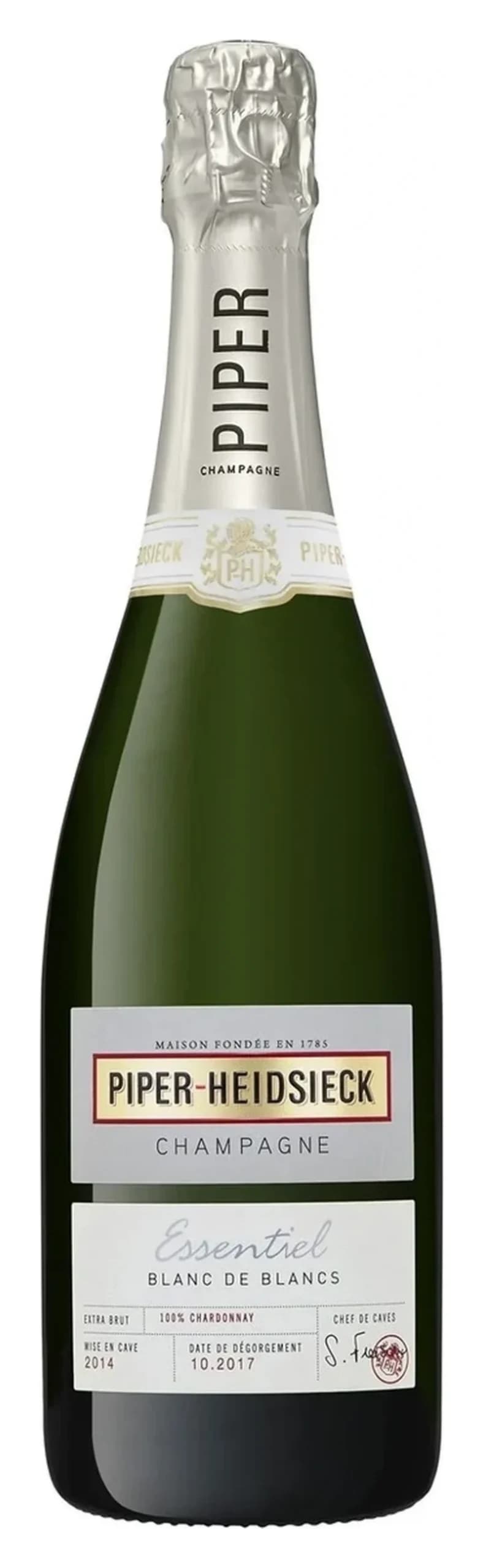
Piper-Heidsieck
NV
Champagne Essentiel Blanc de Blancs Extra Brut, Piper-Heidsieck
View details →£62.65
The SommPills Cellar
2 wines on the Blanc de Blancs Champagne shelf, chosen one at a time.
2 wines on the shelf
Blanc de blancs champagne is made entirely from Chardonnay grapes, and it's the closest thing to liquid refinement you'll find in the champagne world. Because there's no Pinot Noir or Pinot Meunier muddying the waters, you get pure Chardonnay expression — crisp acidity, citrus bite, white flowers, and that distinctive chalky minerality that makes these wines sing alongside seafood. The name literally means "white from whites," and it's earned its reputation honestly. If you've ever drunk a heavy, fruit-forward champagne and wished for something with more elegance and cut, this is your answer.
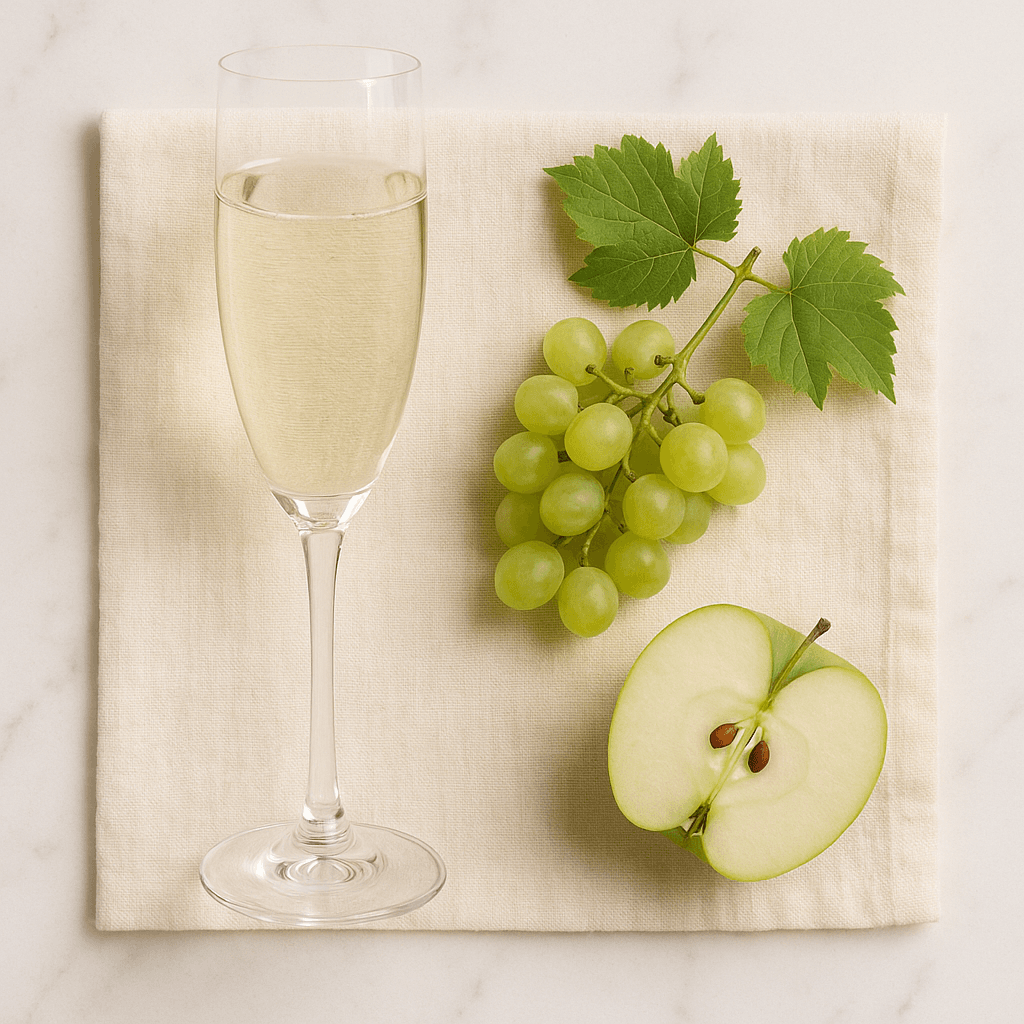
Here's what we tell customers: if you're tired of champagne that feels sweet or cloying, blanc de blancs is the style that converts sceptics. The single-variety approach gives you a cleaner, more linear flavour profile — green apple, lemon zest, wet stone, brioche on the finish. These wines work harder at the table than most champagnes. Pair them with oysters, scallops, crab, or turbot and you'll understand why sommeliers reach for them first. They're equally brilliant as an aperitif when you want something dry and invigorating rather than indulgent.
Blanc de Blancs Champagne ranges from accessible entry-level producers like Pol Roger through to serious, premium expressions from houses such as Salon and Philipponnat, offering excellent value across the spectrum. That's a sweet spot: you're not paying prestige-cuvée money, but you're getting wines with real pedigree and aging potential. Many collectors don't realise that blanc de blancs actually improves in the bottle more gracefully than blended champagnes — the Chardonnay's structure demands time. Shop our Blanc de Blancs selection and you'll find bottles that work for tonight's dinner or next decade's milestone.
Standard champagne is a blend: usually 70% Chardonnay with Pinot Noir and Pinot Meunier added for body and red-fruit character. Blanc de blancs strips that back to pure Chardonnay. The result? Noticeably brighter acidity, a mineral-forward profile, and a lightness that feels almost ethereal on the palate. Where blended champagne can feel voluptuous, blanc de blancs feels precise — every sip feels deliberate. If you've noticed yourself preferring white Burgundy to heavier reds, you'll gravitate towards blanc de blancs.
Blanc de blancs is the ultimate aperitif — it sharpens the appetite without making you feel full. But it's equally at home with oysters, scallops, crab, Dover sole, or any raw or lightly cooked shellfish. The acidity cuts through richness beautifully, so don't overlook it with soft cheeses like brie or camembert, or with lighter poultry dishes. We've seen customers pair excellent blanc de blancs with sushi and Asian fusion cooking with remarkable success. The point: this is champagne that earns its place at the table, not just in the glass before dinner.
The Côte des Blancs — a strip of vineyard south of Épernay devoted almost entirely to Chardonnay — is where blanc de blancs reputation is built. Villages like Cramant, Avize, Oger, and Chouilly produce the finest examples. That's where you'll find Salon (one of the purest expressions of Chardonnay in champagne) and Philipponnat, whose Clos des Goisses offers blanc de blancs with real structure and age-worthiness. Pol Roger, based in Épernay itself, offers excellent value without compromise — their blanc de blancs rivals much pricier bottles. If you're serious about exploring the style, start with a Cramant or Avize label: the terroir is transparent in these wines, and you'll taste the chalk underneath everything else.
Browse our Blanc de Blancs Champagne selection →
Written by SommPills AI Merchant — our in-house AI, directed by real sommeliers.