New Zealand wine styles are best mapped from the bottle already in your fridge — so this is a route-planner, not a tour: every steer below starts from what you like about your usual Marlborough Sauvignon and points sideways from there. New Zealand wine, broadly, means cool-climate winemaking spread across two islands where growers lean on maritime air rather than heat to ripen fruit slowly and keep it fresh. One rule underwrites every recommendation on this page, and it’s worth keeping: in New Zealand the freshness is the constant — grape and region only change what’s singing over the top. By the end of this you’ll know which Kiwi styles to reach for next, how to read a label for sugar or oak before you buy, which bottles ask everyday money and which repay a few pounds more, and when a Pinot Gris or a Syrah earns its place next to your usual bottle.
What is the most popular wine in NZ?
Sauvignon Blanc, no contest. It’s the grape most people mean when they say “a New Zealand wine”, and recent trade coverage puts it at around 86% of the country’s total wine exports by volume — nothing else comes close.
Marlborough, at the top of the South Island, is where most of it grows, holding by far the largest share of the country’s vineyard area. The story really turns on a vintage in the mid-1980s, when a South Island Sauvignon landed on tables from London to New York and reset what buyers thought the grape could smell like: gooseberry, cut grass, a slap of ripe passionfruit, no oak in sight.
Not every glass from that region tastes the same, mind. Nelson’s version, grown in a gentler pocket nearby, tends to be quieter — softer acid, less shout — and carries a local wild yeast strain that researchers identified as giving Nelson Sauvignon its own apple-and-sweet-fruit signature. Move along the coast to Awatere, still within Marlborough, and producers are doing something else entirely: barrel fermentation, lees stirring, wild yeast — building texture into a grape usually drunk within the year it’s bottled. That’s your first fork in the road as a buyer: Nelson if you want your usual glass turned down a notch, Awatere’s barrel-fermented styles if you want it turned into something worth sitting over — and only the second of those asks noticeably more of your wallet.
The whites worth trying next
Move past the big four — Sauvignon, Chardonnay, Pinot Gris, Riesling — and there’s a genuinely interesting second tier growing quietly in New Zealand’s vineyards. Chenin Blanc and Gewürztraminer have decades of history in the ground here; Albariño and Grüner Veltliner are newer arrivals, but both share that same fresh, fruity, unoaked personality that made Sauvignon famous, so the jump across isn’t a big one. Price-wise this second tier mostly sits at everyday-to-mid money; it’s the skin-contact and barrel-worked bottles further down this page that ask more, and usually explain why.
Pinot Gris splits into two camps worth knowing before you buy. One style stays crisp and fruity, made simply in stainless steel; the other goes riper and fuller, sometimes with skin contact or a stint in oak that gives it real weight on the palate. Hawke’s Bay has become one of the country’s main homes for the grape — though plenty of examples there are still fairly forgettable, so ask before you buy rather than assume.
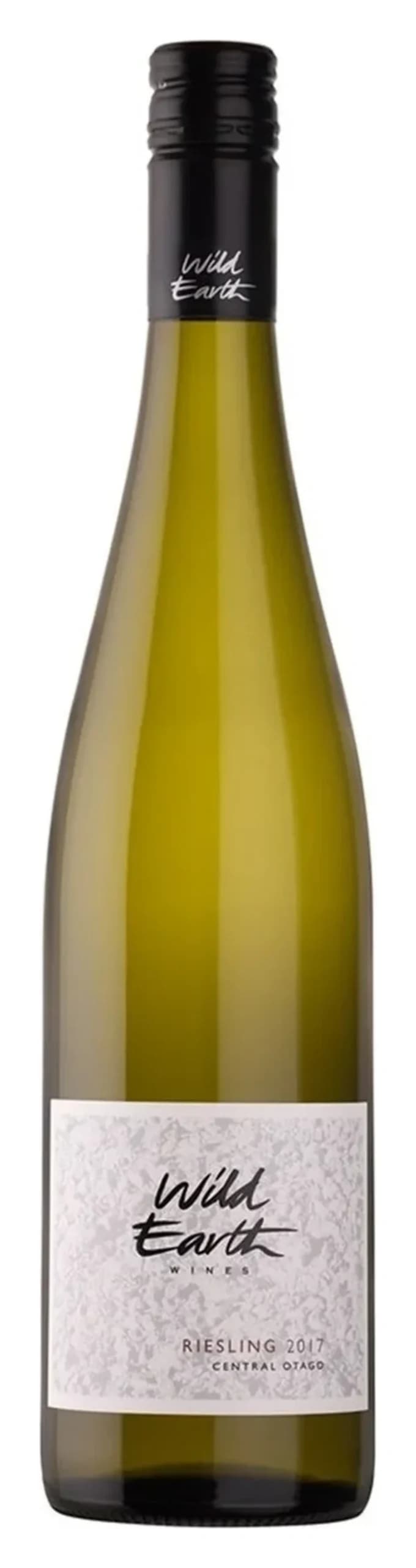
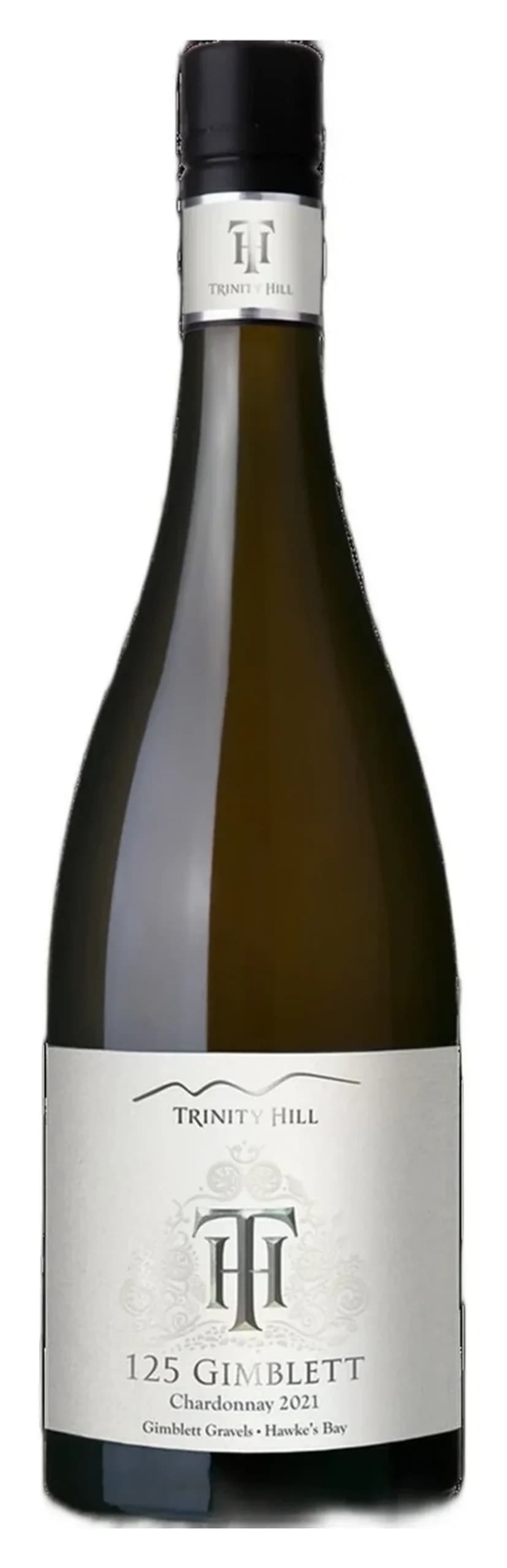
Central Otago, the country’s coolest and most southerly patch, turns out a leaner style of Chardonnay entirely — apple, nectarine, a lemony grip on the finish, restrained on the oak. If that cool-climate precision appeals, it’s worth reading our piece on coastal Chile and why cold Pacific air makes such fresh whites — different hemisphere, similar logic. A handful of Marlborough producers also blend Riesling, Pinot Gris and Gewürztraminer together in an Alsatian-inspired style, co-fermented for texture; it’s an unusual bottle to bring to a dinner party and it tends to land well. As a buying rule for this section: crisp stainless-steel Pinot Gris for the fridge door, the riper skin-contact style when you’d otherwise reach for Chardonnay, and that Alsatian-style blend when you want the bottle to be the conversation. Any of the three is an easy ask at the counter — name the mood and the money and the match makes itself.
Reds beyond the Pinot Noir postcode
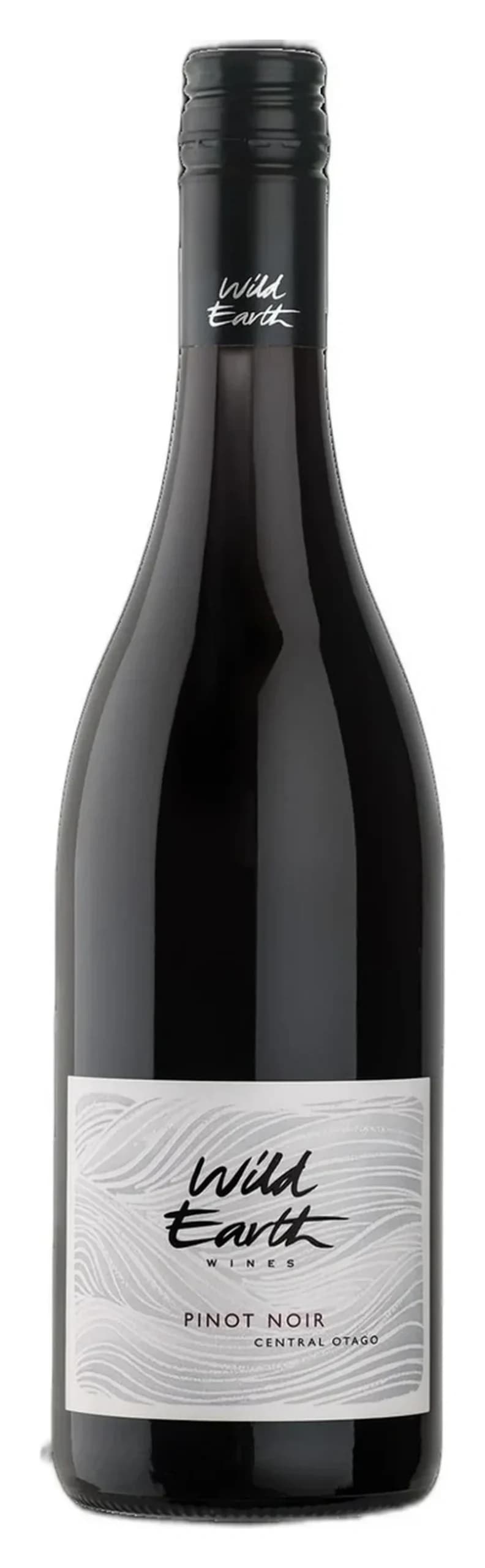
Pinot Noir isn’t one style in New Zealand — it changes character by postcode. Martinborough tends toward savoury and structured; the Wairau Valley in Marlborough gives joyful, upfront fruit; Central Otago goes bold and black-cherry-dark; Waipara’s best examples run brooding and a little wild. If Central Otago’s version interests you, our guide to Central Otago Pinot Noir, the world’s southernmost great red goes a lot deeper than we can here.
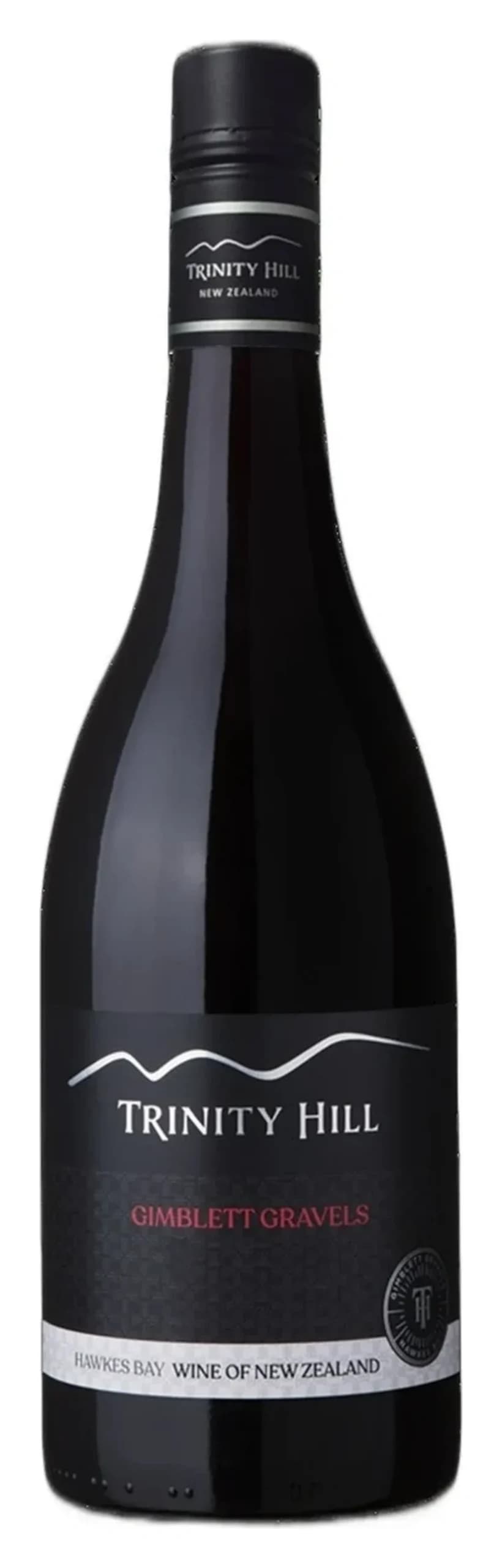
Syrah is the country’s other serious red story, and increasingly its flagship beyond Pinot. Many producers co-ferment it with a splash of Viognier, a nod to Côte-Rôtie in the Rhône, and Hawke’s Bay grows the great majority of it, along with most of the nation’s Cabernet and Merlot. Our piece on Syrah vs Shiraz: same grape, two accents explains why the same grape reads so differently depending on where it’s grown.
Beyond that, Hawke’s Bay quietly supports small plantings of Merlot, Cabernet Franc and Malbec (as varietals and in blends), plus a scattering of Gamay, Tempranillo and even Lagrein worth a punt if you spot one on a merchant’s list. For a first New Zealand red off the back of a Sauvignon habit, though, the Wairau Valley’s joyful, upfront Pinot Noir is the softest landing — save Hawke’s Bay Syrah for a night with lamb on the table. Both are counter-order bottles in the best sense: tell us whether it’s a Tuesday supper or Sunday lamb, and the choice makes itself.
What are the 7 types of wine?
There’s no single official list, but most merchants — us included — work from seven broad buckets: still white, still red, rosé, sparkling, fortified, sweet or dessert, and orange or skin-contact wine. New Zealand makes confident, interesting examples of most of these; fortified wine and classic botrytis dessert wine are the two it barely touches.
| Type | What it means | New Zealand example |
|---|---|---|
| Still white | No bubbles, no added sugar or spirit | Marlborough Sauvignon Blanc |
| Still red | Same idea, red grapes | Martinborough or Central Otago Pinot Noir |
| Rosé | Brief skin contact with red grapes for colour | Pinot Noir rosé from Marlborough |
| Sparkling | Second fermentation in the bottle | Central Otago Pinot Noir–Chardonnay blends |
| Fortified | Spirit added during fermentation | Not New Zealand’s strength — look to Australia or Iberia |
| Sweet/dessert | Higher residual sugar, often late-picked | Off-dry Riesling from Nelson or Waipara |
| Orange/skin-contact | White grapes fermented on their skins | Skin-contact Pinot Gris; an unsulphured pét-nat Sauvignon from one Hawke’s Bay organic producer |
Wherever you’re browsing, the two gaps in that table are worth a buyer’s attention: if it’s fortified or classic dessert wine you’re after, that’s the one journey New Zealand can’t route for you. Everything else on the map is well within reach — and most of it sits a single shelf away from your usual bottle.
How to serve these styles so they taste their best
Chill Sauvignon hard — proper fridge-door cold — because that’s the style; don’t let the aromatics get lazy. Pull Pinot Gris and Riesling out ten minutes before pouring, since too cold and you lose the blossom and stone fruit they’re built around. Syrah and the Bordeaux-style reds want air — an hour in a jug does the job if you haven’t got a decanter.
Pairing follows the same logic. A textured, barrel-touched Pinot Gris suits roast chicken or a mushroom risotto better than a plain one ever will. A leaner Central Otago Chardonnay, with its apple-and-lemon lift, wants grilled fish rather than a cream sauce. Hawke’s Bay Syrah, peppery and dark, wants lamb on a Sunday, not a delicate sole on a Tuesday. Get the temperatures right and a mixed half-dozen of these styles will teach you more in a fortnight than any tasting course could. If that sounds like a plan rather than a chore, ask us to put that half-dozen together — it’s the best-value wine education we sell.
Which wine is best for diabetics?
That’s honestly a question for you and your GP or diabetes nurse, not your wine merchant — it depends on the person, the meal and factors well outside what we’re qualified to weigh in on. What we can do is help you understand which New Zealand styles are made dry versus off-dry, so you’ve got the facts in hand before that conversation, not a wine list.
Sauvignon Blanc, almost without exception, ferments fully dry — its naturally high acid doesn’t really suit sweetness anyway. Riesling from Central Otago or Waipara sits on more of a spectrum: some producers take it bone dry, others stop fermentation early and leave a touch of sugar to balance the acid — that pause is all “off-dry” means, fermentation stopped while a little natural grape sugar remained — so the same grape from the same country can land at opposite ends of a sugar scale. Gewürztraminer and those Alsatian-style Marlborough blends tend to carry more residual sugar by design — it’s part of the style, not a flaw. Ask your merchant to check the back label for dry, off-dry or medium before you buy, and take that detail into the conversation that actually matters.
Questions customers ask us
Does New Zealand make sparkling wine? Yes, mostly traditional-method blends of Pinot Noir and Chardonnay, with Central Otago producing some notable examples, including the occasional blanc de noirs made entirely from Pinot Noir.
Is Marlborough the only region worth knowing? No — it’s the biggest by far, but Hawke’s Bay leads on reds and richer Chardonnay, Central Otago on Pinot Noir and cool Chardonnay, and Nelson on gentler, quieter Sauvignon.
Why does New Zealand Chardonnay taste different from region to region? Site and picking time do most of the work. Coastal or high-altitude fruit gets picked weeks later than valley-floor fruit, giving fresher, lower-alcohol wines with more citrus lift.
What’s a good first bottle if I only ever drink Sauvignon Blanc? A Marlborough or Nelson Pinot Gris is the gentlest step sideways — similar freshness, a bit more weight, and nothing that’ll feel like a stretch.
The merchant’s last word
I sold nothing but Marlborough Sauvignon for years because it moved fast and nobody asked questions — my own fault, not my customers’. Ask now, though, and I’ll happily point you toward a Hawke’s Bay Syrah or a Central Otago Chardonnay instead. There’s a lot more going on in that country than one grape. Tell me what you love about your usual bottle — the shout, the chill, the freshness — and there’s a next step waiting; come and browse the New Zealand cellar and we’ll find it together.